
Unlocking the Code: How Your DNA Shapes Your Health

The Basics: What Makes You, You
If you picture your body as a busy city, DNA is the manual every cell follows to keep things running. DNA looks like a spiral staircase and carries the entire set of instructions for building you. Four chemical letters—A, C, G, and T—form the code.
Genes are short stretches of this code. Each one is a recipe for a protein, the tiny worker that keeps a cell alive and healthy.
The Basics: What Makes You, You
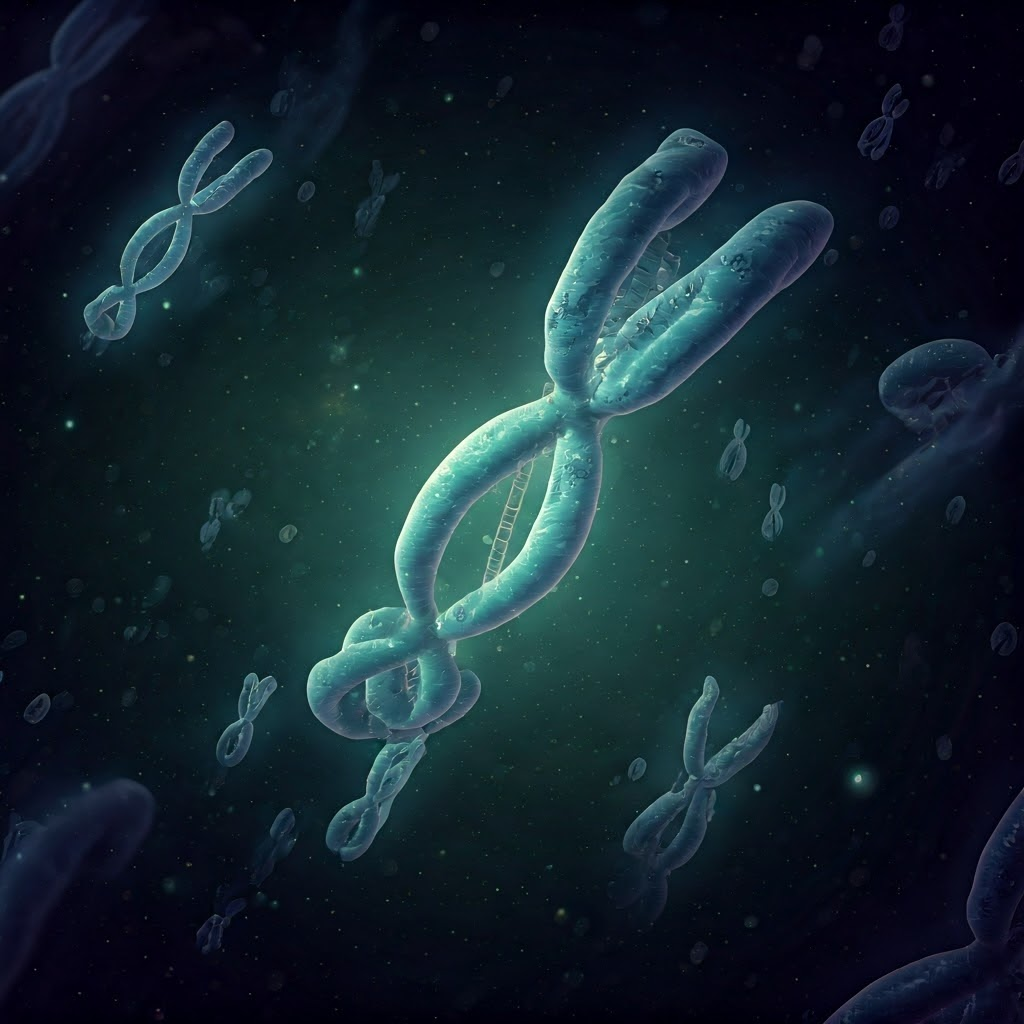
You have roughly 20,000 genes packed into structures called chromosomes. Think of chromosomes as chapters and genes as the steps in each chapter’s recipe. Humans carry 23 chromosome pairs—one set from each parent—explaining why you inherit traits from both.
About 99.9 percent of human DNA is identical. That tiny 0.1 percent difference—a single letter change—creates features like eye color or tongue-rolling skills. These small tweaks make every person unique.
Each child receives half of each parent’s DNA, creating new combinations. Small errors, or mutations, sometimes slip in. They can be harmless, helpful, or cause disease, turning every person into a one-of-a-kind edition of the same genetic book.
Genes and Health: The Connection
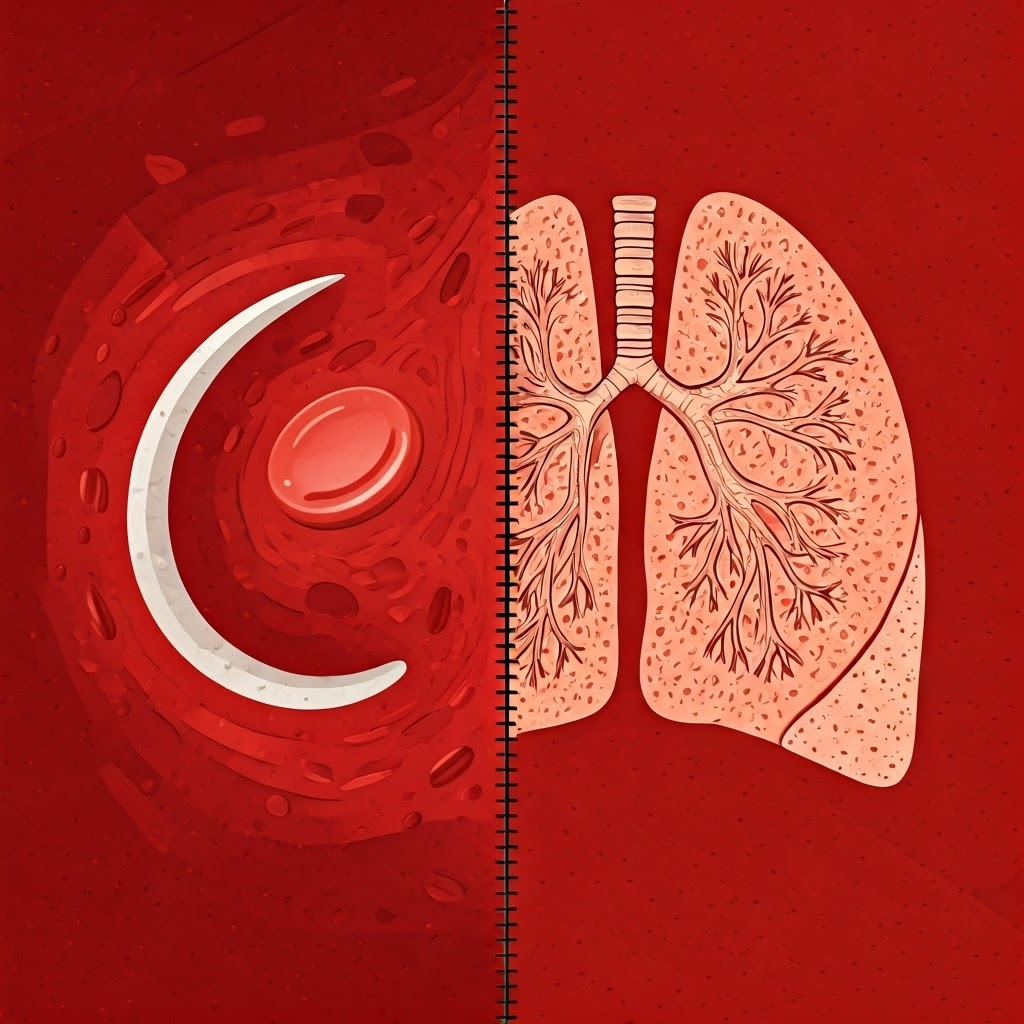
Genes influence more than visible traits; they also affect health risks. A faulty version of a single gene can lead to sickle cell disease or cystic fibrosis, showing how one small change can reshape the body’s systems.

Genes and Health: The Connection
Most traits, such as height, involve many genes working with the environment. Diseases like type 2 diabetes or heart disease result from countless genes plus lifestyle factors. Genes supply the ingredients; habits add the heat and spices.
A single gene also explains lactose intolerance. People of Northern European ancestry often digest milk into adulthood, while many in Asia or Africa do not. Your code shapes the odds, yet choices still steer the outcome.
Personalized Medicine: The New Frontier
Personalized medicine tailors care to your DNA. Doctors use genetic tests to pick the safest drug or dose—a field called pharmacogenetics.
Personalized Medicine: The New Frontier
The blood thinner warfarin can bleed or fail if dosed wrong. Genetic variants change how fast people process it. A quick DNA test guides a safe starting dose and avoids dangerous trial-and-error.

Personalized Medicine: The New Frontier
Clopidogrel, another heart drug, may not work for people with certain gene versions. Testing lets doctors switch medicine early, lowering stroke risk and boosting outcomes.
Personalized Medicine: The New Frontier
Picture Maria after surgery. Her genes show she metabolizes warfarin slowly, so her doctor prescribes a lighter dose. This personalized step keeps her safe, illustrating how genetic insights now guide everyday care.

Predicting Risk: Polygenic Scores and Analytics
Most common diseases involve thousands of genes. Scientists add their small effects into a polygenic risk score. If your score for heart disease is high, you might start cholesterol checks sooner or adjust your diet today.

Predicting Risk: Polygenic Scores and Analytics
Predictive analytics blends genetics with age, weight, and lifestyle details for sharper forecasts. Hospitals now use this broad view to flag high-risk patients, catch disease early, and plan prevention.
Genetic information is more than fascinating science. It helps you and your doctor make smarter choices—shaping care that is safer, earlier, and uniquely yours.
