
18 min read  •  11 min listen

Your AI Roadmap

Find your place in the fast-changing world of artificial intelligence.

Your AI Roadmap

AI-Generated

April 28, 2025

You’re standing at the edge of the AI revolution. This tome shows you what’s next, how to get involved, and how to keep up—without getting lost in the noise. Whether you’re curious, cautious, or ready to jump in, you’ll find your path here.


A smartphone hovers above a glass table under neon light while a woman taps the screen; floating icons hint that the device handles text, audio, video, and images together.

The New Shape of AI: What’s Changing and Why It Matters

You may know AI for writing emails or stories but its reach is growing fast. Today’s systems can also see, hear, and talk at the same time. This shift—called multimodal AI—lets your phone transcribe a voice note, summarize a video, or polish a rough sketch in one step.

A person flicks through phone photos at dusk while AI overlays mood tags, face highlights, and street-sign text in real time.

Classic camera apps only label objects after the fact. A modern system reads a scene’s mood, spots friends, and answers, “Where was this?” Google Lens shows how seamless this feels—translate a handwritten recipe, build a playlist from an album cover, or add smart captions to any clip.

An elderly woman holds a blurry recipe photo while an AI interface turns the handwriting into clear digital text; nearby, AI identifies a tune from a humming musician.

Everyday gains stack up. Your grandma’s faded recipe becomes readable. Hum a tune and the phone names it. For people with disabilities, multimodal tools read street signs aloud. For creators, they unlock fresh, streamlined workflows.

A virtual assistant in a smart suit stands amid panels that check a calendar, scan weather, and reschedule a picnic plan.

Agents on the Move: Smarter, More Helpful AI

Early chatbots parroted answers. New agentic AI can plan, remember, and act. Ask about tomorrow’s weather and it checks your calendar, notices a picnic, and might reschedule—showing truly helpful initiative.
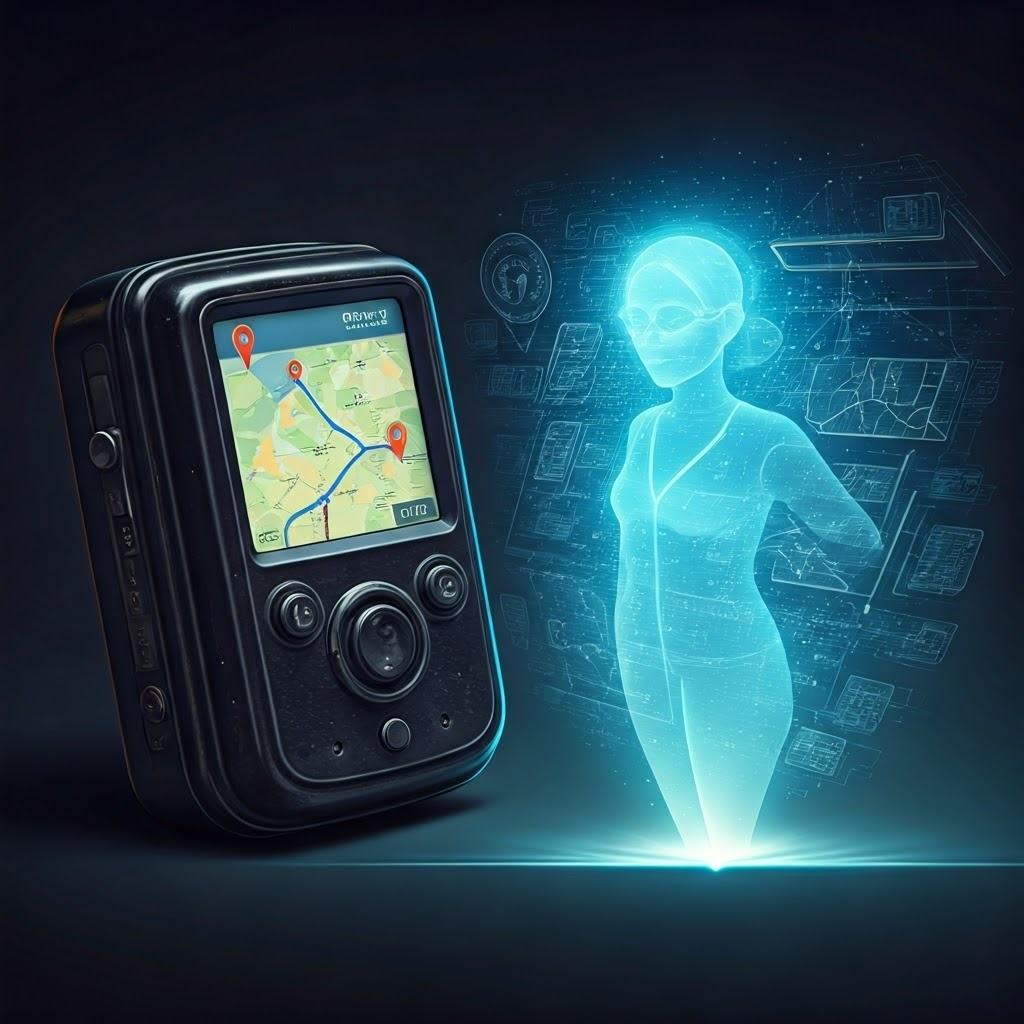
An old GPS morphs into a holographic travel aide that books tickets, updates routes, and files expenses.

Think of the leap from a static GPS map to a live travel assistant. Microsoft Copilot and Google Gemini push this idea, acting as personal helpers rather than mere info boxes. They weave search, memory, and decision-making into one fluid action.

Coders and artists gather around screens showing open-source AI code beside a locked corporate console.

Open or Closed? The Race to Build Better AI

Open-source tools invite anyone to inspect, tweak, and innovate. Projects like Stable Diffusion sparked waves of creativity. In contrast, big firms lock models to polish safety and protect business—yet limit public input.

Executives guard a vault labeled “AI Model” while a nearby public library offers free access to tech.

Neither approach wins outright. Openness speeds progress and transparency; closed systems promise stability and oversight. The tug-of-war shapes what AI tools appear in your daily routines.
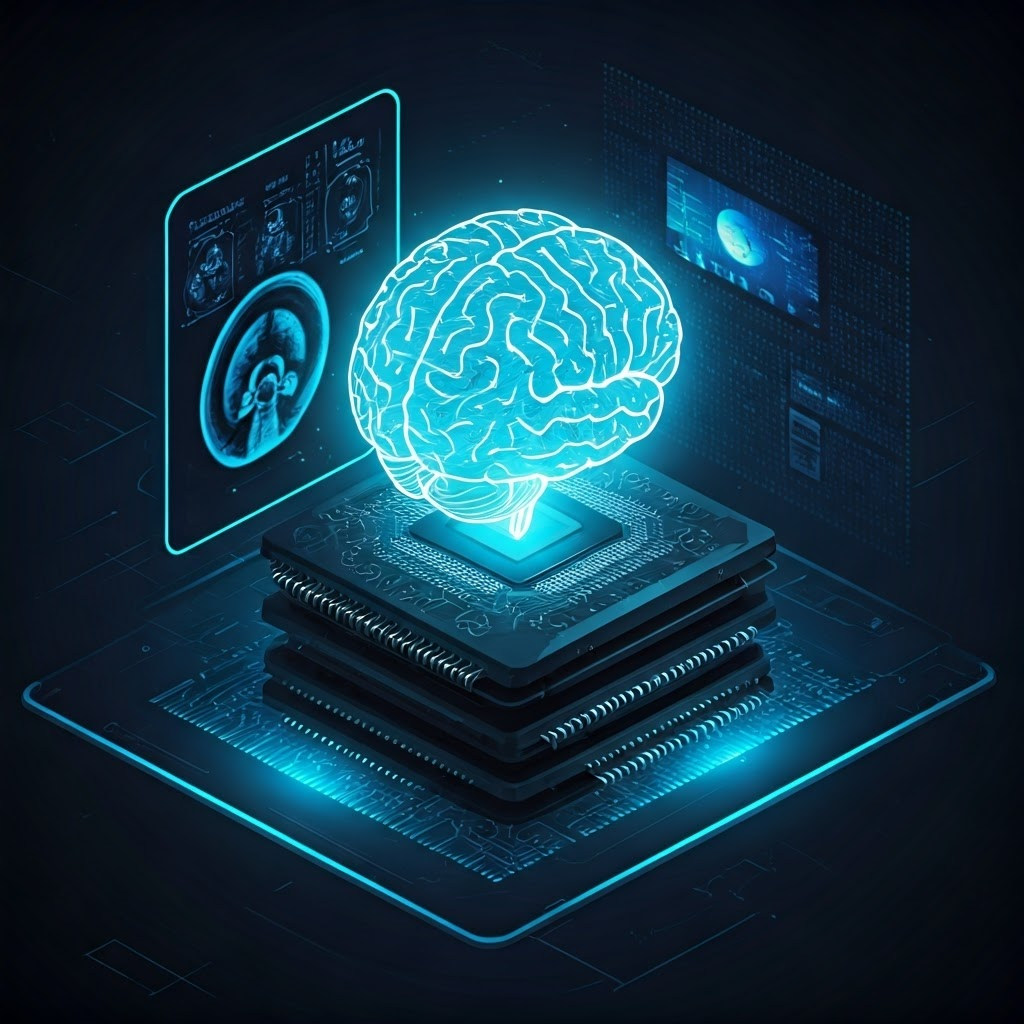
A glowing brain-shaped circuit sits on hardware chips as neon data streams race toward high-end GPUs.

The Hardware Race: Chips, Brains, and Beyond

AI runs on silicon. Specialized GPUs—AI accelerators—turn slow lanes into eight-lane highways, enabling instant video generation or rapid MRI analysis. Better chips mean faster results.

A cozy home shows a smart doorbell that recognizes faces locally while a phone displays edge-AI processing.

Edge chips move intelligence into phones, cameras, and appliances, boosting privacy and speed. Neuromorphic designs, inspired by the brain, hint at future AI that learns with minimal power—bringing powerful tools everywhere.

Autonomous traffic lights guide cars as an overlay tracks fairness, transparency, and control metrics.

Safety First: Can We Trust the Machines?

Smarter AI raises safety questions. Mistakes can mean a wrong flight booking or a flawed medical scan. Experts focus on fairness, transparency, and control. Too many rules stall progress; too few risk harm.
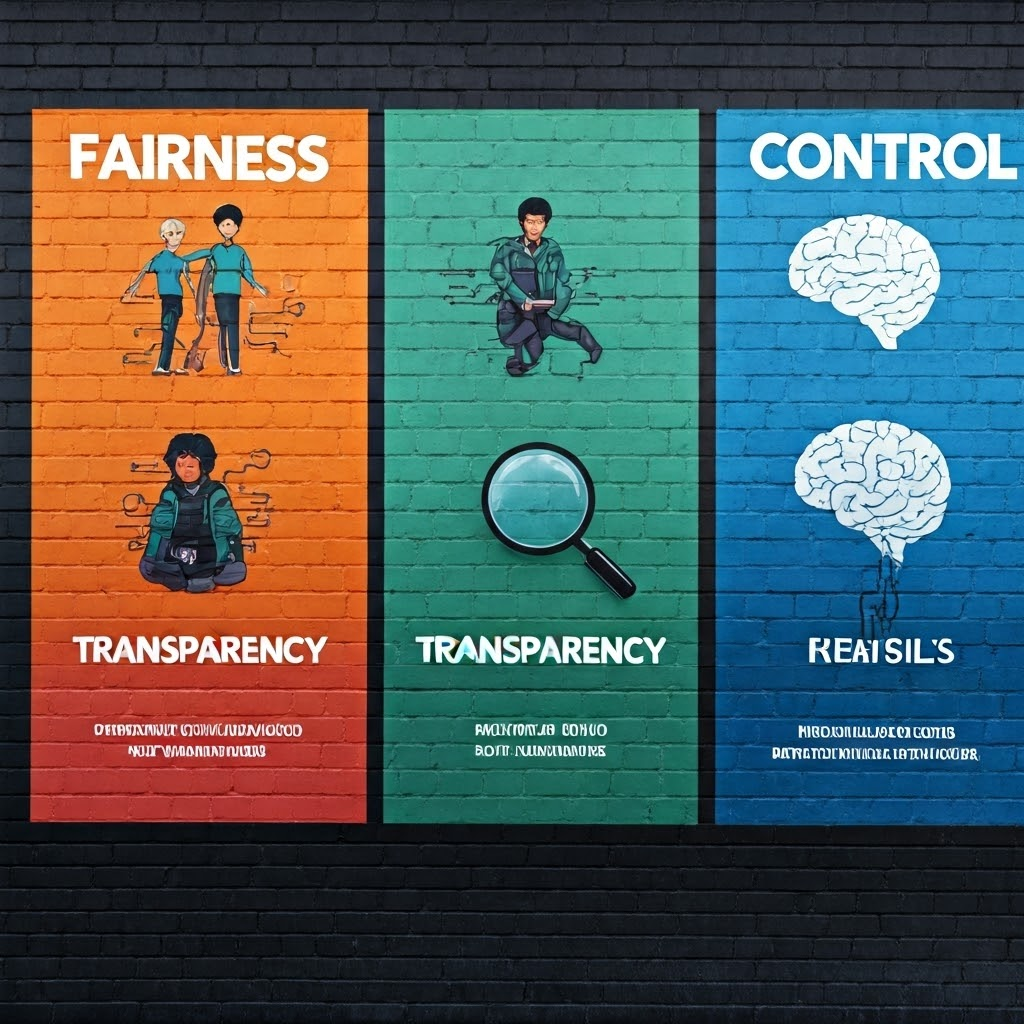
A graffiti-style mural shows panels for fairness, transparency, and human control over AI.

Governments push audits and red-team tests. As a user, stay alert. Question odd results. Wise, watchful use keeps AI an ally, not a hazard.

A person in a sunlit room studies floating icons labeled multimodal, agentic, open/closed, hardware, and safety.

AI’s shape—multimodal senses, agentic action, open-versus-closed debate, hardware leaps, and safety checks—is already woven into work, school, and play. Stay curious, stay critical, and ask what each new tool means today.


Tome Genius

Understanding the New Wave of AI

Part 10

Tome Genius

Cookie Consent Preference Center

When you visit any of our websites, it may store or retrieve information on your browser, mostly in the form of cookies. This information might be about you, your preferences, or your device and is mostly used to make the site work as you expect it to. The information does not usually directly identify you, but it can give you a more personalized experience. Because we respect your right to privacy, you can choose not to allow some types of cookies. Click on the different category headings to find out more and manage your preferences. Please note, blocking some types of cookies may impact your experience of the site and the services we are able to offer. Privacy Policy.
Manage consent preferences
Strictly necessary cookies
Performance cookies
Functional cookies
Targeting cookies

By clicking “Accept all cookies”, you agree Tome Genius can store cookies on your device and disclose information in accordance with our Privacy Policy.

00:00