

From Sweatshops to Solidarity: The Birth of the Labor Movement
In the late 1800s and early 1900s millions endured brutal shifts in factories mines and tenements. Men women and even children worked twelve hours for pennies while dust and disease filled the air. The deep split between workers and owners sparked the first stirrings of collective resistance.
Alone each person felt powerless. Together they saw a chance to challenge unfair practices and demand dignity. This new belief—shared strength—planted the roots of the labor movement.
Factories, Mines, and the Long Day
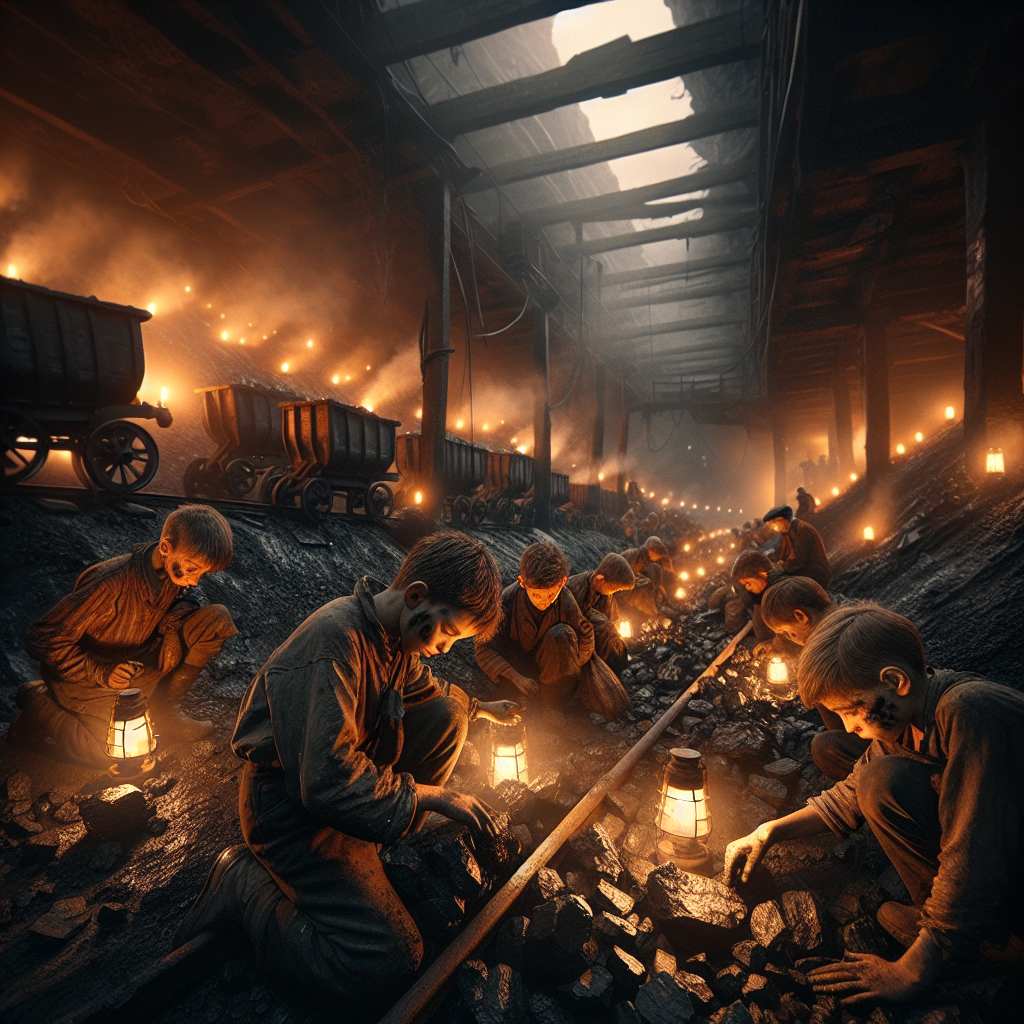
Before sunrise families left cramped rooms and rushed to clattering textile machines. Children as young as eight faced twelve-hour shifts. A late punch or minor injury meant fines or dismissal—hard blows for already fragile homes.
In the mines breaker boys spent endless hours picking coal. Their lungs blackened and fingers bled while explosions or cave-ins lurked. After work families returned to crowded tenements where disease spread fast. This relentless grind made reform urgent.
Why Organize? The First Sparks
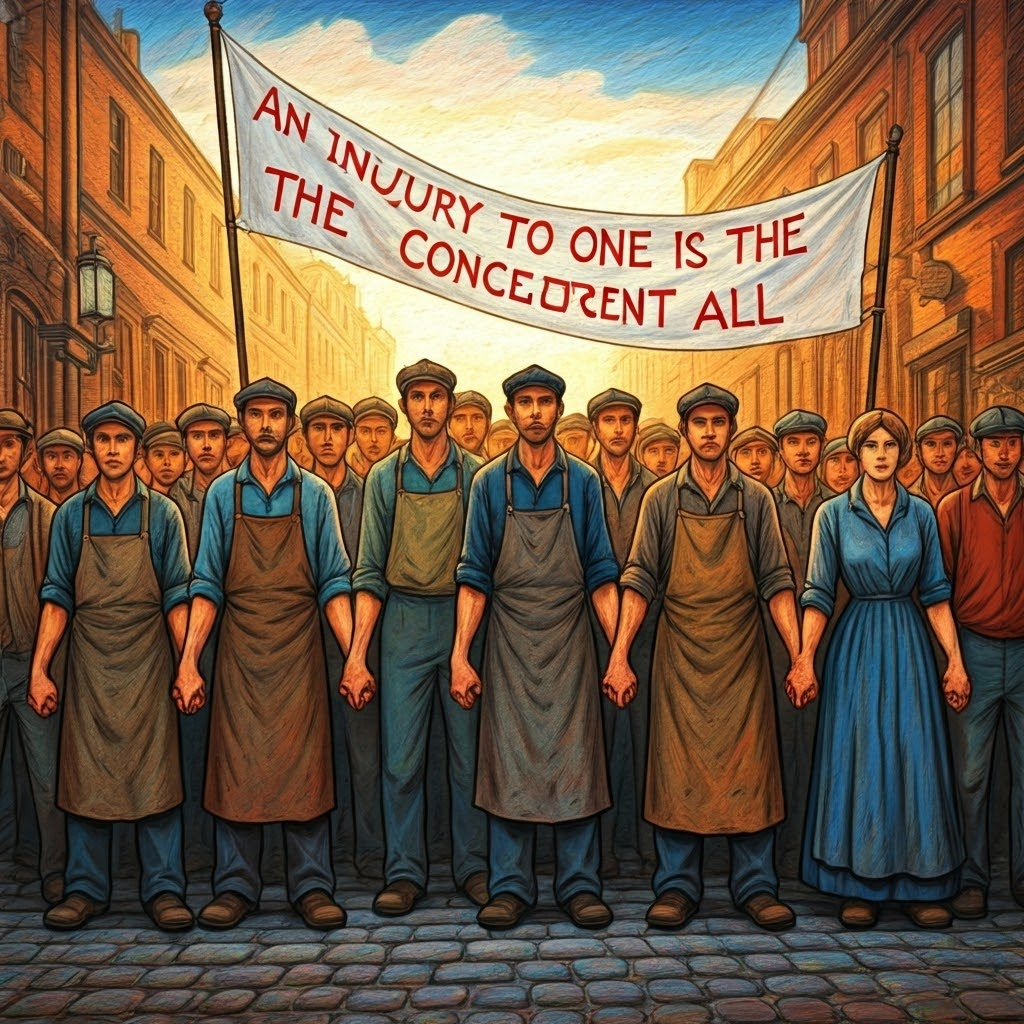
Standing shoulder to shoulder men and women asked: what if we stop until bosses listen? That simple idea—solidarity—became union fuel. The Knights of Labor welcomed all trades under the motto “An injury to one is the concern of all.”
The American Federation of Labor soon followed, focusing on skilled workers. Courts labeled unions conspiracies and sent strikebreakers to crush walkouts. Each setback taught fresh strategies, showing collective action could win shorter hours, fairer pay, and respect.
Finding a Voice: Songs, Newspapers, and Cartoons
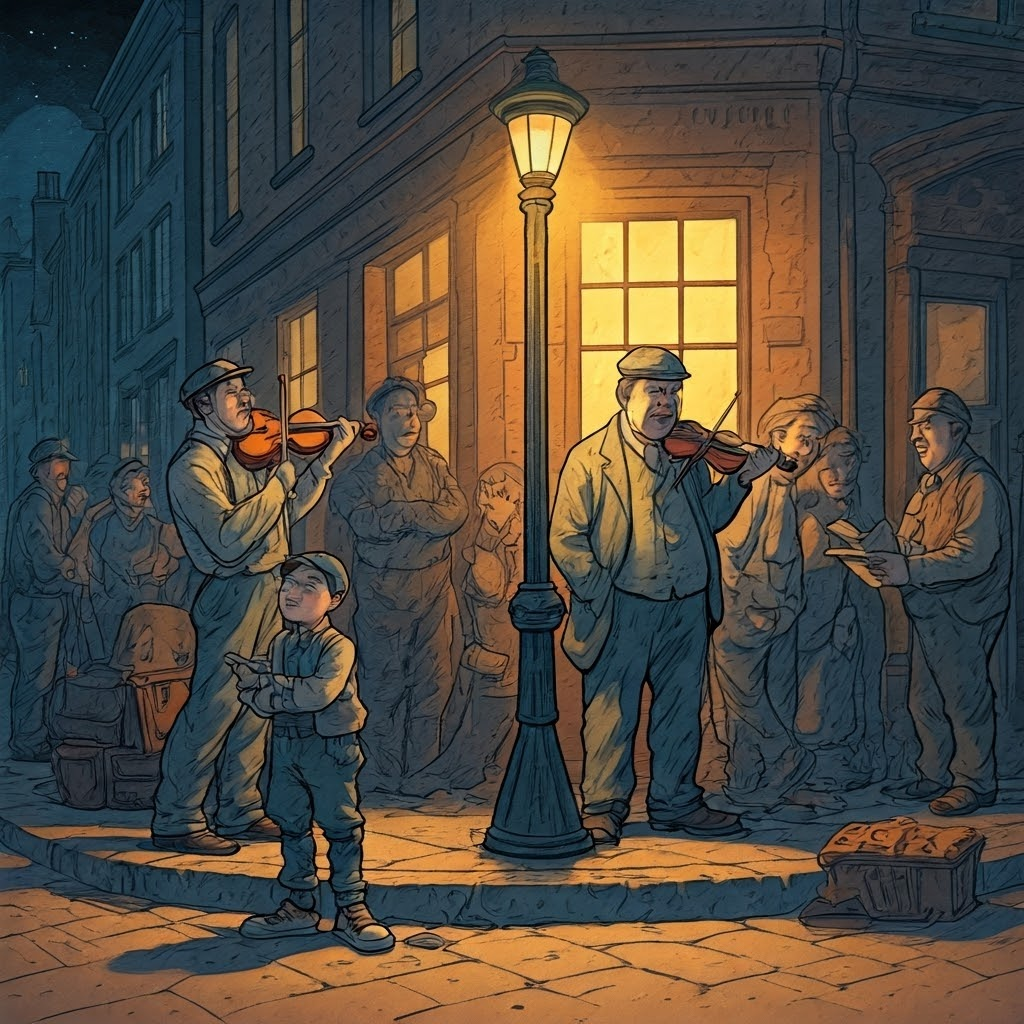
Music print and art united dispersed crews. Songs like “Bread and Roses” and “Solidarity Forever” gave marches rhythm and hope. Worker-run papers spread strike news, poems, and calls to action.
Cartoons captured injustice in one glance—a cigar-puffing boss towering over hungry kids. These creative tools built a shared identity, even among readers with limited literacy.
The Spark That Caught
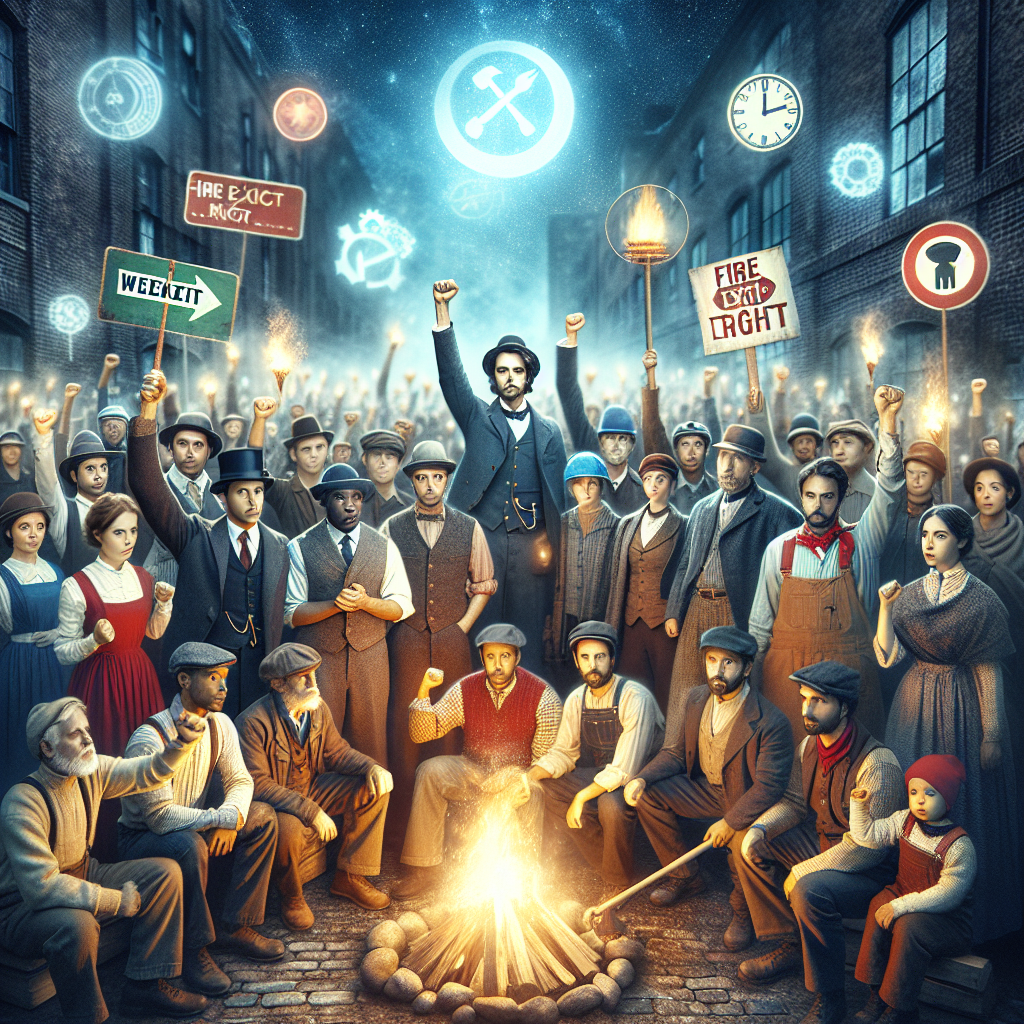
Victories began small—shorter shifts safer gear limited child labor—but each win inspired the next. Marches strikes and shared stories spread a bold message: suffering was not destiny.
That spirit jumped from shop floor to shop floor. Weekends fire exits and paid leave we enjoy today trace back to those first acts of solidarity. When people find their voice and stand together they ignite movements that reshape society.
