
Finding the Source: The Spark of Renaissance Curiosity
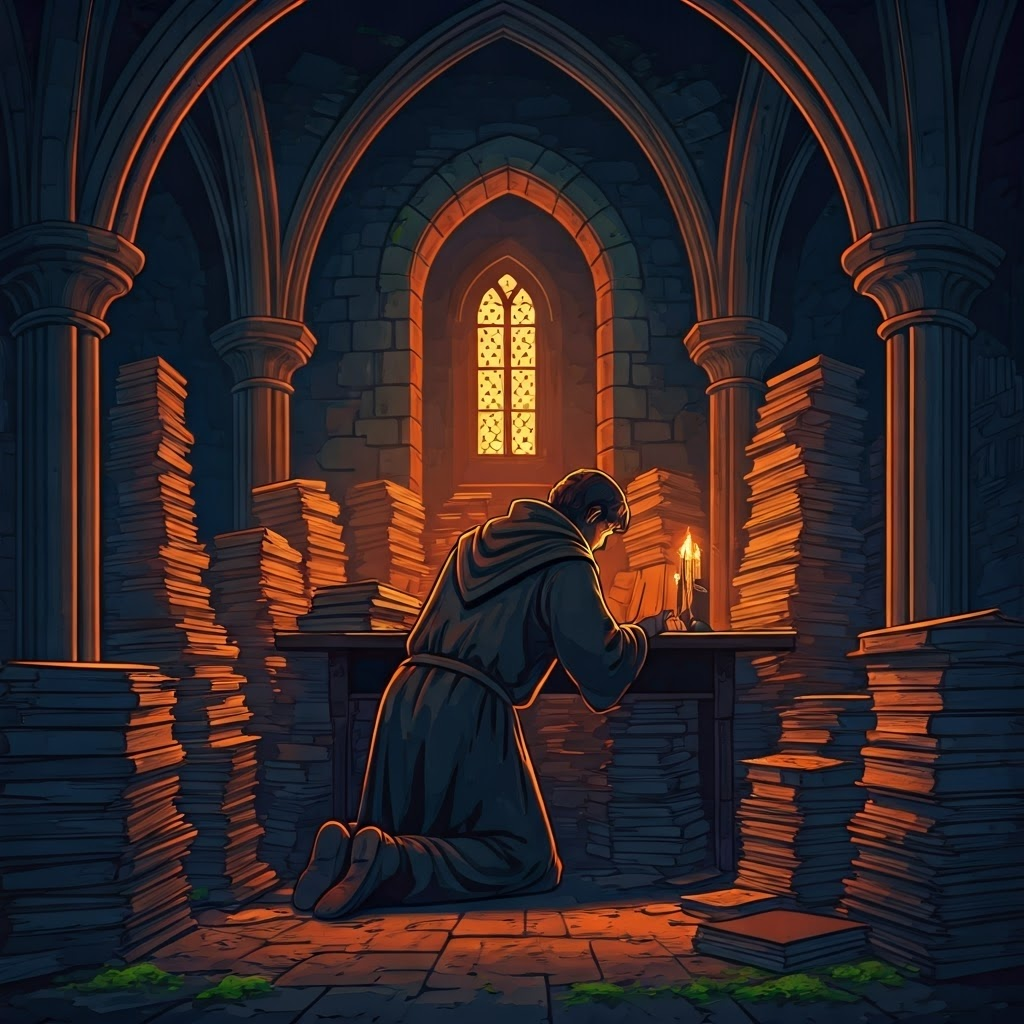
Petrarch urged scholars to seek ad fontes—to go straight to the original texts instead of trusting second-hand summaries.
He lived in a Europe where most people knew Caesar or Cicero only through church commentaries. Petrarch sensed the gap. He believed direct reading would reveal voices that still felt alive and urgent.
To close that gap, he started hunting for lost manuscripts. He combed monasteries, libraries, and private trunks. Each discovery felt like meeting a friend from another age—one who could still guide modern minds.
Petrarch and the Call to the Sources

Earlier readers treated ancient works as moral props. Petrarch saw living conversations. Finding a letter by Cicero thrilled him because it showed real doubts, jokes, and ambitions.
Historian Anthony Grafton calls this curiosity the fuel of the Renaissance. As new texts surfaced, friends shared them. One recovered book sparked another search, and the habit spread quickly across Europe.

Petrarch’s letters radiate longing for wisdom and impatience with his own era. By praising original texts, he pushed readers to test every accepted idea—and to ask better questions.
Cicero, Seneca, and the Return of the Ancients
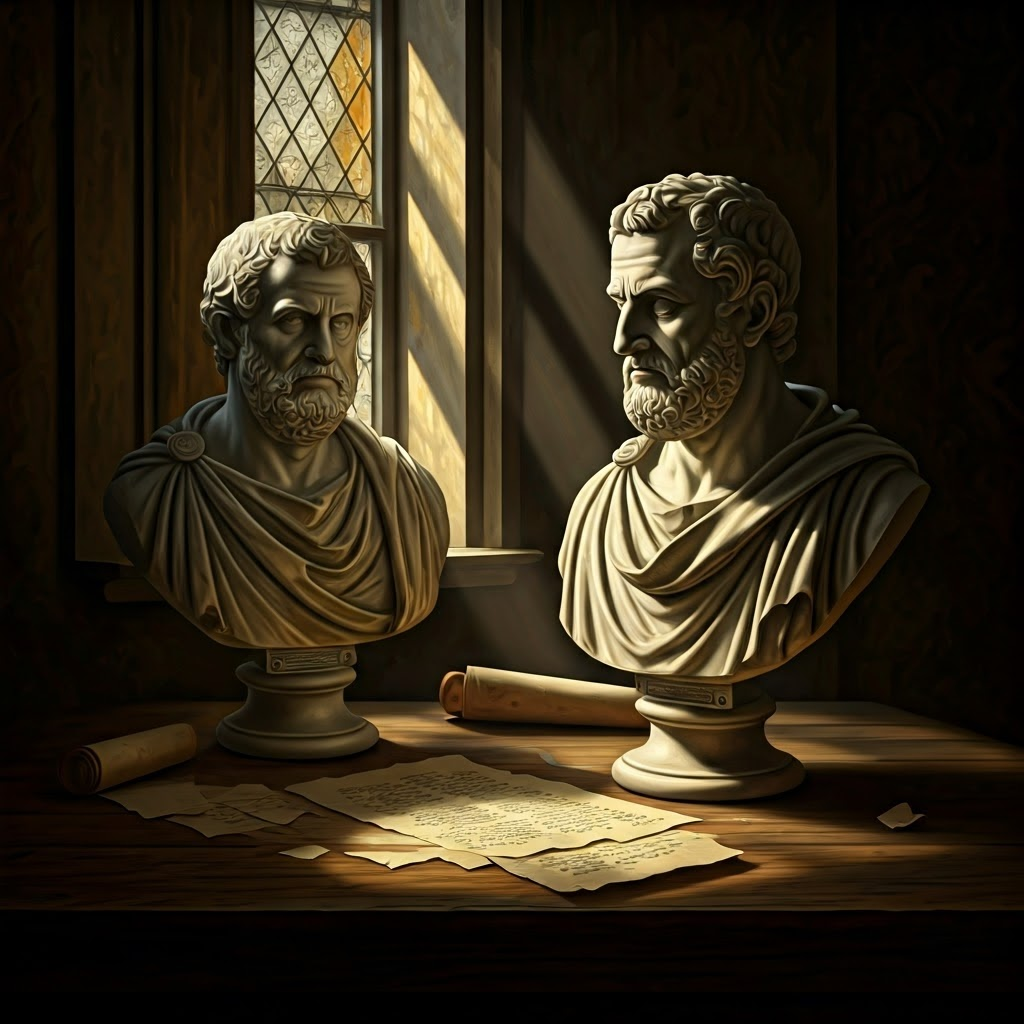
The full works of Cicero re-entered circulation first. His lively letters inspired writers to abandon stiff Latin and craft prose that sounded like conversation.
Seneca followed. His calm guidance on anger and grief slipped into new essays, sermons, and early self-help tracts. Scholars blended Cicero’s sparkle with Seneca’s steady advice.
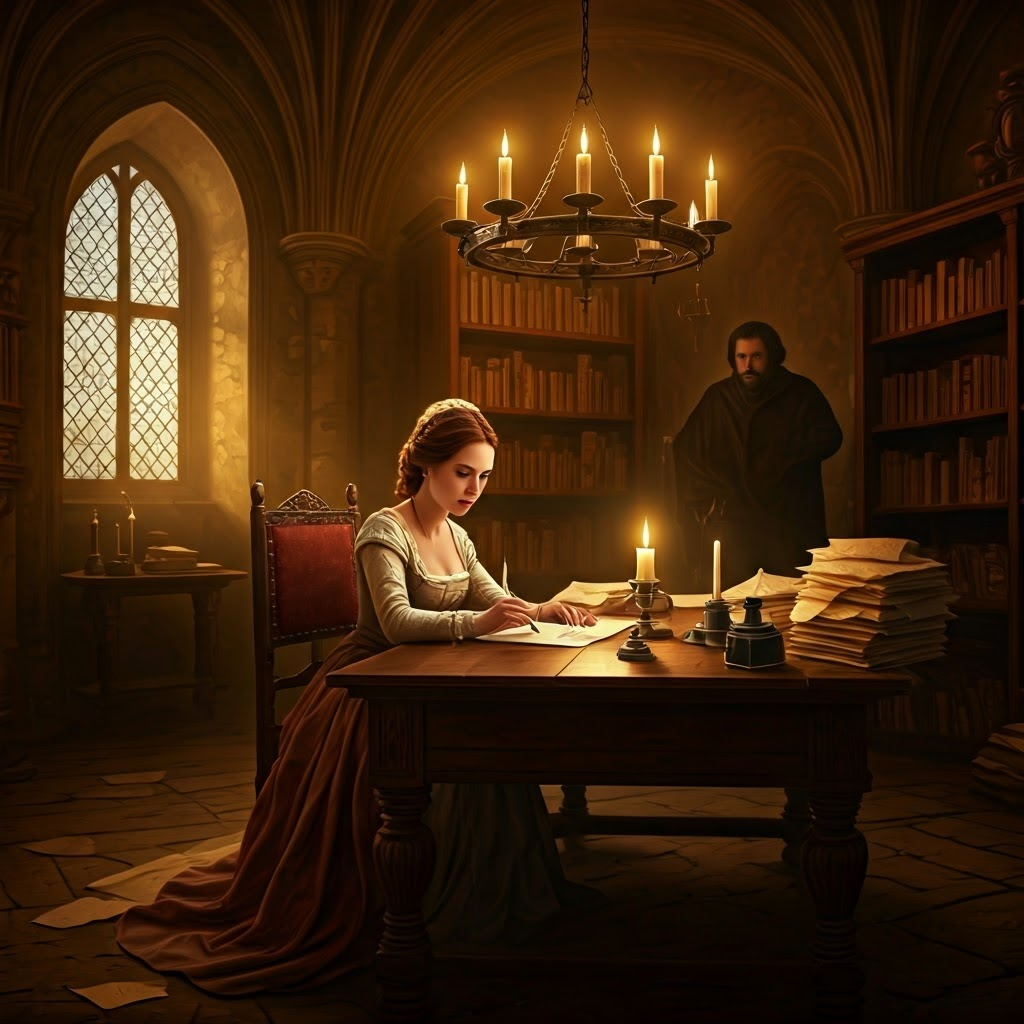
Laura Cereta adopted this fresh tone. She argued for women’s education with the same confidence Cicero used in politics. Her bold voice showed that classical models could serve new groups.
Florence: The City of Civic Humanism
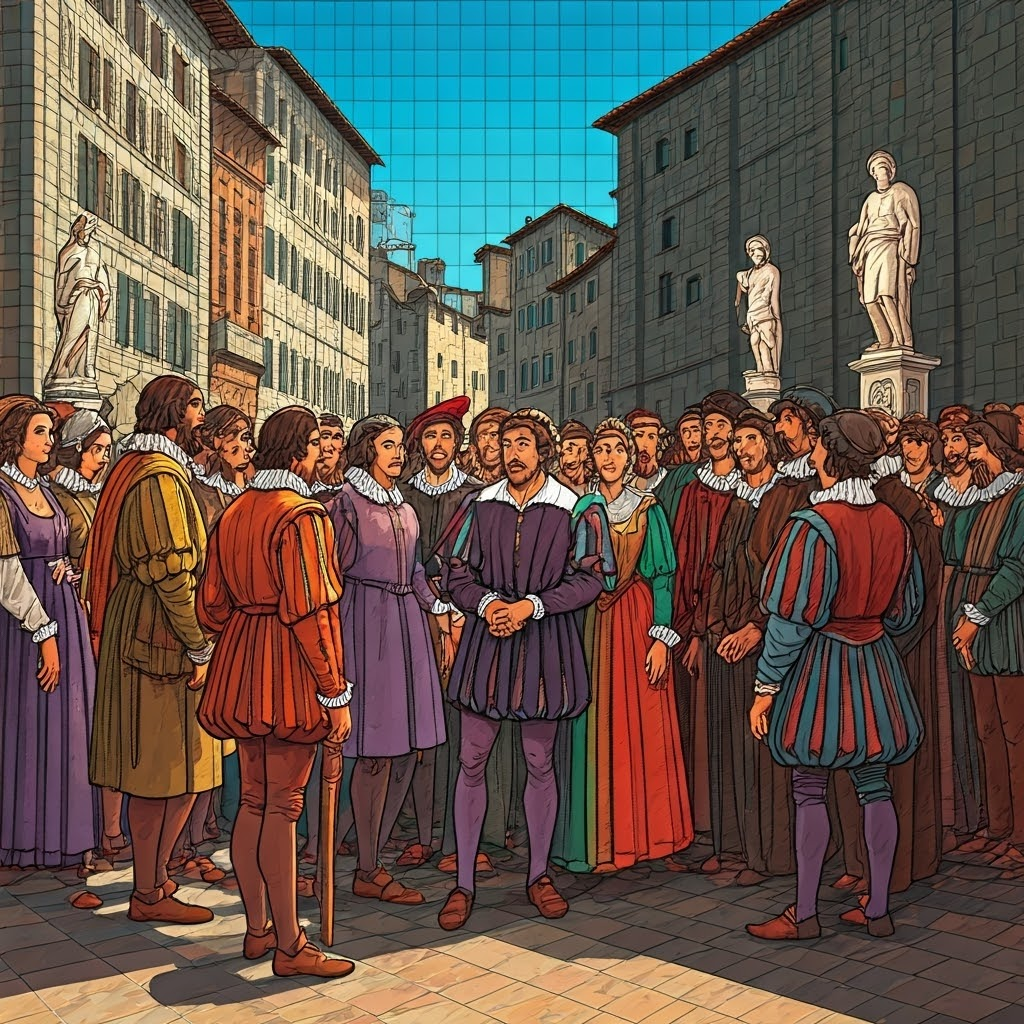
Florence turned scholarship into action. Civic humanism held that knowledge must improve city life, not stay locked in books.
Scholars met officials in marketplaces and council halls. They debated justice, liberty, and taxation where everyone could listen.

Leonardo Bruni, the city’s chancellor, modeled the ideal. He mixed Cicero’s rhetoric with local politics, proving that public service and scholarship could reinforce each other.
Historians like Paul Kristeller note that this blend made humanism social, not just academic. Books and policy walked the same streets.
Letter-Writers and the Spread of New Ideas

Letters moved faster than printed books. Friends copied passages, asked questions, and challenged views. This network carried Renaissance energy beyond city walls.
Cereta’s correspondence proves the point. She used private pages to press public issues—education, rights, moral duty. Each reply kept the intellectual fire alive.
What began with dusty manuscripts grew into a movement that reshaped European thought. Readers dared to form their own styles, question easy answers, and see civic life as a shared project. The spark of Renaissance curiosity still glows wherever minds reach back to move forward.
