
Behind Closed Doors: The Lives of Women in Athens and Rome
Who Was She? Status and Identity of Women
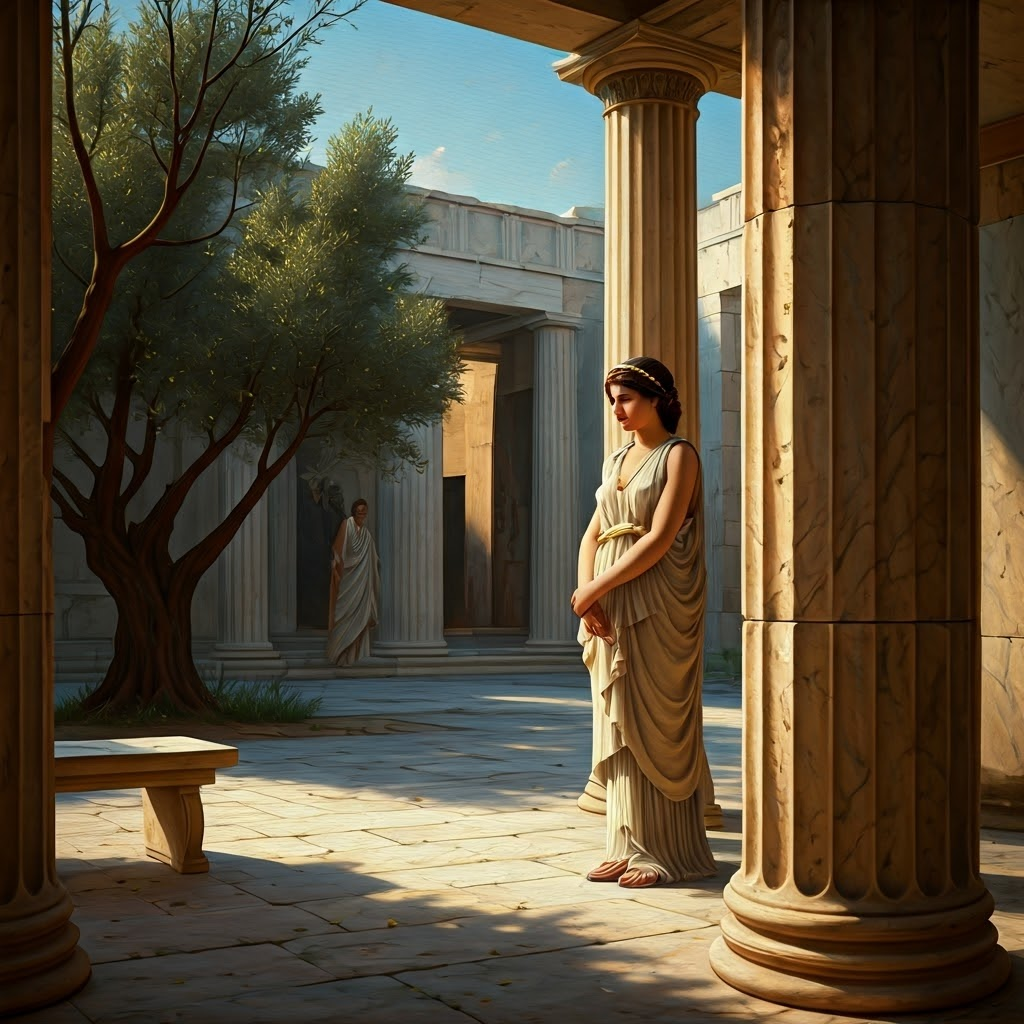
Status in Athens or Rome decided nearly everything for a woman—from freedom to daily power. Only a few were born as full citizens. In Athens, citizenship through both parents mattered, yet women stayed legal minors for life and never spoke in politics, always under a guardian.
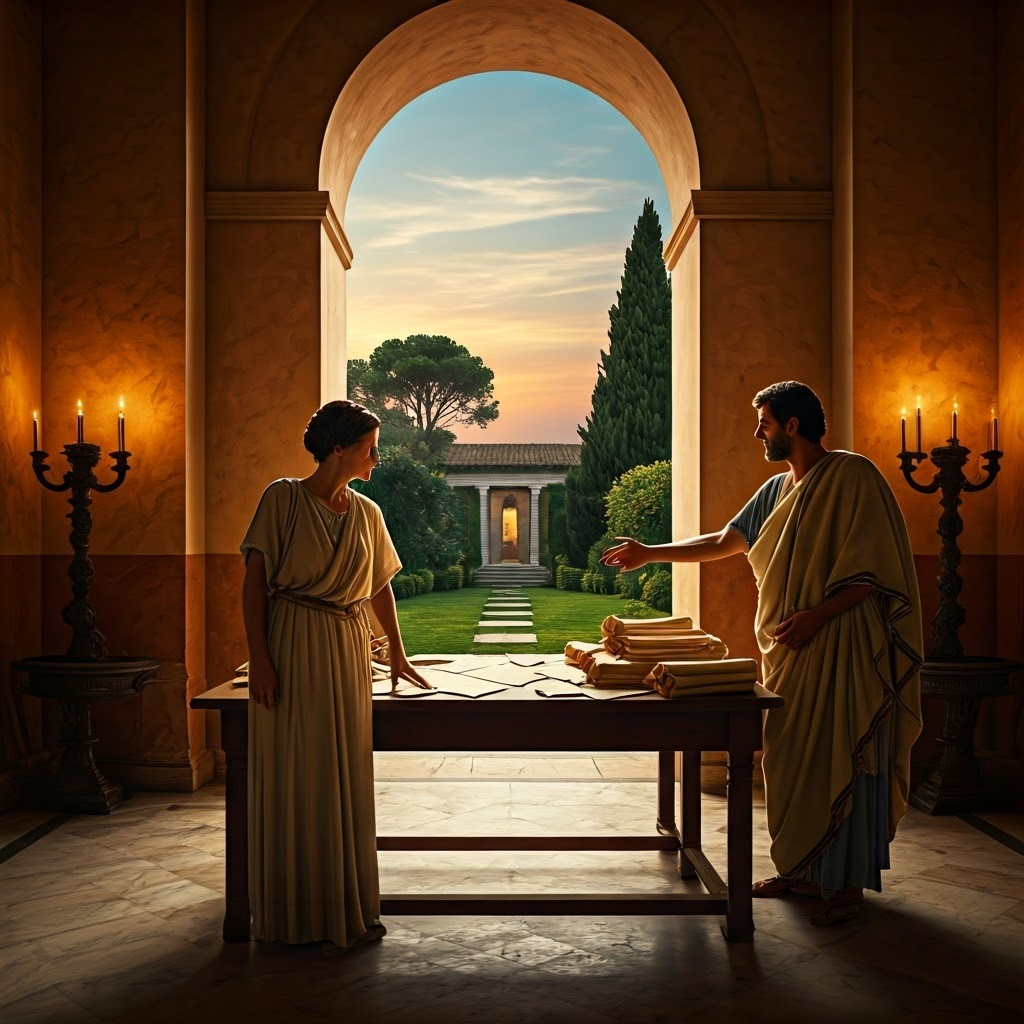
Rome allowed a bit more room. A freeborn civis Romana could own property and sign contracts, yet she still shifted from her father’s power to her husband’s—or sometimes remained under her father. The Gortyn Law Code shows some Greek states offered safeguards like dowry returns after divorce.
Marriage, Money, and Guardianship
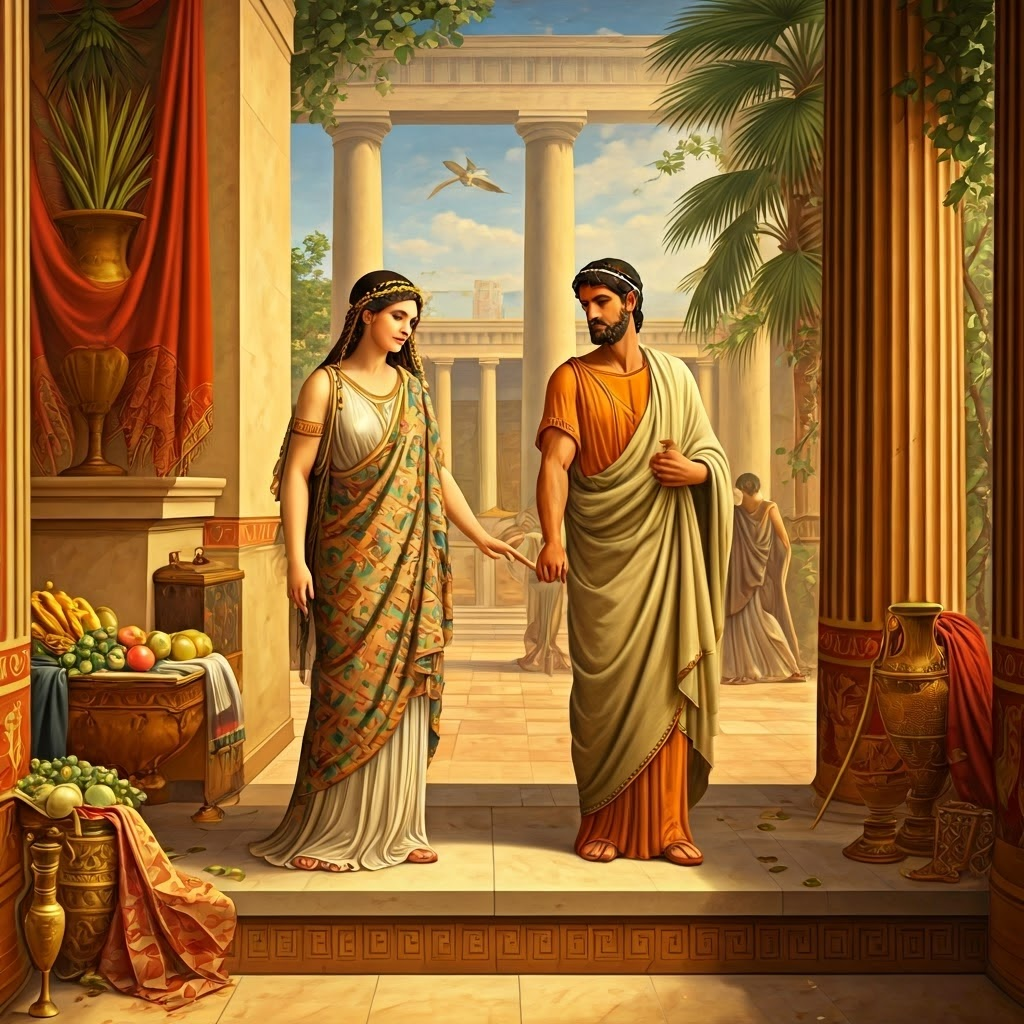
Marriage served families first and emotions second. A dowry—cash, land, or goods—secured the wife’s support if widowed or deserted. Control of that dowry usually rested with the husband’s side. Divorce was possible, yet a woman needed her kyrios and risked losing her children.
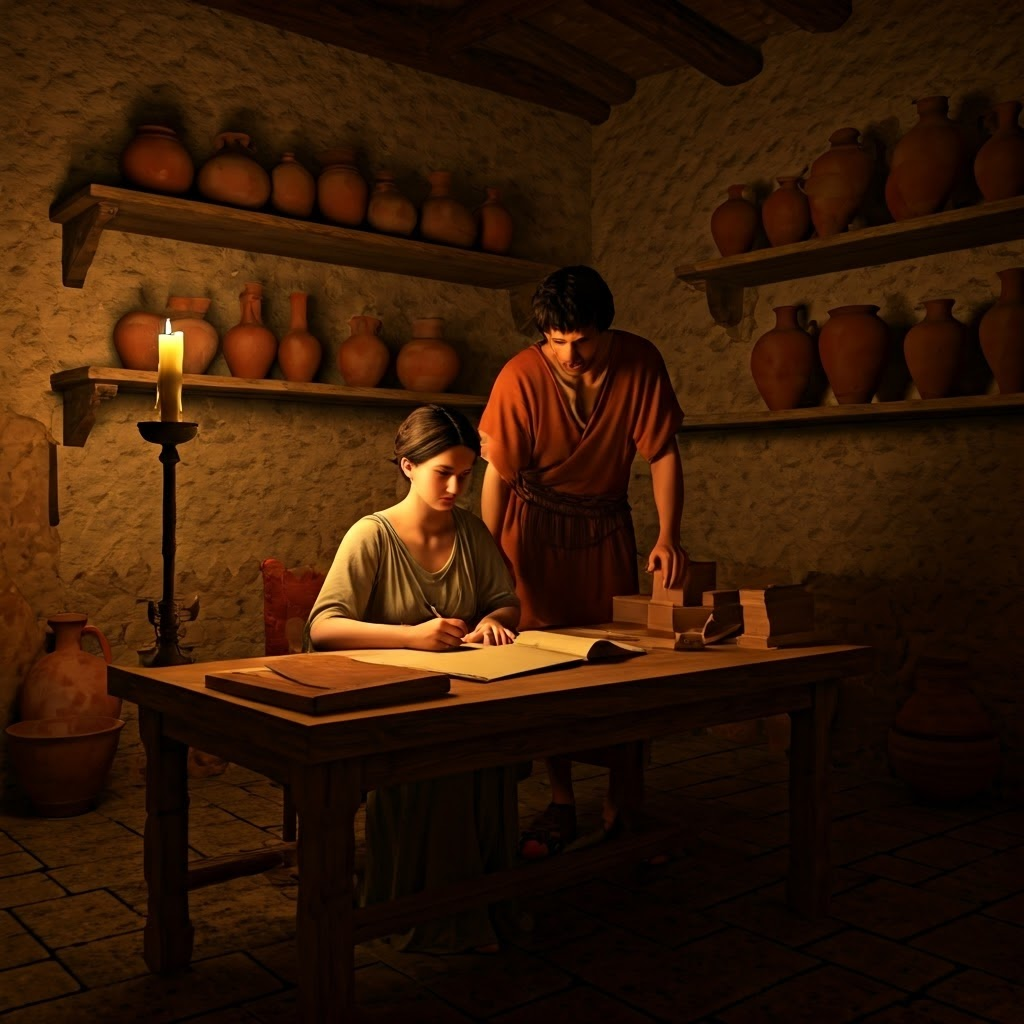
Guardianship stayed constant in Athens; only widows with adult sons escaped it. In Rome, a mother of three or more might gain legal freedom. Still, families tried to retain female assets, guiding marriages and property so wealth stayed inside the clan.
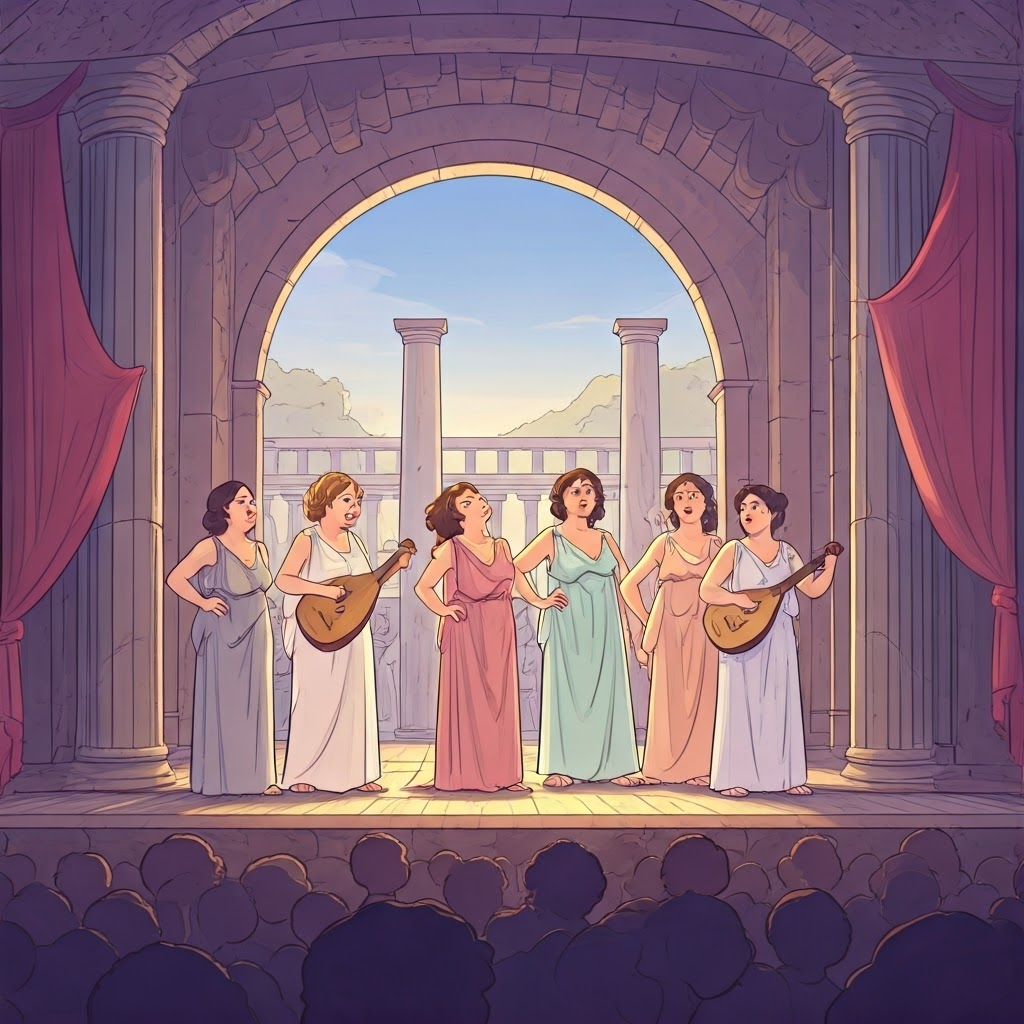
Women in Literature: From Sappho to Livia
Male authors often shaped female figures to serve their own messages. Aristophanes’ Lysistrata shows women halting war through a sex strike—clever yet clearly a comic fantasy about gender power.
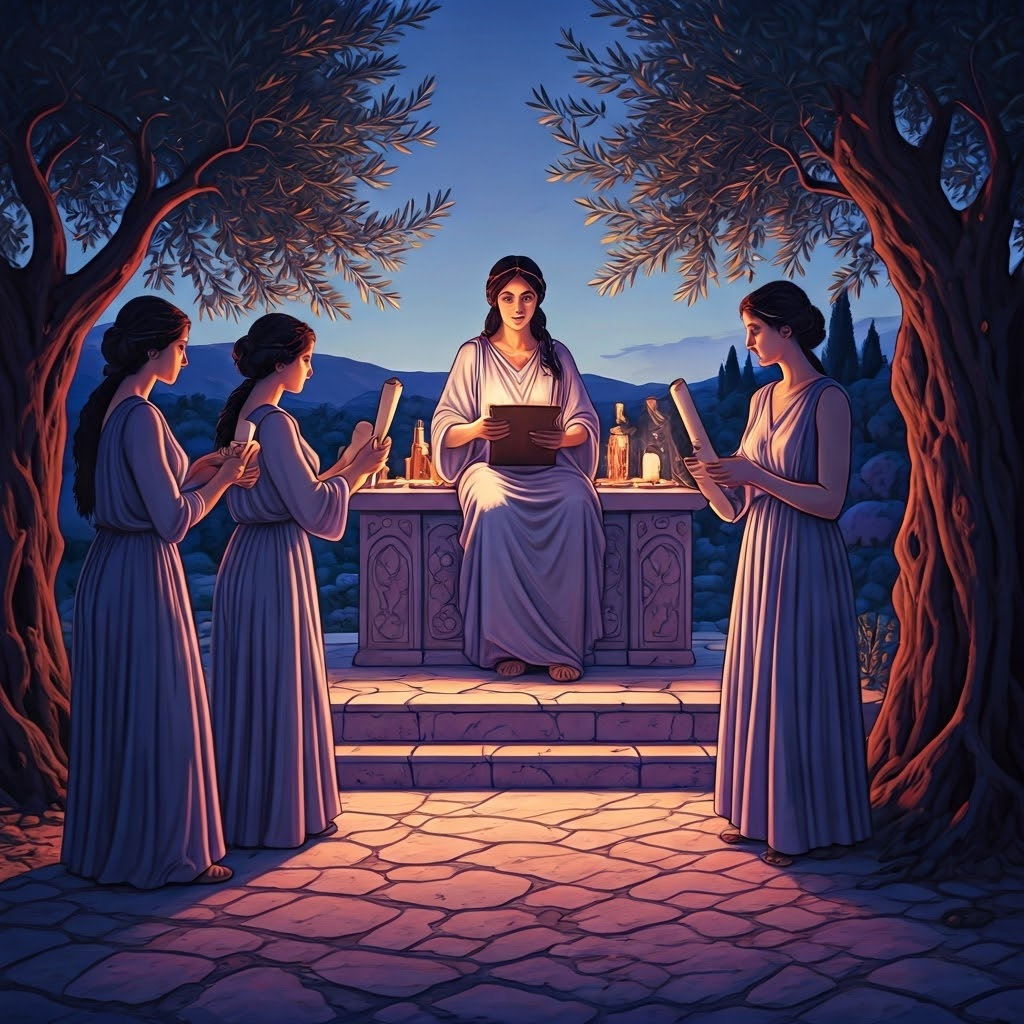
Sappho’s fragmented poems reveal female friendships, longing, and ritual. Later Roman writers praised Cornelia as the ideal mother and painted Livia as a hidden force beside Augustus. The real women sit between praise and suspicion, their voices filtered by others.
Reading the Stones: Archaeology and Everyday Life
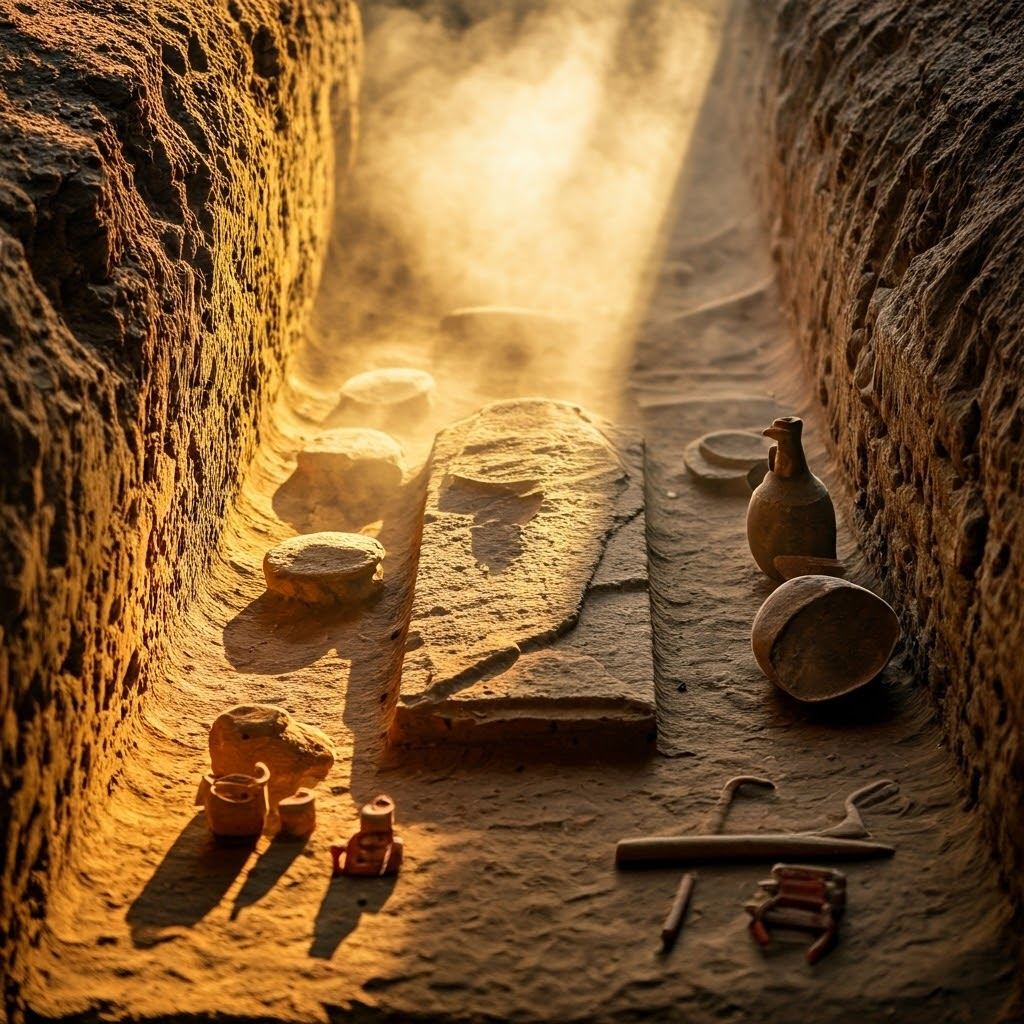
Objects speak when texts fall silent. Grave goods—looms, perfumes, toys—show home‐centered work such as weaving and childcare. These finds match writers who praised an ideal wife as manager of the oikos.
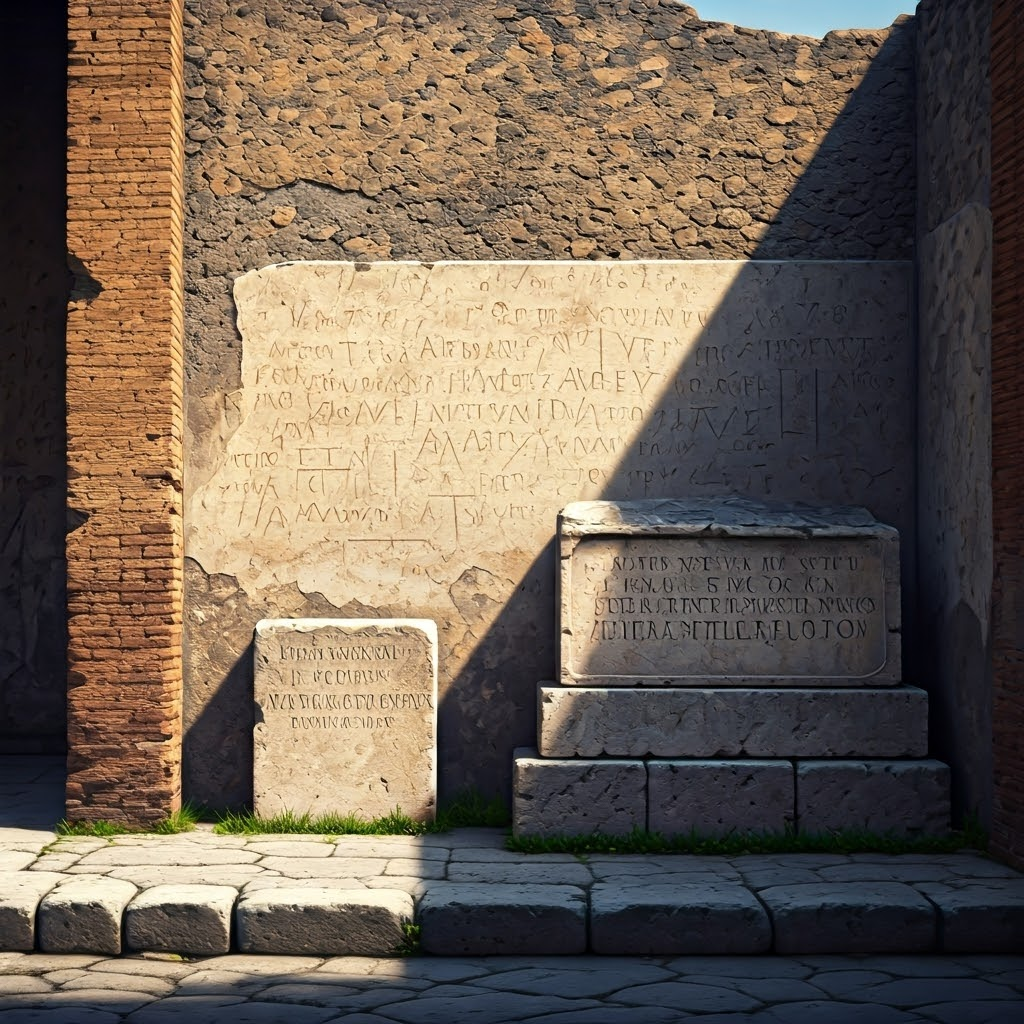
Roman tombstones often add detail: “She kept the house” or “skilled midwife.” Pompeian graffiti records love notes and shop ads, showing women who stepped into public tasks despite legal limits. Some graves mix tools and jewelry, suggesting women who ran workshops or farms.
Piecing It Together: The Problem with Sources
Surviving texts come mainly from elite men writing for men. Laws, speeches, and comedies reveal bias more than daily truth, while archaeology fills gaps unevenly. Historians cross‐check, question motives, and compare sites to build a cautious yet richer picture.
Each discovery adds a puzzle piece. Together they show women living under strict rules yet still shaping families, work, and community. Their stories—long kept behind closed doors—now reemerge through patient research and careful listening.
