
Allies, Deals, and Quiet Power Moves
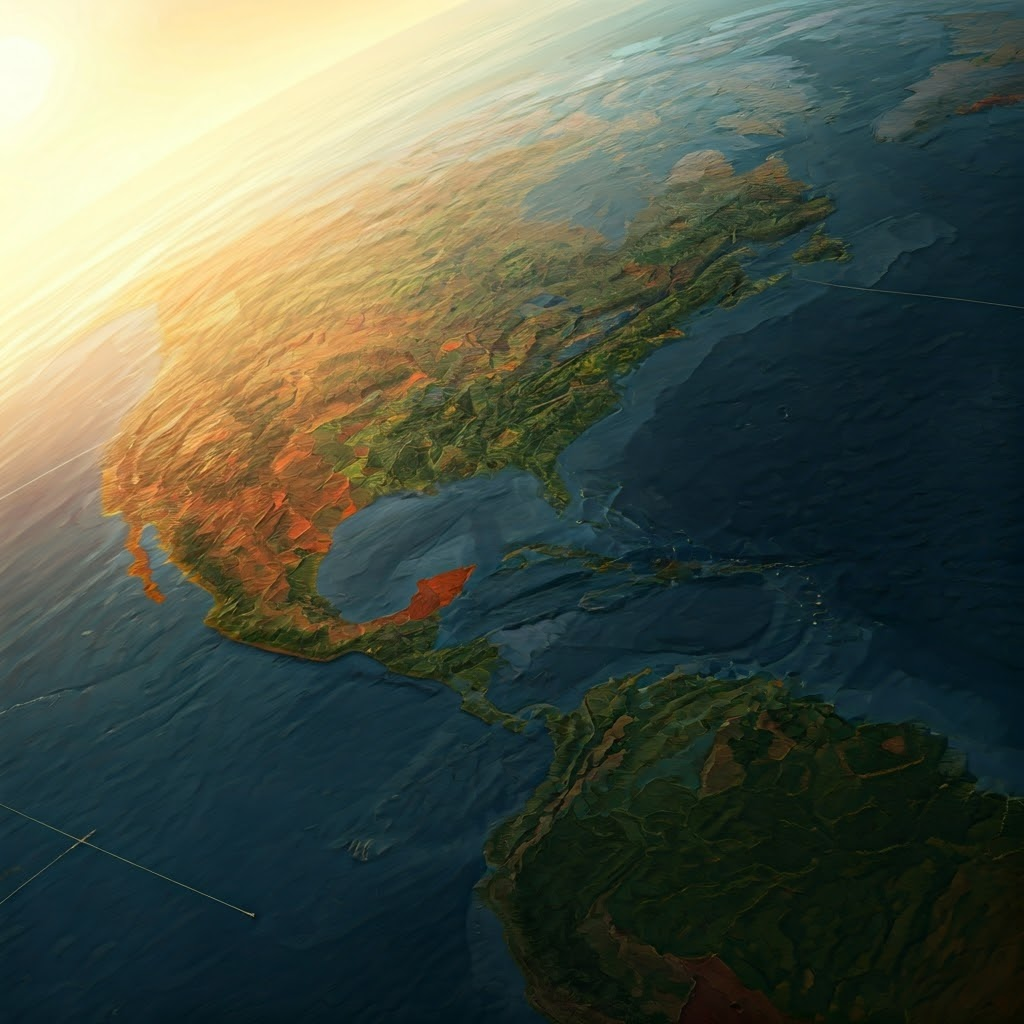
Picture the Americas before Europeans appeared. The landscape already held borders, rivalries, and old grudges. Dozens of nations traded, argued, and survived together. When the newcomers landed, each community could fight, flee, or negotiate. Many tried all three, yet the shrewdest chose to talk from a position of strength.
Making Friends and Influencing Empires
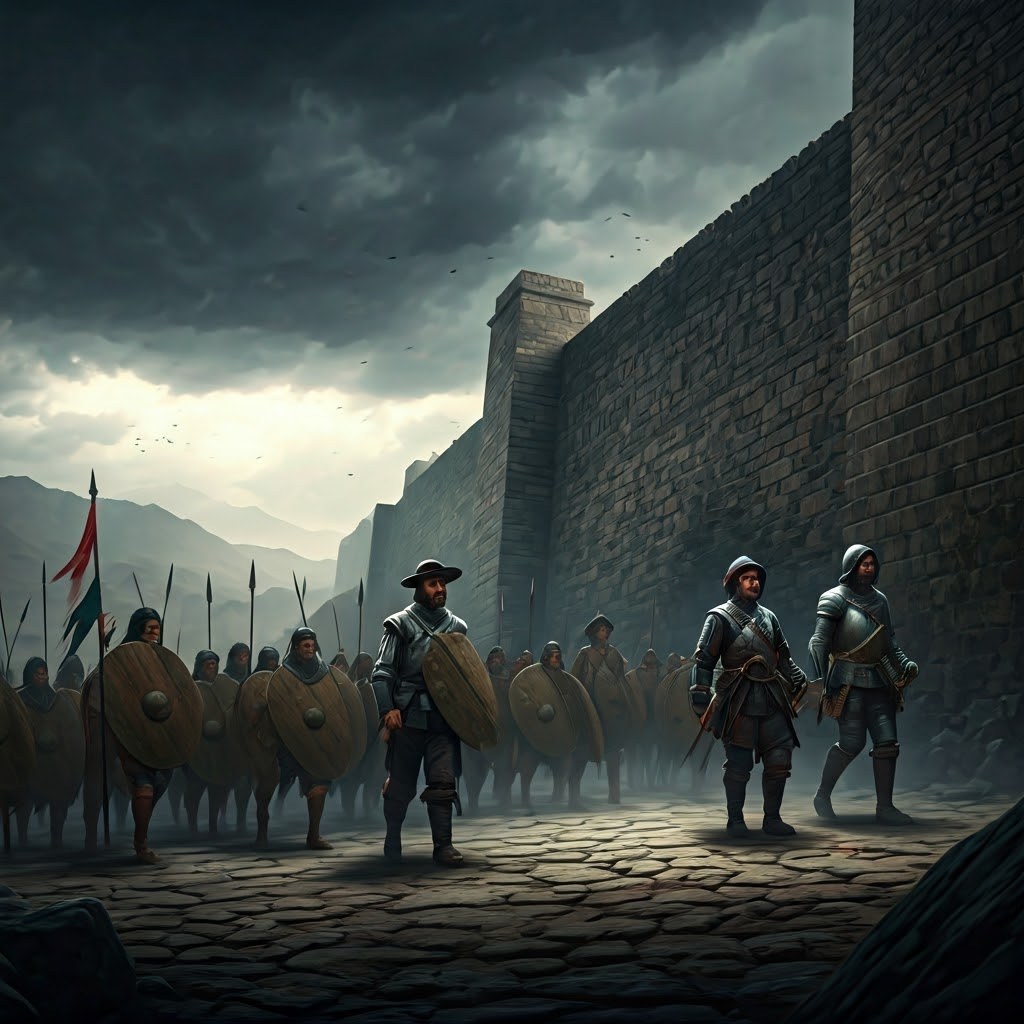
The Tlaxcalans held a powerful city-state in central Mexico. They had battled the Aztecs for generations and wanted an edge. When Hernán Cortés arrived in 1519, they first fought him, then paused. They saw a chance to ally and tip the balance. Thousands of Tlaxcalan fighters, guides, and supplies helped topple the Aztec Empire. In return, Tlaxcala kept lands and privileges for decades—proof that smart deals could outperform pure force.
Making Friends and Influencing Empires
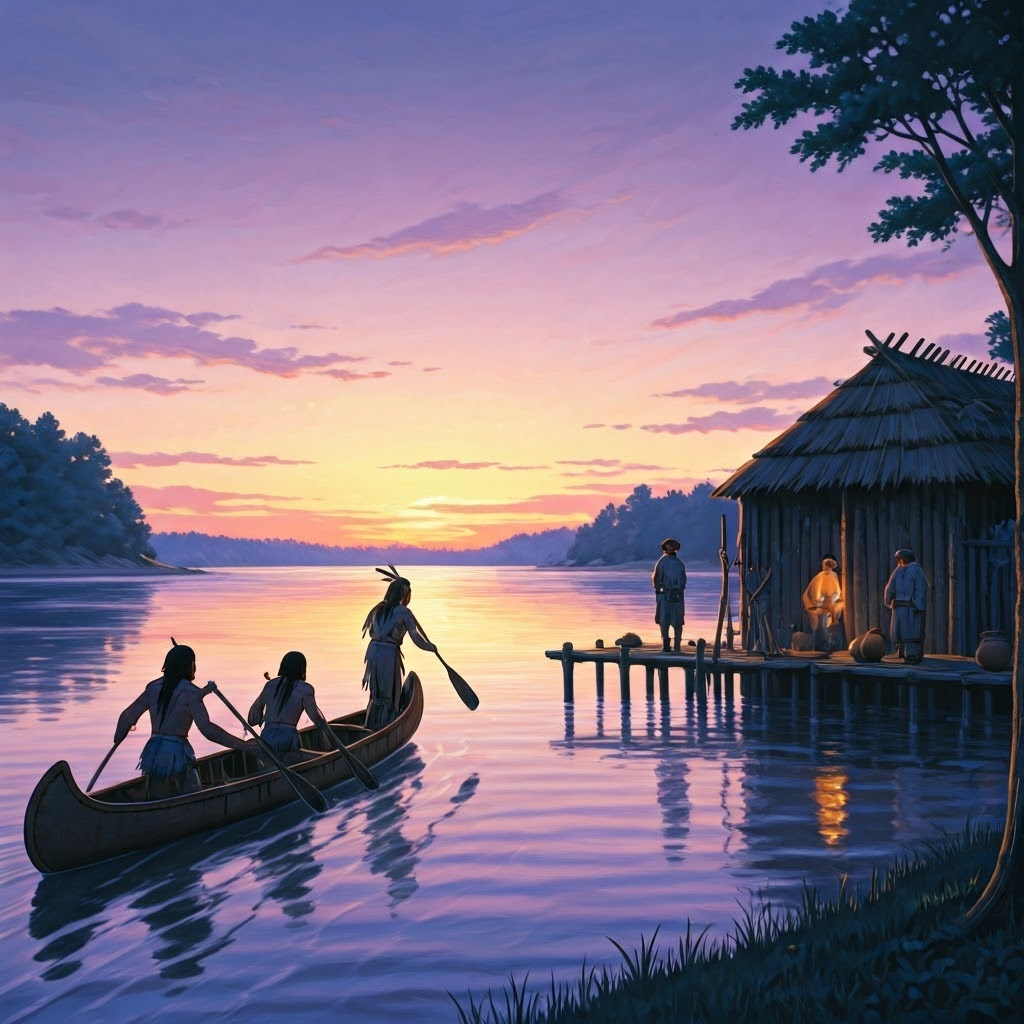
Along Virginia’s coast, the Powhatan Confederacy watched the weak Jamestown settlers struggle. Chief Wahunsenacawh shared food, arranged marriages, and pulled the English into his network. This soft-power approach let him guide trade and diplomacy while the newcomers depended on native support. When English strength grew, the balance shifted, yet years of savvy negotiation had already protected Powhatan interests.
Making Friends and Influencing Empires

Alliances promised food, weapons, and security in a world rocked by disease and upheaval. Risks remained: broken promises or rising rivals. Tribes traded with the Dutch for guns, partnered with French fur companies, or played Europeans against each other. Each move showed that strategy mattered as much as courage.
Women at the Table
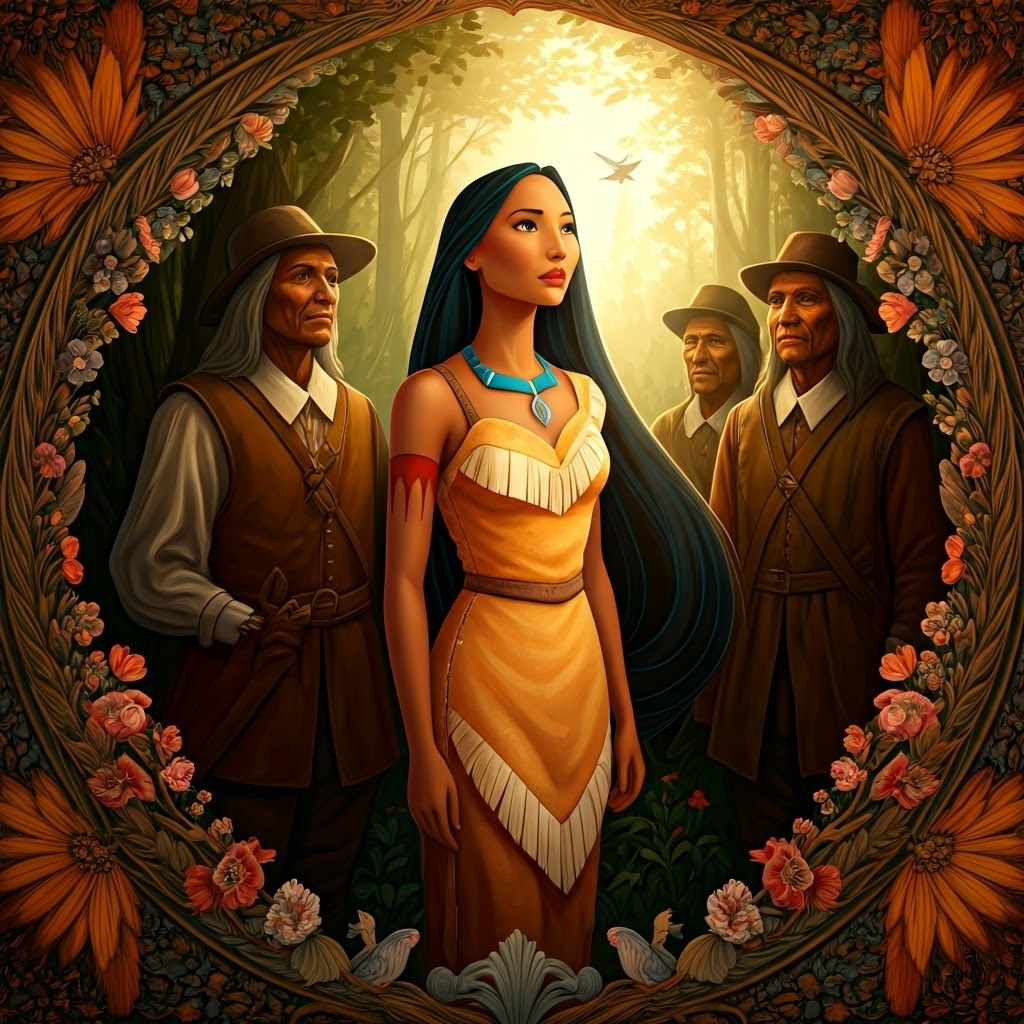
Textbooks spotlight male leaders, but women often steered diplomacy. Pocahontas used charm, languages, and daring to smooth conflicts. Her role as a mediator turned tense moments into dialogue, proving that quiet influence could redirect history.
Women at the Table
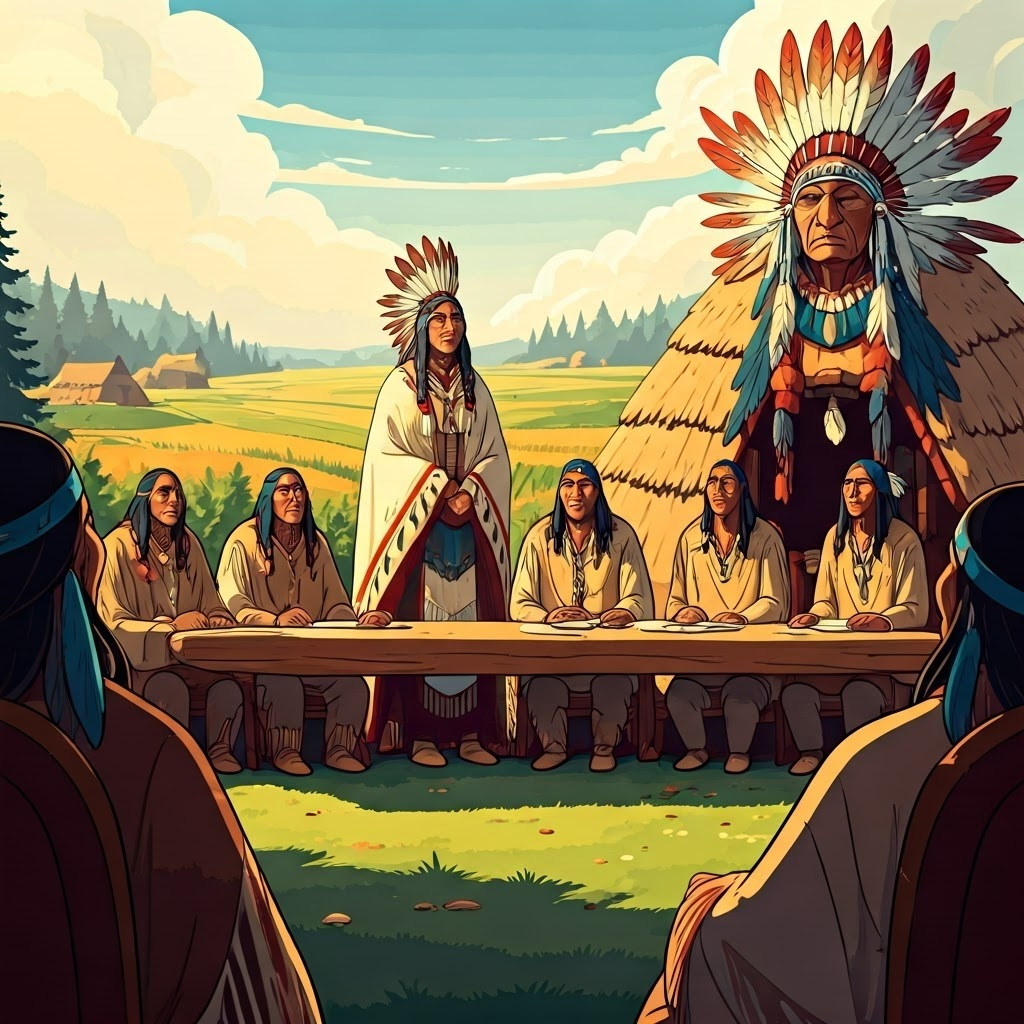
Across the continent, women held crucial knowledge of kinship and protocol. Iroquois clan mothers picked chiefs and set war or peace. Plains women arranged marriages to cement alliances. Some served as translators or envoys, their decisions often preventing bloodshed.
Trading, Raiding, and Rearranging the Map
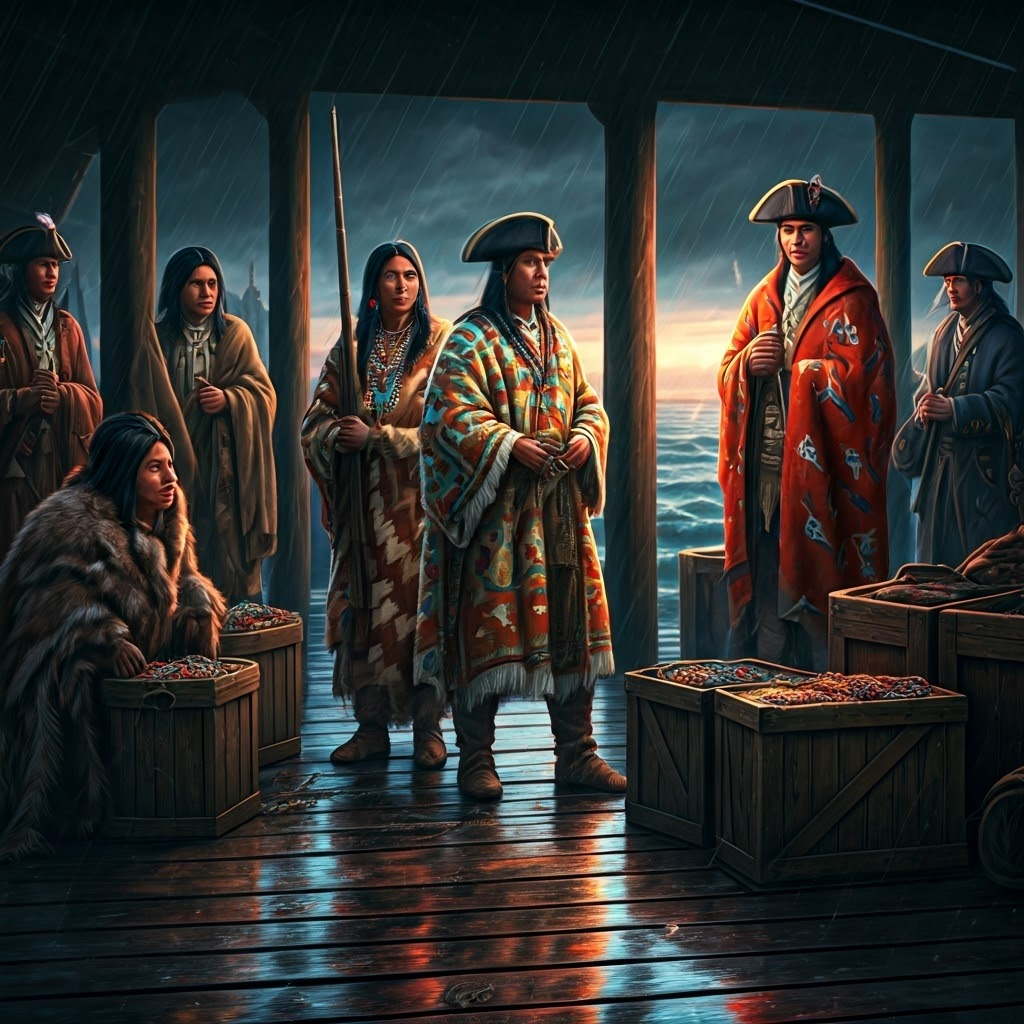
Trade reshaped maps faster than flags did. Metal tools, beads, and guns flowed inland. Control of fur grounds gave the Huron and Haudenosaunee sudden economic clout. Old rivalries hardened, yet fresh partnerships formed wherever a profit beckoned.
Trading, Raiding, and Rearranging the Map
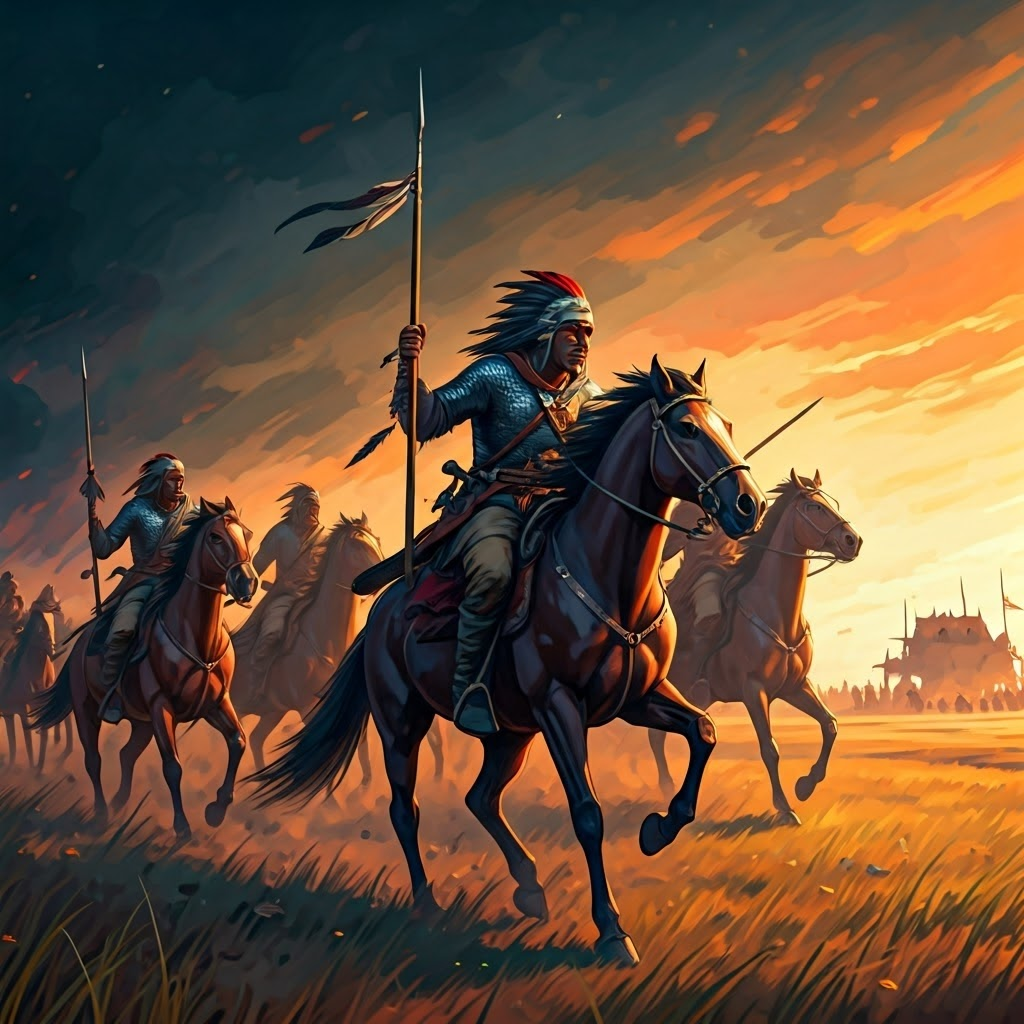
When blocked from goods, some nations raided neighbors or posts. These raids followed clear rules and fed a bustling network that stretched across the Great Plains. Violence served economic goals, showing how raiding could be calculated business, not random chaos.
Trading, Raiding, and Rearranging the Map
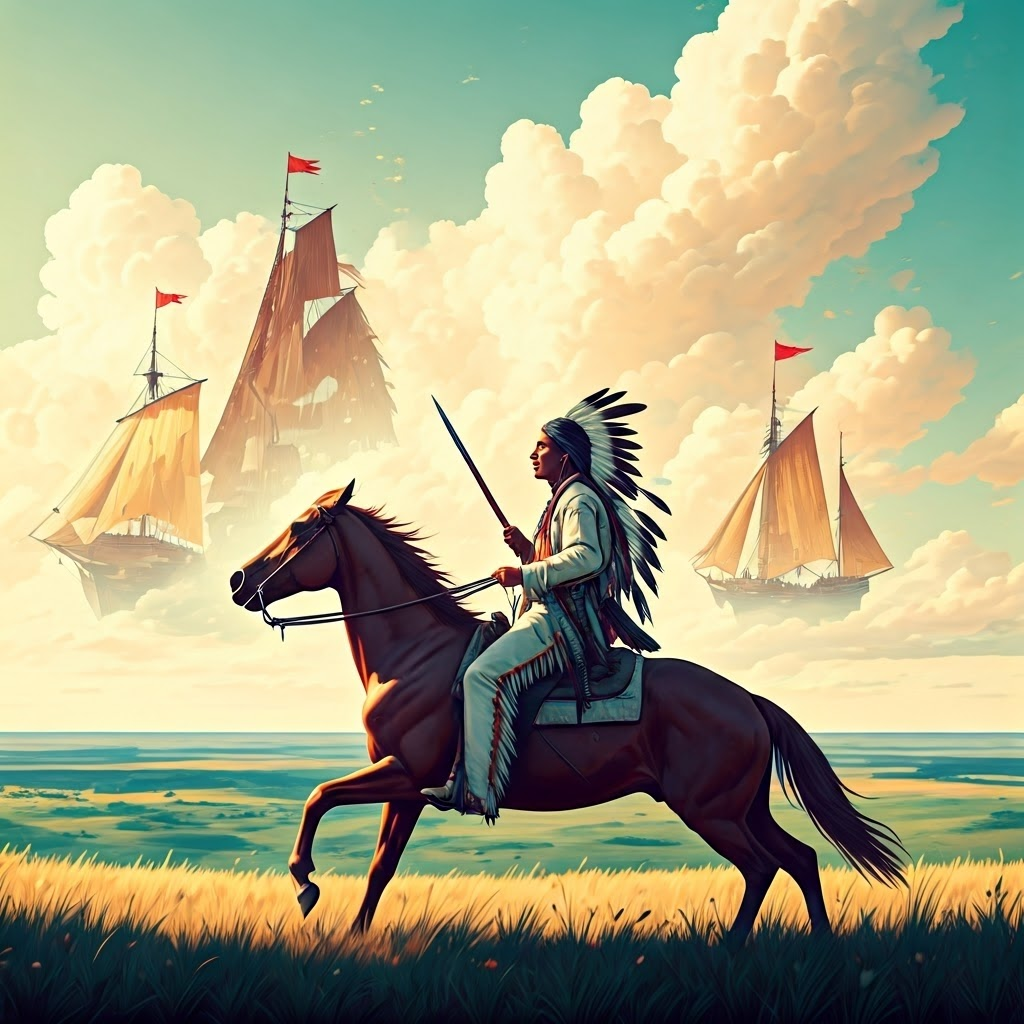
Horses stolen or traded from the Spanish turned the Comanche into dominant riders. Mobility let them direct migration and trade, even restricting European expansion. One crucial resource flipped regional power in a single generation.
What Quiet Power Really Means
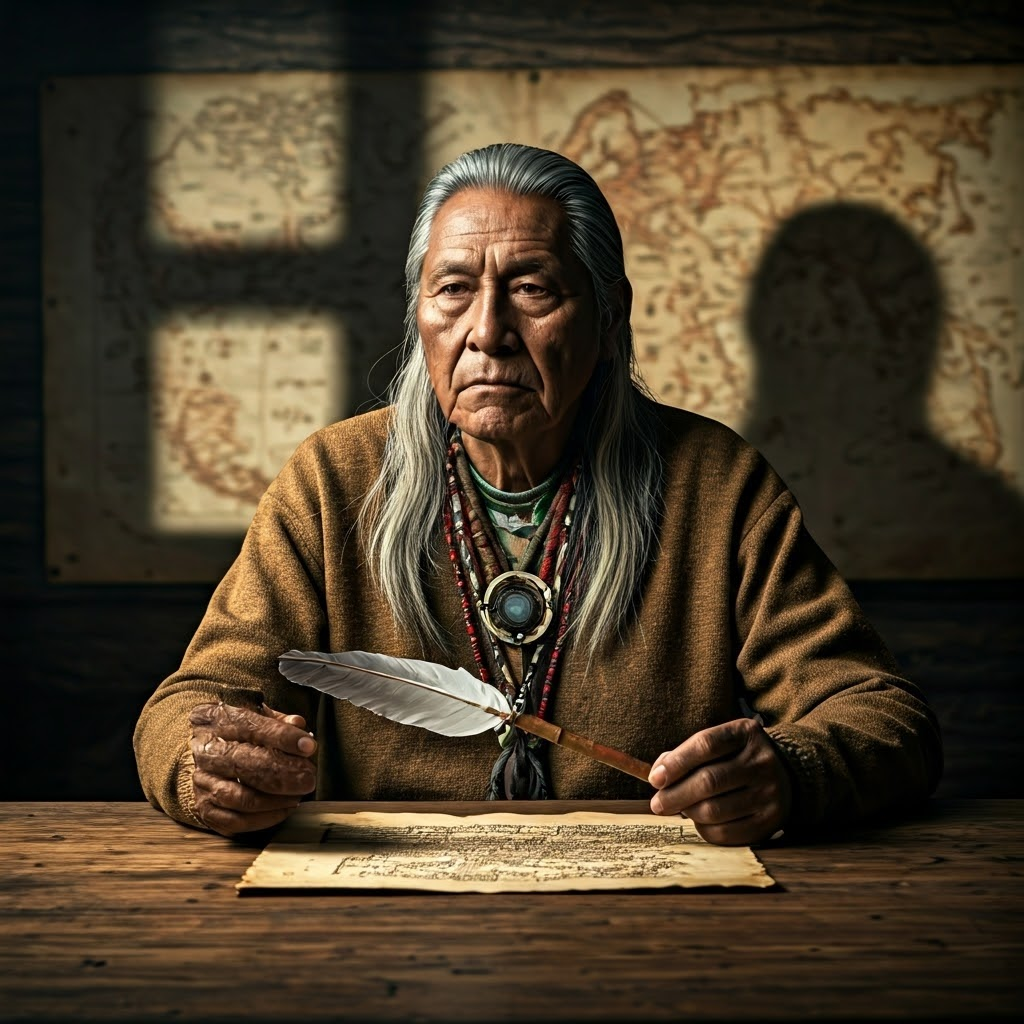
Exploration is often painted as ships and speeches, yet the decisive moves were subtle. Every treaty, gift, or whispered promise reflected deep calculation. Native peoples mastered these negotiations, shaping continents through patient, quiet power—an approach that still guides successful partnerships today.
