Rivals, Riches, and Restless Minds
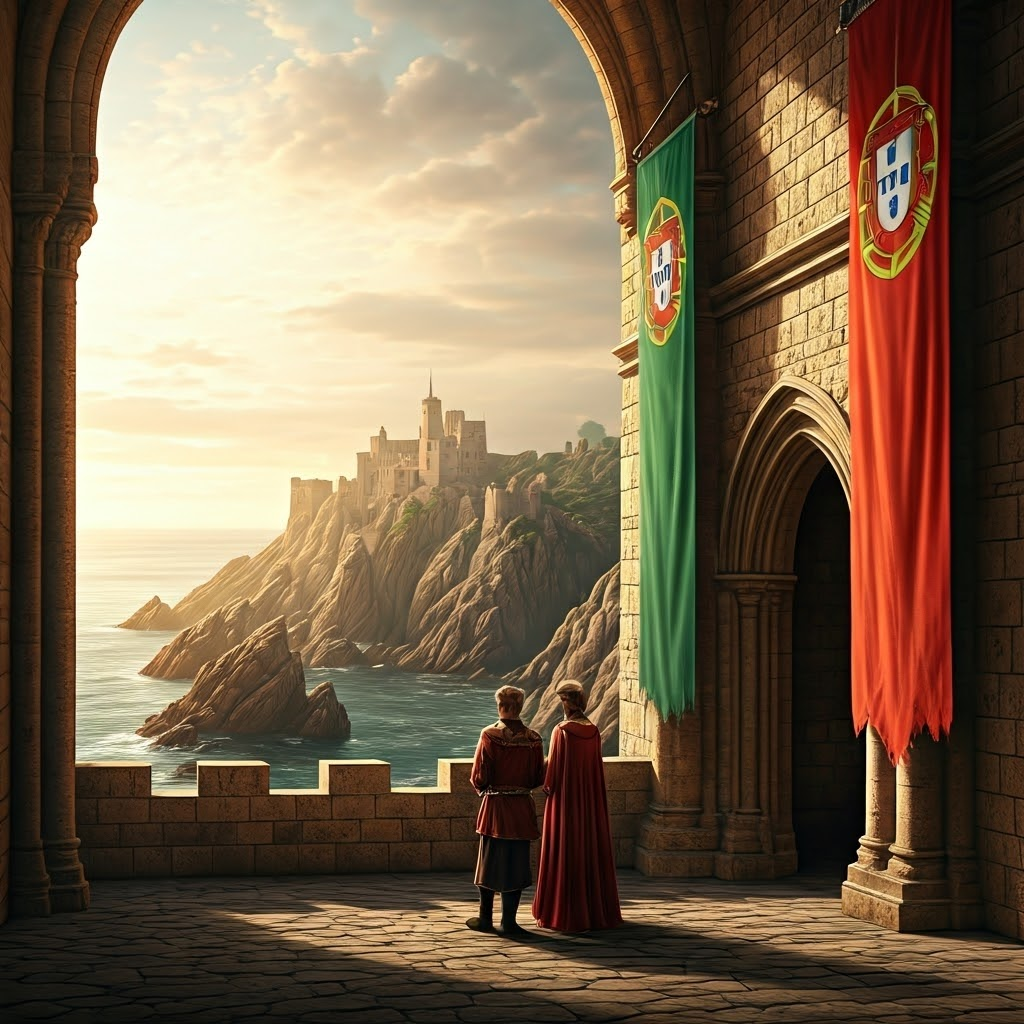
Kings, Queens, and the Race for Glory
Portugal and Spain stood side by side yet felt worlds apart. Each small kingdom wanted a fresh edge. Land routes were set, so the ocean became their stage. When one court moved, the other followed. This rivalry pushed both to dream bigger and sail farther.
Prince Henry of Portugal built a sailor’s school and sent ships down Africa’s coast. His crews claimed Atlantic islands and returned with gold and ivory. Spain watched closely. After uniting their realms and ousting Granada’s last emir in 1492, Ferdinand and Isabella craved a public win. Their pride demanded it.
Every Portuguese discovery tightened the screw. Spanish nobles feared falling behind. Each side now measured success by the distance its ships reached and the treasures they carried home. This feedback loop—action and response—kept the race alive and hot.
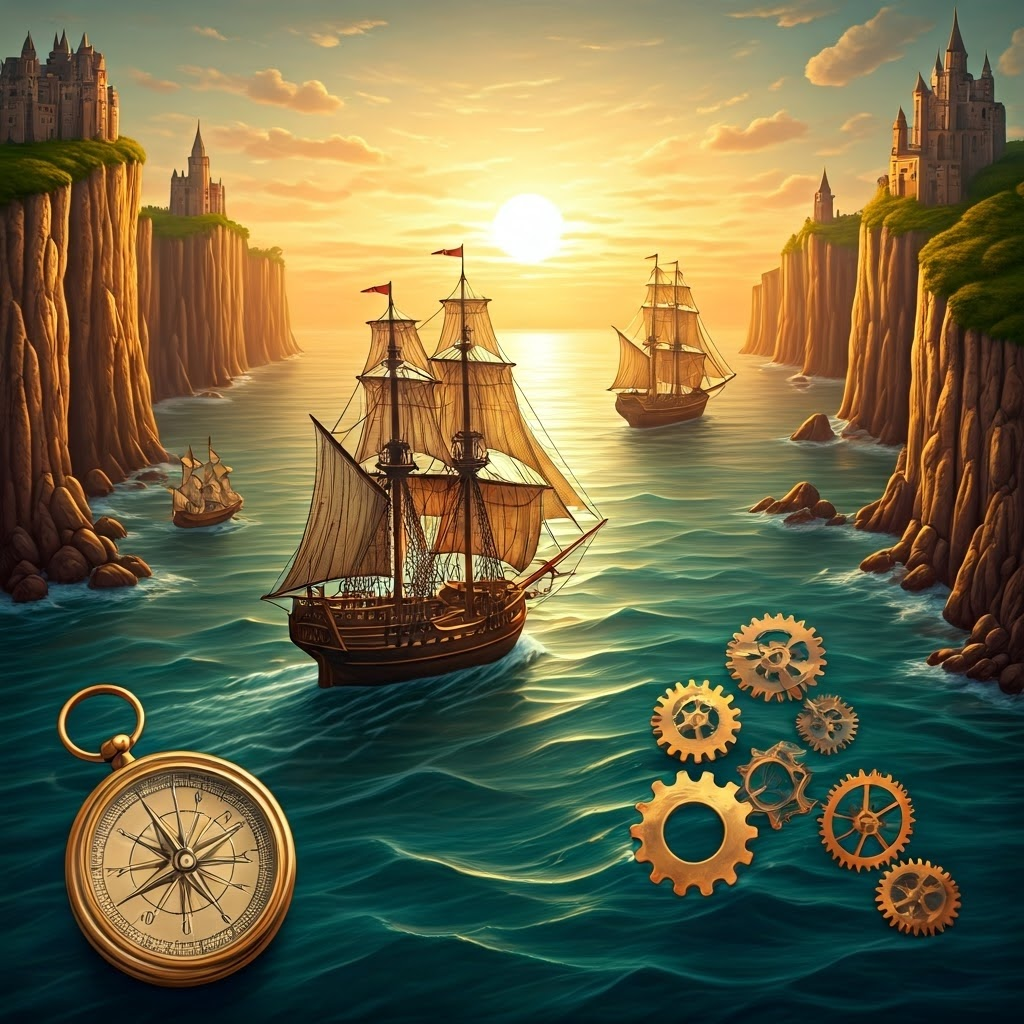
Gold, Spices, and the Price of Curiosity
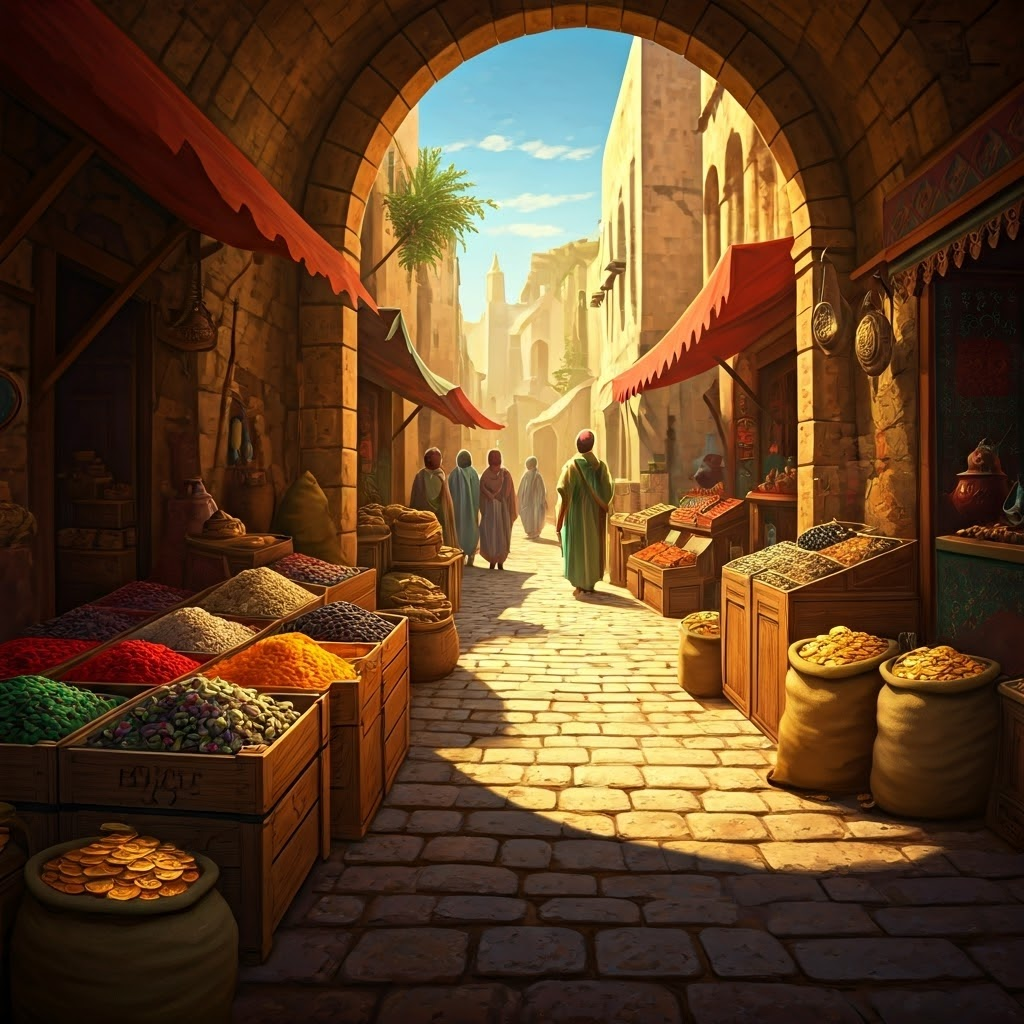
In late-medieval Europe, pepper could outprice gold by weight. Spices crossed deserts and seas through many hands, each adding cost. By the time a single nutmeg reached Lisbon, only the richest could buy it. Owning spices signaled status and sophistication.
Spices hid spoiled flavors, preserved meats, and served as medicine. Tales of West African gold—such as Mansa Musa’s wealth—added more fuel. European rulers needed coins to pay soldiers, yet local mines were scarce. Gold had to come by caravan or risky sea trade.
The 1453 fall of Constantinople blocked a prime land route. Merchants now faced higher fees and dangers. Kings longed to skip every middleman. If a captain could sail straight to Asia, his backers might grow richer than any rival court. This shared hunger steered eyes west.
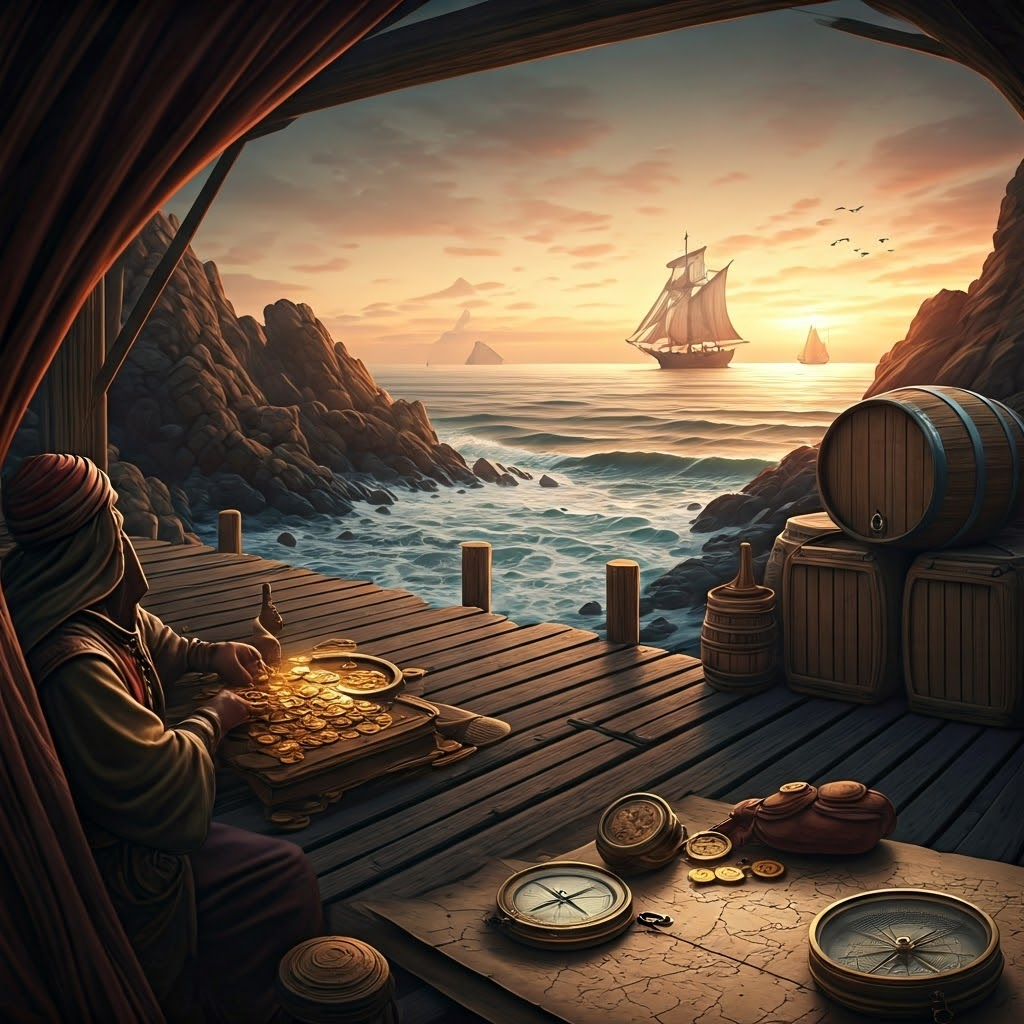
A coastal port at dusk showed the problem clearly. Barrels for Asia waited on piers, but high costs still pinched profits. One quick route could change everything. Each delay made direct ocean travel look smarter, despite storms and unknown seas.
Maps, Myths, and the New Way of Thinking
The Renaissance reopened ancient books. Scholars copied Ptolemy’s globe sketches and argued the Earth was round. If so, a westward sail might reach Asia. Curiosity overruled caution.
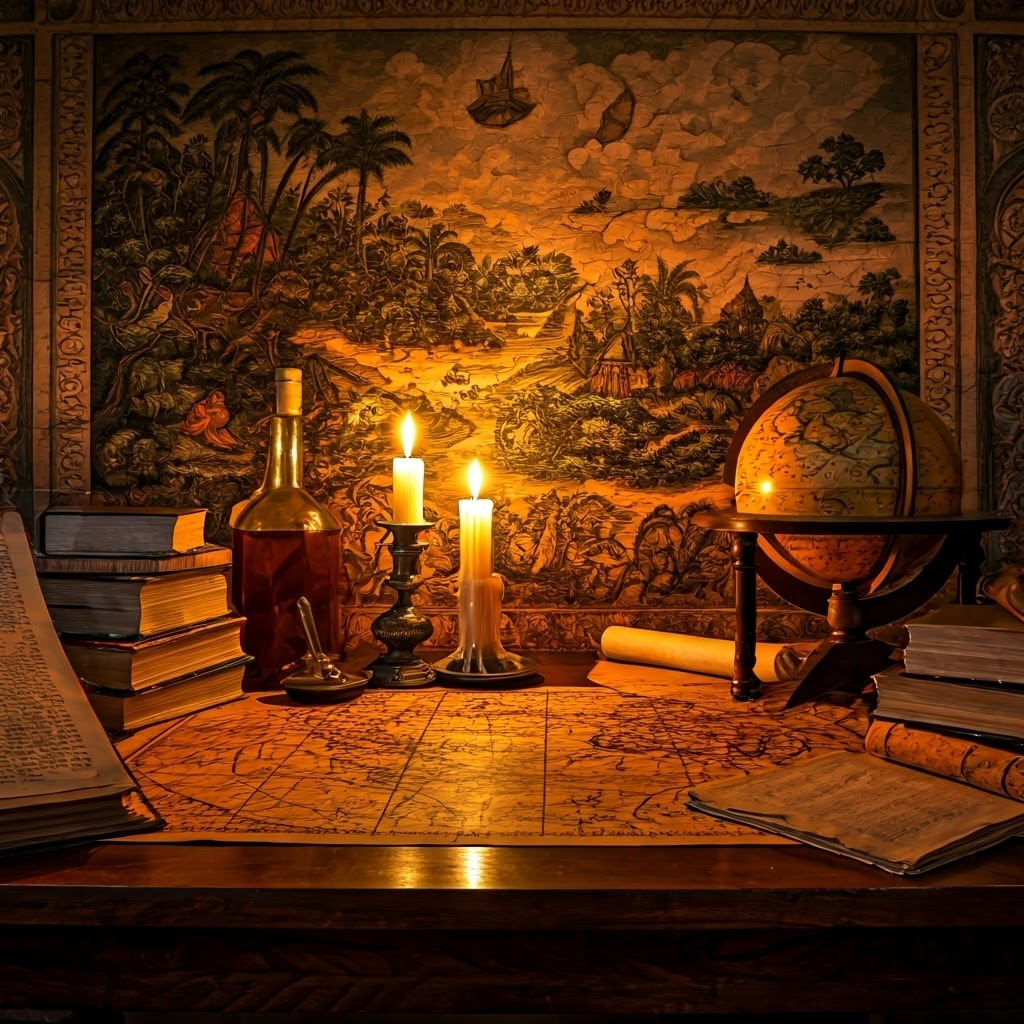
Maps mixed fact with legend. Charts marked Prester John’s realm somewhere in Africa or Asia. Marco Polo placed Cipangu—Japan—near oceans of gold. Sailors treated rumors as leads. Each story widened the gap between what people knew and what they hoped.
Humanist thinkers urged firsthand observation. They challenged tradition and pushed exploration. If Earth seemed smaller than once believed, a sea shortcut felt plausible. This mindset armed captains like Columbus with confidence, even when data was thin.
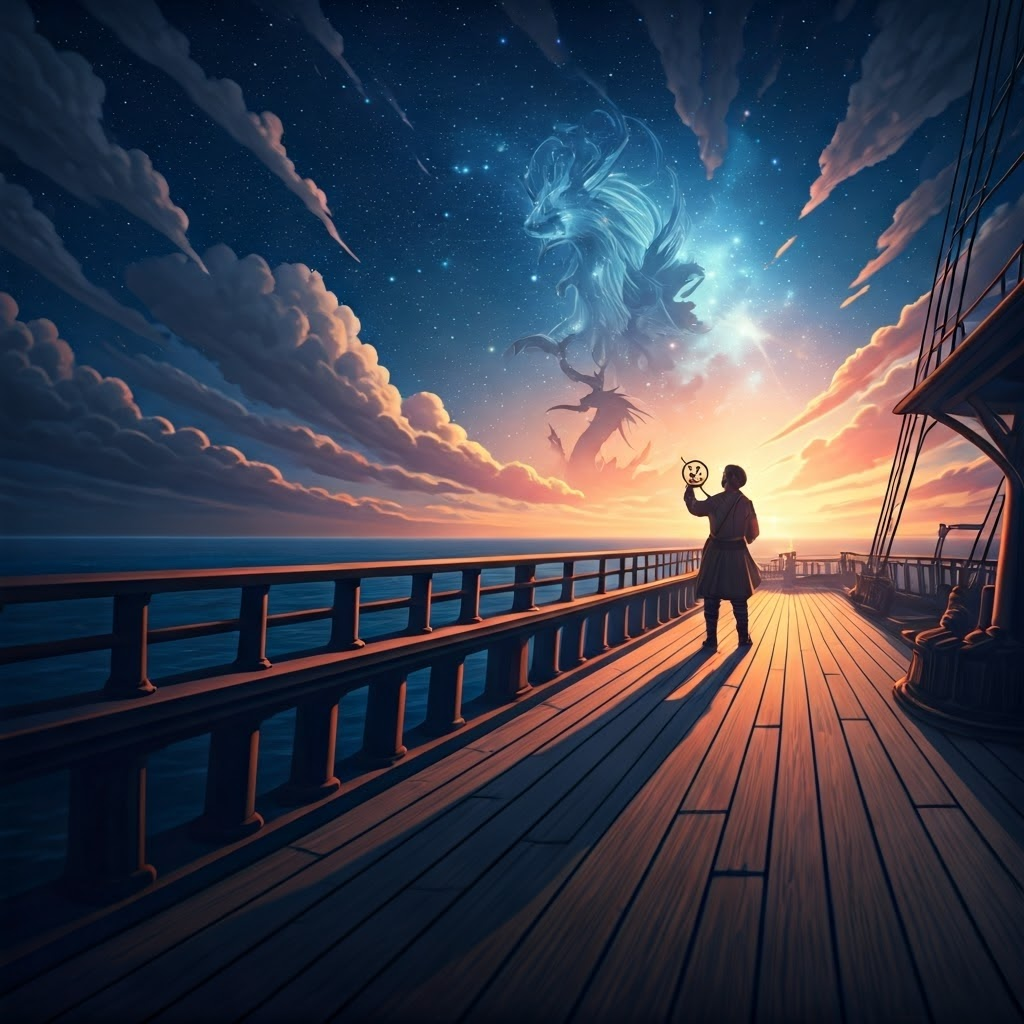
Night decks buzzed with ideas. Navigators read stars through astrolabes, while clouds hinted at imagined beasts and lands. Dreams filled the blanks that maps left empty. Hope and myth shared the helm.
The Deep Mix Behind the Voyages
No single spark lit the first Atlantic crossings. Rival courts wanted glory. Merchants needed spices and gold. Scholars redrew the world. Together, they formed a powerful impulse to push west.
When you picture small caravels cresting vast waves, remember the forces behind them. Ambition, need, and imagination united. Their combined momentum carried Europe into new worlds and still shapes global ties today.