
Big Ideas: Why We Dream of Other Worlds
The Thinkers Who Looked Up
Some people stand by the sea and feel an urge to know what lies past the horizon. For others, that horizon is space itself.
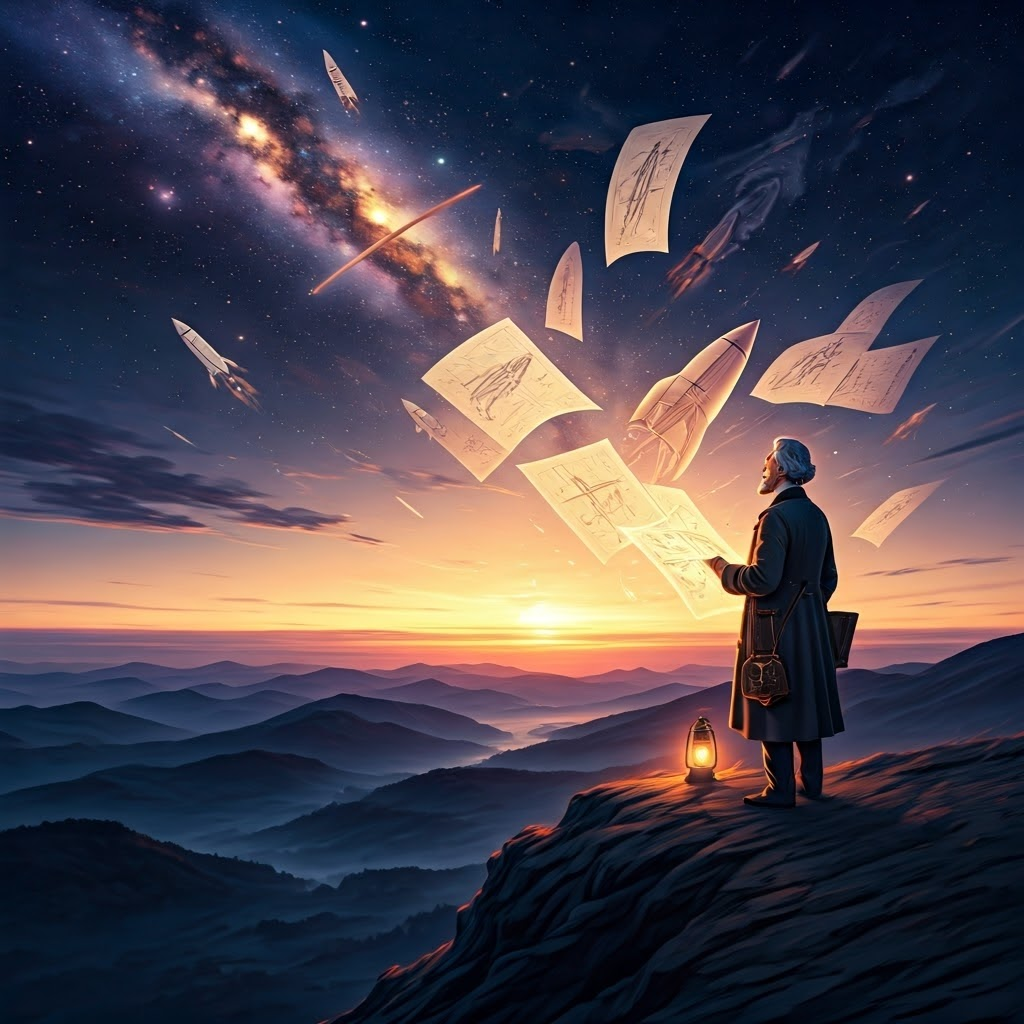
Konstantin Tsiolkovsky, a Russian teacher in the late 1800s, said that Earth is humanity’s cradle, yet we cannot live in the cradle forever. He used only paper and pen to outline how rockets might work and pictured future cities on distant worlds.
The Thinkers Who Looked Up
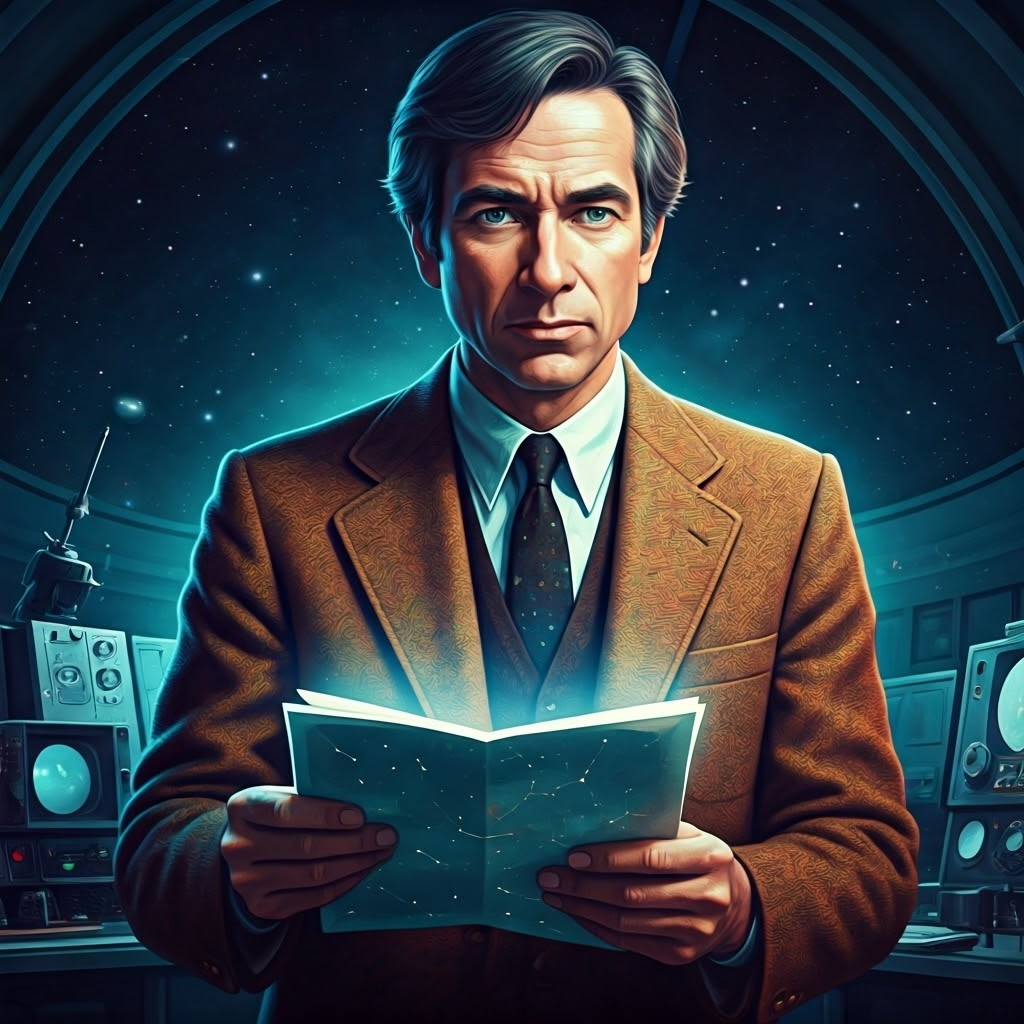
Jump to the late 20th century and meet Carl Sagan. He made the universe feel personal. Sagan reminded us that every atom in our bodies was forged in a star. Through his show “Cosmos,” he argued that exploring space blends adventure, survival, and identity.
These ideas planted a seed: leaving Earth is both practical and emotional—tied to destiny and hope.
The Overview Effect: Seeing Home from Afar
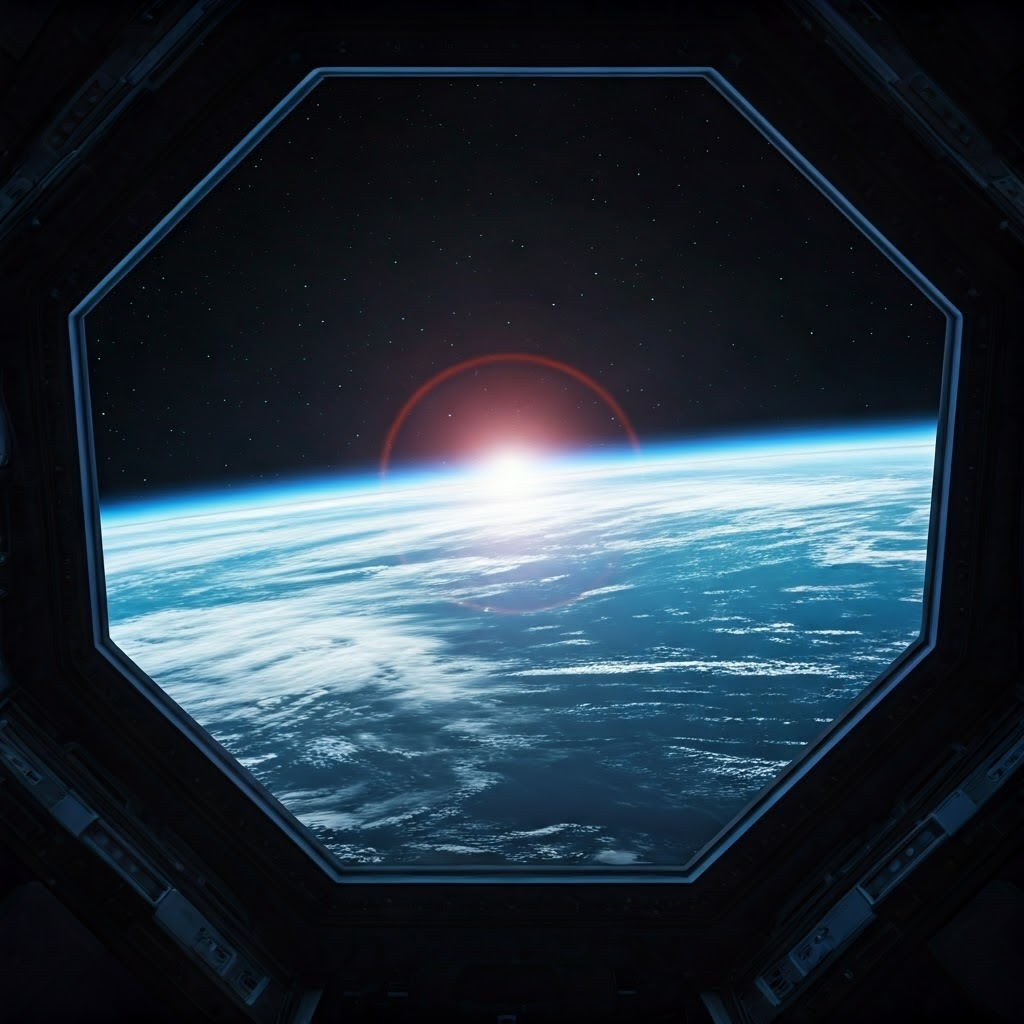
Picture yourself floating above Earth, silent and weightless. Below, thin air shields blue oceans and swirling clouds. This viewpoint creates the overview effect. Astronauts return changed, sensing that Earth is small, shared, and worth protecting.
Yuri Gagarin called Earth beautiful. Decades later, Ron Garan said the planet looks fragile and its borders artificial.
The Overview Effect: Seeing Home from Afar
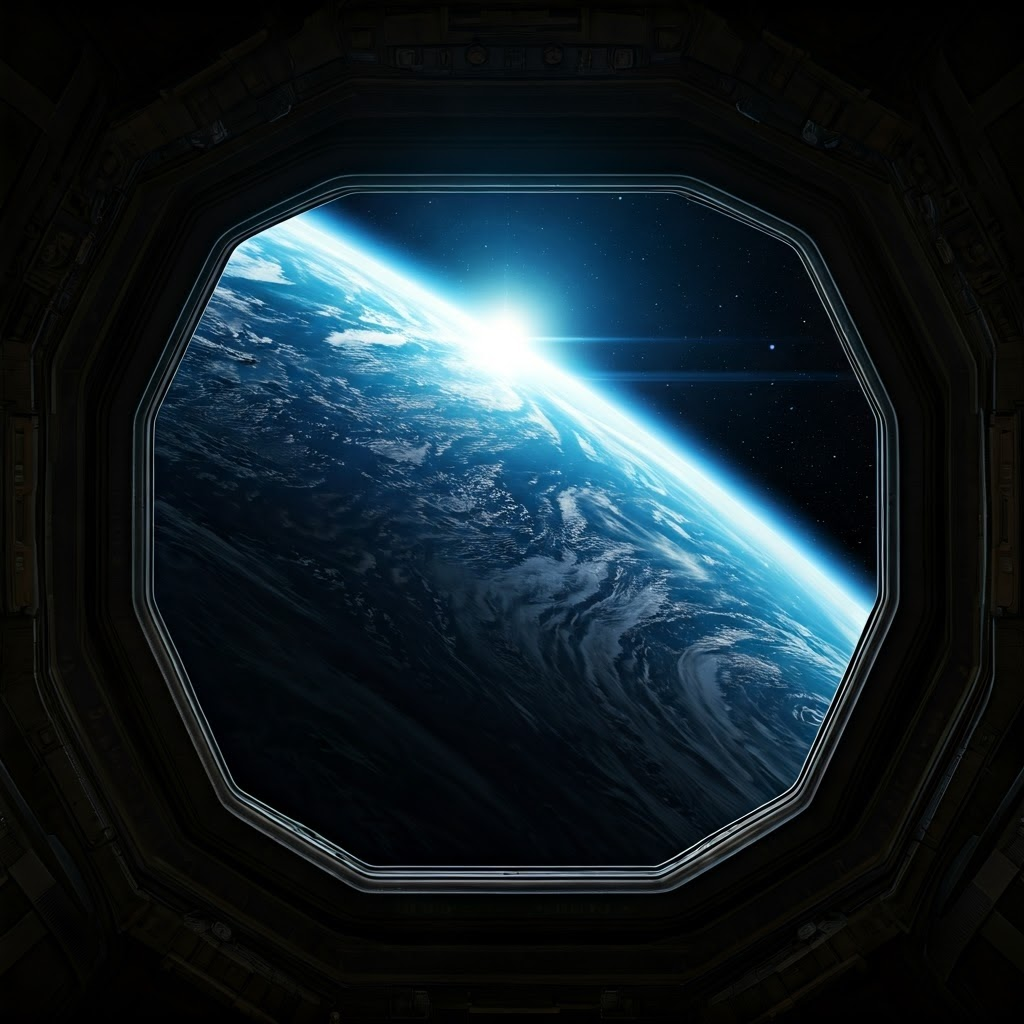
The overview effect also sparks imagination. Philosopher Frank White notes that once you see how tiny and connected everything is, you begin to think bigger about cooperation, peace, and humanity’s future. You naturally wonder what else awaits—and whether we could belong in more than one place.

Art, Stories, and the Human Imagination
To understand our dream of leaving Earth, look at stories. Long before rockets, tales of flying ships and moon voyages filled pages. Science fiction shapes how generations picture the future. “2001: A Space Odyssey” raised ideas about AI and our cosmic role. Works like “The Martian Chronicles” and “Interstellar” treat space as a place for answers, not emptiness.

Art, Stories, and the Human Imagination
Art shifts the limits of the possible. After “Star Trek,” flip communicators inspired real devices. NASA even invites fiction writers to imagine worlds and technologies beyond today’s plans. Imagination softens the unknown and makes strange ideas feel normal.
What People Really Think: Public Opinion and Space
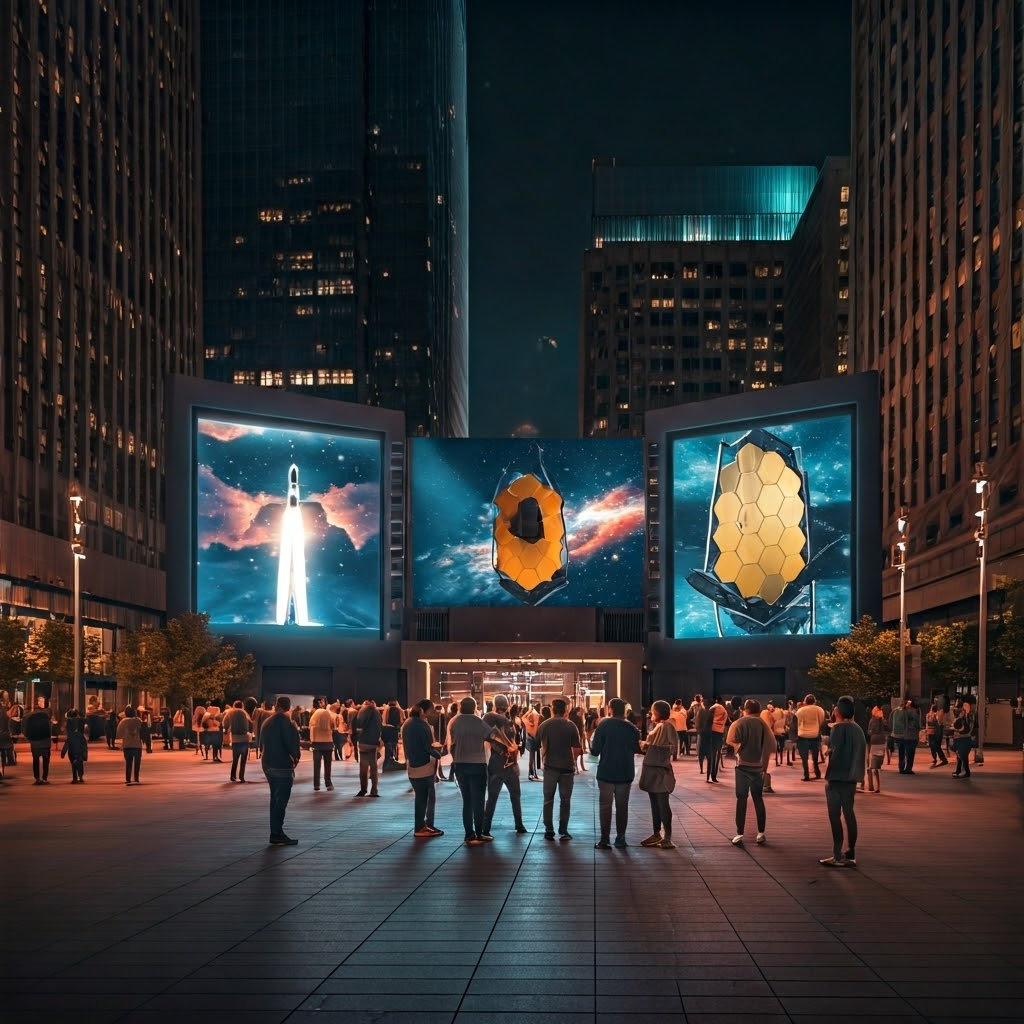
Not everyone agrees that space travel matters, yet opinions shift with events. During the 1960s space race, support soared. About 53 million people watched the Apollo 11 landing. Big moments—like SpaceX’s Crew Dragon launch or fresh James Webb photos—renew interest. A 2022 Pew poll found that three-quarters of Americans view exploration as important.
The Deep Urge to Explore
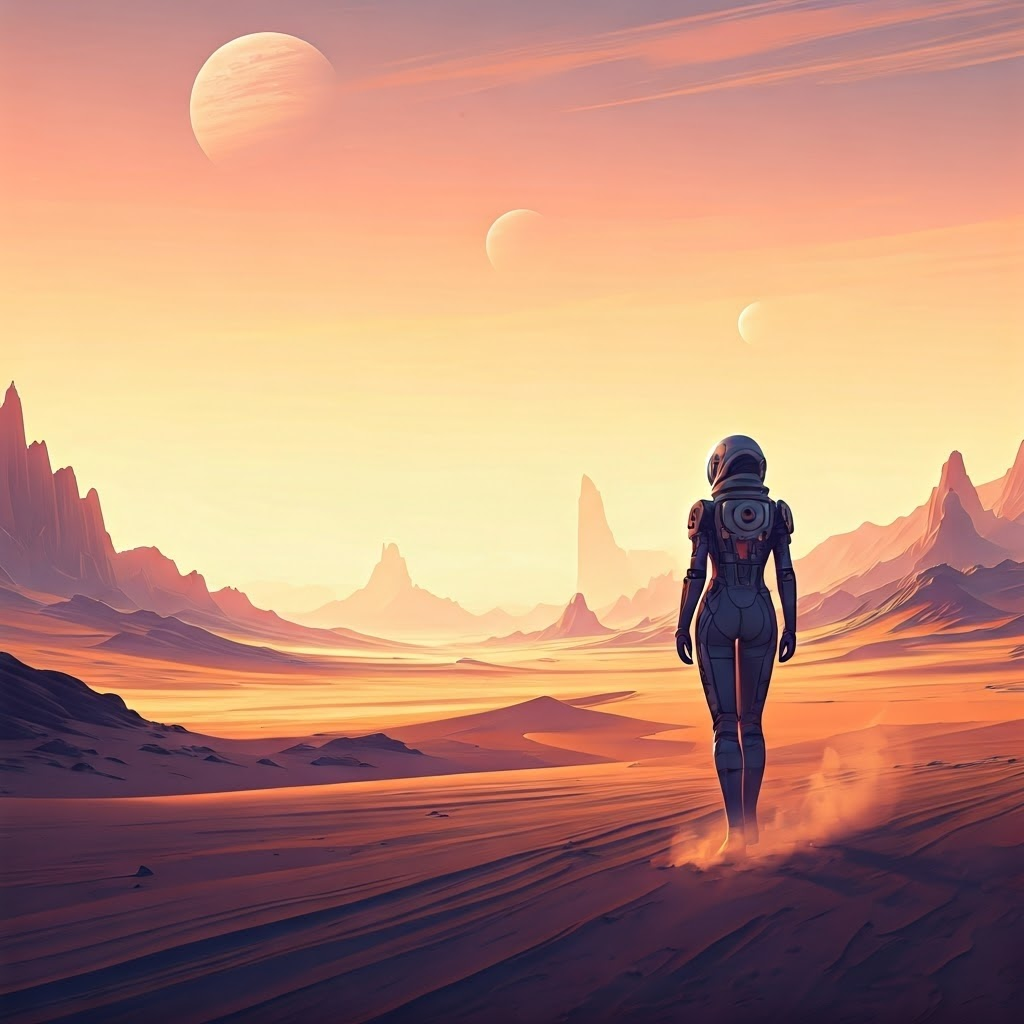
Humans carry a stubborn drive to see what lies beyond the next hill. Call it wanderlust or curiosity, but it runs deep. As Tsiolkovsky hinted and Sagan echoed, survival alone is not enough—we seek to understand and to grow. Looking up, we imagine a bigger story for ourselves.
