
Handshake Hopes: The Promise of Détente
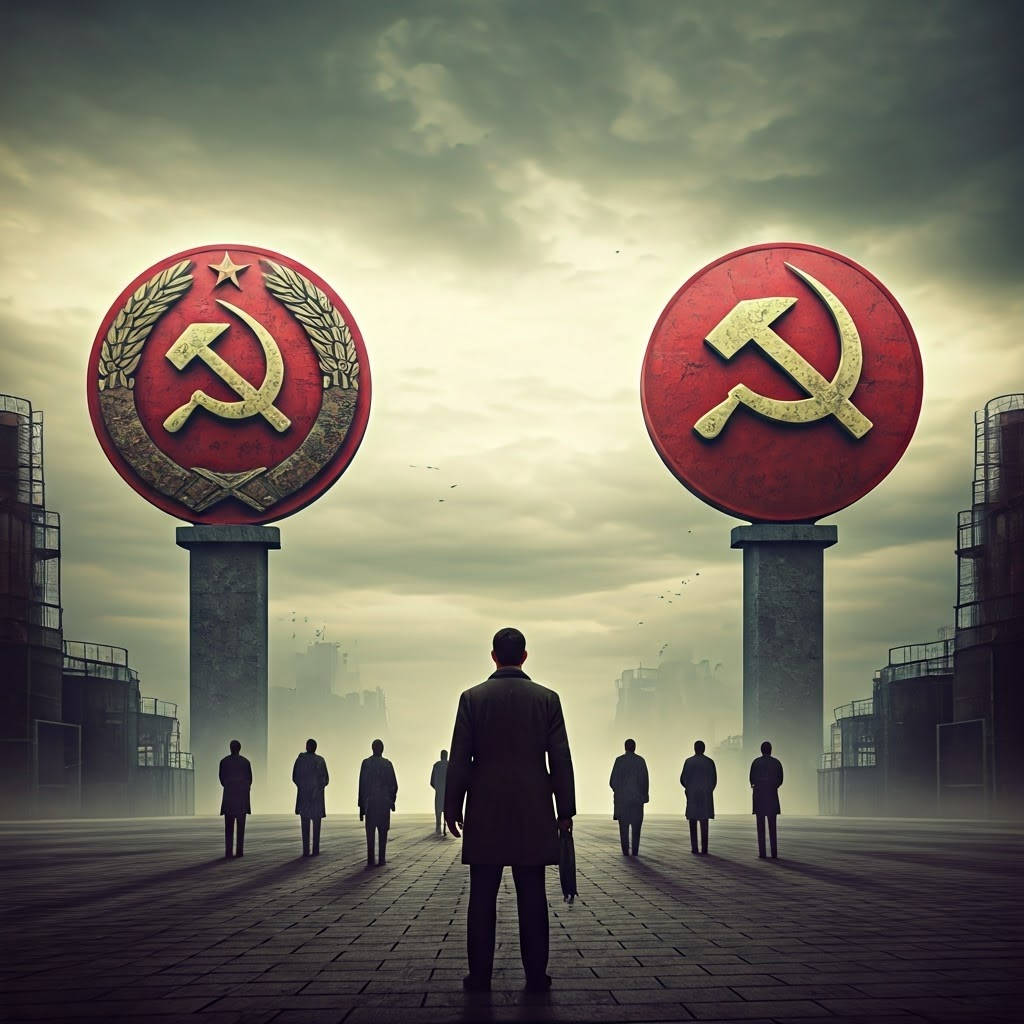
Setting the Stage: Why Détente?
The Cold War superpowers looked for breathing room after years of costly tension. Both sides felt exhausted, and leaders worried that one mistake could unleash disaster.
America’s long Vietnam conflict drained money and morale. The Soviet Union, weighed down by heavy military budgets and far-flung commitments, felt a similar squeeze. Ordinary Europeans feared the missiles aimed at their cities, so public pressure for relief kept rising.

Mutual fatigue pushed leaders to ask if constant rivalry might break everything. That shared worry opened a path toward dialogue—less about friendship, more about survival.
Nixon, Brezhnev, and the Art of the Handshake
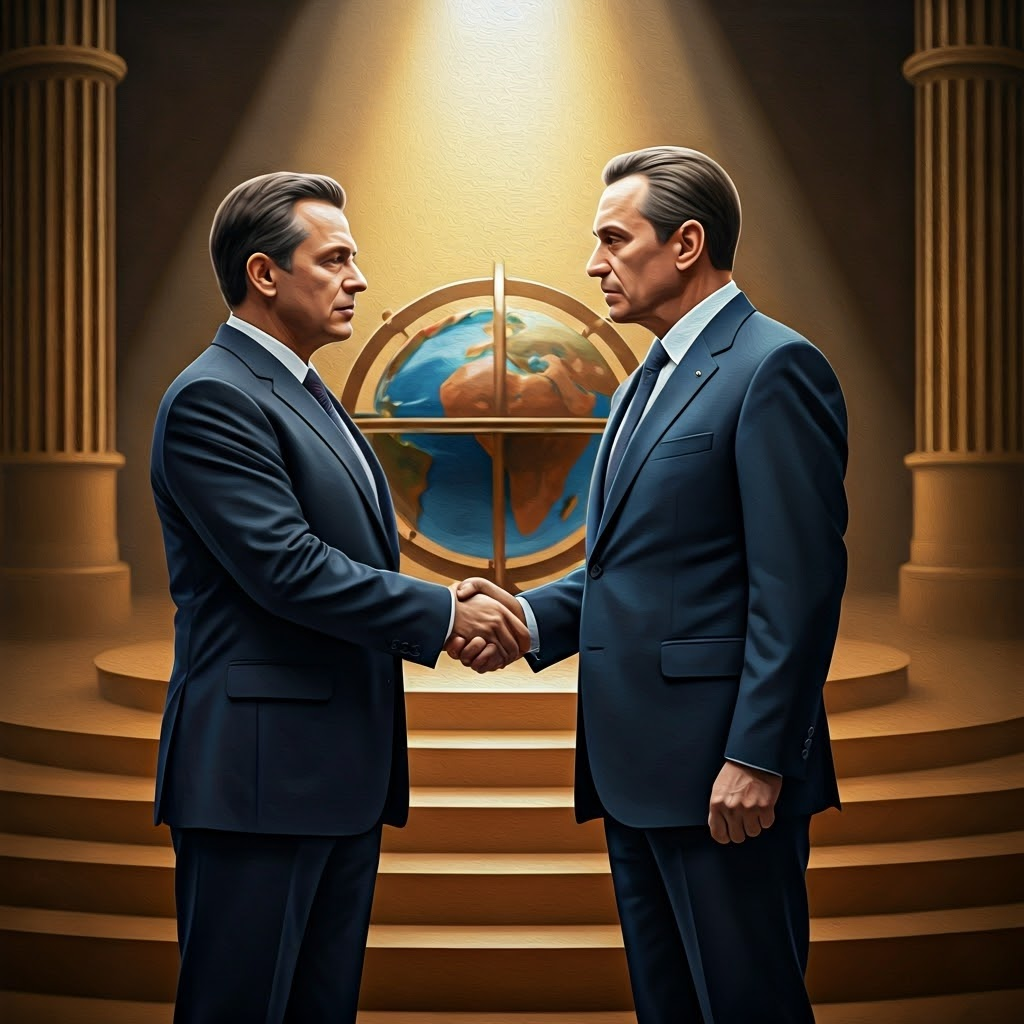
Richard Nixon and Leonid Brezhnev eyed each other like cautious card players. In 1972 Nixon’s Moscow visit—an unprecedented trip by a U.S. president—produced stiff handshakes yet signaled a new willingness to talk.
Their personal gifts—a car from Brezhnev, cowboy boots from Nixon—made headlines. Still, the real point was managing rivalry, not ending it. Historian Raymond Garthoff noted détente stayed practical, never warm.

Faces, Words, and Limits
Brezhnev’s hugs and Nixon’s forced smiles hid careful calculation. Each leader wanted stability without surrender. Every signed paper came with silent skepticism—and plenty of verification.

Ping-Pong Diplomacy and the China Card
In 1971 American table-tennis players visited China, breaking two decades of silence. Their friendly rallies paved the way for Nixon’s 1972 Beijing meeting with Mao Zedong.
Washington used this new tie to pressure Moscow. Historians call it triangular diplomacy—each corner of the U.S.–USSR–China triangle watched the others, preventing isolation and shifting leverage.
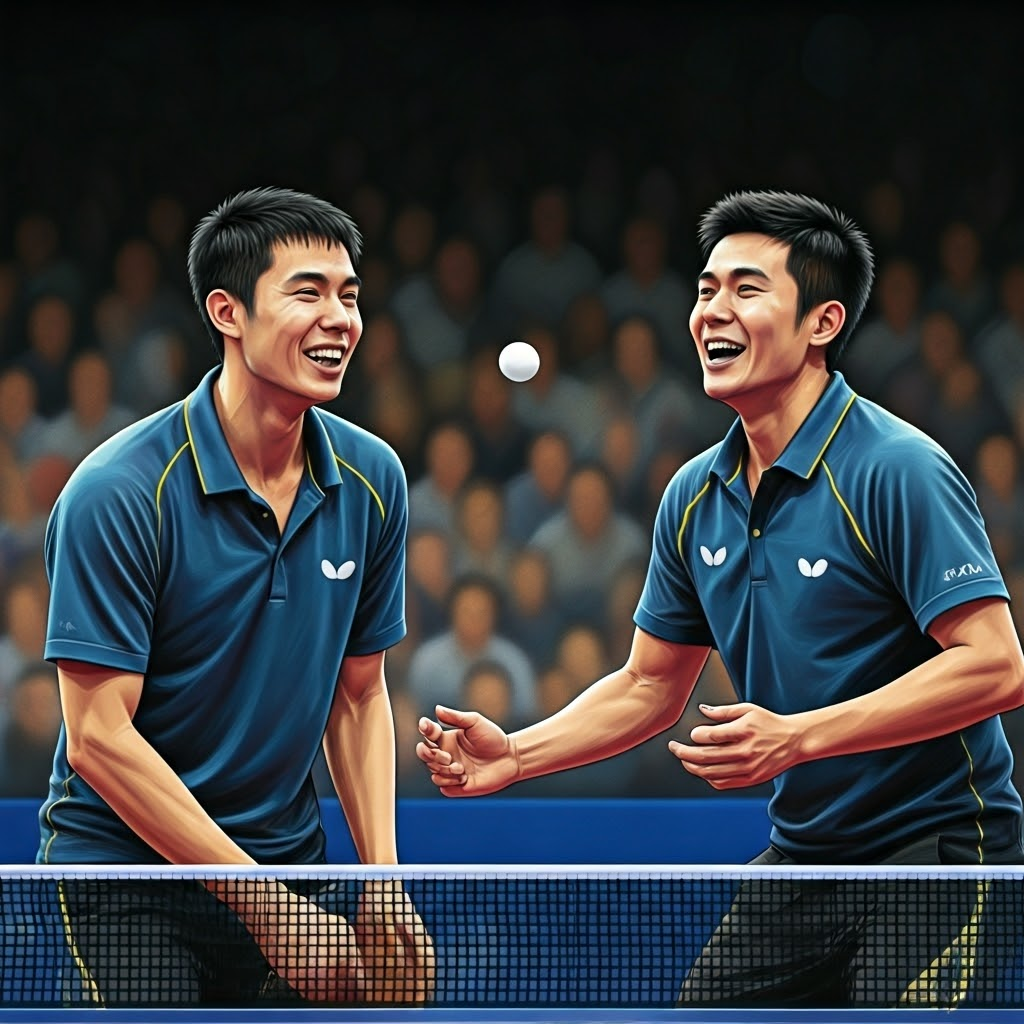
Table Tennis and Realpolitik
Televised matches let millions see adversaries laugh together. For many viewers, a simple handshake over a net felt more powerful than dense treaty text.
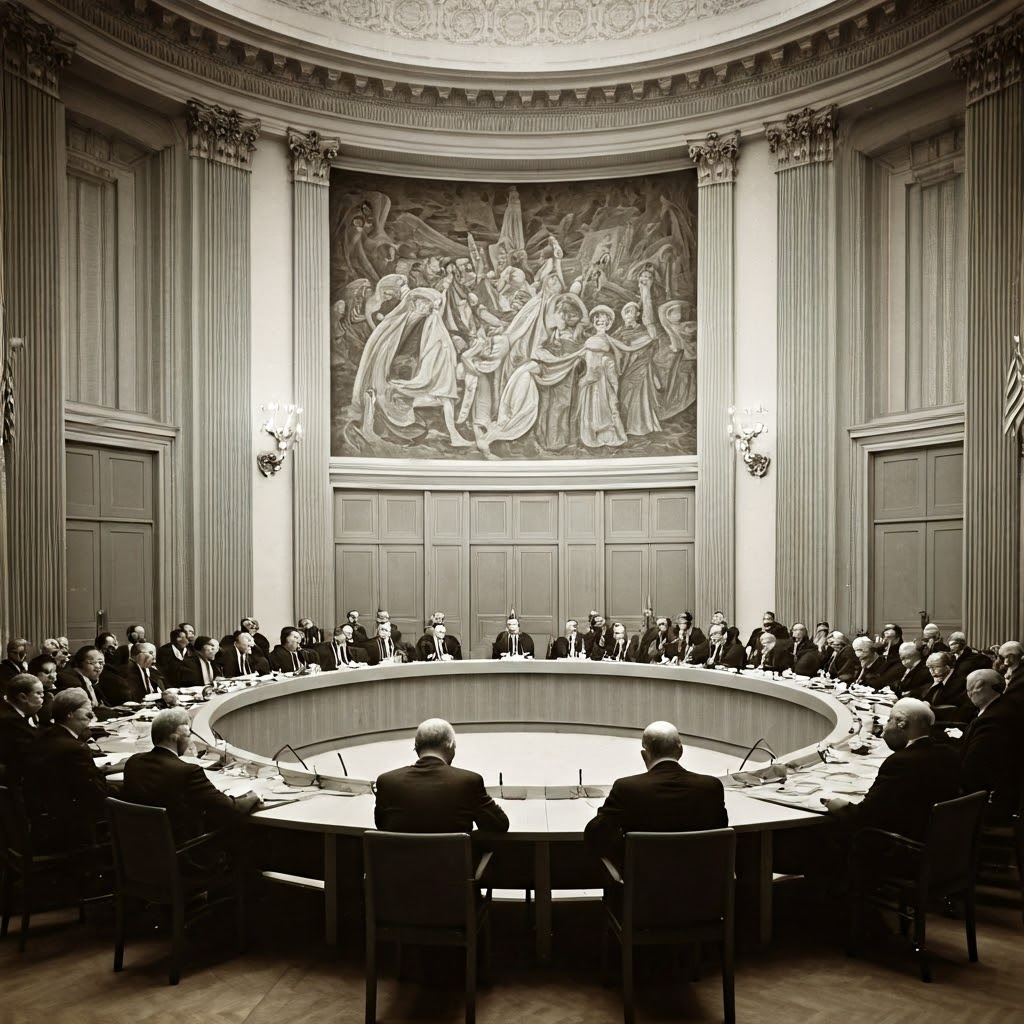
The Helsinki Accords: Paper Promises
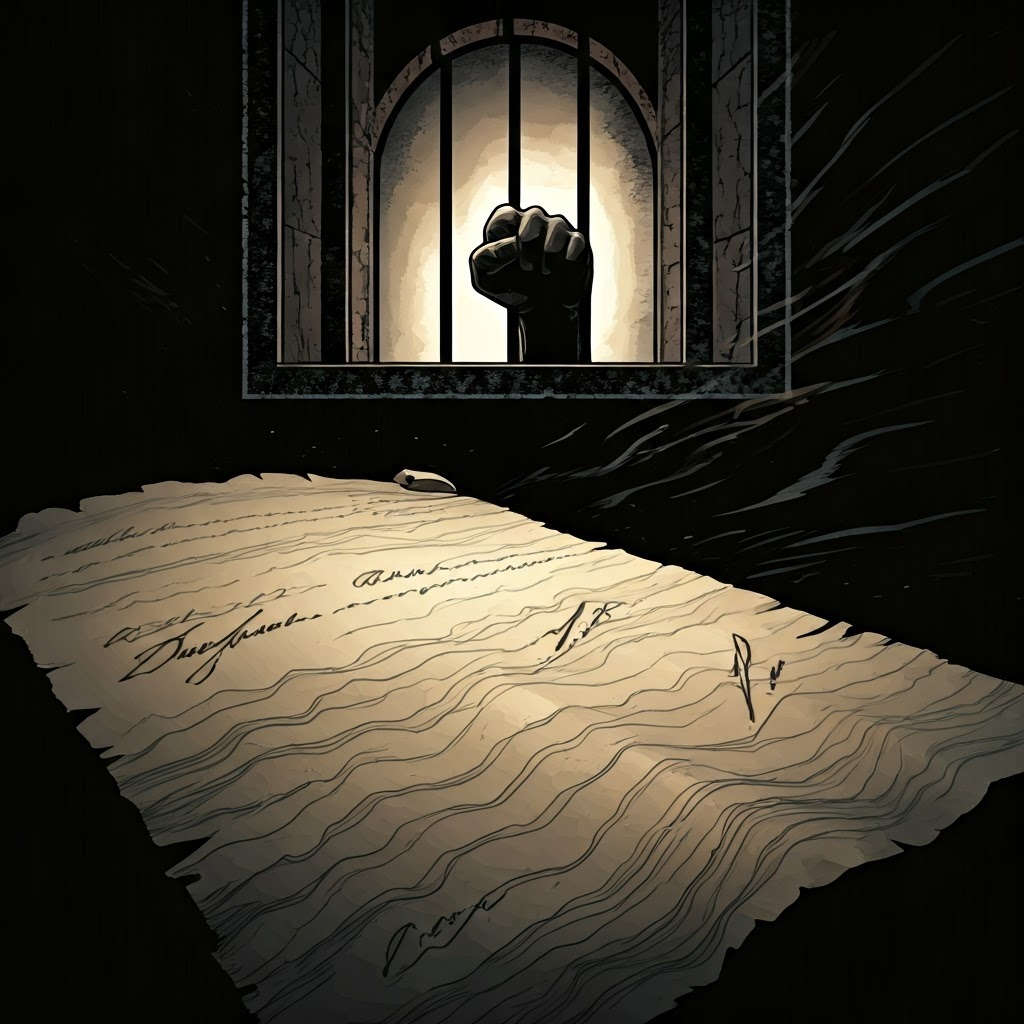
In 1975 thirty-five nations, including both superpowers, signed the Helsinki Accords. They confirmed post-World War II borders and pledged respect for human rights. The Soviets prized the security guarantees; activists later used the rights clauses as a lever against repression.
The Gap Between Paper and Reality
Signing proved easier than following through. Moscow often ignored the rights provisions and silenced dissent. Still, Helsinki gave groups like Poland’s Solidarity a written standard to invoke when demanding change.
Promises and Caution: The Limits of Trust
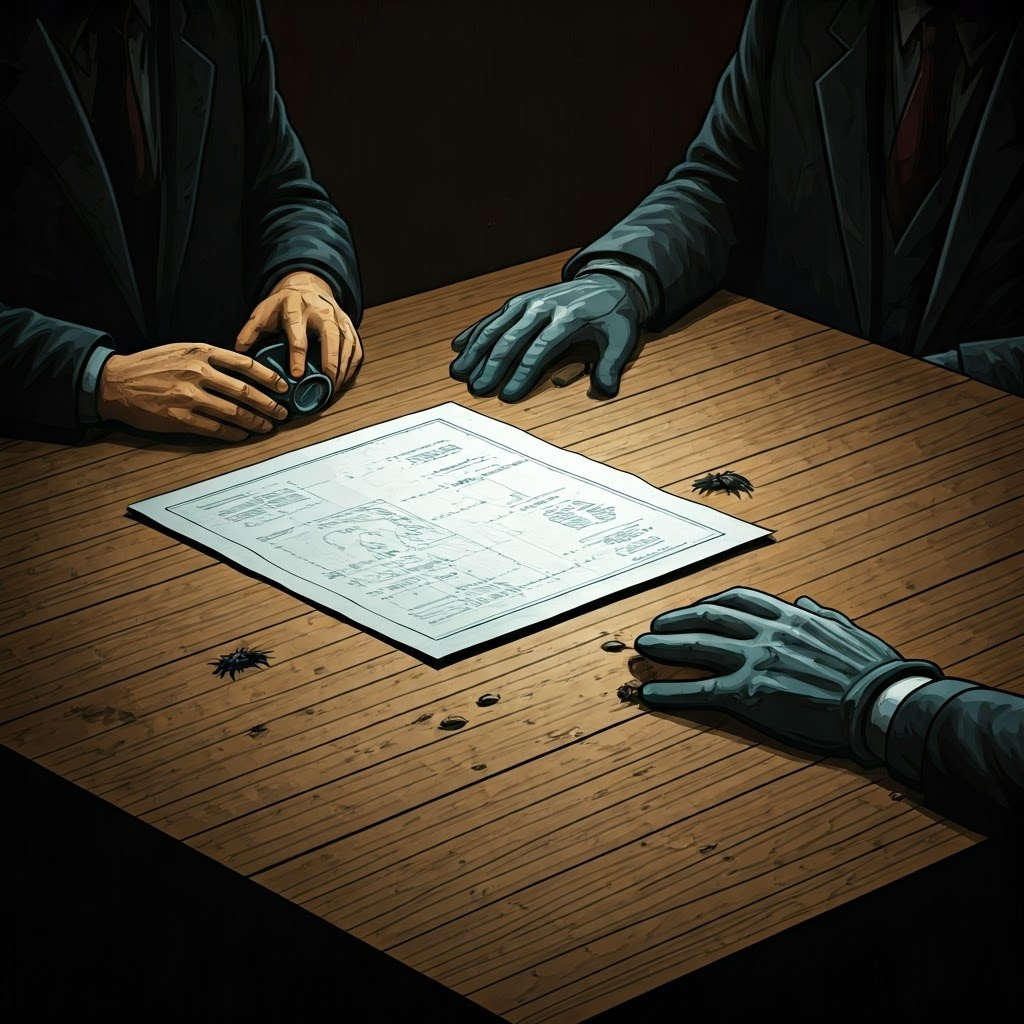
Détente lowered tension yet kept suspicion alive. Spy satellites and listening posts monitored every pledge. Cultural exchanges blossomed, and some families slept easier, but the missiles remained ready.
The lasting lesson: progress comes from talking, even if trust stays partial. A wary handshake still beats a silent standoff.
