
The Internet’s New Building Blocks

IP addresses act like digital street numbers. The old IPv4 system offers only about 4 billion of them, and that pool ran dry once phones, laptops, and smart gadgets flooded the web. The newer IPv6 format expands the pool to —roughly unique addresses.
With so much space, every device can claim its own identifier. This simplifies routing and prepares the Internet for future technologies that need constant, direct connections.
Why IPv6 Matters (and Why It’s Taking So Long)

Switching to IPv6 is like replacing a city’s plumbing while everyone still needs water. Many networks run both systems in parallel, and upgrading can mean buying new gear, retraining staff, and risking downtime if settings go wrong. Progress is steady but uneven—Belgium and India lead, while others lag.
Why IPv6 Matters (and Why It’s Taking So Long)
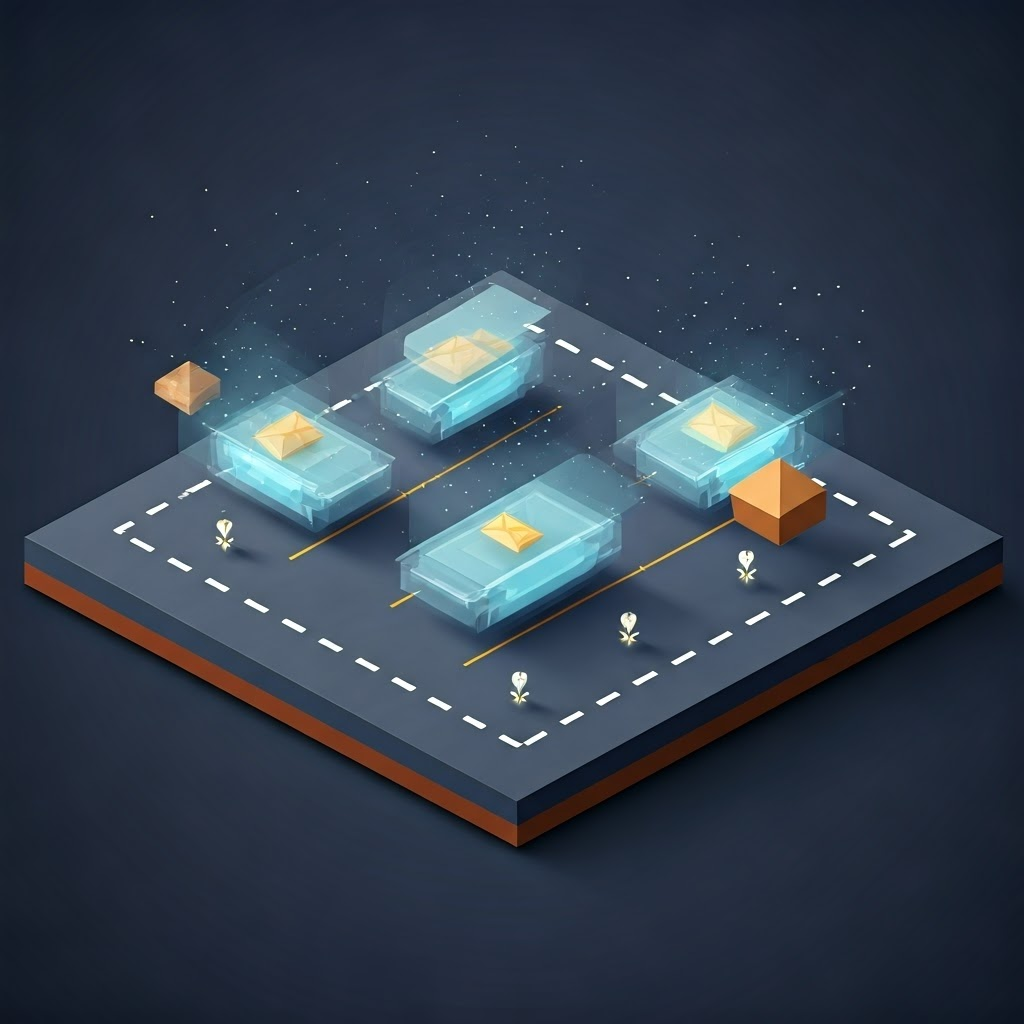
IPv6 delivers more than space. Its streamlined headers let routers process packets faster, and built-in security features like IPsec support encrypted traffic by default. Over time, these tweaks mean smoother browsing, fewer slowdowns, and stronger privacy—even if users never notice the change.
Edge Computing and CDNs: Bringing the Internet Closer

Think of CDNs as neighborhood bakeries. Instead of fetching a croissant—or a movie—from across the globe, a local server hands you a fresh copy. Shorter travel time cuts buffering, speeds up downloads, and keeps sites steady during traffic spikes.

Major providers like Akamai, Cloudflare, and Google place thousands of caches worldwide. This geographic spread trims distance, lowers congestion, and keeps popular files close to users. The result is faster loads and less frustration.

Edge computing pushes processing out to the network’s edge. By handling data near its source, it slashes latency. A smart camera, for instance, can analyze footage on-site and send only results upstream, saving bandwidth and time.

For everyday users, this means fewer frozen frames in video calls, quicker game responses, and instant software updates. As connected gadgets multiply, on-site processing keeps networks nimble.
QUIC and HTTP/3: The New Fast Lanes

Most online traffic still rides on decades-old TCP. QUIC, built on UDP, starts sending data almost immediately and encrypts everything by default. Fewer handshakes mean quicker starts and smoother recovery from hiccups.

HTTP/3 layers itself on QUIC. Pages load faster, especially on shaky networks like trains or cafés. HTTP/3 also keeps privacy strong because encryption is built in from the first packet.
Everyday Impact: Invisible Upgrades
Behind every click, quiet upgrades keep the Internet growing and speeding up. IPv6 supplies limitless addresses. CDNs and edge computing place content—and processing—nearby. QUIC and HTTP/3 create quicker, safer routes. You don’t see these tools, but you feel them in faster streams, sharper calls, and stronger privacy.
