
Why Weight Isn’t the Whole Story

You see a number on the scale and it feels like a verdict on your health. That single figure is only a small clue, not the full story. Two people can weigh the same but live totally different lifestyles, so the number alone tells you very little.
The Weight-Health Disconnect

Old stereotypes and loud headlines blur the facts. We hear that being overweight is always risky, yet studies such as the 1998 JAMA paper on the “obesity paradox” found some overweight adults outlive their normal-BMI peers. Habits like diet, activity, stress, and sleep shape real-world health far more than weight alone.
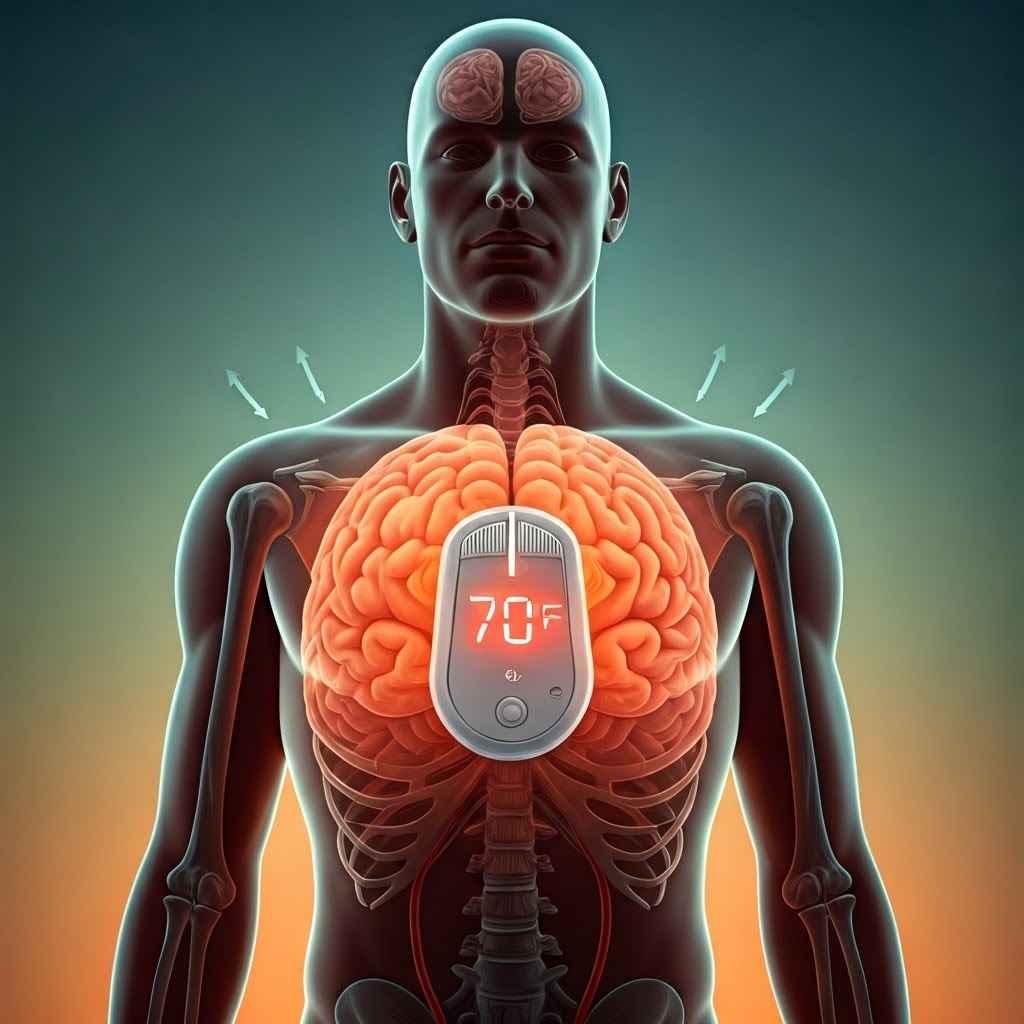
Set-Point Theory: Your Body’s Comfort Zone
Your body has a preferred weight range called its set point. The brain—mainly the hypothalamus—works like a thermostat to keep you near that zone. Drop calories sharply and the body slows metabolism, boosts hunger, and cuts movement. This defense makes steep, quick weight loss hard to keep.
Crash diets often fail because biology pushes back. Small, steady changes cause less resistance and help some people shift their set point over time. Patience beats drastic restriction when you want lasting results.

Calories, Hormones, and the Balancing Act
Energy balance matters—eat more than you burn and you store fat. Yet hormones fine-tune this math. Leptin from fat cells signals fullness, while ghrelin from the stomach sparks hunger. Poor sleep or high stress raises ghrelin and lowers leptin, making cravings stronger. Balance both calories and hormones for better control.

Where Fat Lives: Visceral vs. Subcutaneous
Fat under the skin—subcutaneous—is mostly harmless storage. Fat around organs—visceral—releases inflammatory chemicals that raise risks for heart disease, diabetes, and some cancers. Two people at the same weight can differ hugely if one stores fat on hips while the other packs it deep in the belly. Location matters.
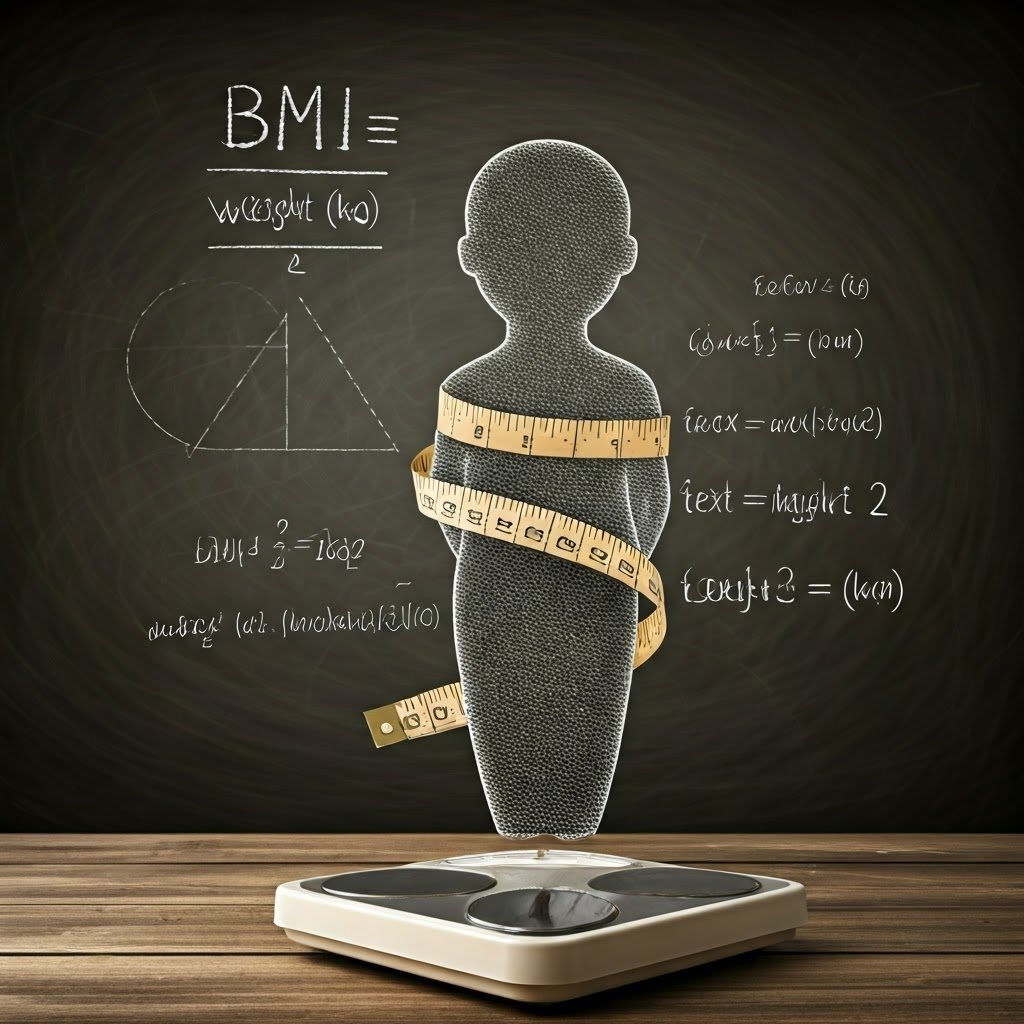
Measuring Up: BMI, Waist, and What Matters
BMI offers a quick estimate but ignores muscle and fat placement. A muscular athlete can score as overweight. Waist-to-height ratio adds detail—keep your waist below half your height for lower risk, says research like Ashwell & Gibson 2016. No single metric captures full health; blood pressure, labs, and vitality count too.

The Takeaway
Weight is not health. Patterns over time—food quality, movement, sleep, stress, and where you store fat—tell a richer story than any scale. Treat your body with respect and focus on genuine well-being, not a single number. Perspective keeps you ahead of the weight-obsessed crowd.
