
Translators, Tongues, and the Art of Understanding
Communication across languages is never just about swapping words. It asks us to see through another person’s eyes and feel every pull at once. To glimpse the first cross-cultural encounters of the Age of Exploration, we need to meet the human bridges—interpreters.
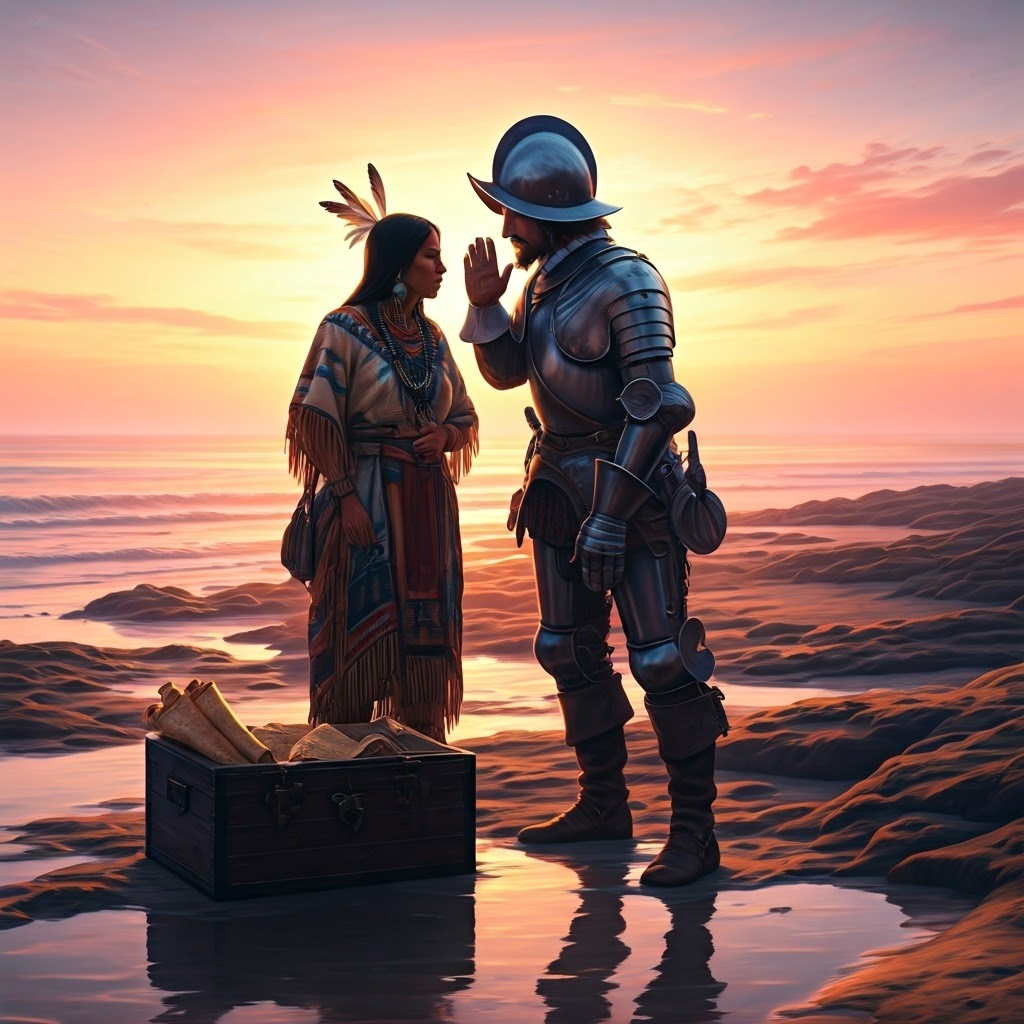
Bridging Speech Gaps: The Lives of Interpreters
Malinche’s story shows how a single voice can shift history. Born in today’s Mexico, she was sold into slavery, mastered several local tongues, and was given to Hernán Cortés. She decoded gestures, clarified customs, and guided strategy.
Without her, the Spanish could have drowned in misunderstandings. Yet she carried the weight of two worlds, mistrusted by both sides, labeled traitor and hero at once.
Farther east, João Rodrigues—a Portuguese Jesuit—learned Japanese so thoroughly he wrote its first grammar. He advised traders, eased diplomacy, and penned careful notes on court life. Any slip threatened cargo, trust, or even lives, so the pressure on each word was constant.
Interpreters acted as negotiators, cultural coaches, and buffers between war and peace. They held little formal power yet bore huge responsibility, knowing one mistake could redirect history.
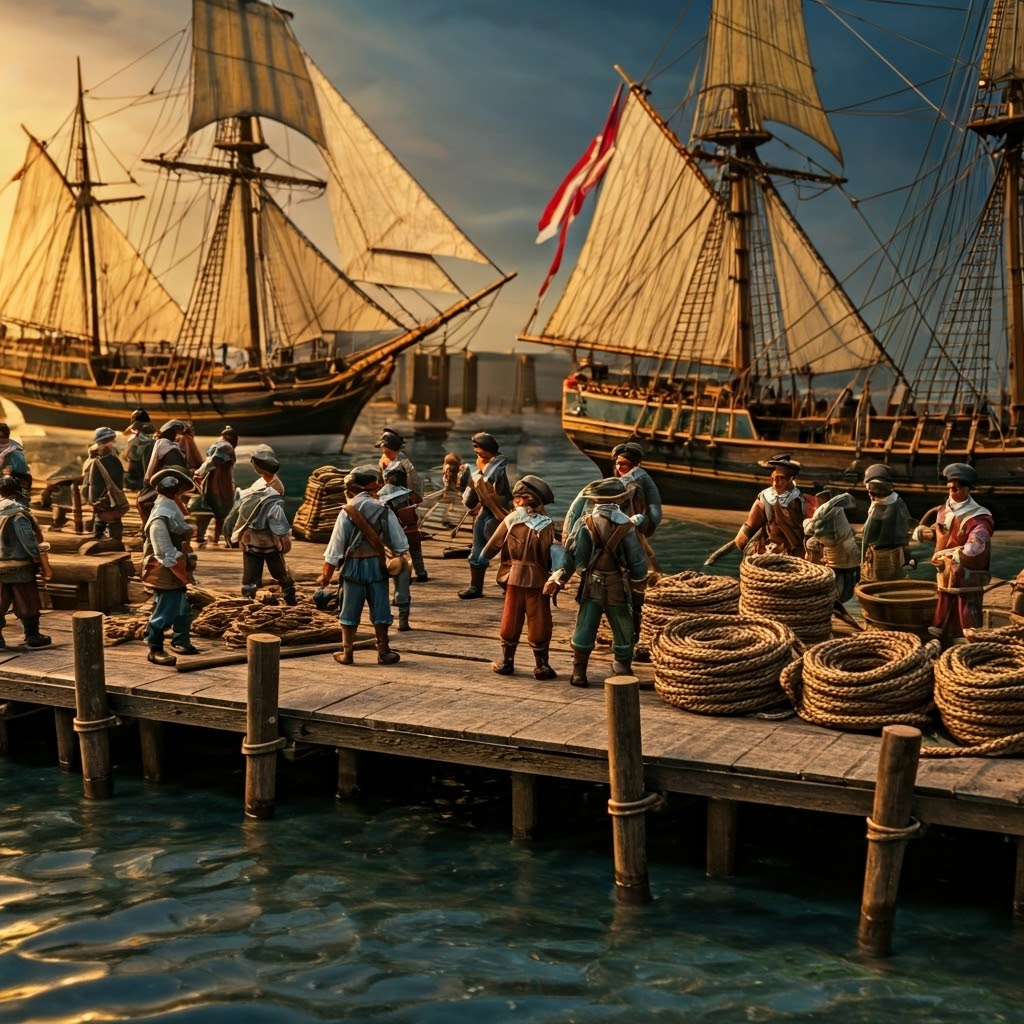
Words on the Move: Loanwords and Nautical Jargon
Whenever people meet, their languages change. Borrowed loanwords act like fingerprints of contact. Along the East African coast, Swahili features Portuguese terms: “meza” for table from “mesa,” and “sabuni” for soap from “sabão.”
Life at sea mixed tongues even faster. Crews from Portugal, Spain, Italy, and North Africa needed quick agreement on sails and safety, so they formed a nautical lingua franca—a patchwork built for speed and profit.
Say “cabo,” and sailors from Lisbon, Genoa, or Tangier all thought “rope.” Other seaborne words spread because the items were useful or new—“caravel” for a nimble ship, “calico” for cotton cloth—proving need drives linguistic fusion.
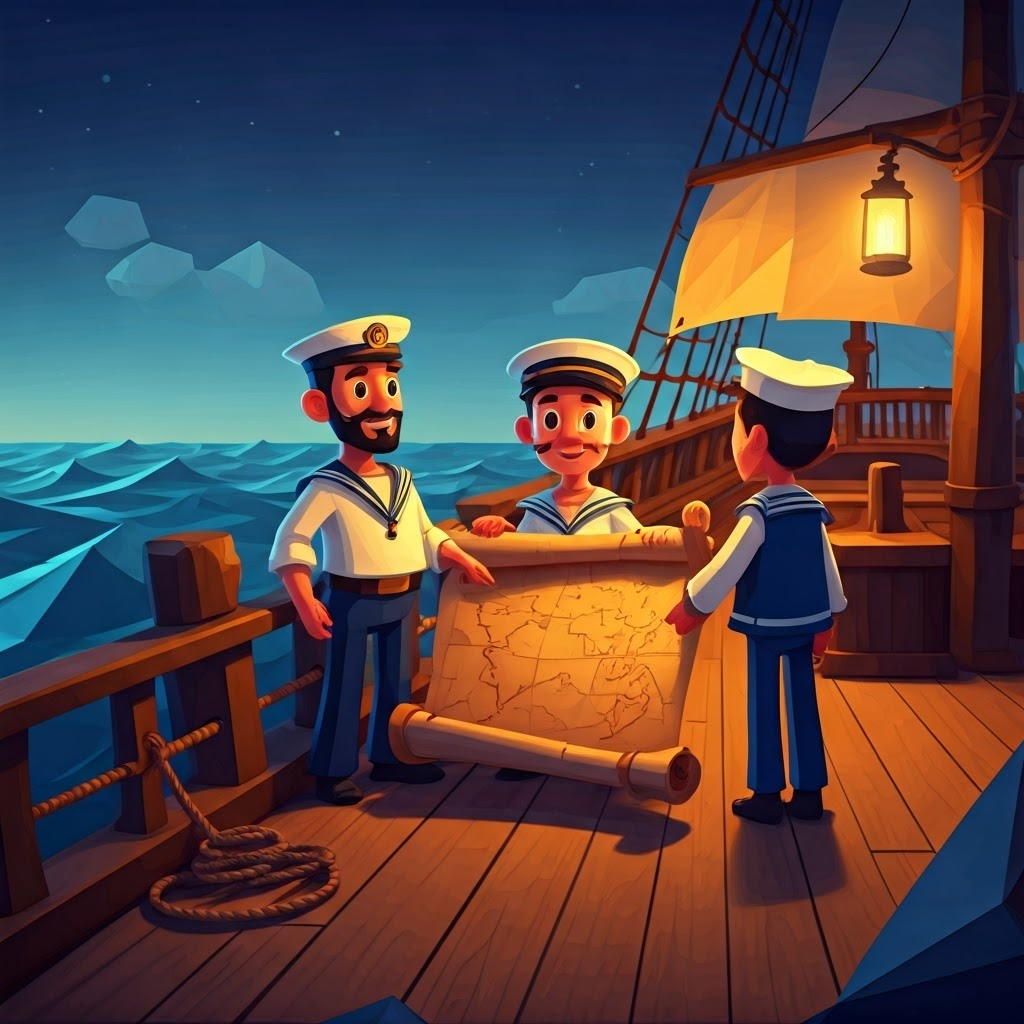
Lost in Translation: Misunderstandings and Surprises
Being lost in translation can trigger comedy or crisis. Columbus asked for gold yet received shiny trinkets because no shared vocabulary existed. Spaniards in Japan said “church,” locals heard “キリシタン,” and the term soon meant the whole new faith.
Famous confusion in Australia turned “kangaroo”—really “I don’t know”—into an animal’s name. Such errors often sparked creativity: the American banjo evolved from tangled African terms, while Canton’s 19th-century pidgin English let Chinese and British traders bargain despite limited grammar.
Mistaken recipes could even birth new dishes. An interpreter guessed ingredients, cooks swapped spices or fish, and the accident became tradition, proving missteps can taste like innovation.
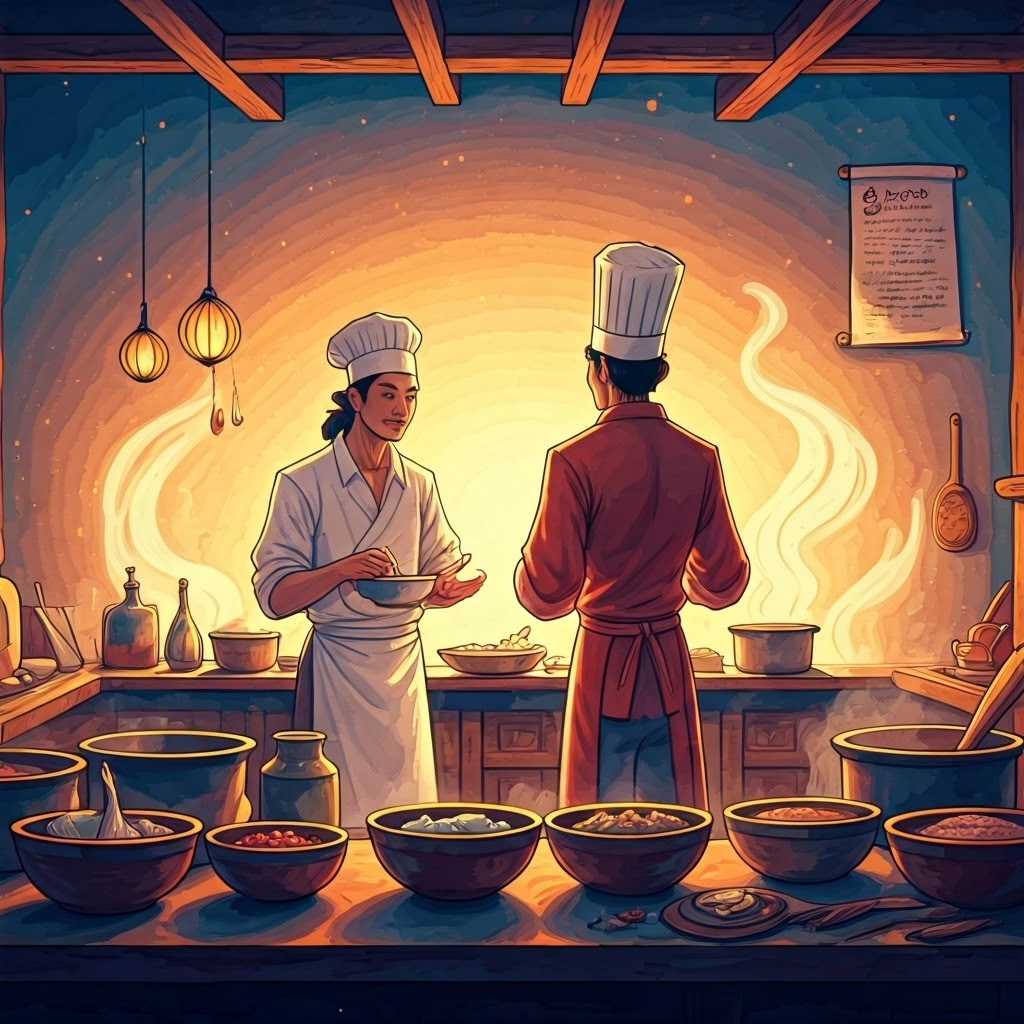
The Legacy of Connection
Languages record failed guesses, quick fixes, and sudden sparks of insight. Interpreters, sailors, and traders stitched together not just words but worlds. Each loanword, hybrid meal, or resolved misunderstanding keeps that legacy alive—proof we still try to make sense of one another, one voice at a time.
