
Why Streets Matter: The Heartbeat of City Life
The City Street: More Than Asphalt
You might walk out your front door and mostly see cars rushing by, yet a street is far more than pavement for traffic—it’s the stage where city life unfolds for everyone.
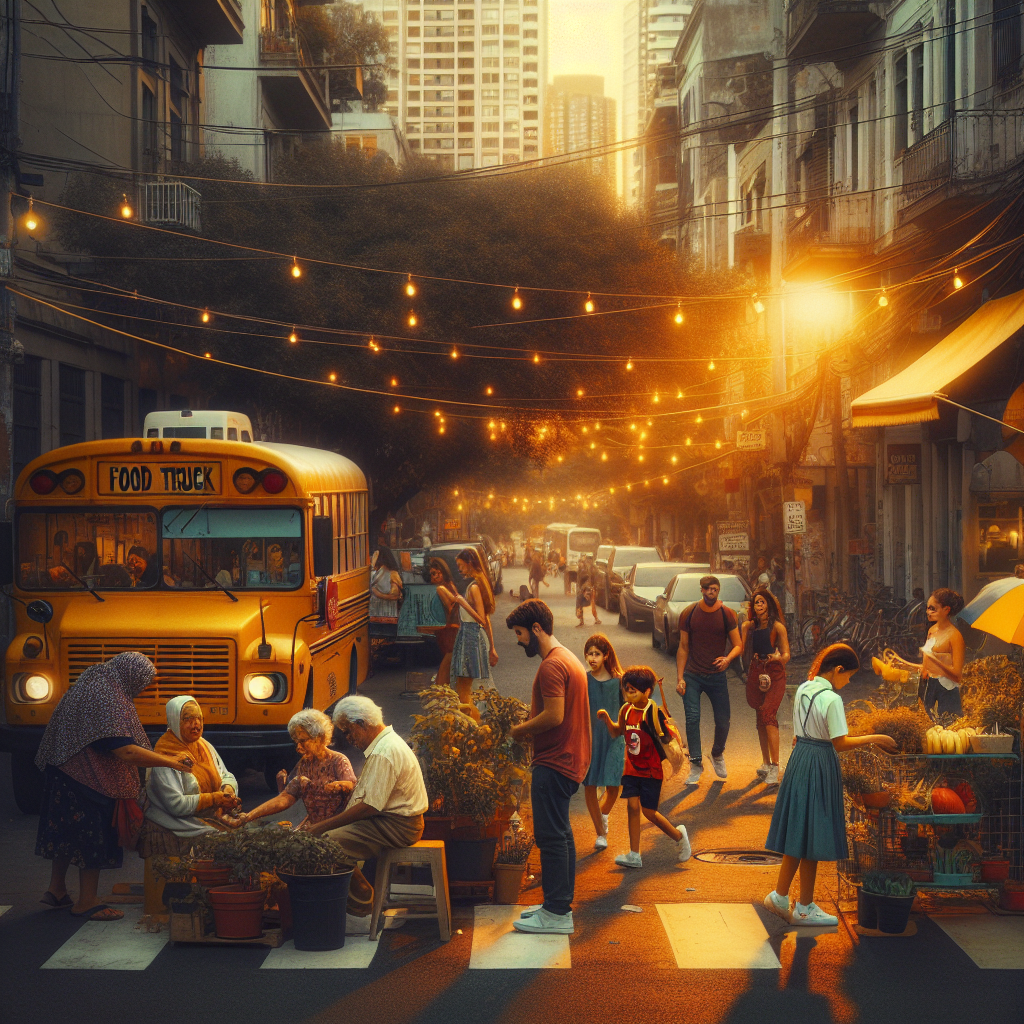
Picture a food truck, a grandma tending curbside plants, kids chasing a bus, and a couple sharing a bench. Each small scene happens on shared ground that belongs to all of us, not only to drivers.
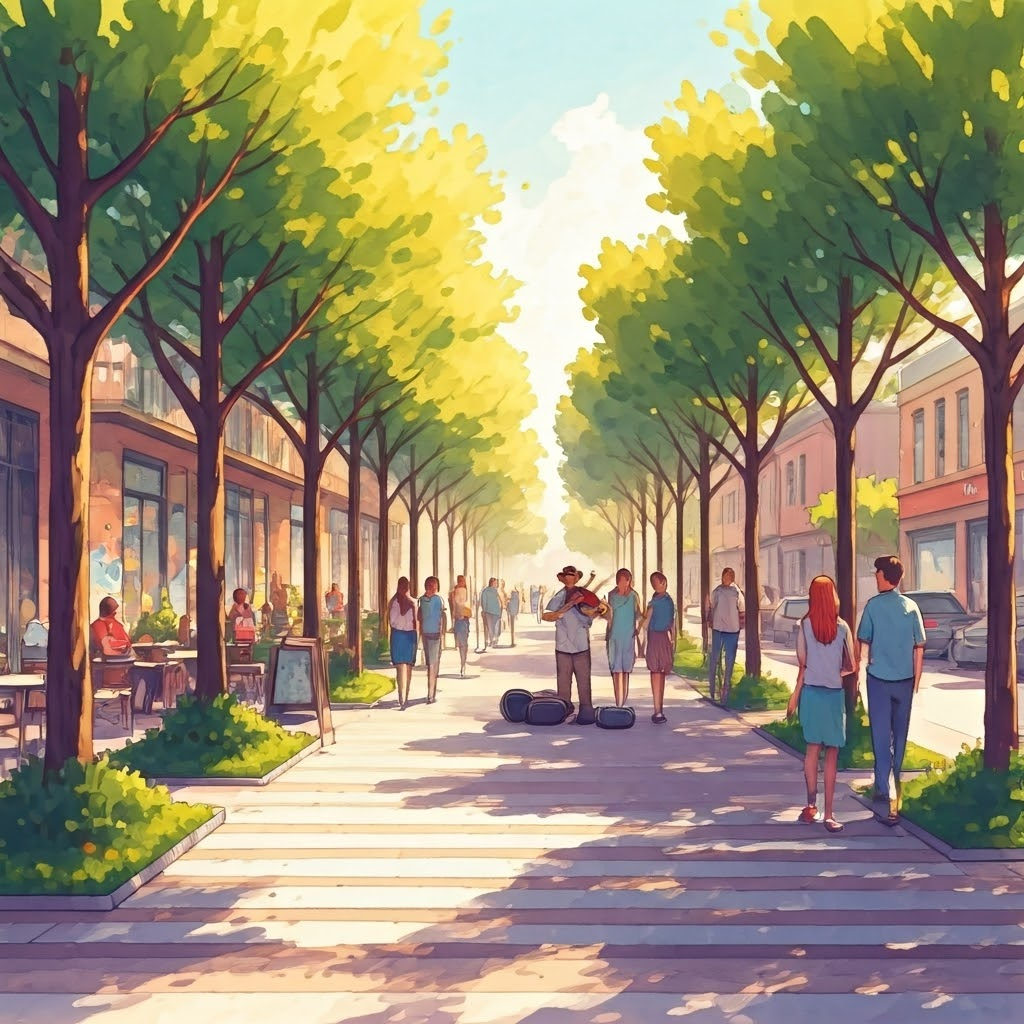
Streets link homes, shops, parks, and schools. They’re where you greet a neighbor, grab coffee, or enjoy a street tune.
Local shops thrive on foot traffic, not giant parking lots. When sidewalks are wide, crossings safe, and shade abundant, the street becomes a friendly stage for chance meetings and daily joy. Streets connect people, not just places.
How We Got Here: A Short History of Getting Around
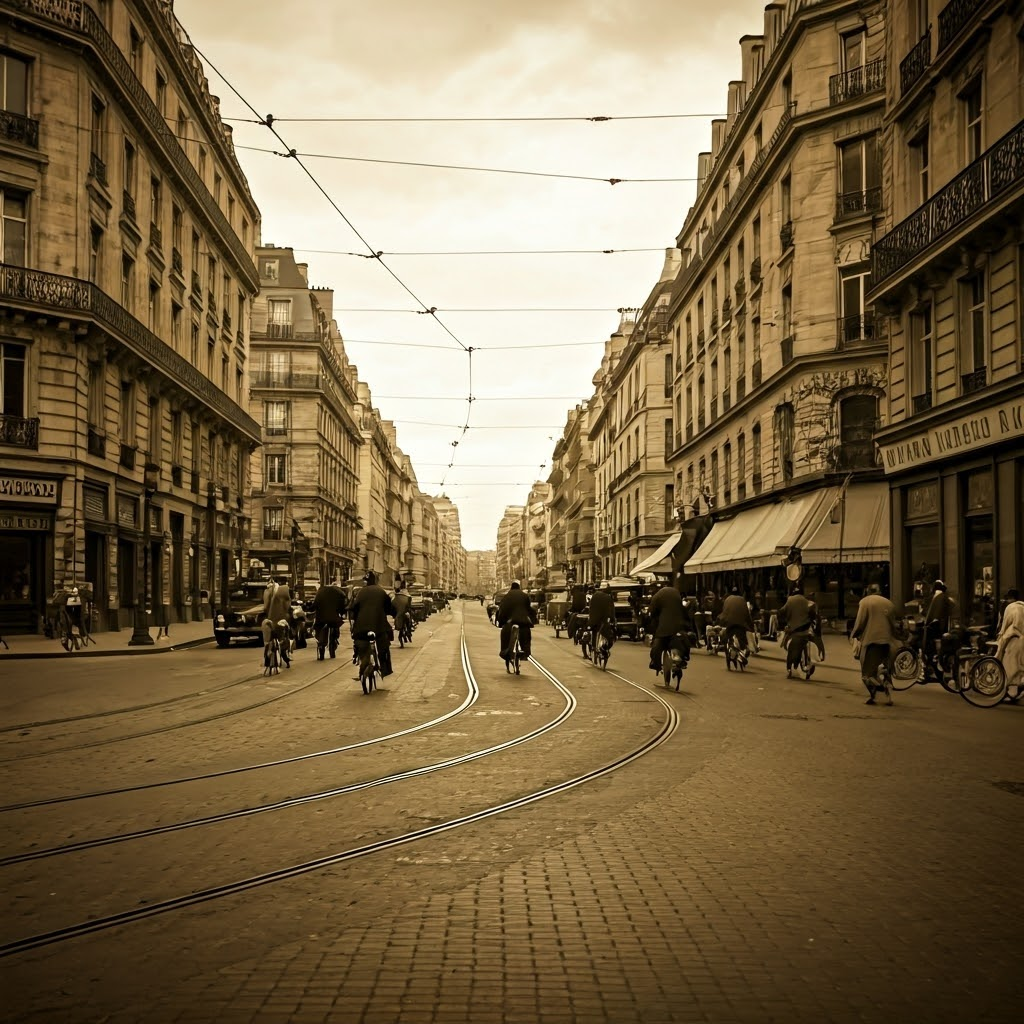
A few decades ago, city streets bustled with walkers, streetcars, and bikes. Old photos of Paris or Chicago reveal crowds moving together, not rows of parked cars.
After World War II, cars took center stage. Planners, nudged by automakers, built bigger, faster roads. Highways sliced neighborhoods, and parking lots replaced markets.
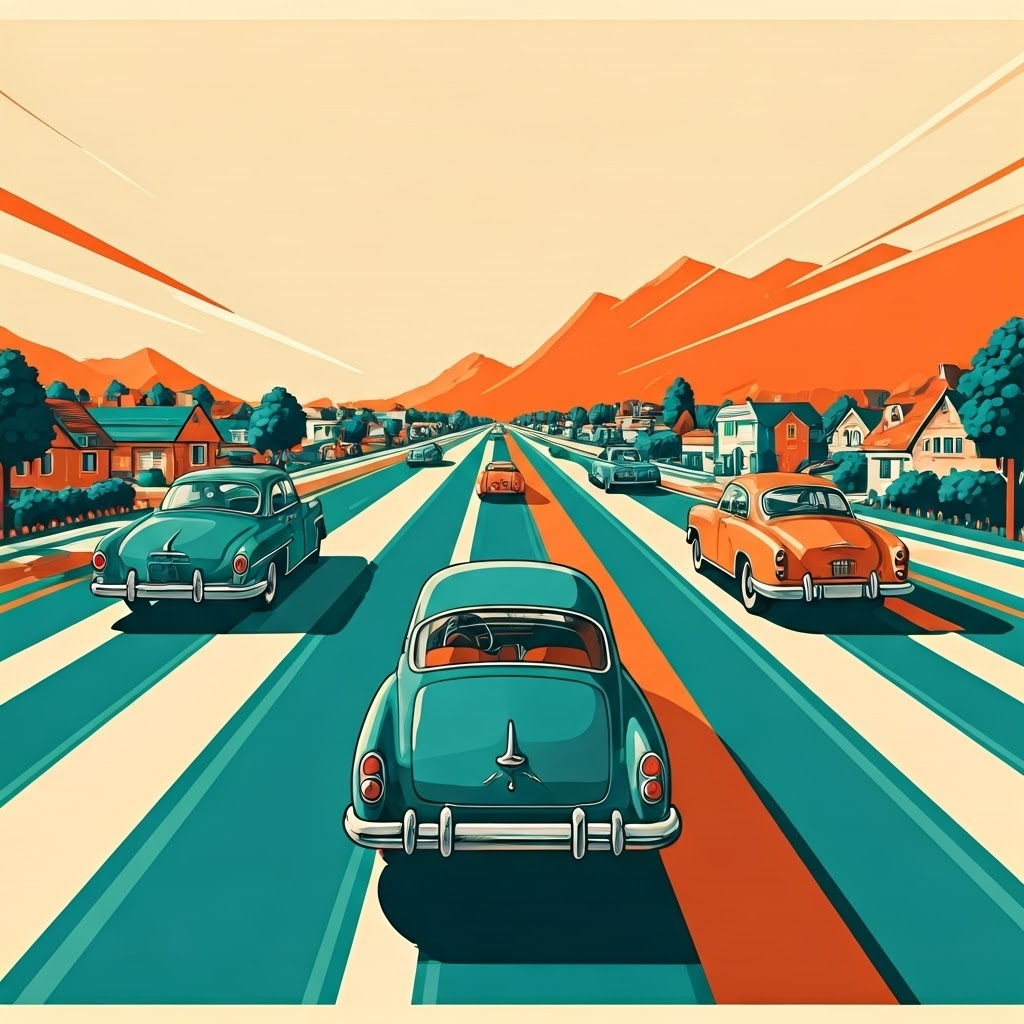
This “progress” overlooked people who can’t drive. In many U.S. cities, over half of public space now serves cars. Los Angeles even has more parking spots than residents.
Mandatory parking minimums spread towns outward, making daily life nearly impossible without a vehicle. The classic main street shrank under wide, busy roads.
The Cost of Car-Centric Cities
When streets put cars first, everyone pays—even drivers.
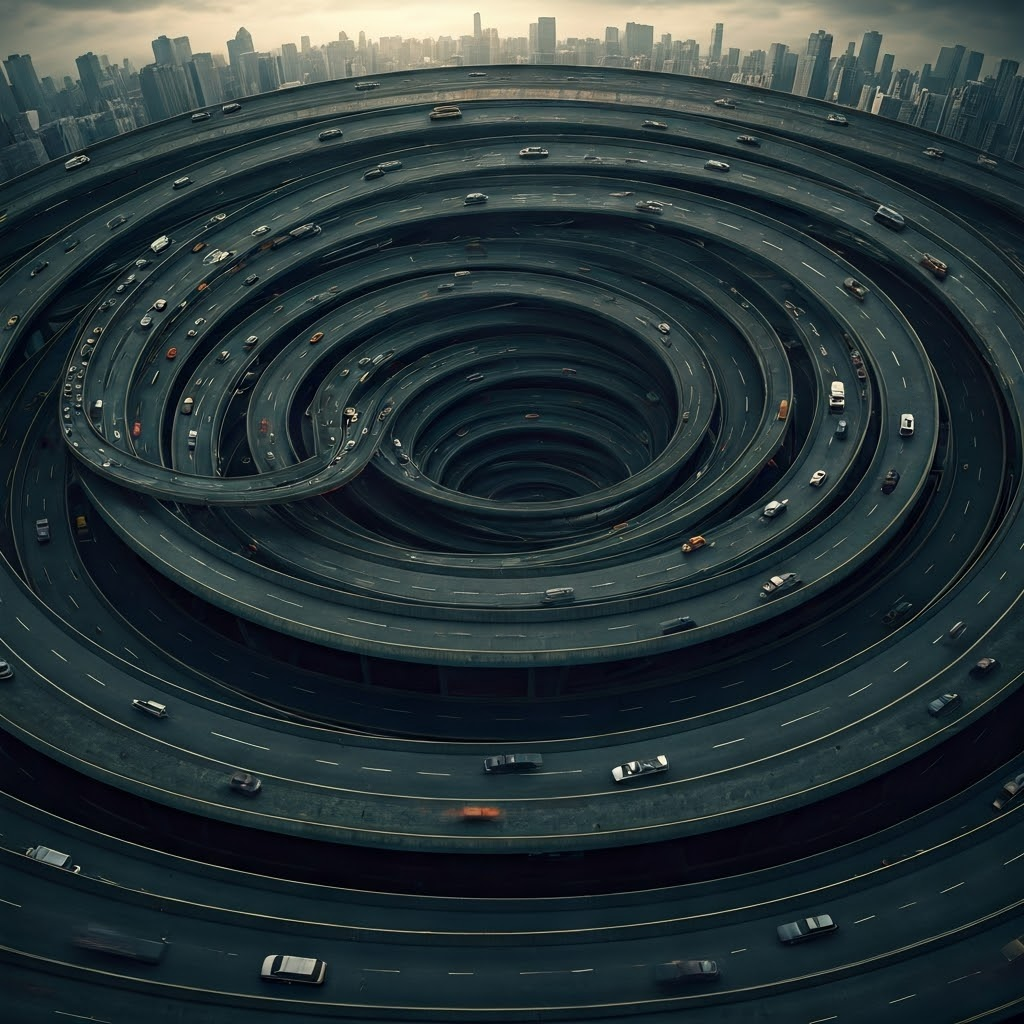
Traffic jams steal time; Americans lose about 97 hours a year in congestion, nearly four full days.
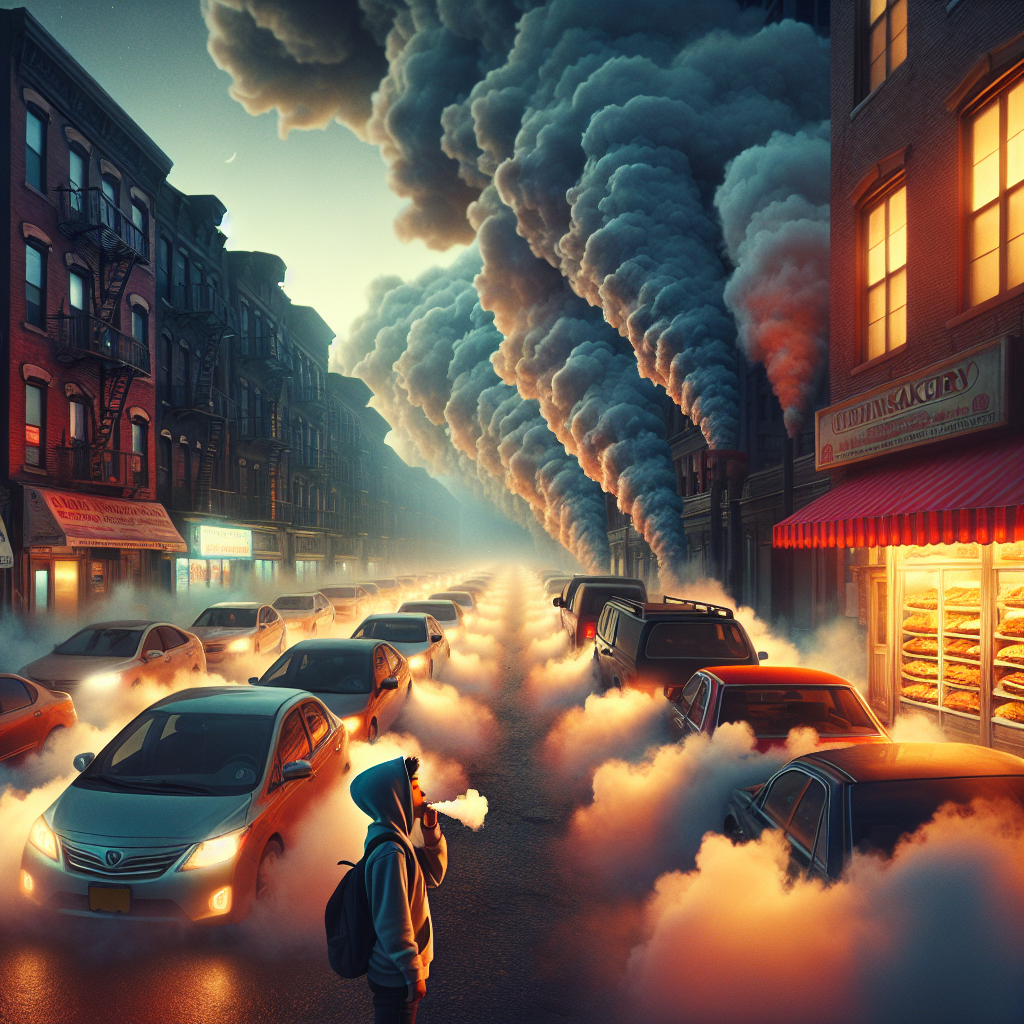
Tailpipes release fine particles that slip into lungs and blood. Living near heavy traffic raises risks of asthma and heart disease. Poorer neighborhoods, often closest to highways, breathe the dirtiest air.
Local business suffers too. Studies in Toronto and London show pedestrians and cyclists spend more per month than drivers because they visit more often. Wide roads and parking lots crowd out outdoor seating and bike racks, draining street life and safety.
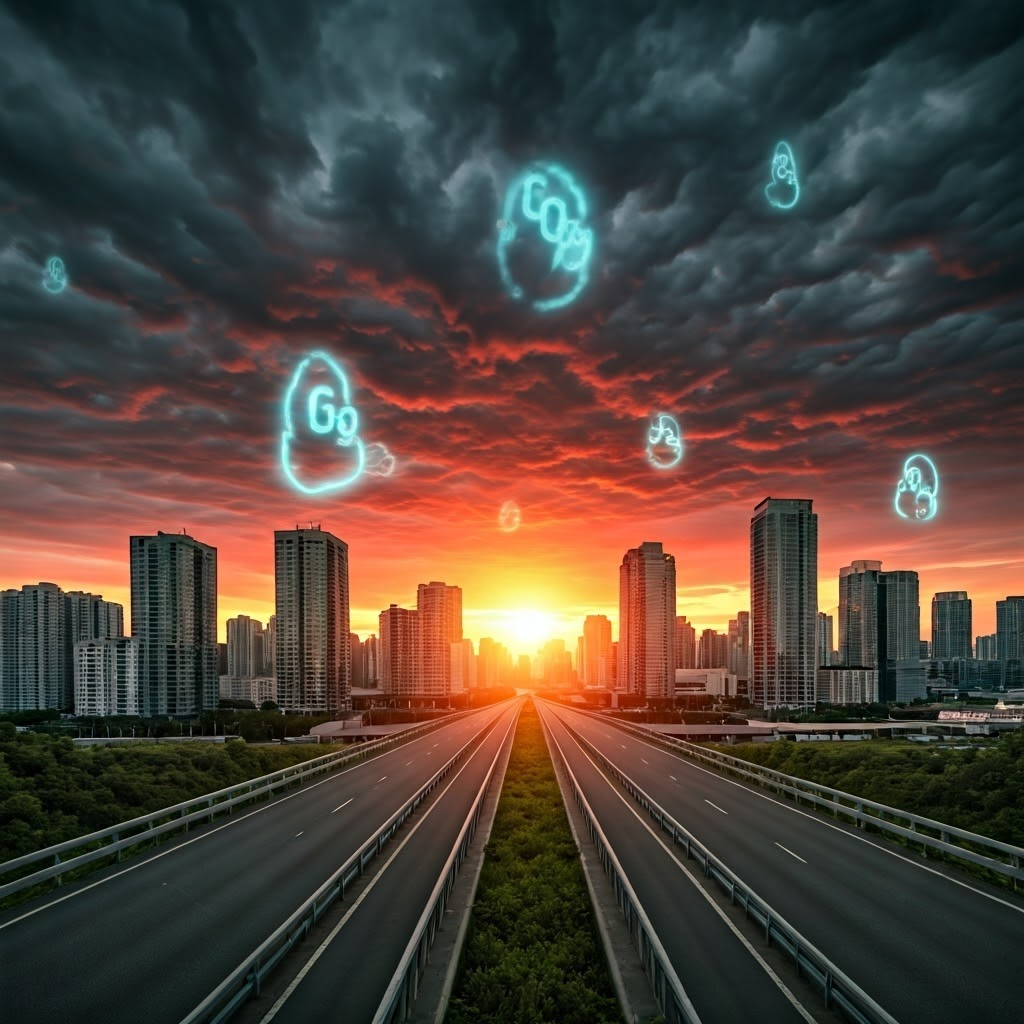
Transport is a top source of greenhouse gases—up to 40 % in the U.S.—fueling heatwaves, fires, and storms.
What Happens When We Change the Rules
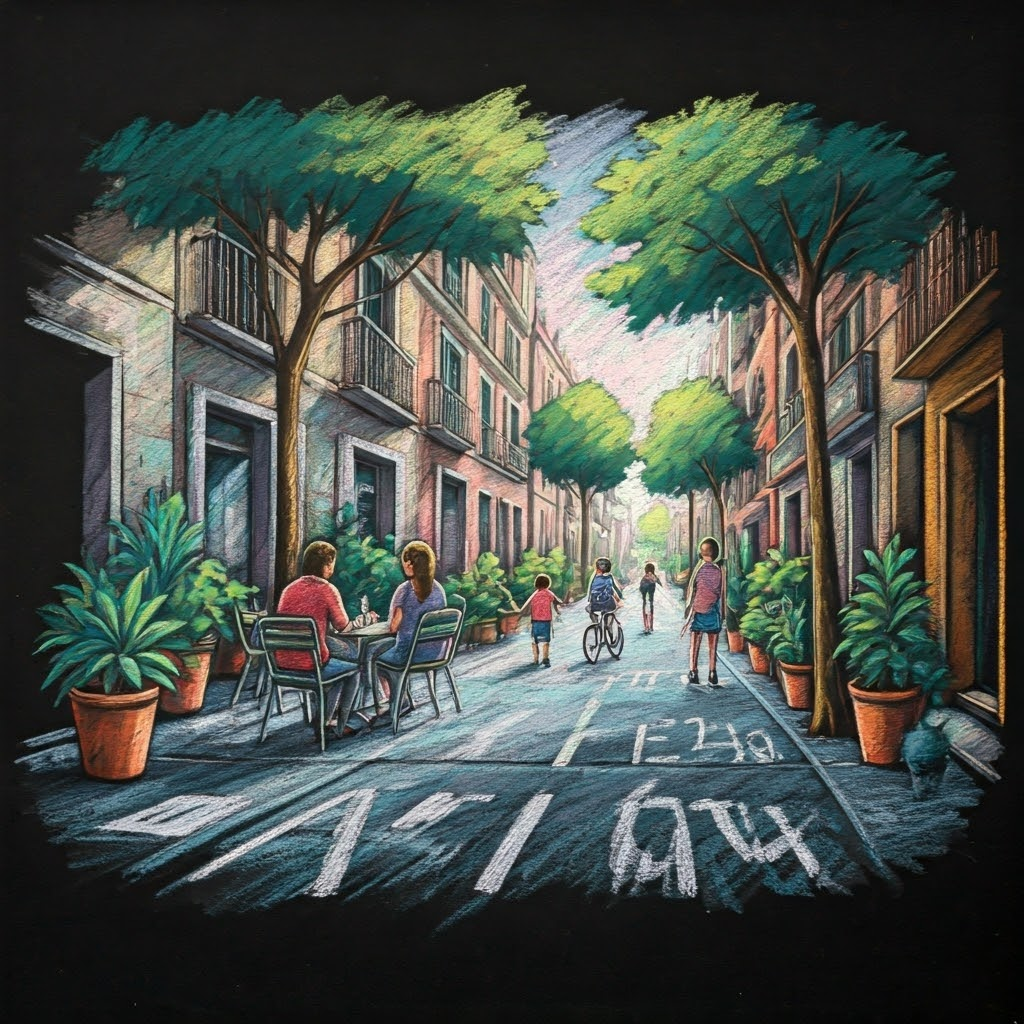
Cities can choose a different path. Barcelona grouped streets into “Superblocks,” blocking through-traffic so people can walk, play, and relax. Air and noise fell, while new cafés filled former roadway.
In New York, closing parts of Times Square to cars replaced gridlock with tables and chairs, turning the space into a people magnet.
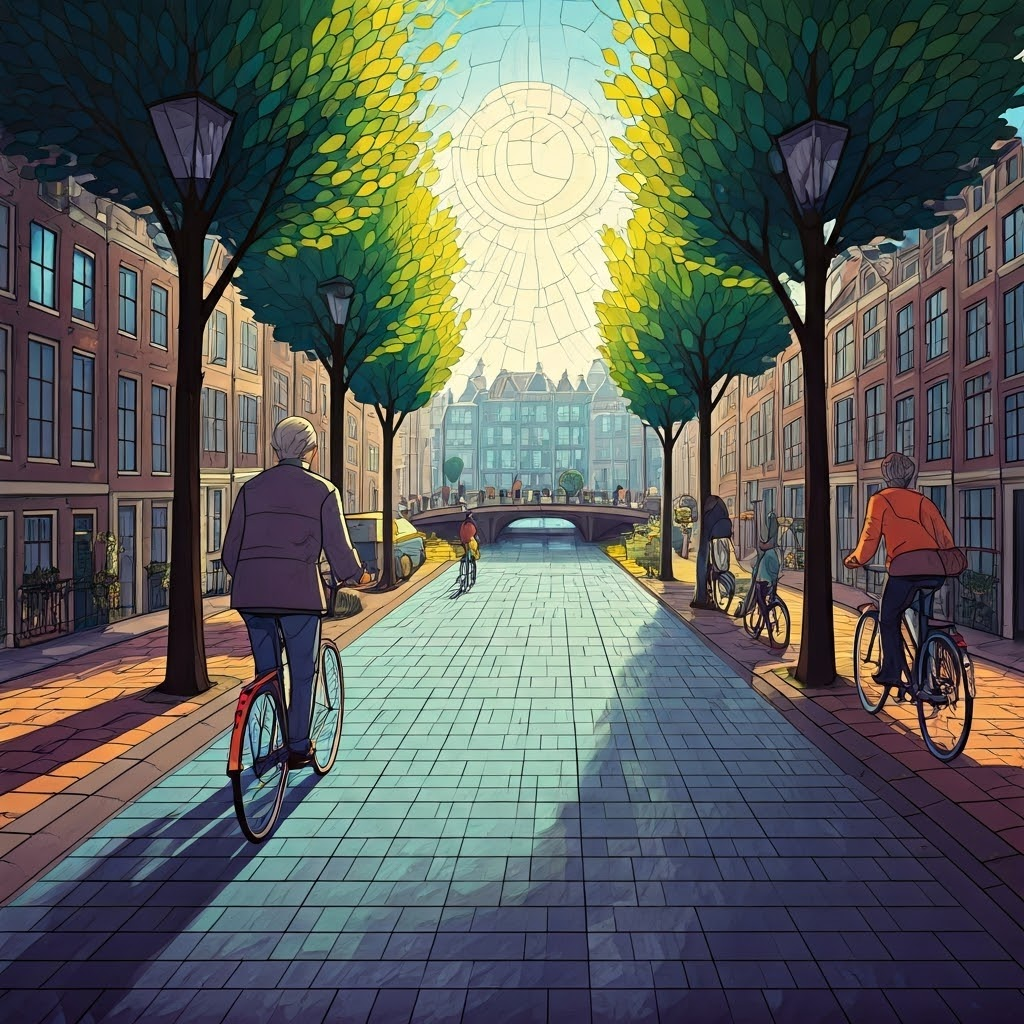
Amsterdam shifted from car-heavy to bike-friendly in the 1970s through protected lanes and calm streets. Kids and seniors now pedal safely.
Bogotá joins in by closing roads each Sunday for “Ciclovía,” inviting millions to walk, skate, and ride together.
The payoff is clear: cleaner air, safer travel, thriving shops, and a stronger sense of belonging. While fears about lost parking or slower commutes arise, benefits stack up fast—quieter nights, vibrant blocks, and streets that simply feel better. When cities put people first, everyone wins, drivers included.
