
Why Did Everyone Move to the City?
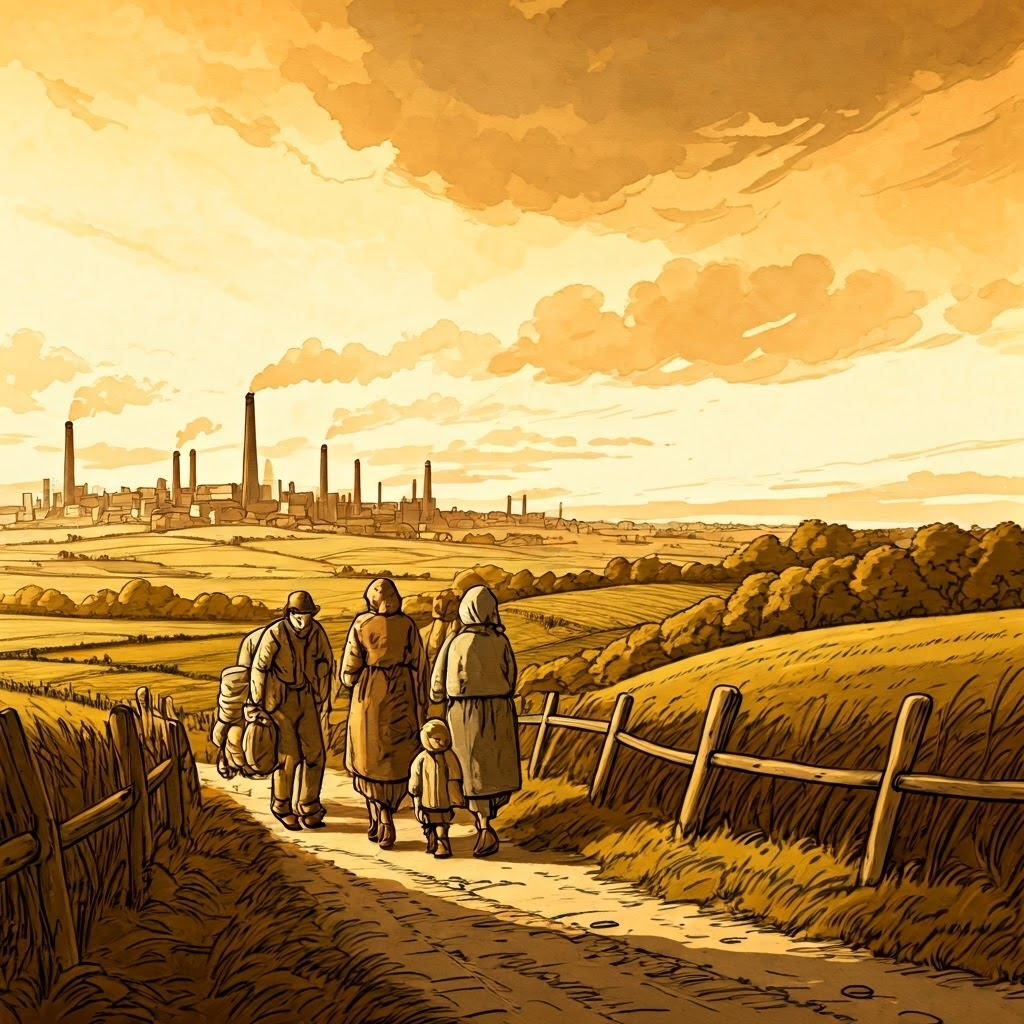
Imagine a quiet village at dawn. A farming family packs its few belongings while factory chimneys rise in the misty distance. They leave behind uncertain harvests for the promise of steady coins in the city.
The Lure of Factory Work
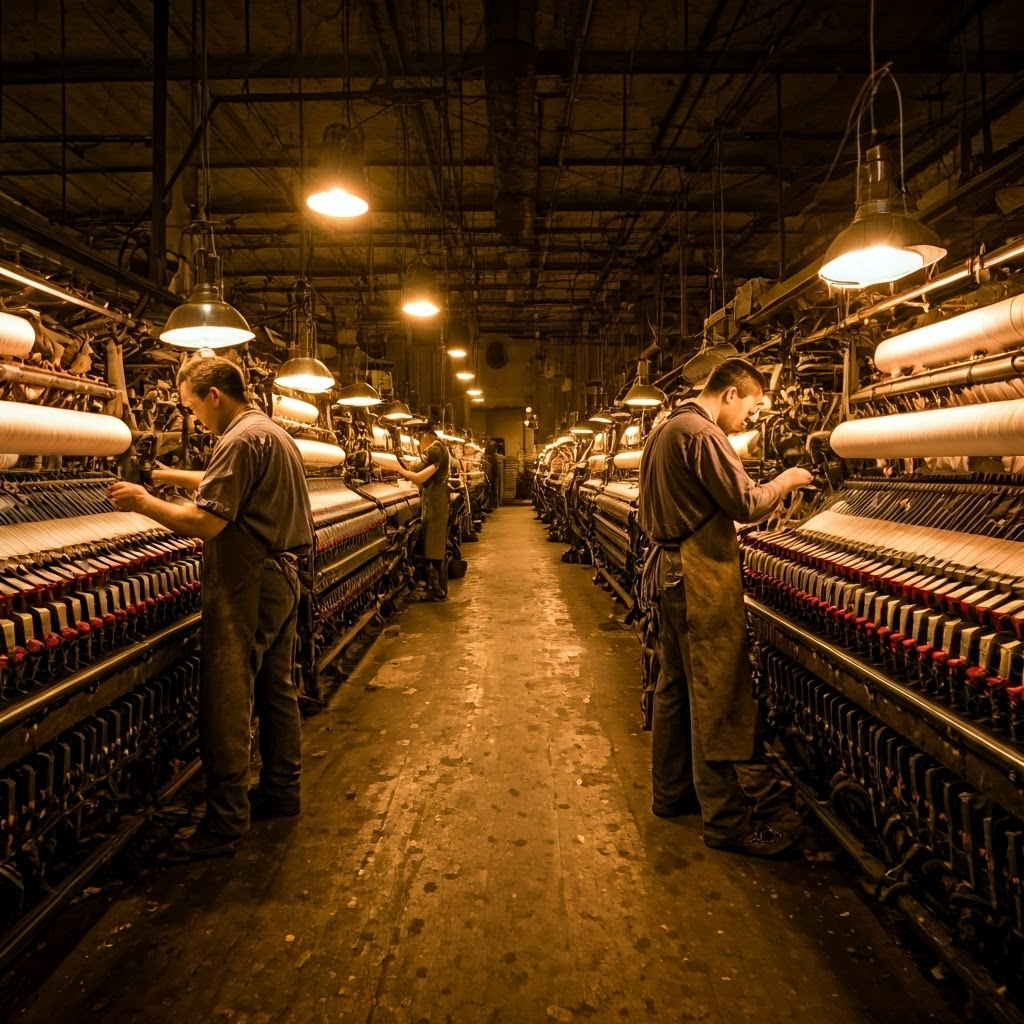
Factory jobs meant regular hours and predictable pay. Compared with seasonal farm chores, a weekly wage felt secure. Even harsh shifts seemed worth it when you could plan tomorrow’s meals.

A few coins also hinted at mobility. New boots, a better room, or lessons for a child suddenly came within reach. Mary, a spinner, recalled saving a shilling—something her father’s farm never allowed.
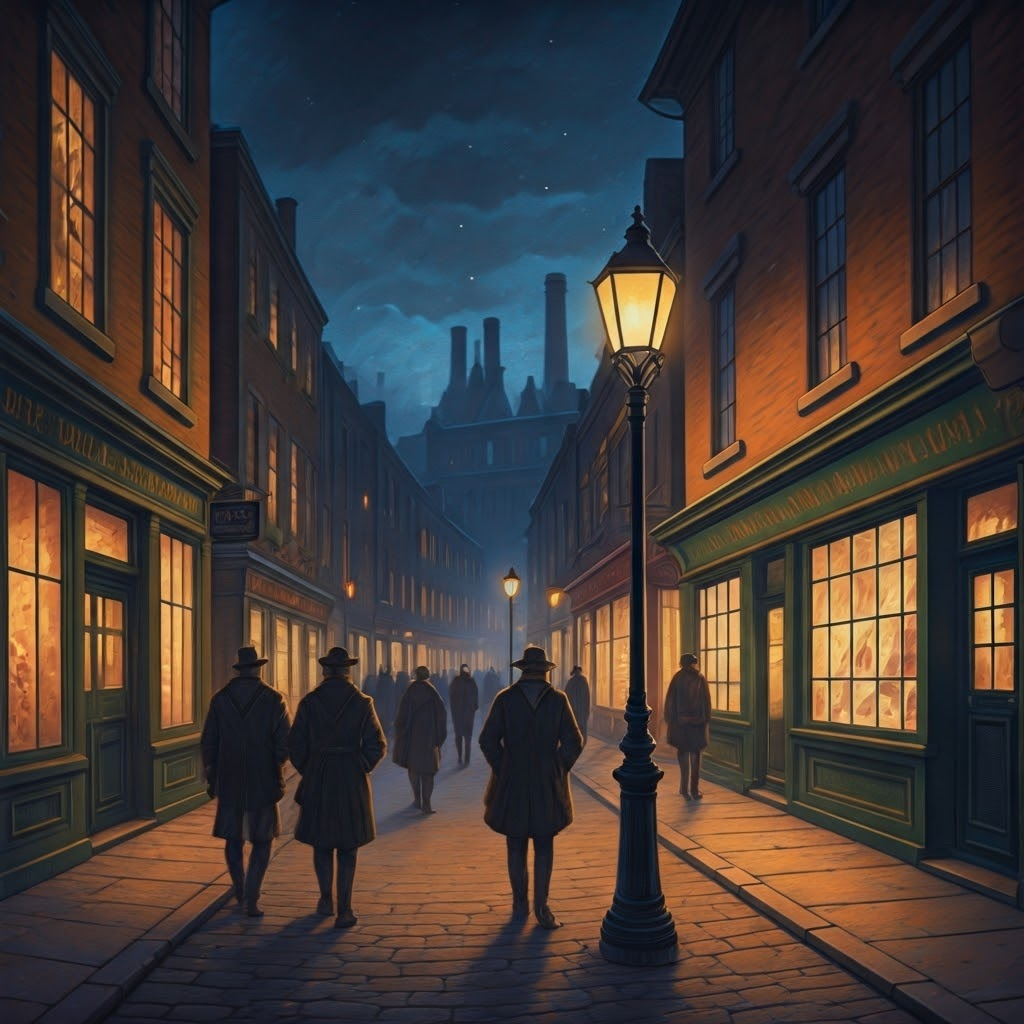
Cities offered sights unknown in small parishes. Gas lights, crowded markets, and evening music fed a sense of possibility that pulled thousands toward the smoke-filled horizon.
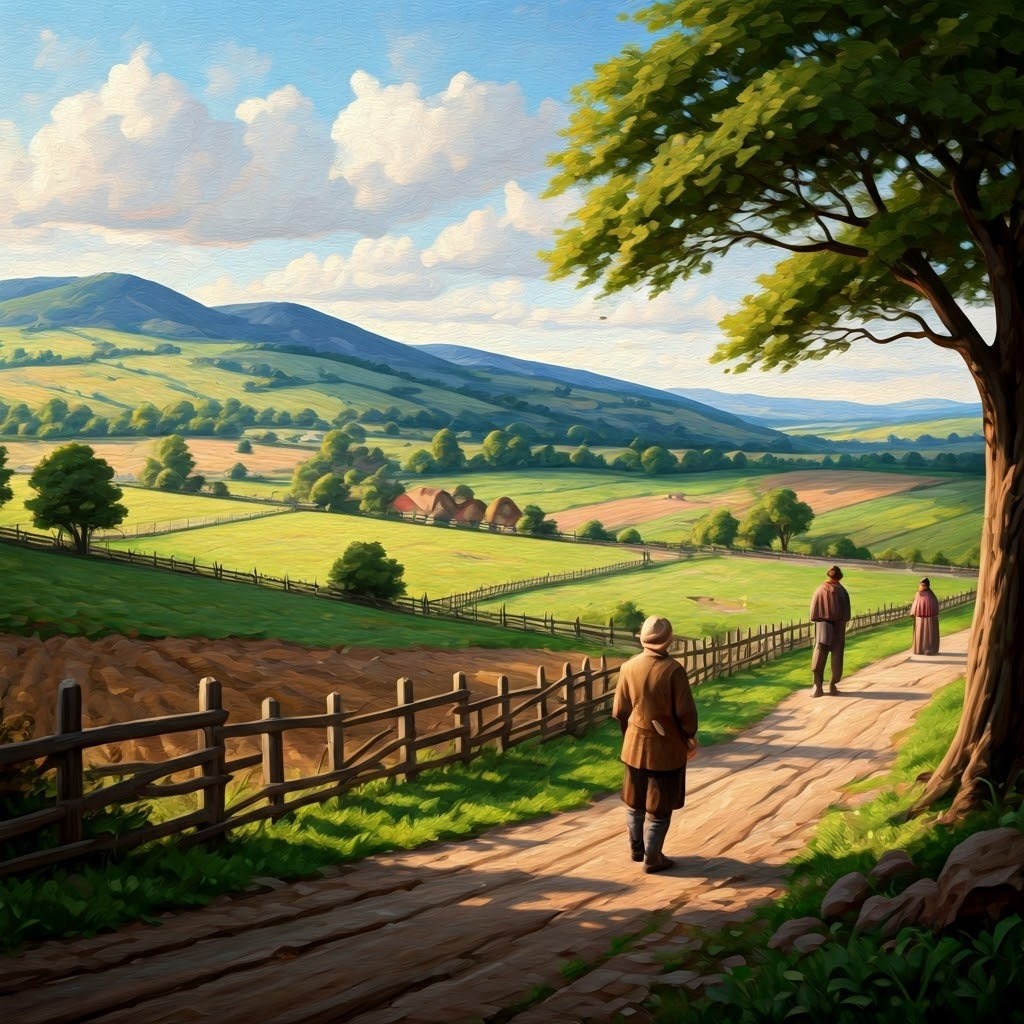
When the Farm Couldn’t Feed You
Enclosure laws fenced off common land, pushing small farmers aside. Generations who once shared meadows lost both pasture and pride almost overnight.
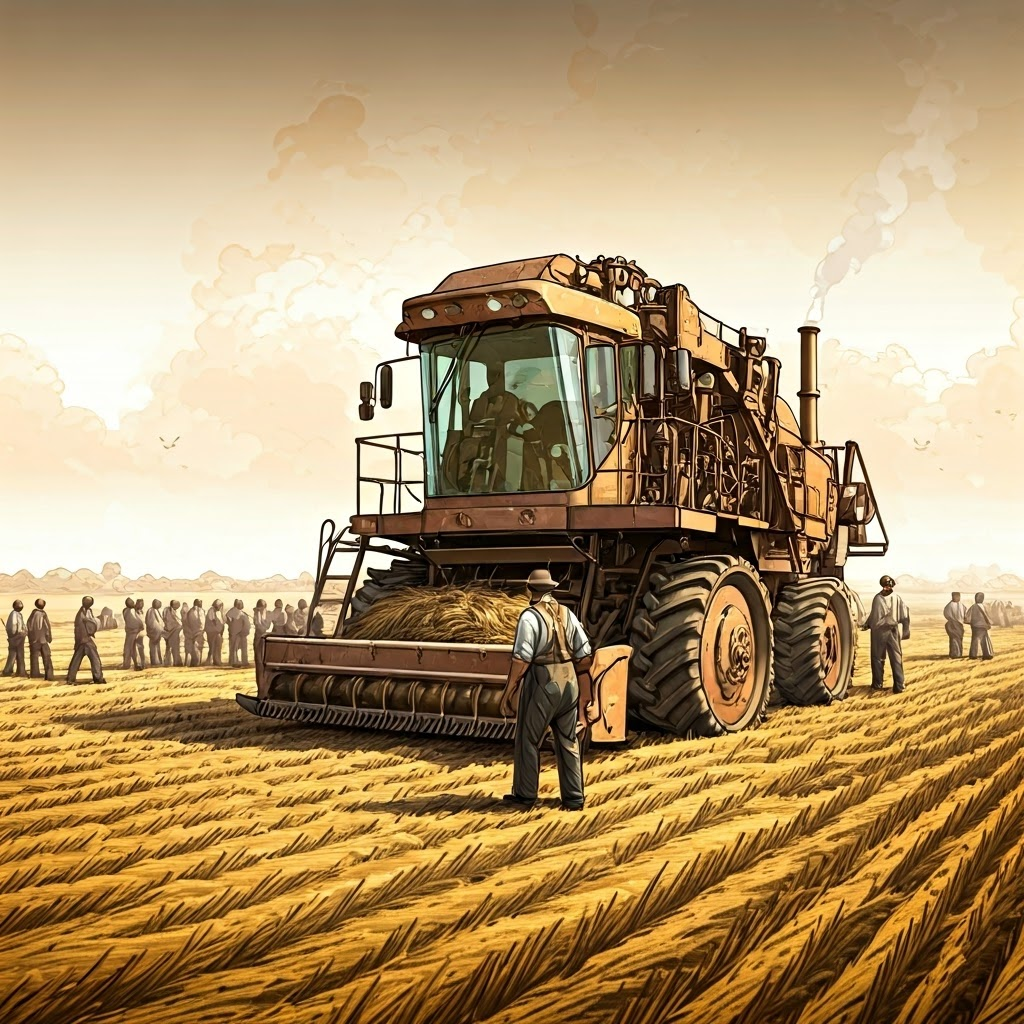
Mechanized tools trimmed labor needs. A single threshing machine could replace a crew, leaving young workers idle amid a rising population.
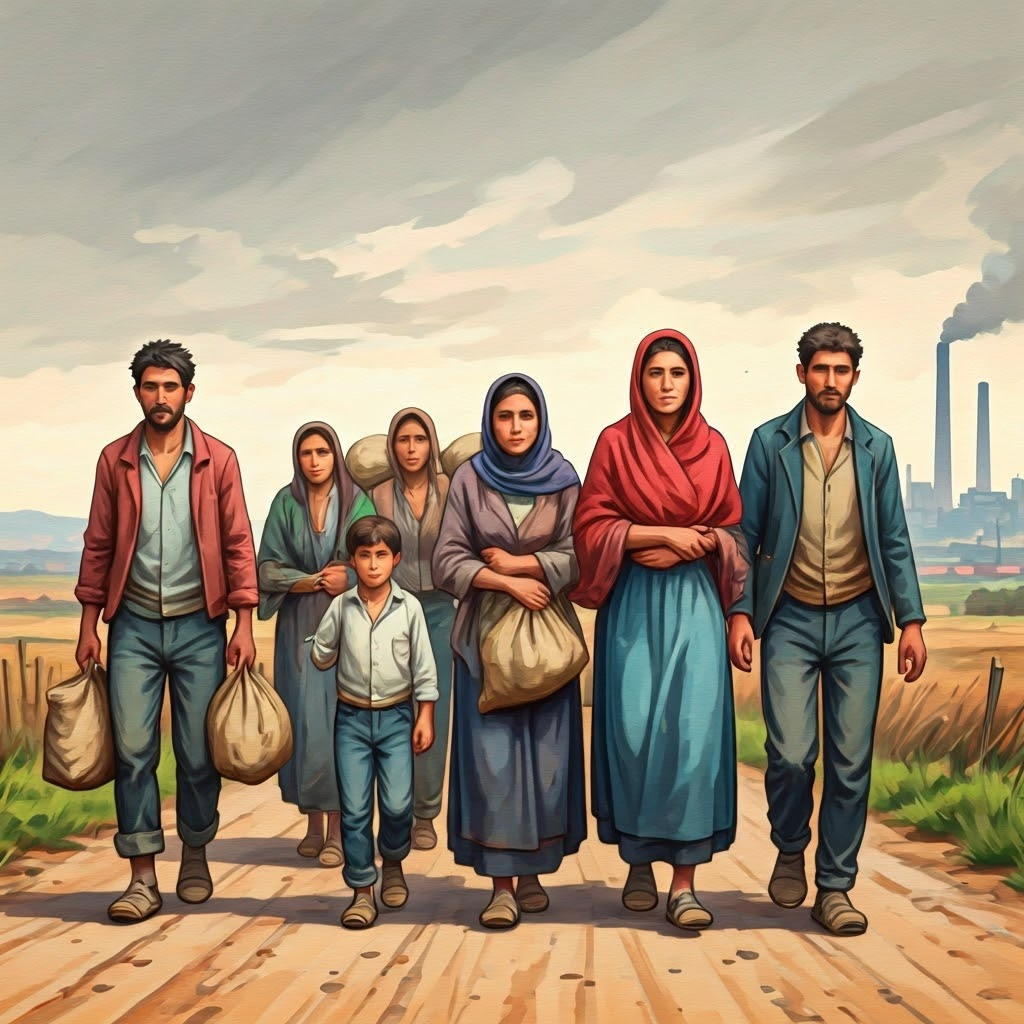
Bad harvests and soaring grain prices forced a brutal choice—move or starve. Word of mill jobs, though grim, sounded better than empty cupboards.

Dreams and Disappointments
Newcomers arrived with dreams of clean rooms and fortune. One Leeds youth vowed to send money home and “make his name” in the bustling streets.
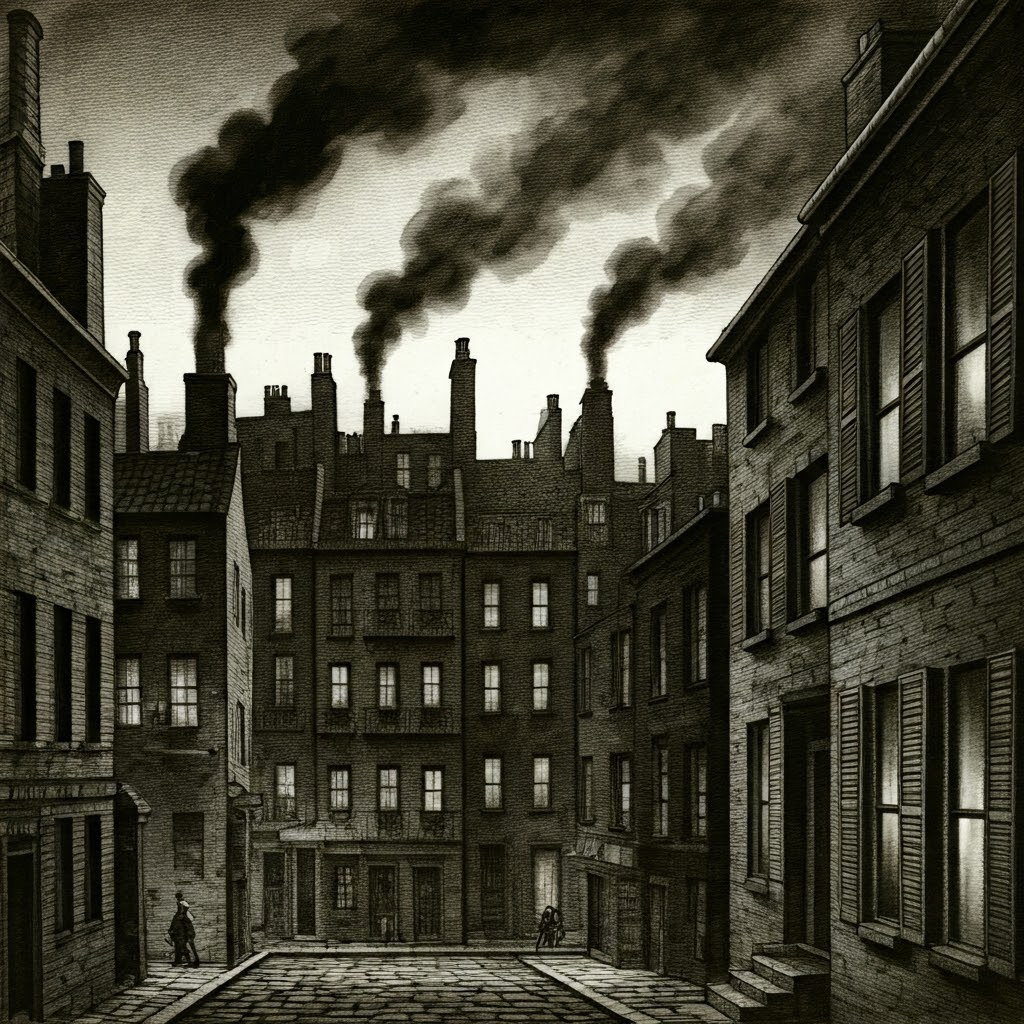
Reality struck fast. Smoke darkened skies, rents ate wages, and illness spread in cramped attics. Factories closed without warning, leaving pockets—and futures—empty.
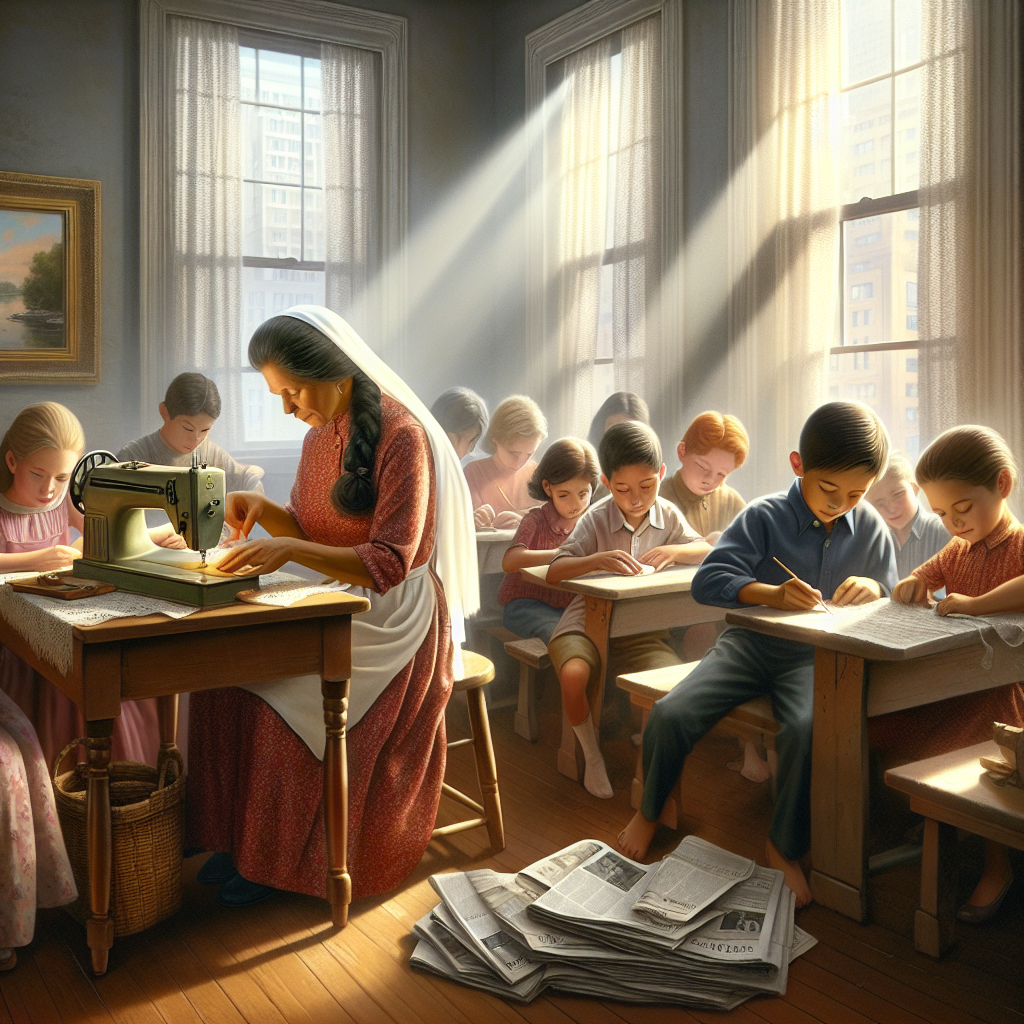
Yet city life offered small freedoms. Women earned outside the home. Children learned letters at Sunday school. Newspapers and music halls opened worlds a village never could.

Migration reshaped cities into mosaics of accents and hopes. The mix brought challenges and fresh chances, igniting an enduring urban awakening.
