
When the Axis Seemed Unstoppable
In 1939 and 1940 the Axis advance felt irresistible. German tanks and dive-bombers smashed borders before defenders could react, and civilians woke to chaos that rewrote their world in days.
Lightning Strikes: Blitzkrieg and Early Axis Victories
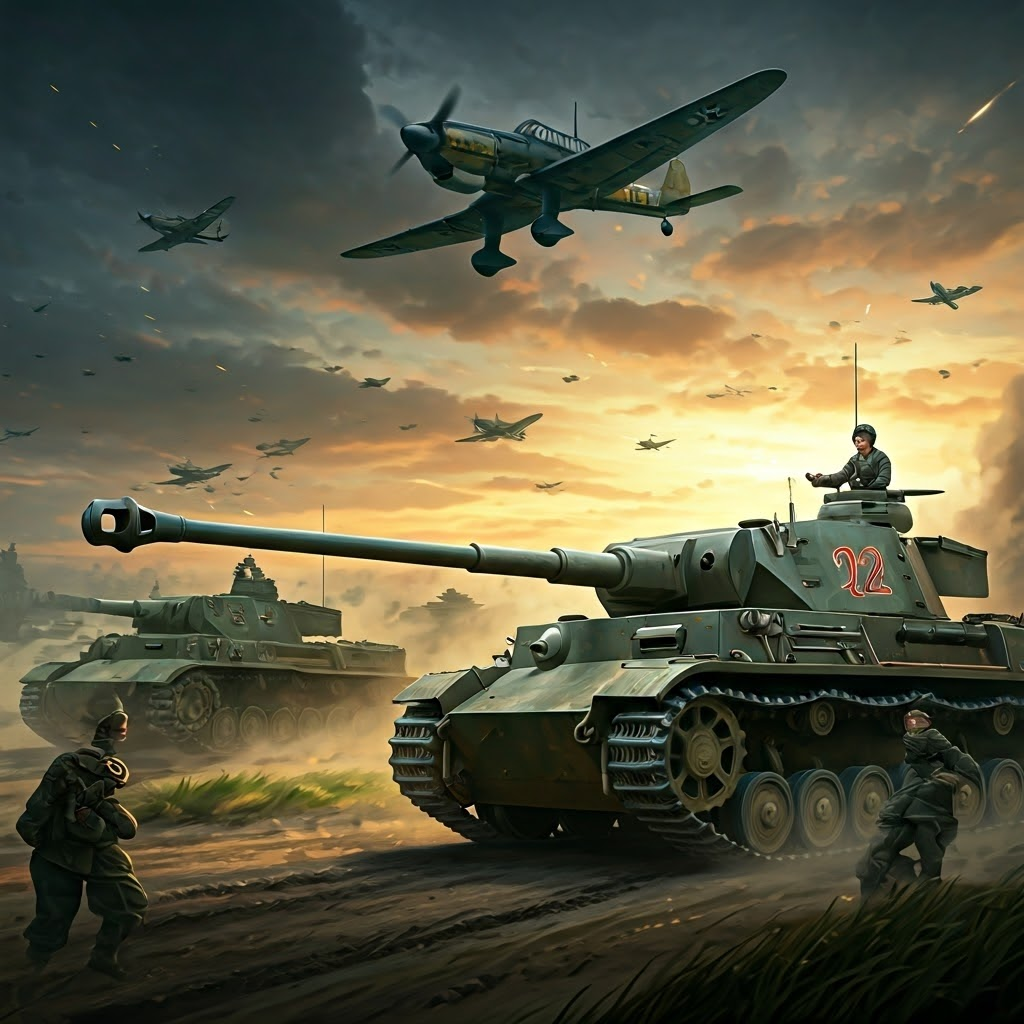
Picture the shock of hearing engines roar, bombs whistle, and walls crumble before sunrise. Blitzkrieg—German for lightning war—combined fast armor, close-air support, and radios to shatter defenses before they formed.
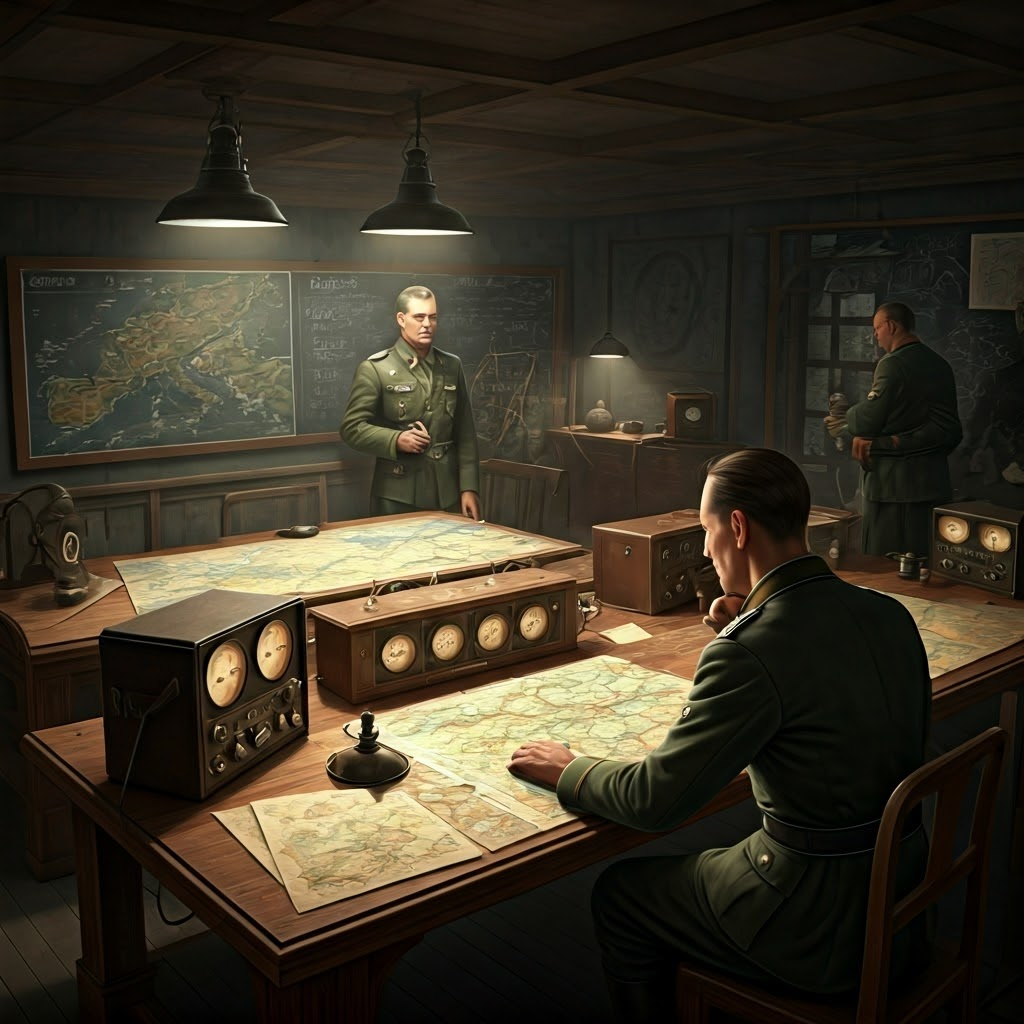
Allied leaders still planned for slow trench battles. Poland fell in weeks, Belgium in days, and France collapsed so fast that British troops fled at Dunkirk without their gear. Old rules no longer applied.
Operation Barbarossa: The Soviet Gamble
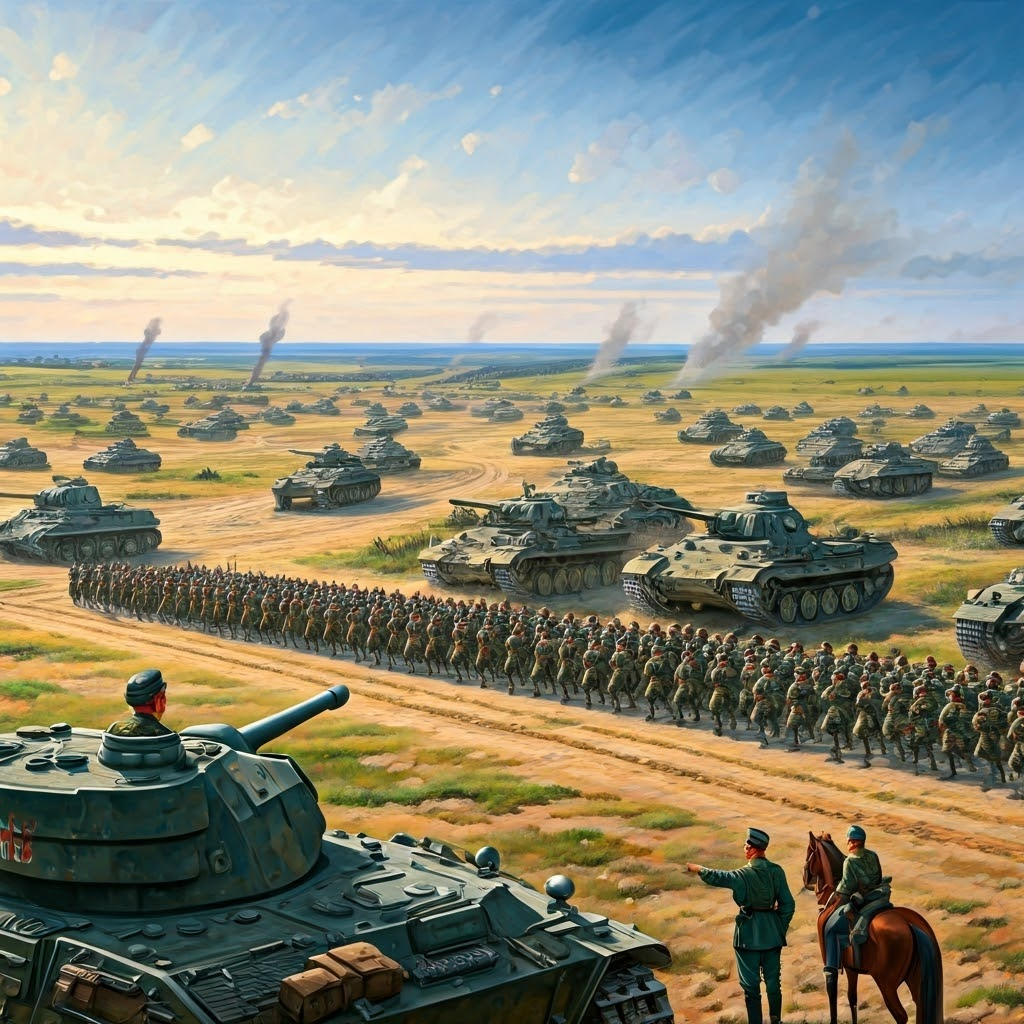
In June 1941 Hitler unleashed Operation Barbarossa—over three million soldiers stormed the USSR hoping for another quick knockout. Early results echoed France: Soviet armies encircled, cities captured, panic everywhere.
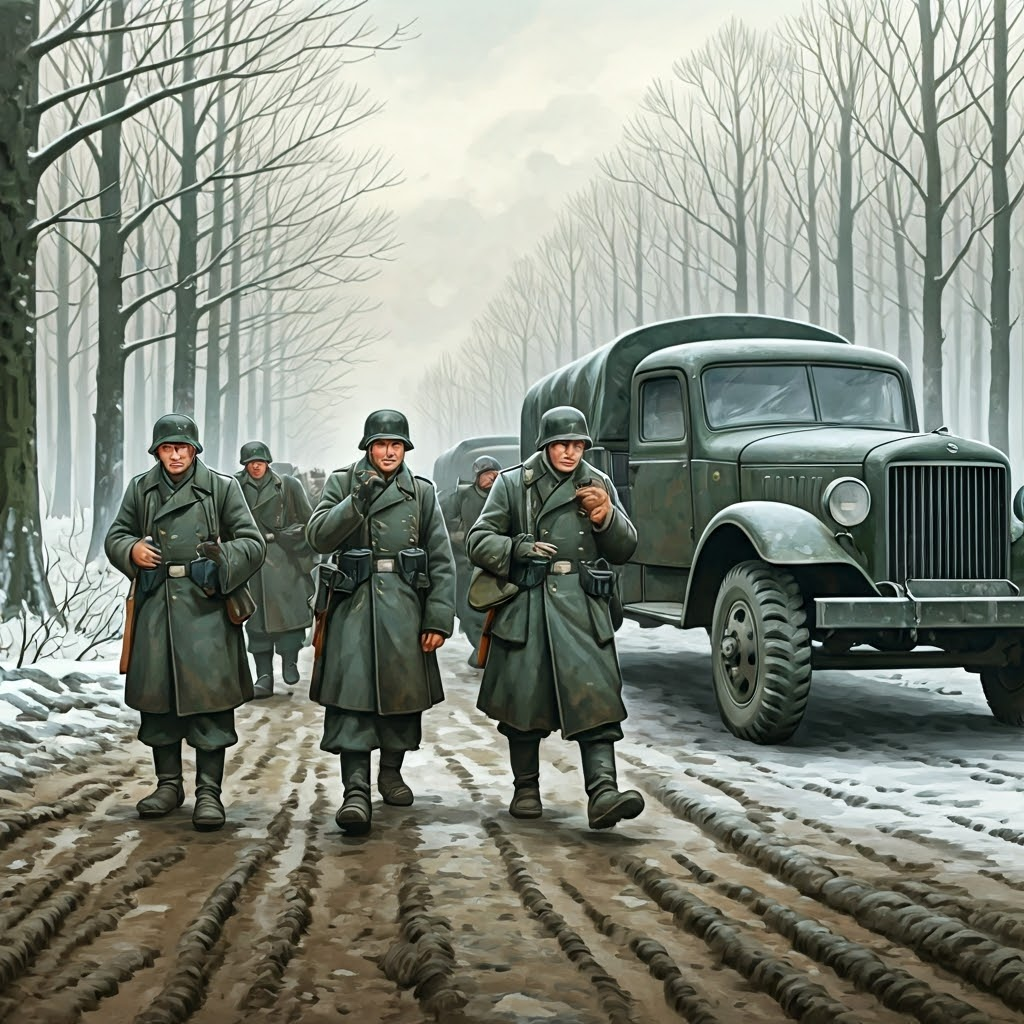
Then autumn rains turned roads to sludge, and winter froze men and machines. The Red Army regrouped, and the Kremlin’s spires stayed distant. Speed lost its edge on the endless, icy plain.
Siege of Leningrad: Endurance Under Fire
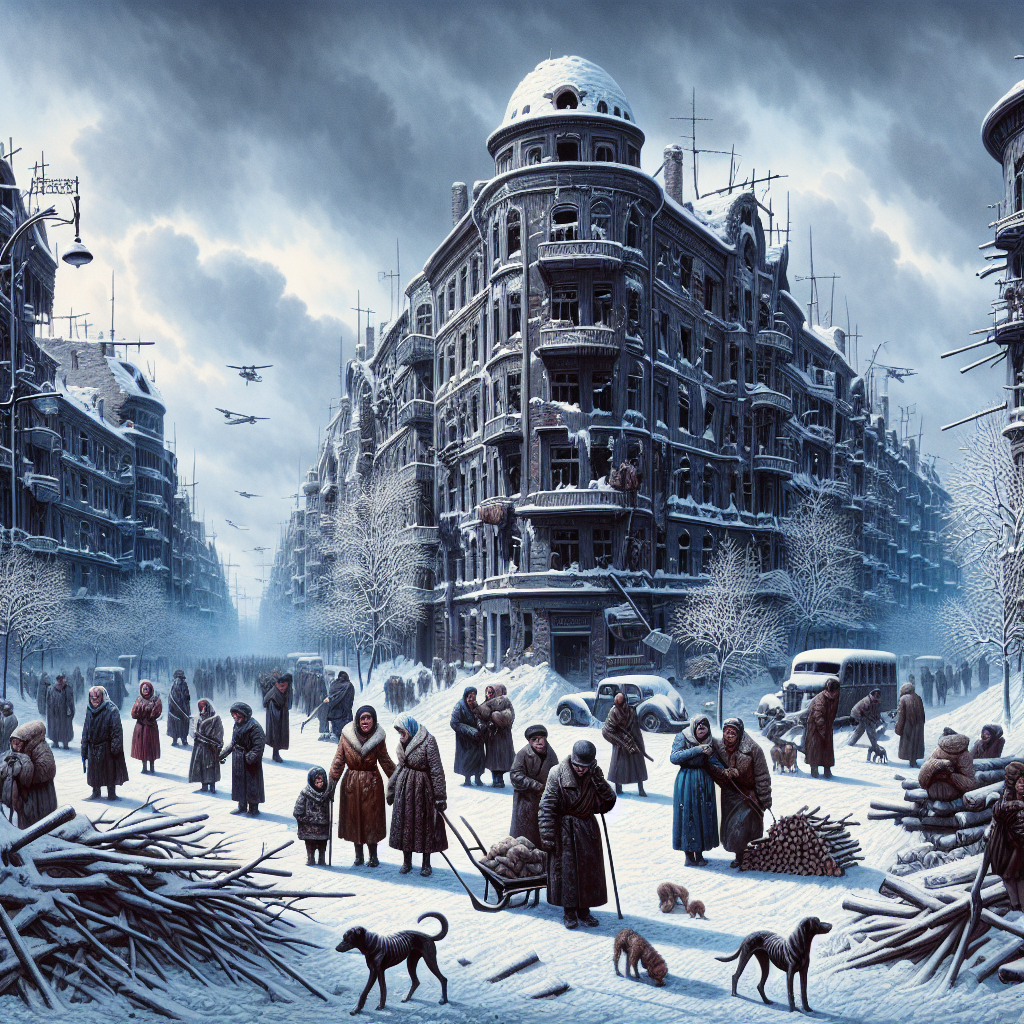
The Siege of Leningrad lasted almost 900 days. Food vanished, temperatures plunged below −30 °C, and citizens burned furniture for heat yet refused to yield.
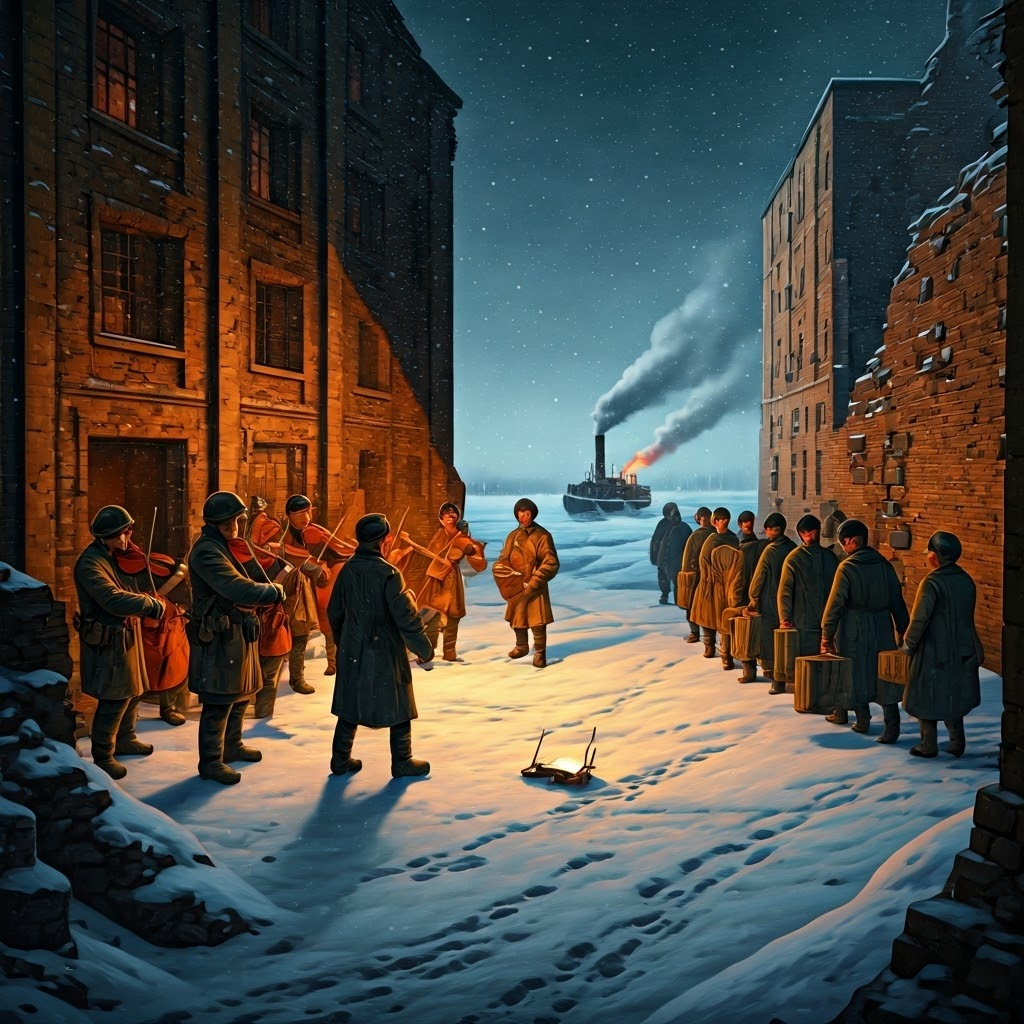
Children dug trenches, factories worked under shellfire, and convoys crept over frozen Lake Ladoga. A million civilians died, but their stand drained German strength and proved Soviet endurance.
Pacific Thunder: Japan’s Early Triumphs
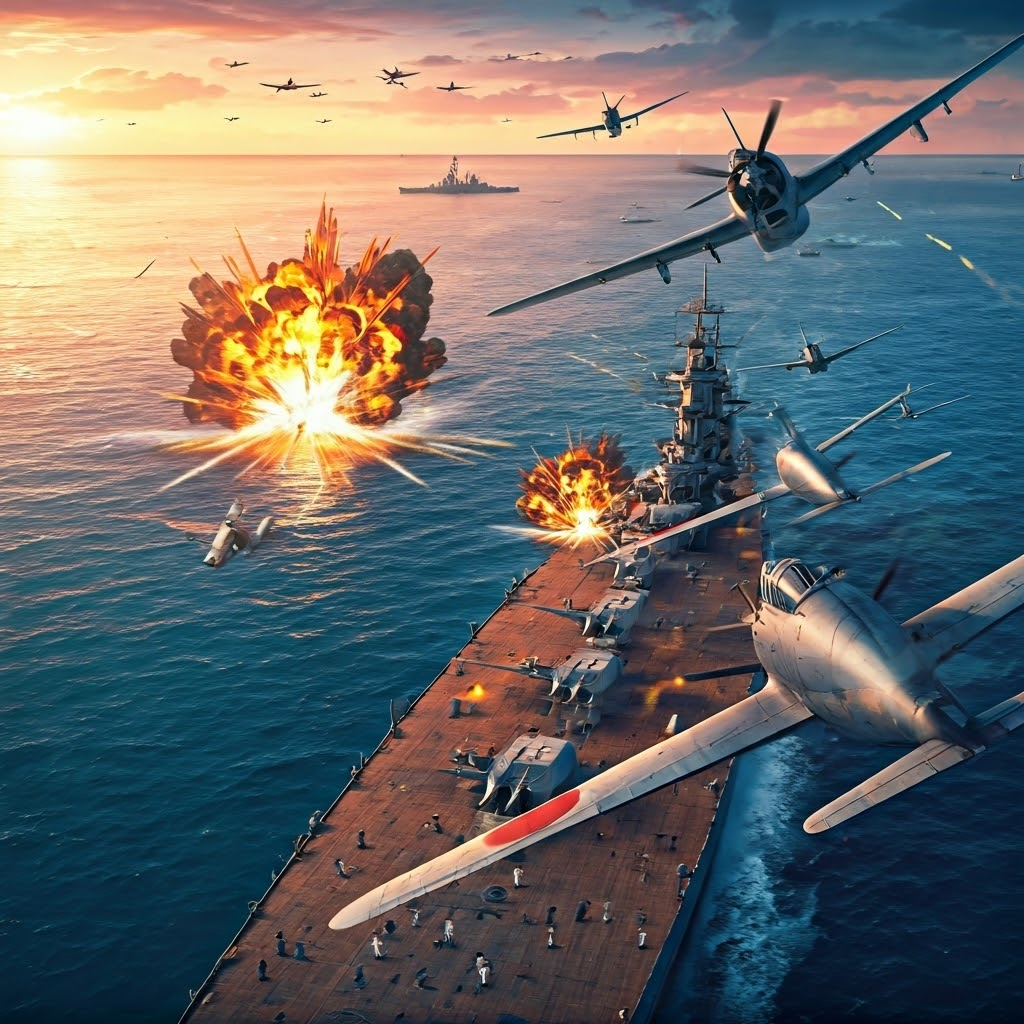
On 7 December 1941 Japan hit Pearl Harbor, crippling much of the U.S. Pacific Fleet in under two hours. The goal was simple—remove America before it could act.
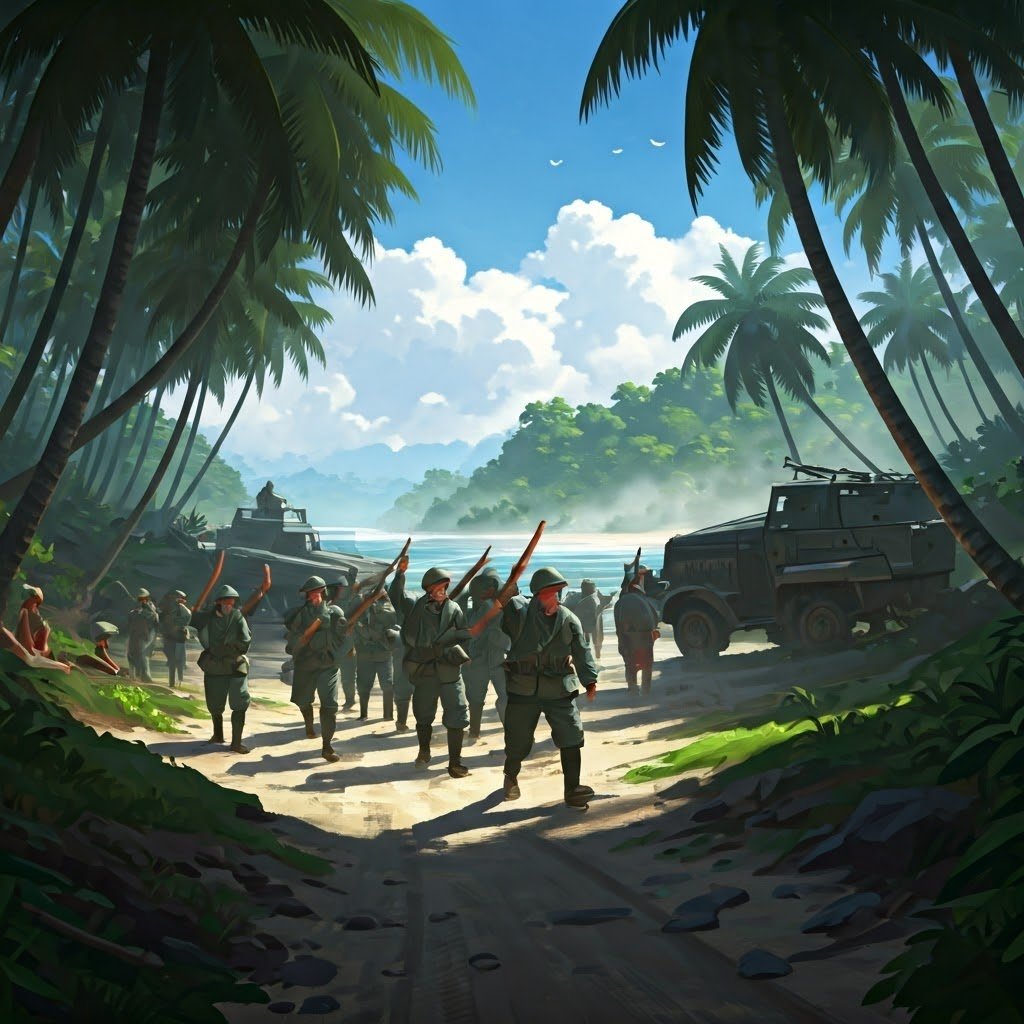
Within months Hong Kong, the Philippines, Malaya, and the Dutch East Indies fell. Surprise and training powered a rapid tide that left the Allies scrambling.
Signs of Limits
Early success hid deep flaws. Blitzkrieg needed quick wins, yet Russia demanded endurance. Japan’s conquests stretched supply lines and angered occupied peoples. Allied industry, resources, and adaptation were already turning the tide.
