
All In: Mobilizing a Nation
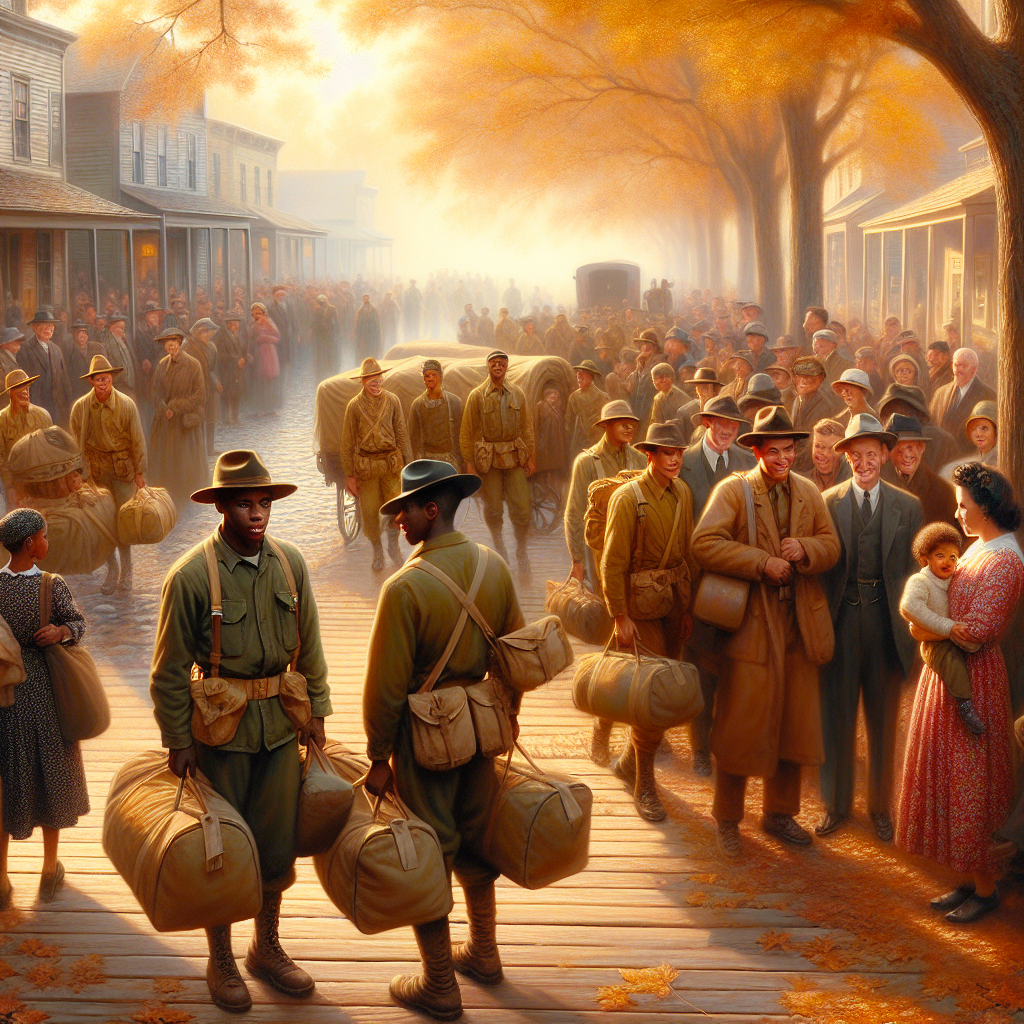
When America entered World War II, daily life flipped overnight. Families saw sons and brothers drafted, neighbors gathered on porches to say quick goodbyes, and every household felt the change. One draft notice could reshape an entire block.
Parents coped by leaning on each other. Shared chores, evening chats, and small acts of kindness softened the constant worry. Communities discovered new strength in simple routines—mowing lawns, mending clothes, or sharing a warm meal.
Drafts, Rationing, and War Bonds: The New Normal
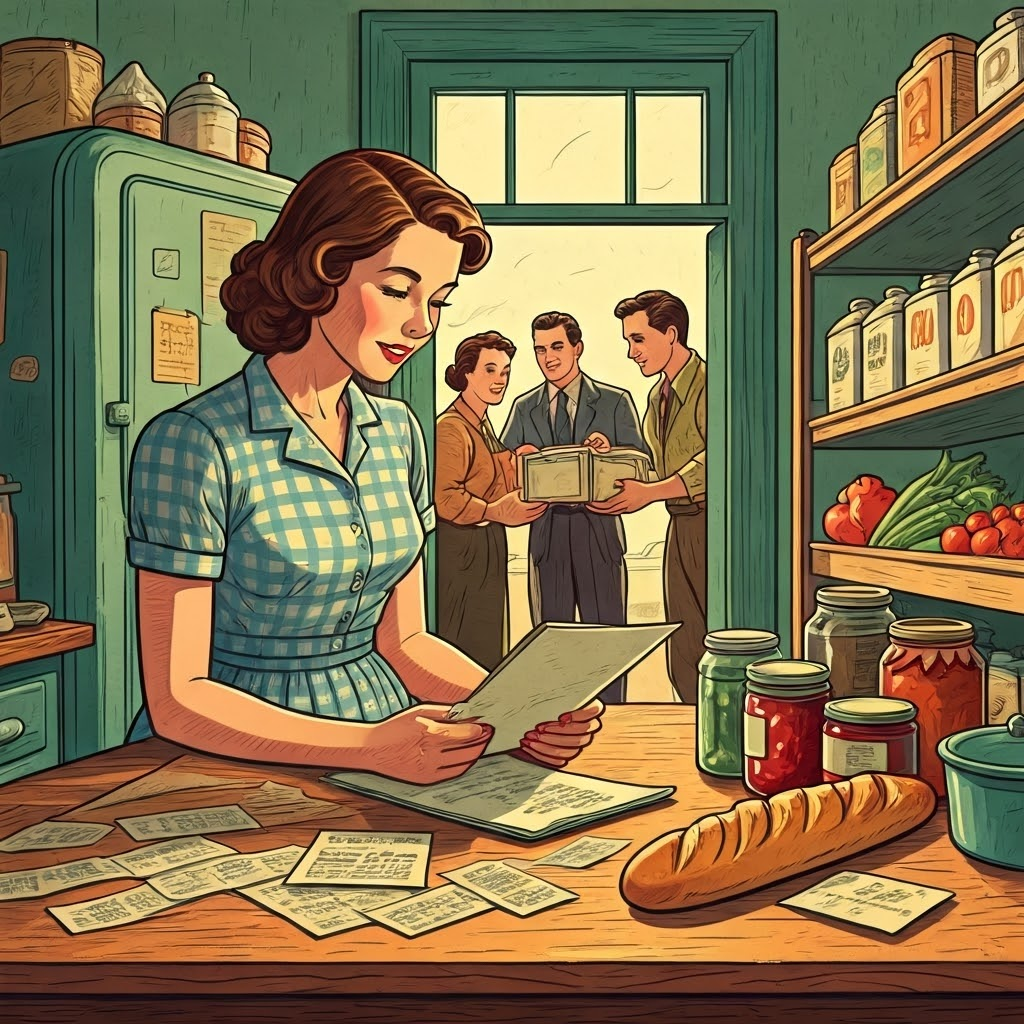
Rationing touched almost everything. Sugar, gasoline, and even shoes now required special stamps, turning shopping into a puzzle. Neighbors traded coupons for missing items, and new recipes—like cracker-based “mock apple pie”—kept meals interesting. Resourcefulness became a badge of honor.
Children pitched in, collecting scrap metal, bacon grease, and old tires. These small missions gave kids purpose and connected them to the wider war effort.
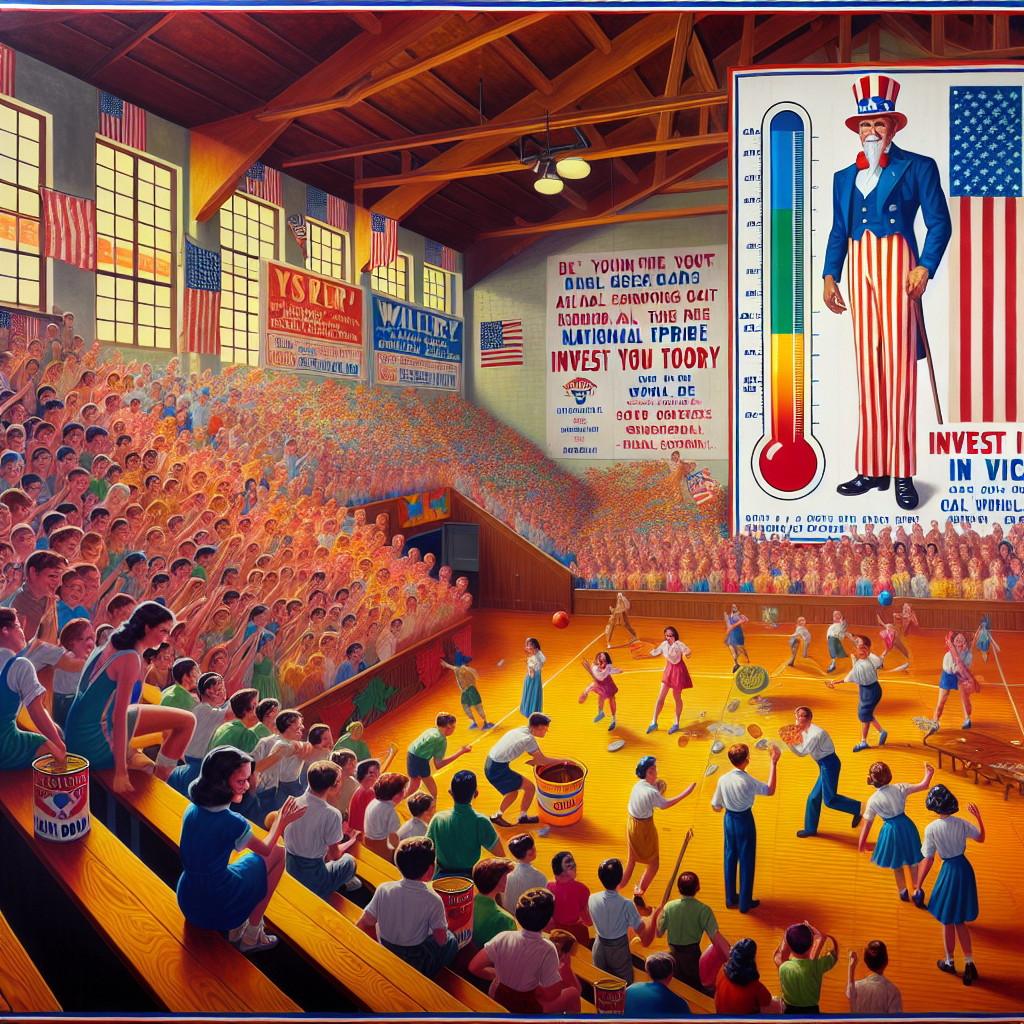
War bonds added a patriotic rhythm to daily life. Schools, churches, and businesses competed to raise the most money. Buying a bond felt like casting a vote for victory. Friendly rivalries kept morale high and wallets open.
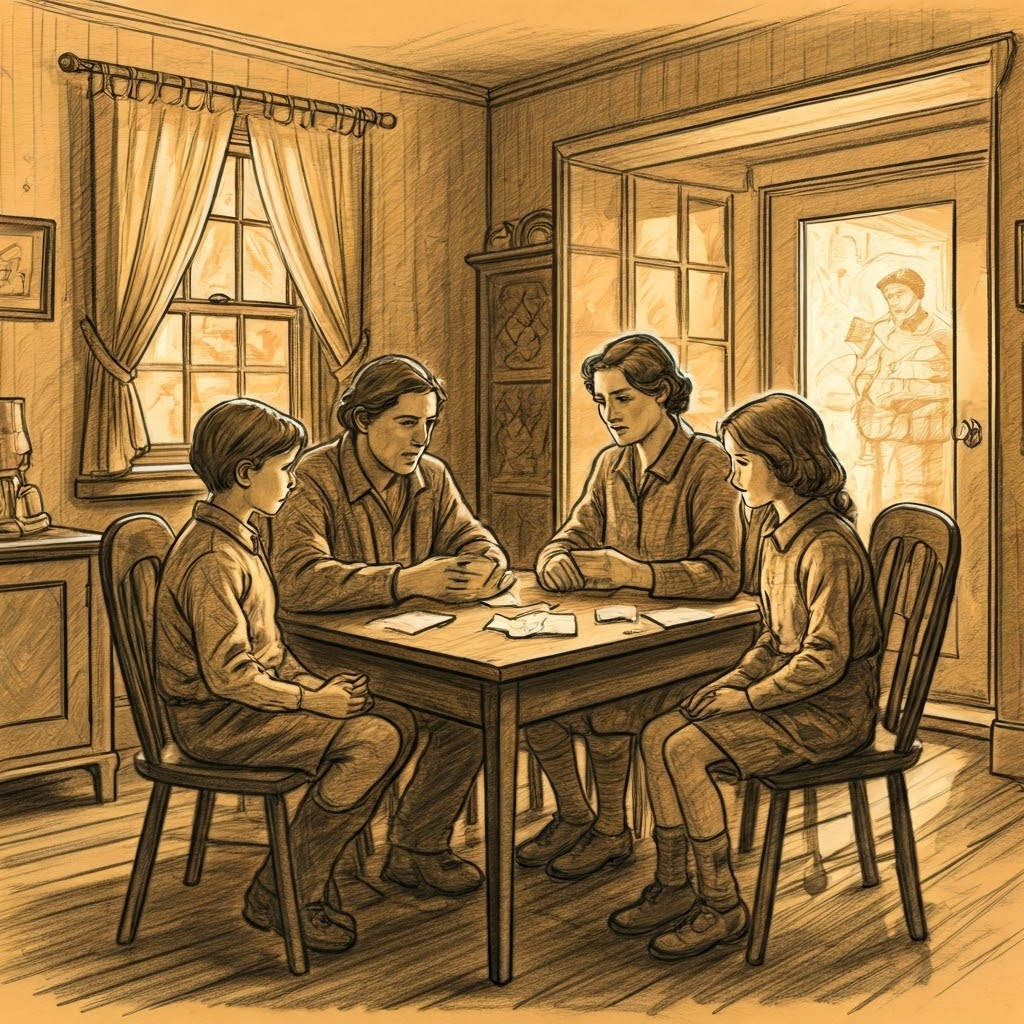
Shortages sometimes hit hard. No amount of trading could always fill the pantry. Still, shared sacrifice tightened community bonds, proving that even setbacks could spark unity.
Factories, Farms, and the Home: Everyone Has a Role

Peacetime factories shifted overnight to war production. Car plants made tanks; fridge lines turned out bullets. Women filled these new jobs, earning wages and fresh confidence. “Rosie the Riveter” became a symbol of bold opportunity.
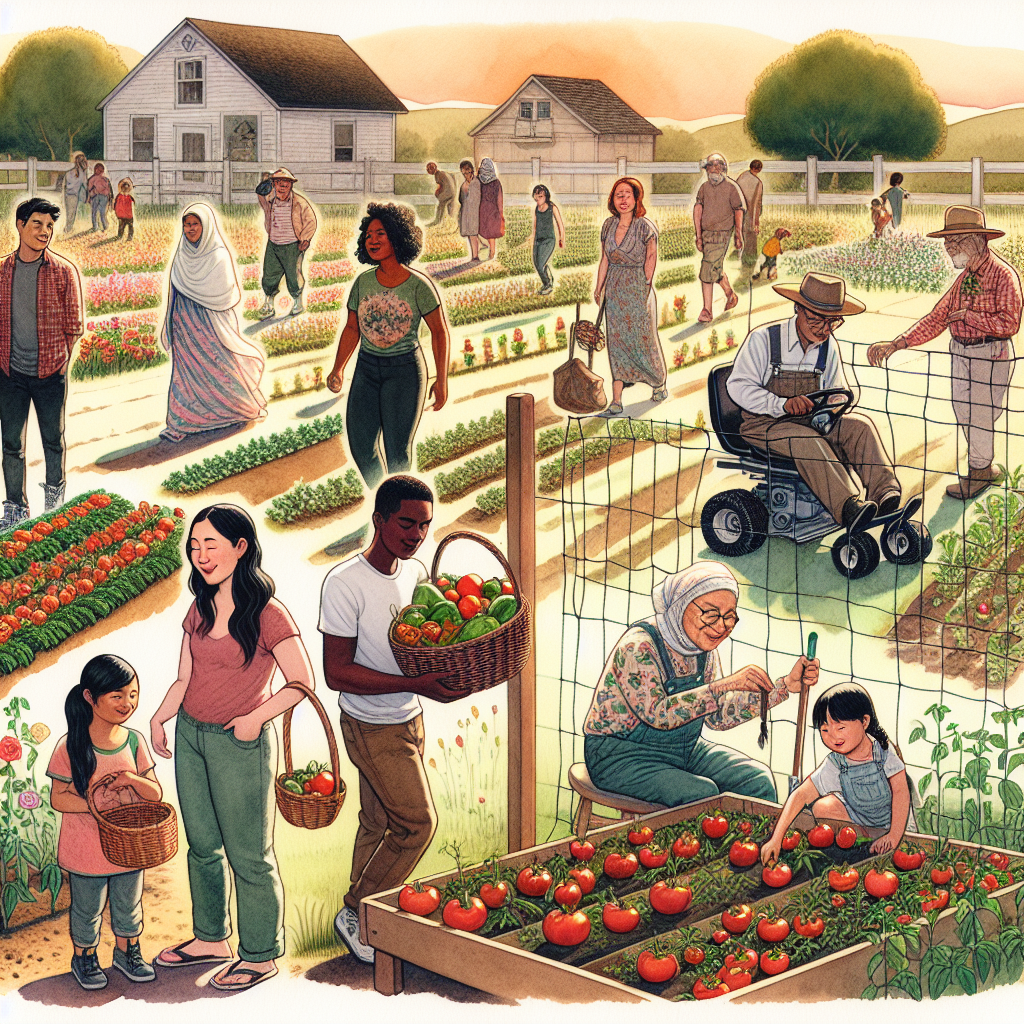
With many men overseas, farms relied on teenagers, retirees, and city volunteers. Victory Gardens sprouted in backyards and ballparks, adding millions of tons of produce. Home-grown food eased ration pressure and fostered self-reliance.
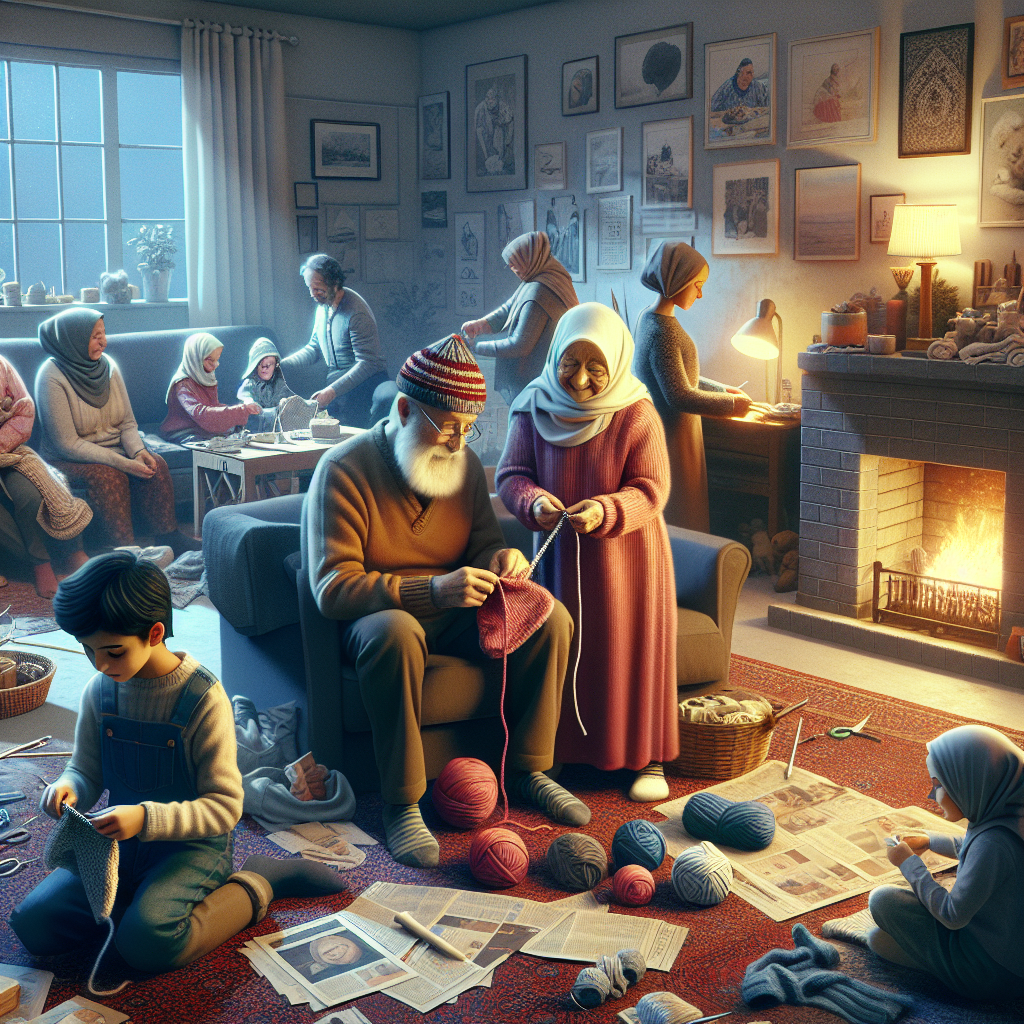
Households became production hubs. People knitted socks, rolled bandages, and saved every scrap. Children collected newspapers while elders sorted tin foil. Each task—no matter how small—proved every contribution mattered.
Keeping Spirits Up: Propaganda and Morale

Posters, films, and radio shows flooded public spaces, shaping opinion and lifting spirits. Bold slogans urged caution, unity, and optimism. Messaging turned distant battles into personal stakes.
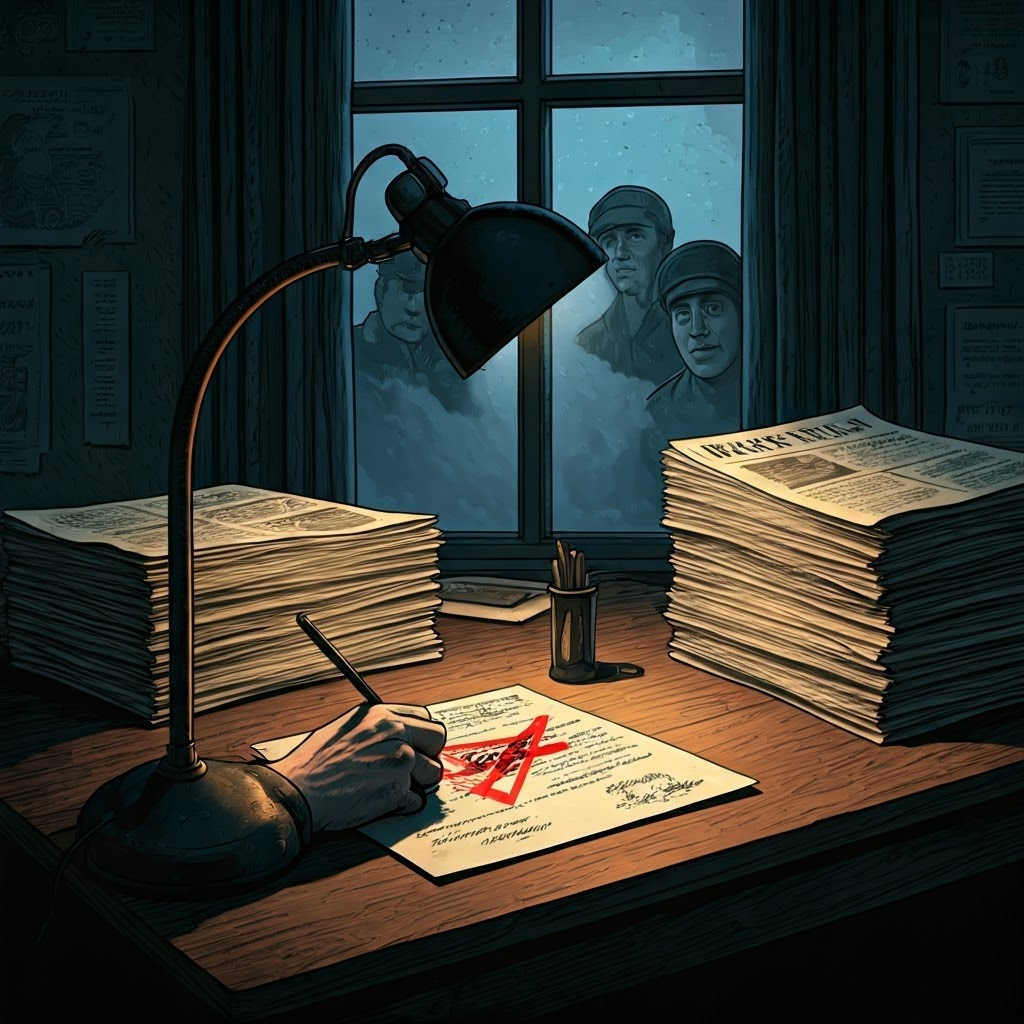
Censorship guarded morale. Letters lost sentences, and bad news often stayed off the air. Authorities aimed less to hide truth and more to preserve hope, though private doubts still surfaced in whispered conversations.
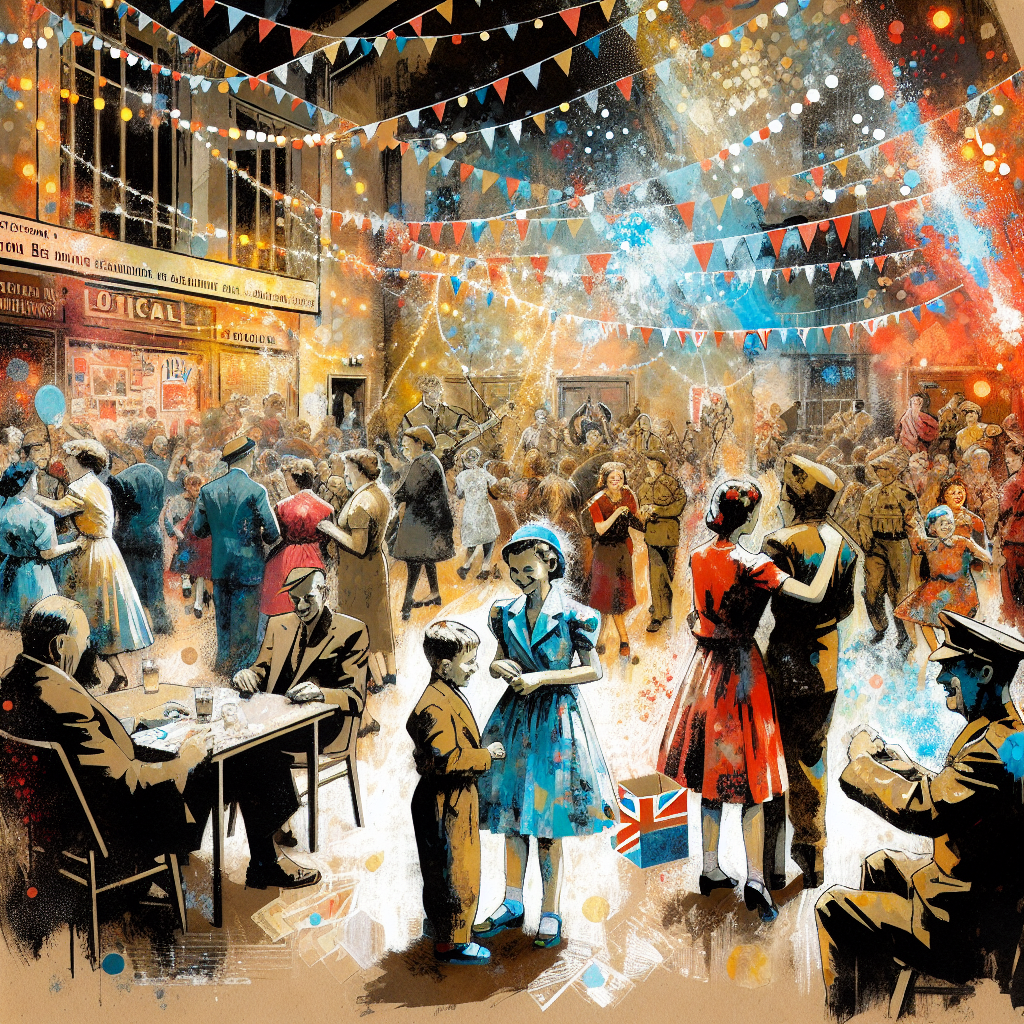
Communities organized dances, rallies, and parades to keep spirits bright. Even knitting circles and scrap drives felt like patriotic acts. Shared sacrifice, creative adaptation, and relentless encouragement turned the home front into a vibrant, collective battlefield—fought with courage, cooperation, and hope.
