
The Map: How We Imagine the Future

Planning for the future isn’t only for world leaders or scientists. You do it whenever you check the weather or save money for something big. This everyday planning forms a mental model—a simple idea of how choices today shape results tomorrow.
Scientists use that same logic, but on a planet-wide scale. Instead of asking if it will rain tomorrow, they ask what Earth might look like in 2050 or 2100. They rely on sophisticated models and imagined pathways called scenarios to explore these possibilities.
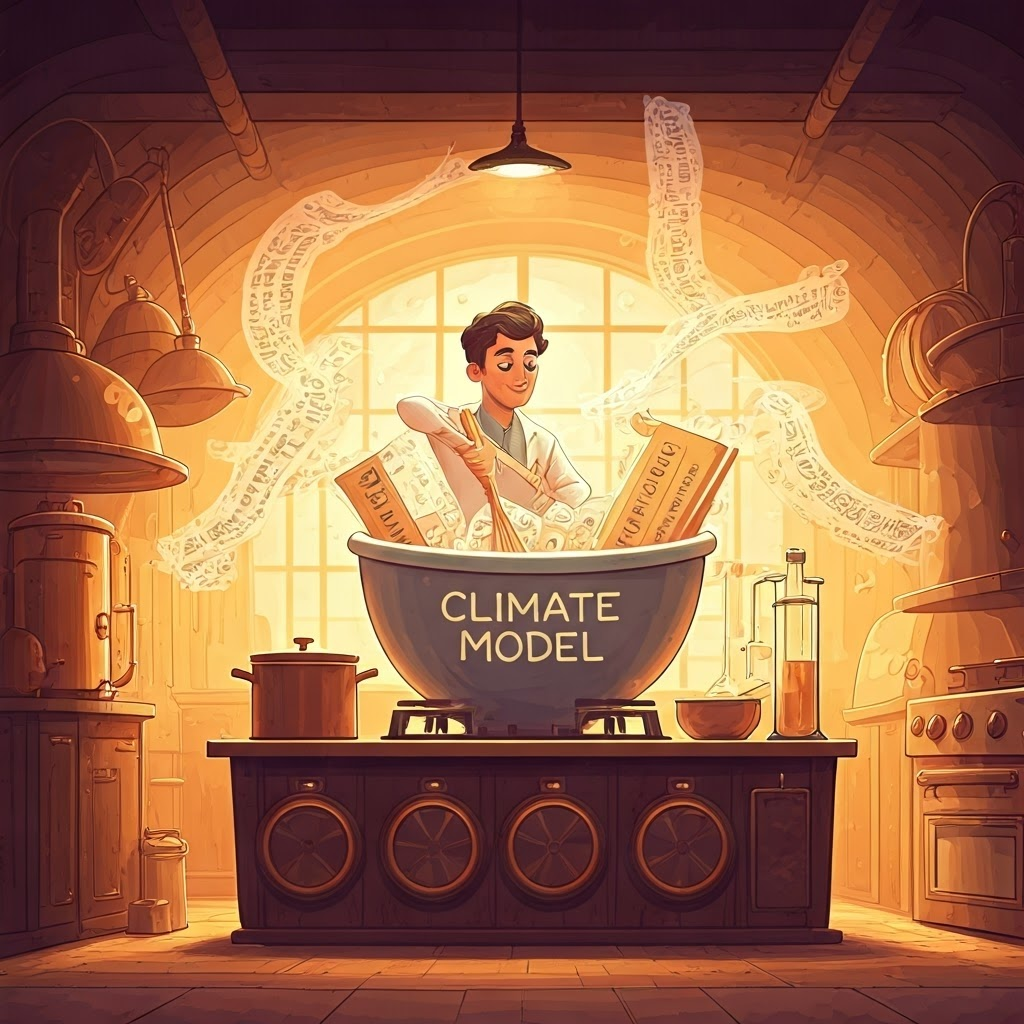
A model is simply a structured set of rules or calculations that predicts outcomes when inputs change. Think of it as a recipe: add more sugar, and the cake turns sweeter; shorten the bake time, and it stays gooey. Swap sugar for fossil fuels and you see how models test future climates.
Scenarios are the finished cakes that result from different ingredient choices. They show what could happen if we raise or lower factors like population, energy use, or technology. The principle is clear—if we do X, we likely get Y.
The Tools: Integrated Assessment Models and IPCC Scenarios
Integrated Assessment Models (IAMs) tackle global “what if” questions. Picture an enormous spreadsheet linking energy, population, economics, and climate physics. IAMs connect human choices—like carbon taxes or electric cars—to planetary outcomes such as sea-level rise or food security.
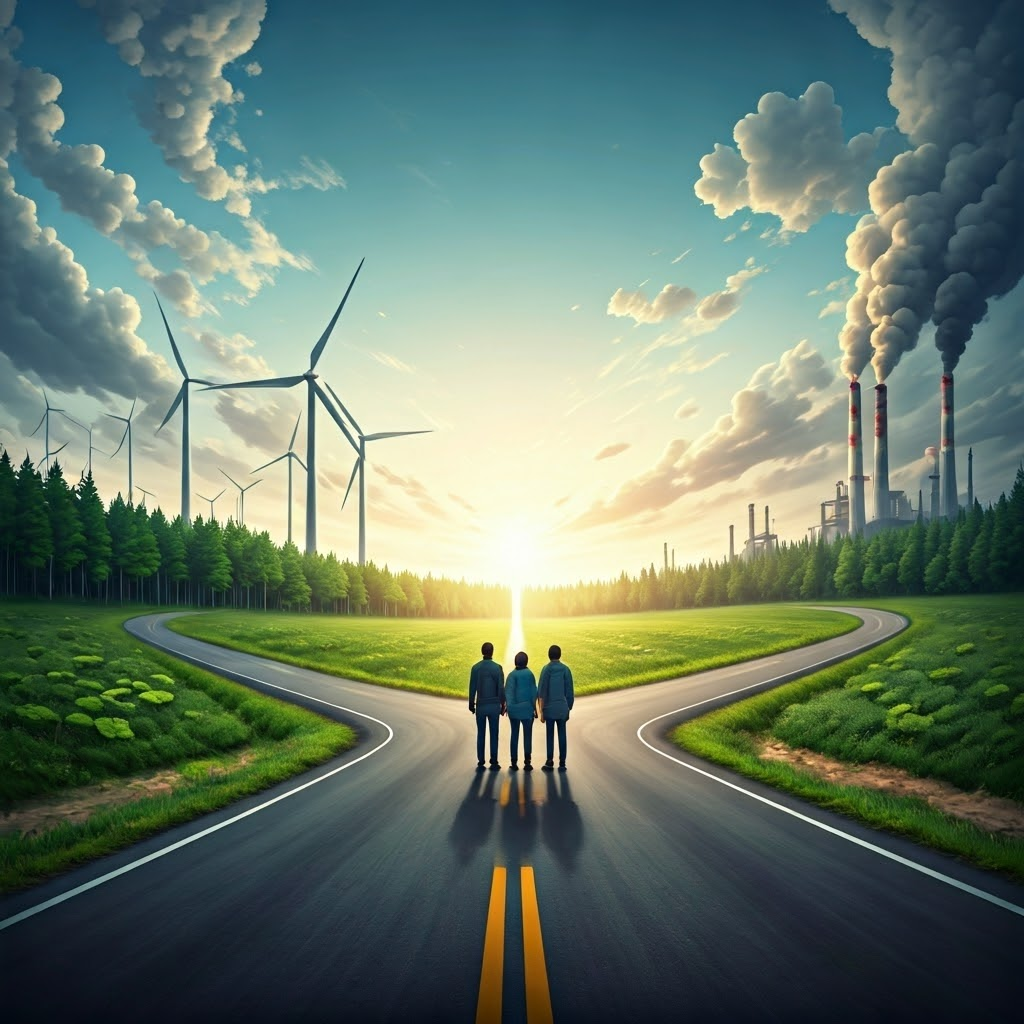
When the Intergovernmental Panel on Climate Change (IPCC) thinks ahead, it rarely offers one forecast. Instead, IAMs generate scenarios like the Shared Socioeconomic Pathways (SSPs). Some paths feature rapid clean-energy shifts and global cooperation, while others cling to fossil fuels and business as usual.
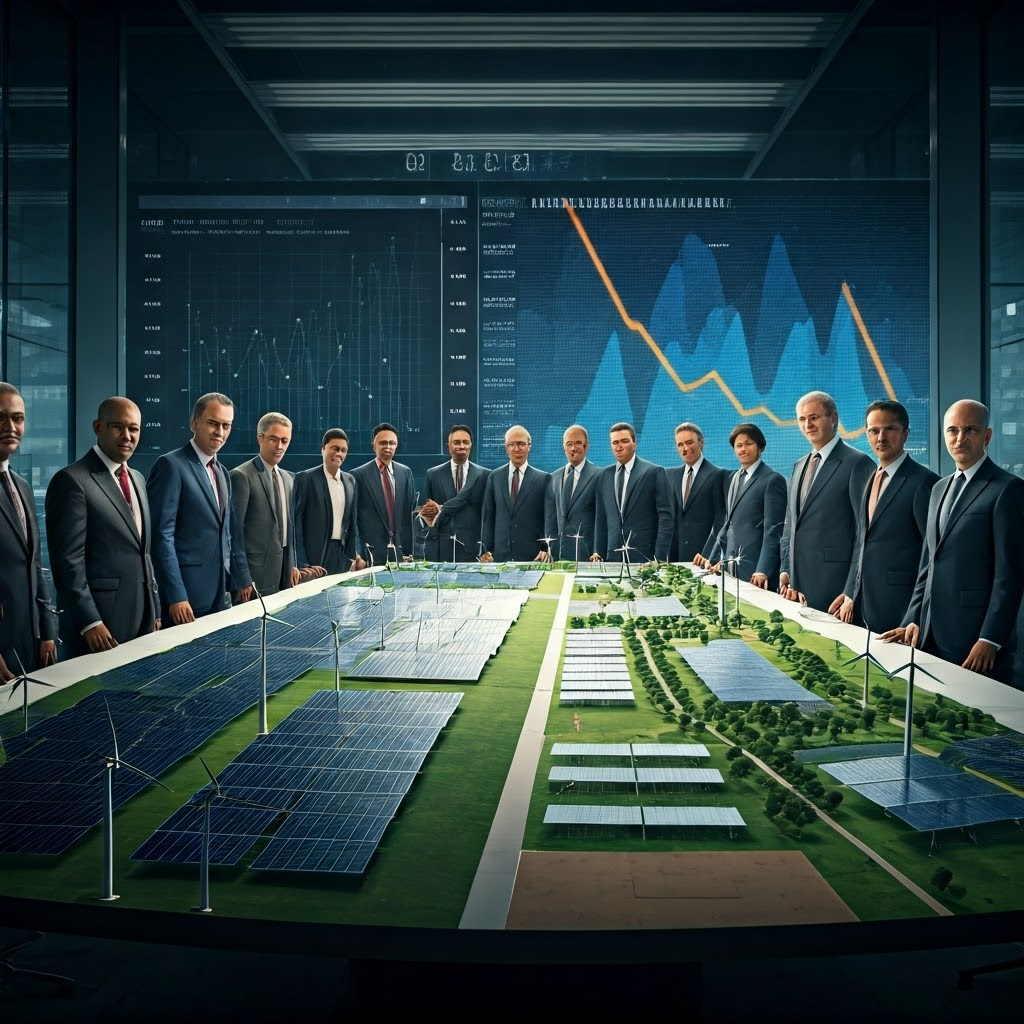
Take a scenario where nations phase out coal and ramp up solar and wind. The numbers show lower emissions, slower warming, and fewer disasters. Swap to a fossil-fuel-heavy path, and warming rises sharply, stressing crops, coastlines, and communities.
Net-Zero: The Race Against the Clock
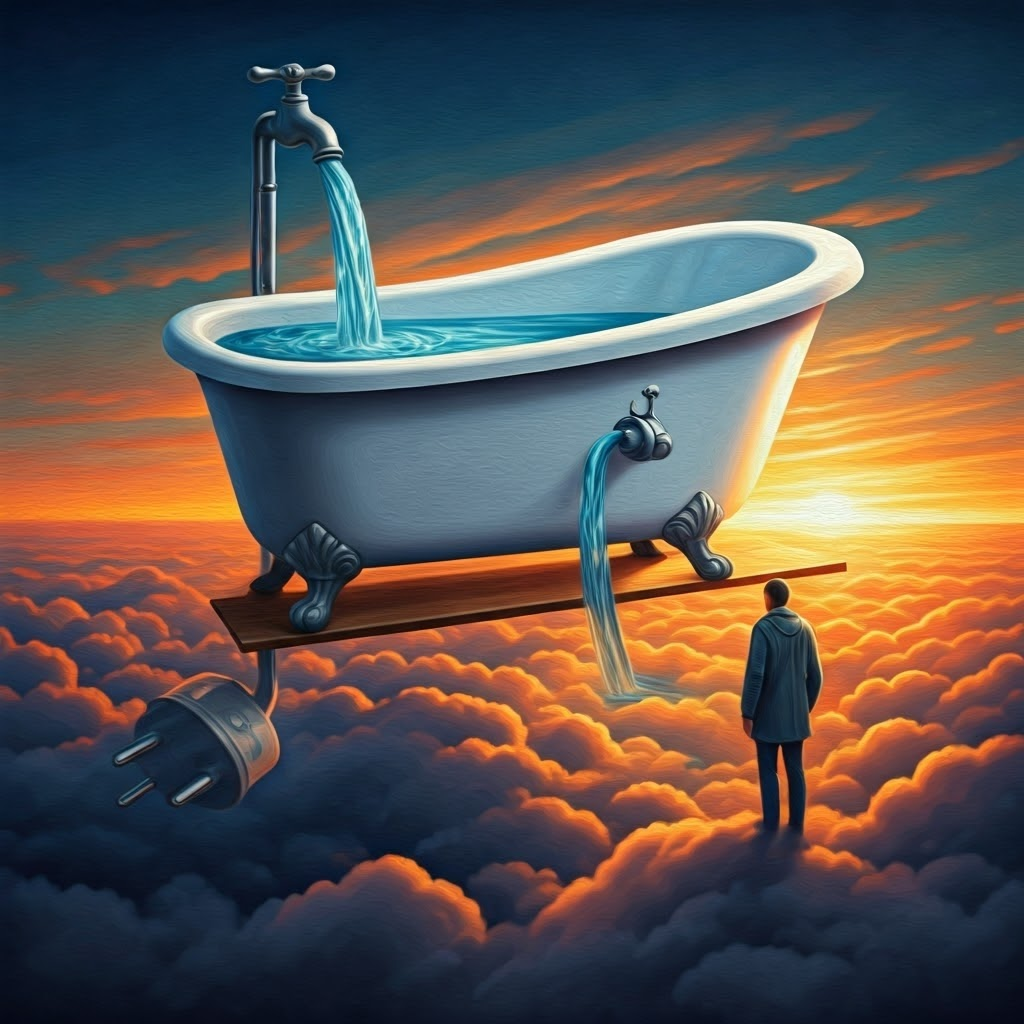
You often hear “net-zero by 2050.” Net-zero means any remaining emissions are balanced by removing the same amount, keeping the total level. Imagine a bathtub: close the tap and pull the plug equally so water never overflows.

To limit warming to , the IPCC says we must cut global emissions nearly in half by 2030 and hit net-zero around 2050. Each year of delay makes the climb steeper.
Countries set their timelines based on ability and fairness. Wealthier nations can often move faster because they emitted more in the past. Companies join in too. Microsoft, for instance, aims to go “carbon negative” by 2030. Reaching these goals means overhauling energy, transport, and agriculture—while tackling barriers like technology costs, politics, and scale.

Why This All Matters for You
Understanding how scientists map the future clarifies headlines, debates, and daily choices. Whether voting, picking a power provider, or chatting with friends, knowing about models, scenarios, and net-zero timelines helps you judge if we’re moving in the right direction. It’s less about predicting tomorrow and more about shaping it today.
