
What Is a Token, Really?

When you hear the word token, you might picture the plastic coin you once slid into an arcade game. A digital token feels similar—it is a unit of value or access that lives on a blockchain, ready to work like tickets, points, or badges online.
Tokens: Not Just for Arcade Games

Picture a music festival that hands you five plastic tokens at the gate. Each piece stands for food, VIP entry, or a vote for your favorite act. Digital tokens act the same way, only they stay in your wallet app instead of your pocket.
A shopping-app loyalty point, a discount code, or an emailed concert ticket are early cousins of today’s tokens. The difference now is that smart contracts can program tokens to move money, unlock doors, or record votes while keeping everyone honest.
Fungible vs Unique: The Two Sides of Tokens
Not every token is built the same. Some mimic dollars, and some resemble baseball cards. The key question is whether each token is interchangeable or one-of-a-kind.
Fungible tokens act like cash. Any $5 bill works the same as another, so most cryptocurrencies keep each unit identical. That sameness makes them handy for payments and point systems.
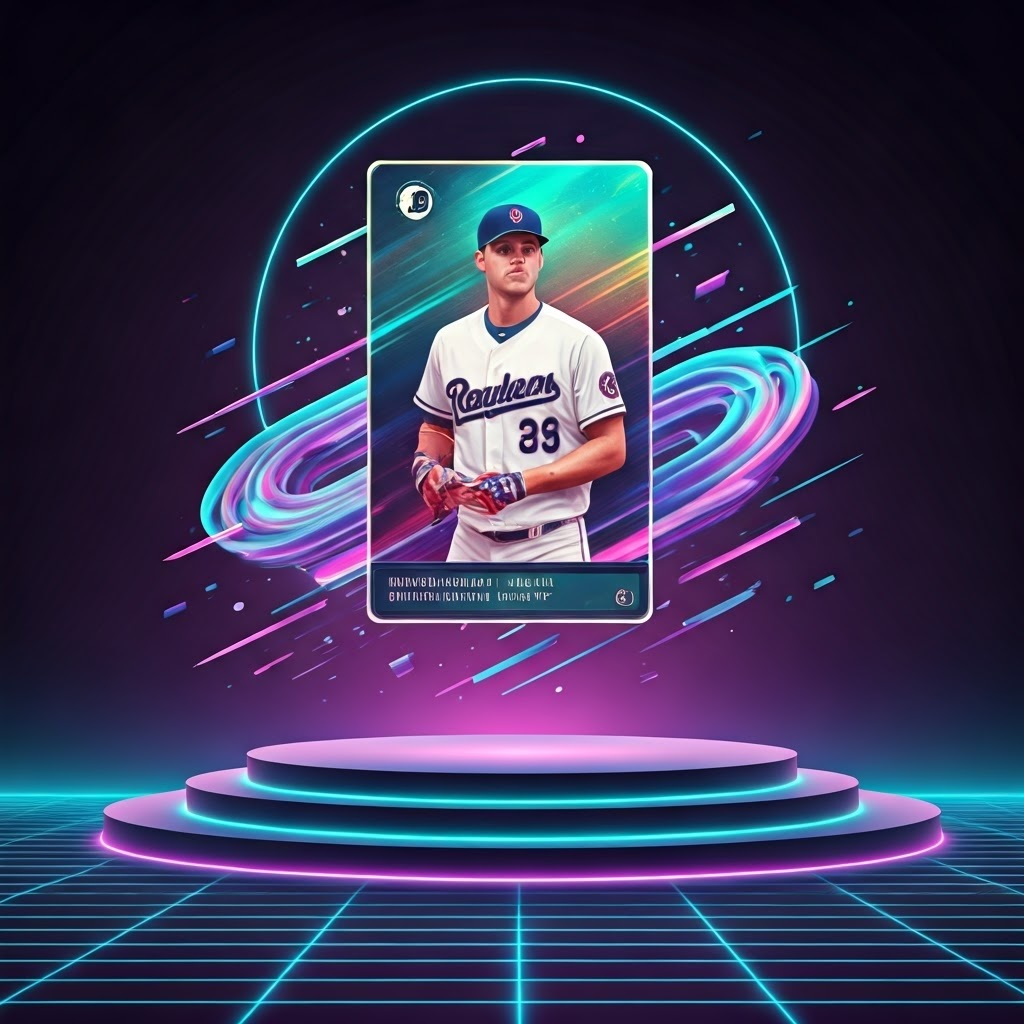
Non-fungible tokens, or NFTs, flip the script. Think of a signed rookie baseball card—it differs from every other card. NFTs create that uniqueness online, making digital art, music tracks, or in-game items truly distinct rather than copy-and-paste files.
This split between fungible and non-fungible assets finally lets digital objects feel scarce and special. Copying a file used to cost nothing; now your tokenized art can be as rare as a painting.
How Tokens Work: The ERC-20 Story
Tokens work smoothly because of standards—shared rules like a universal phone charger. On Ethereum, the ERC-20 standard guides how fungible tokens behave, so any wallet or exchange can read them without fuss.

Creating an ERC-20 token feels like filling out a short recipe: choose a name, a symbol, decimals, and total supply. Once deployed, the blockchain enforces those rules, preventing unwanted inflation unless coded otherwise.
NFTs follow their own guides, such as ERC-721, which assign each token a unique ID, much like serial numbers on collectibles. These shared formats let tokens glide between apps the way a standard plug fits any socket.
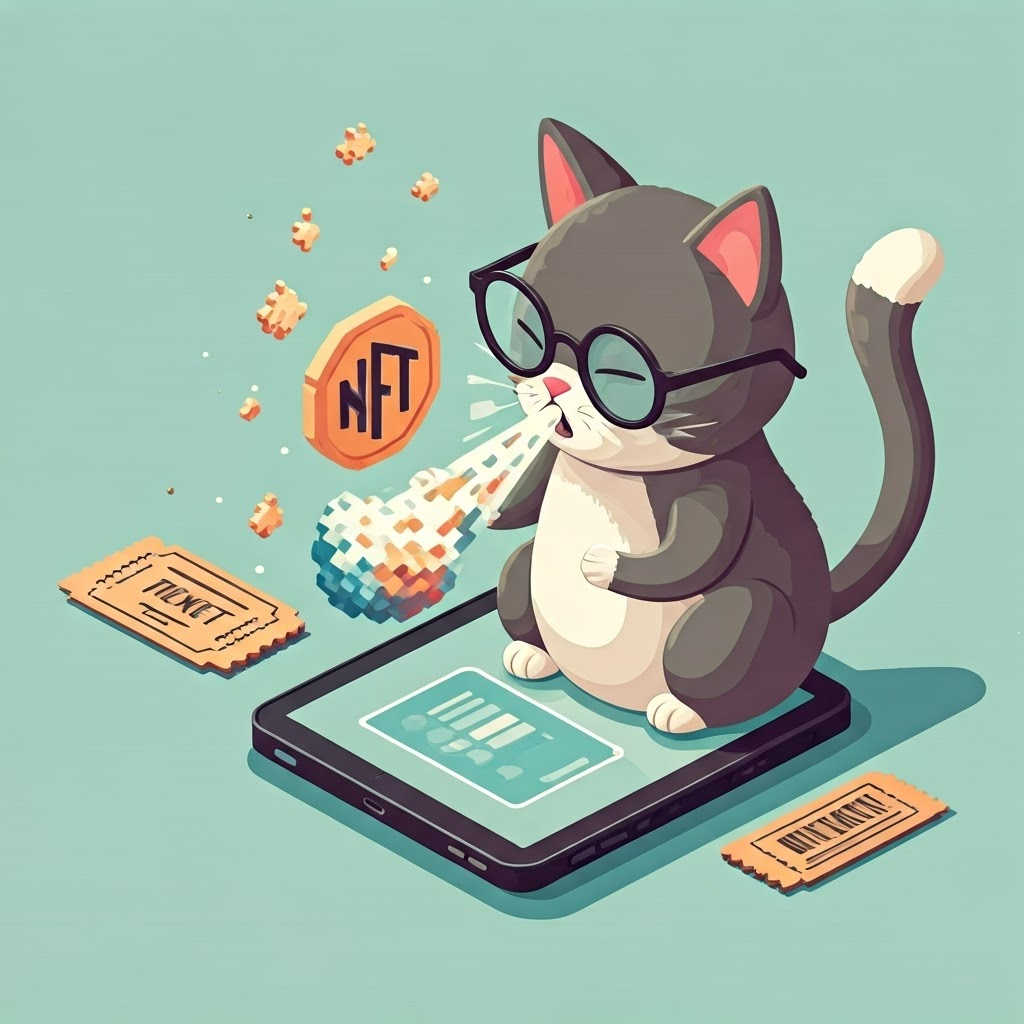
Tokens are more than internet money. They are programmable assets that anyone can create—festival tickets, loyalty points, or even a quirky cat-sneeze NFT—with just a few clicks and some code.
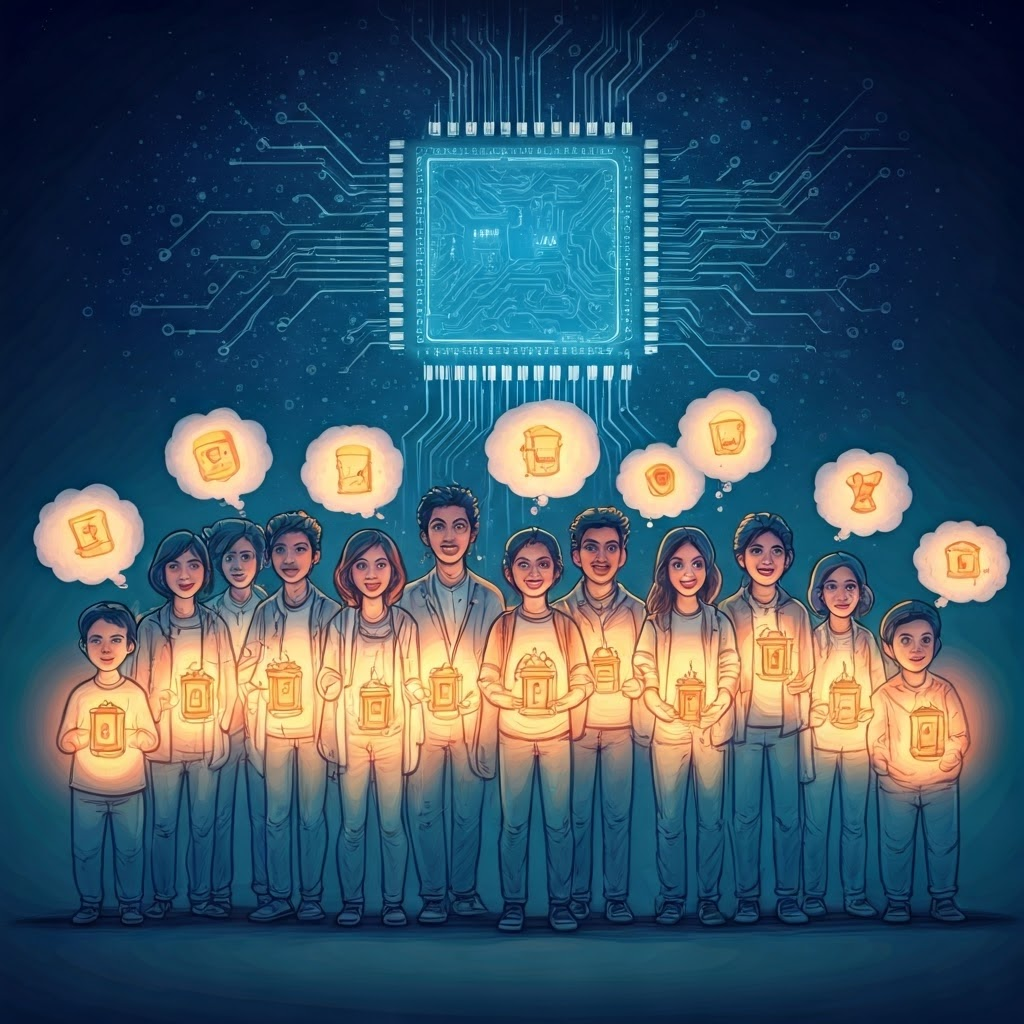
The best part is accessibility. You do not need a bank or tech giant to join in. When you see tokens as digital versions of things you already know, you unlock fresh ideas—and the next creative token might come from you.
