
From Sunrise to Steam Whistles: The Old and New Rhythms of Time
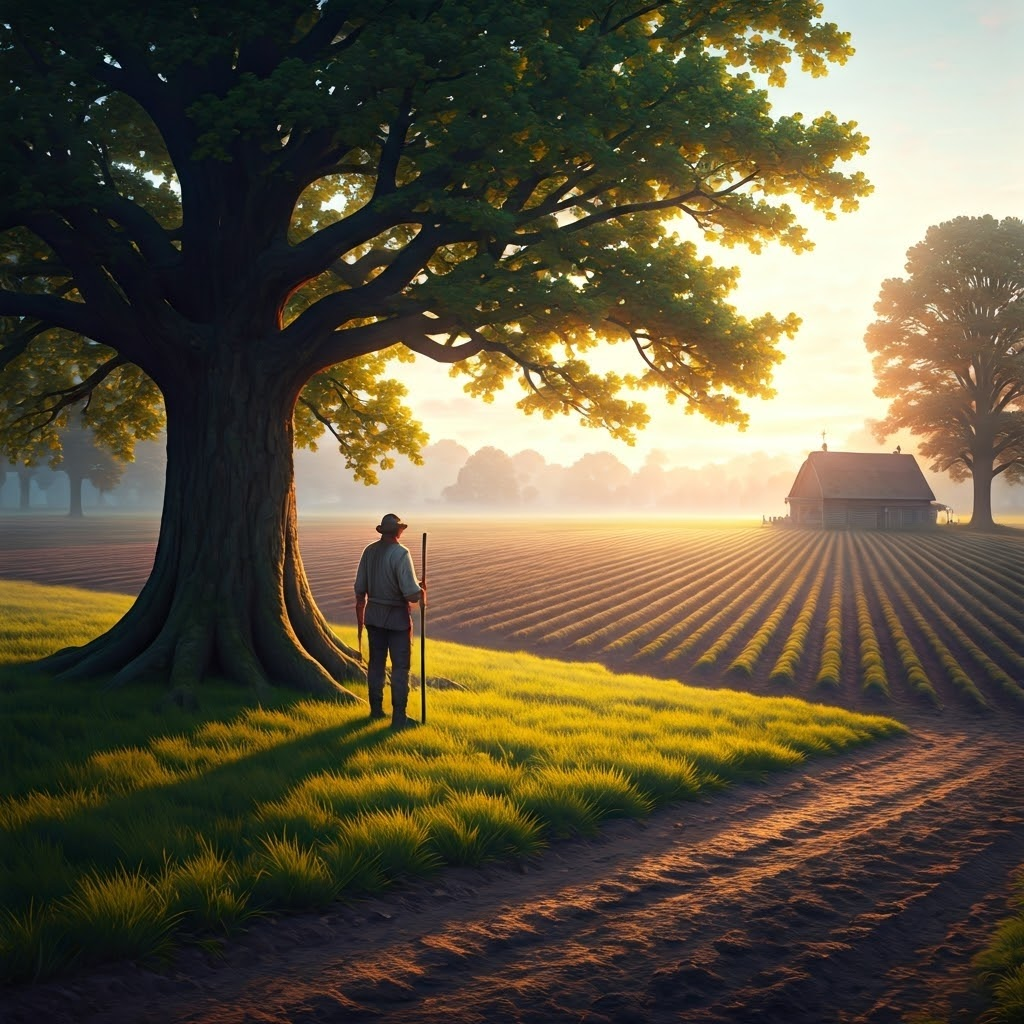
Life by the Sun and Seasons
For most of history people let the sun rule the day. A farmer watched shadows glide across the yard and knew when to plow or rest. The land itself set the pace.
Short winter light meant early nights. Long summer dawns called for extra work. Seasons acted like clocks everyone could read.
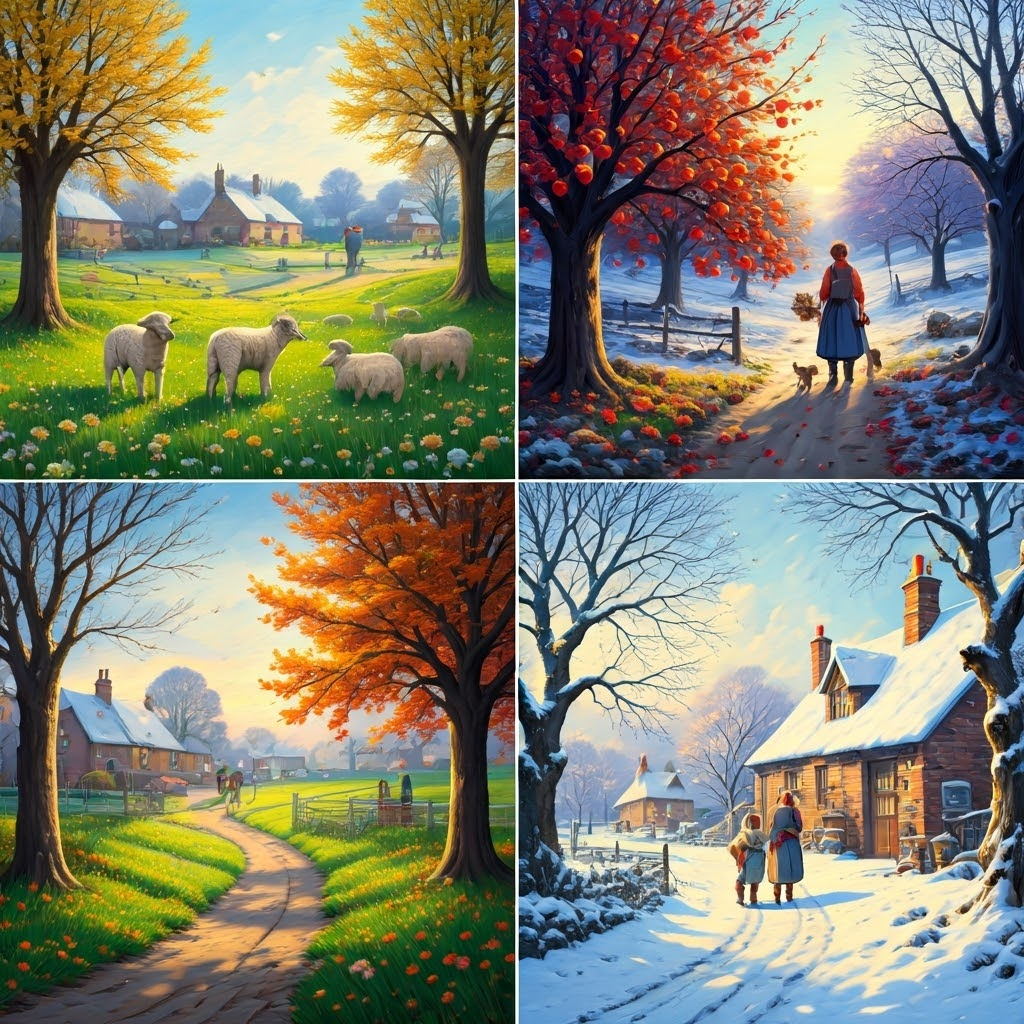
Lambs, ripe apples, and drifting snow told the village what to do next. Plans shifted with storms or sunshine. People paused during rain or pushed hard at harvest.
Feasts, markets, and festivals synced with planting and reaping. Time felt communal and loose, never sliced into minutes.
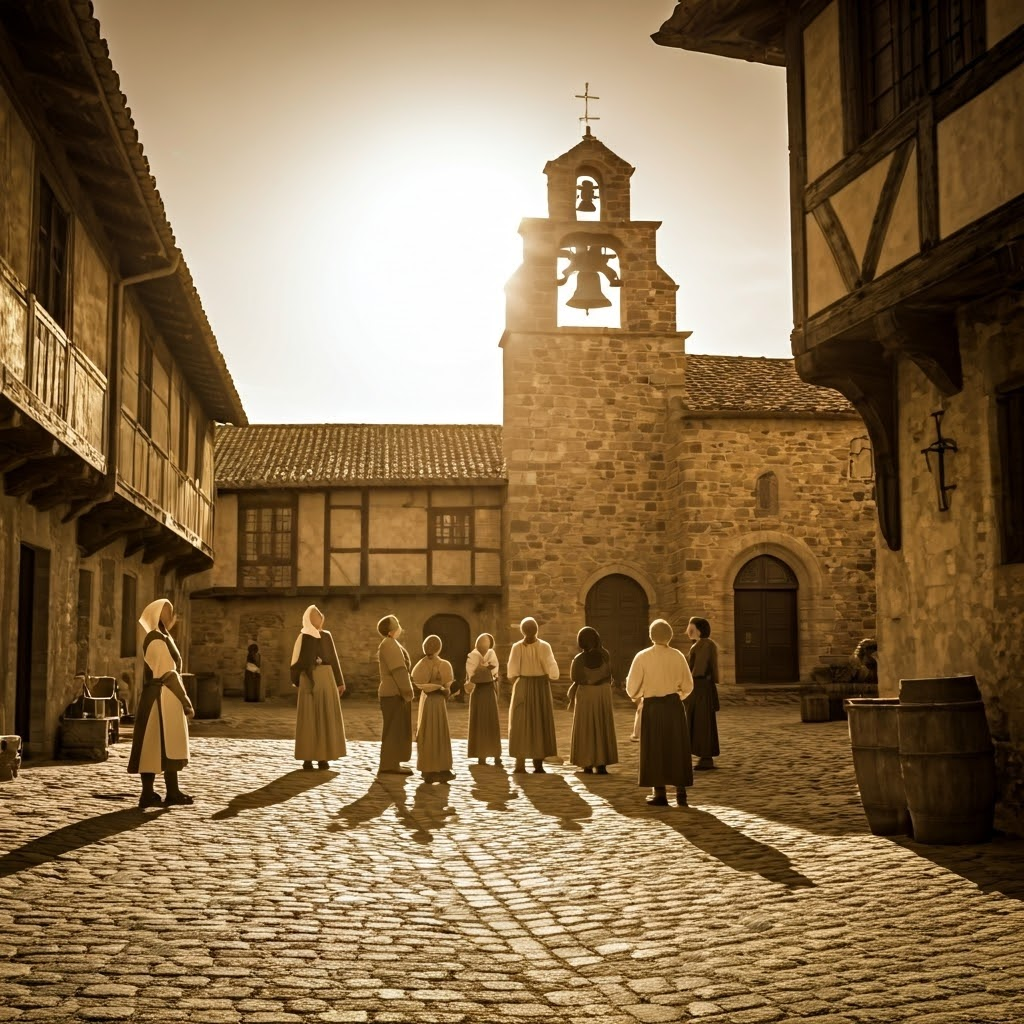
Few owned clocks. The church bell marked big moments, not exact hours. Arriving “on time” meant showing up roughly when others did. Nature—not a minute-hand—kept order.
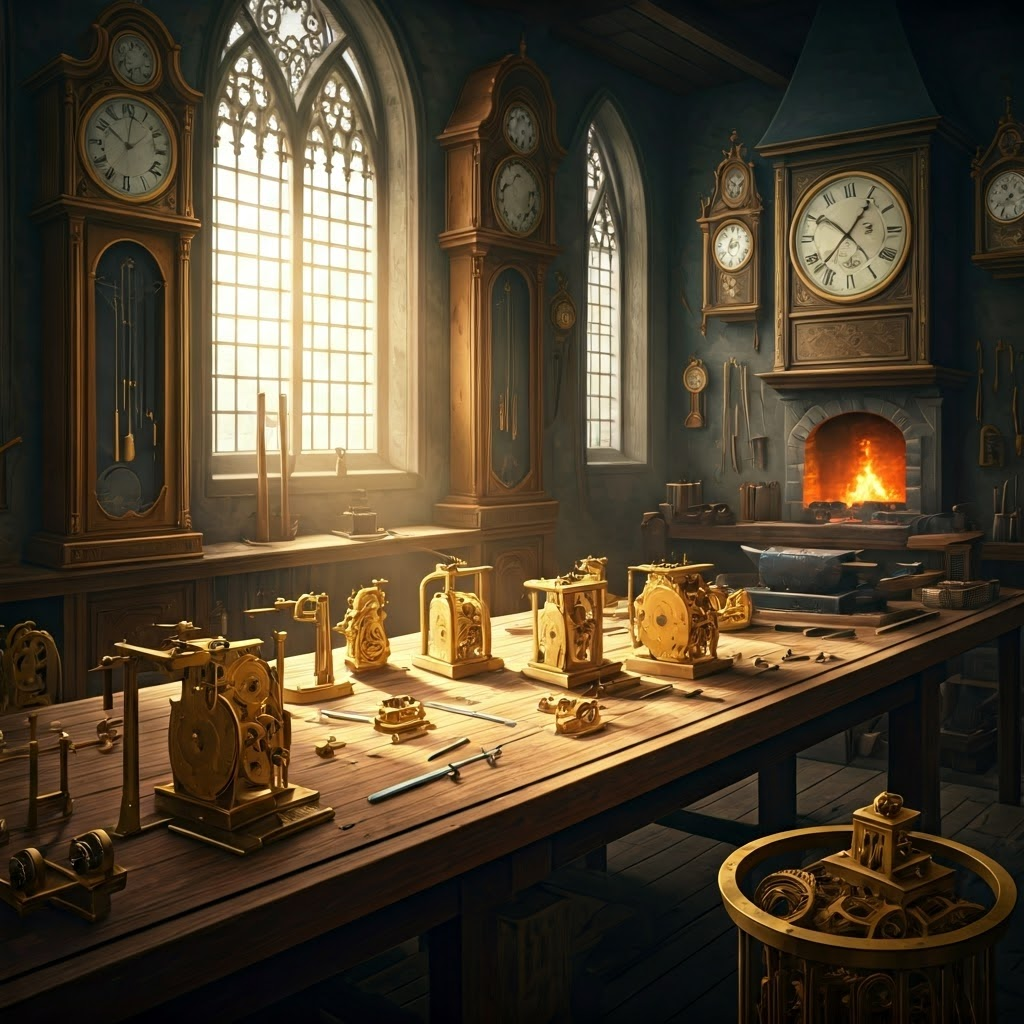
The Arrival of the Clock
Mechanical clocks slowly spread. By the late 1700s cheaper parts made them common. A mantel clock signaled you were modern and respectable.
Town towers began to chime each hour. Families set pocket watches by them. Time shifted from sky to dial.
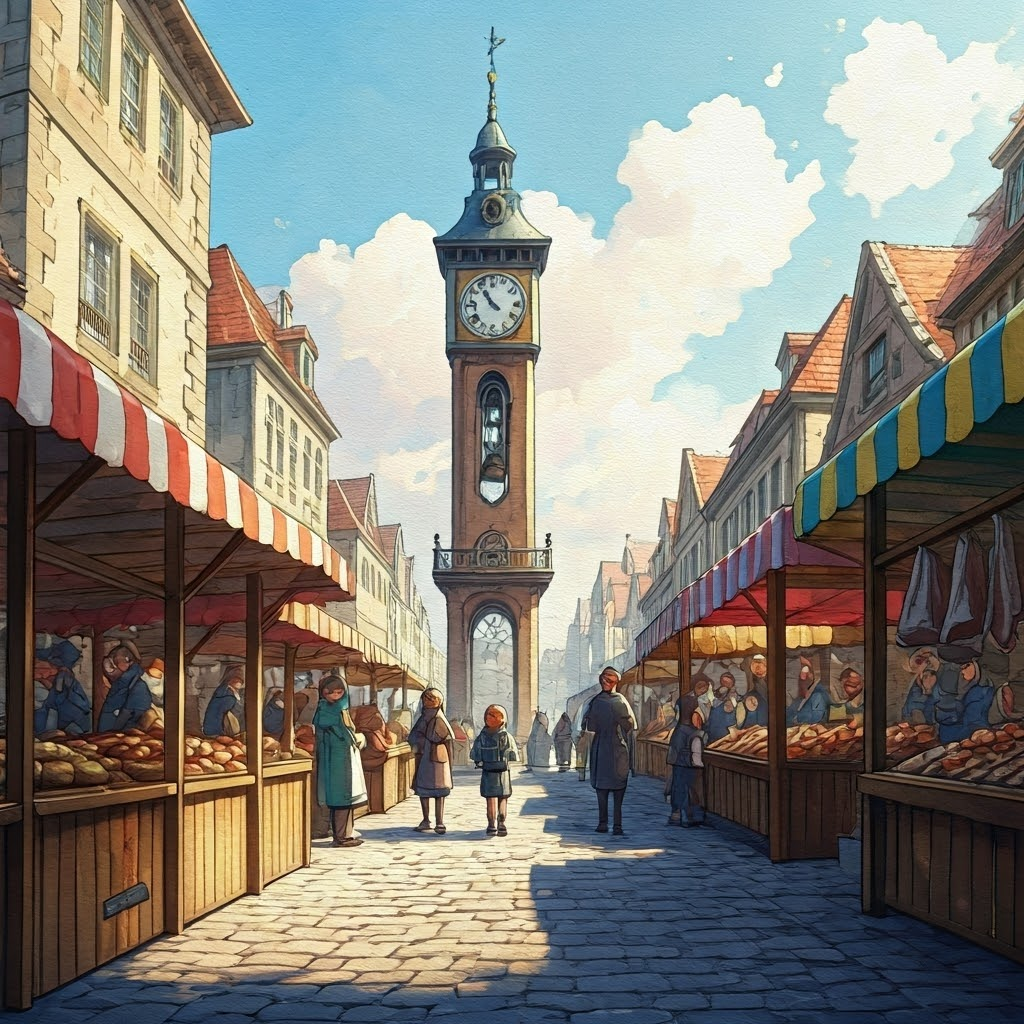
Public clocks organized markets, schools, and trains. People now thought in hours and minutes. The habit sneaked into meals, meetings, and rest.
Factory Time: Bells, Gongs, and Whistles
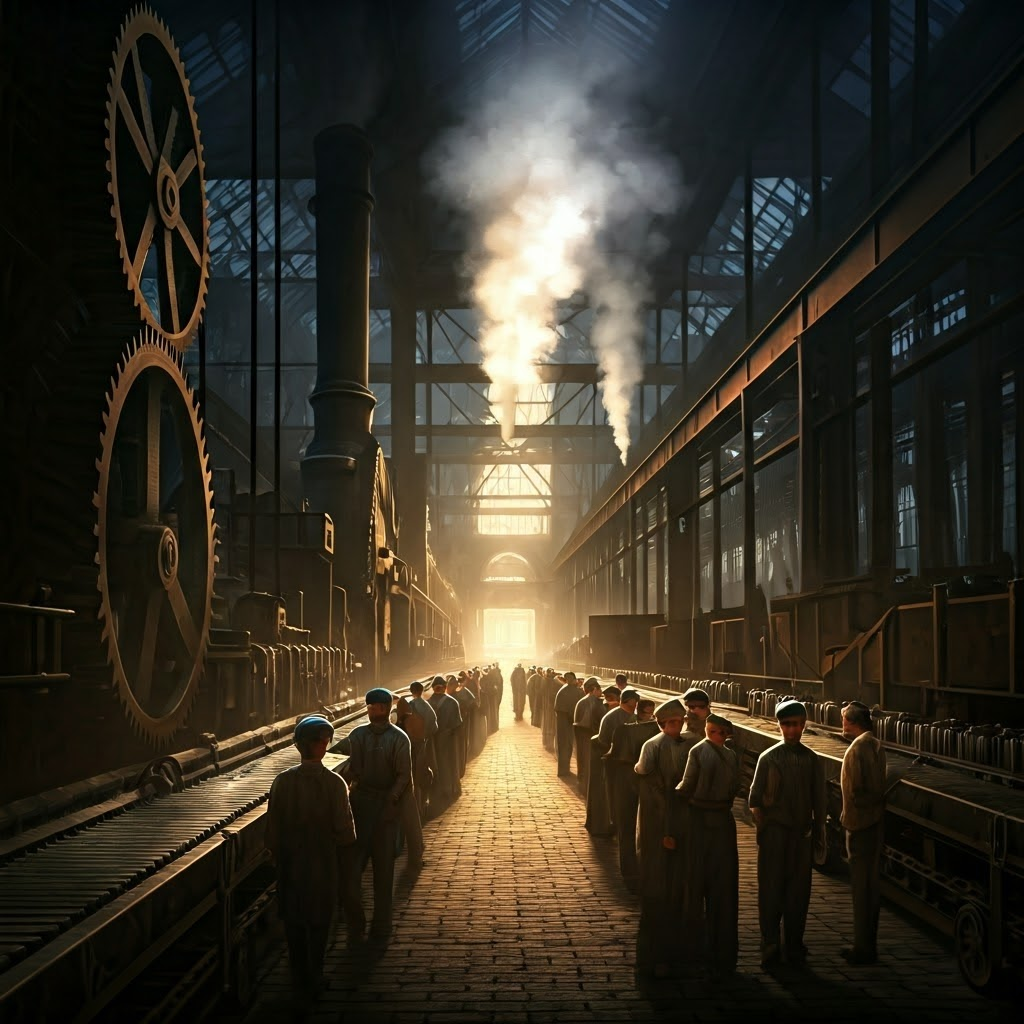
Factories needed precise starts and stops. Steam whistles and bells enforced a strict schedule. Being late could cost wages.
Workers woke before dawn, herded children to mill or school, and ate by the clock. Home life synced with the factory’s roar.
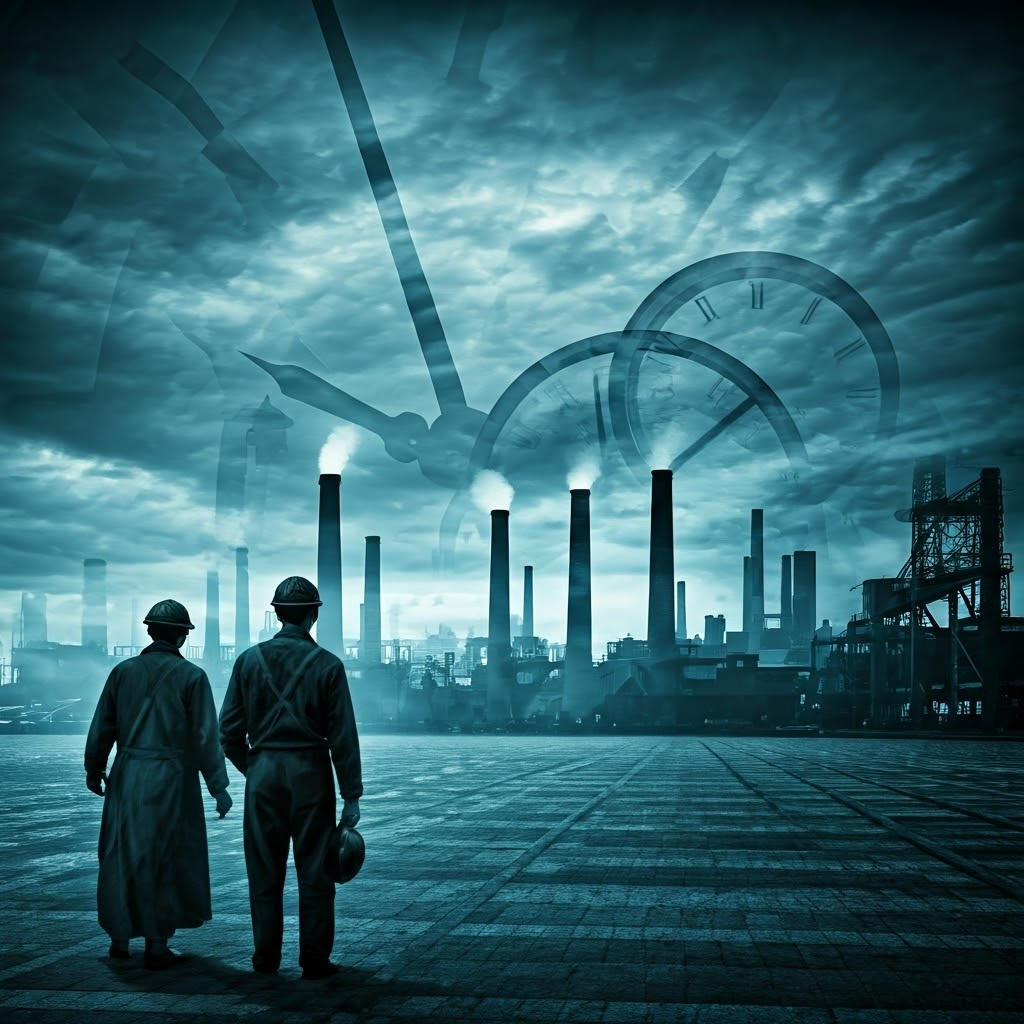
Shrill sounds carved the day into rigid blocks. Time became a discipline that hurried bodies and shaped dreams. Business thrived, yet the human rhythm changed forever.
