
Storm Over the Pacific: Ambition, Attack, and Awakening
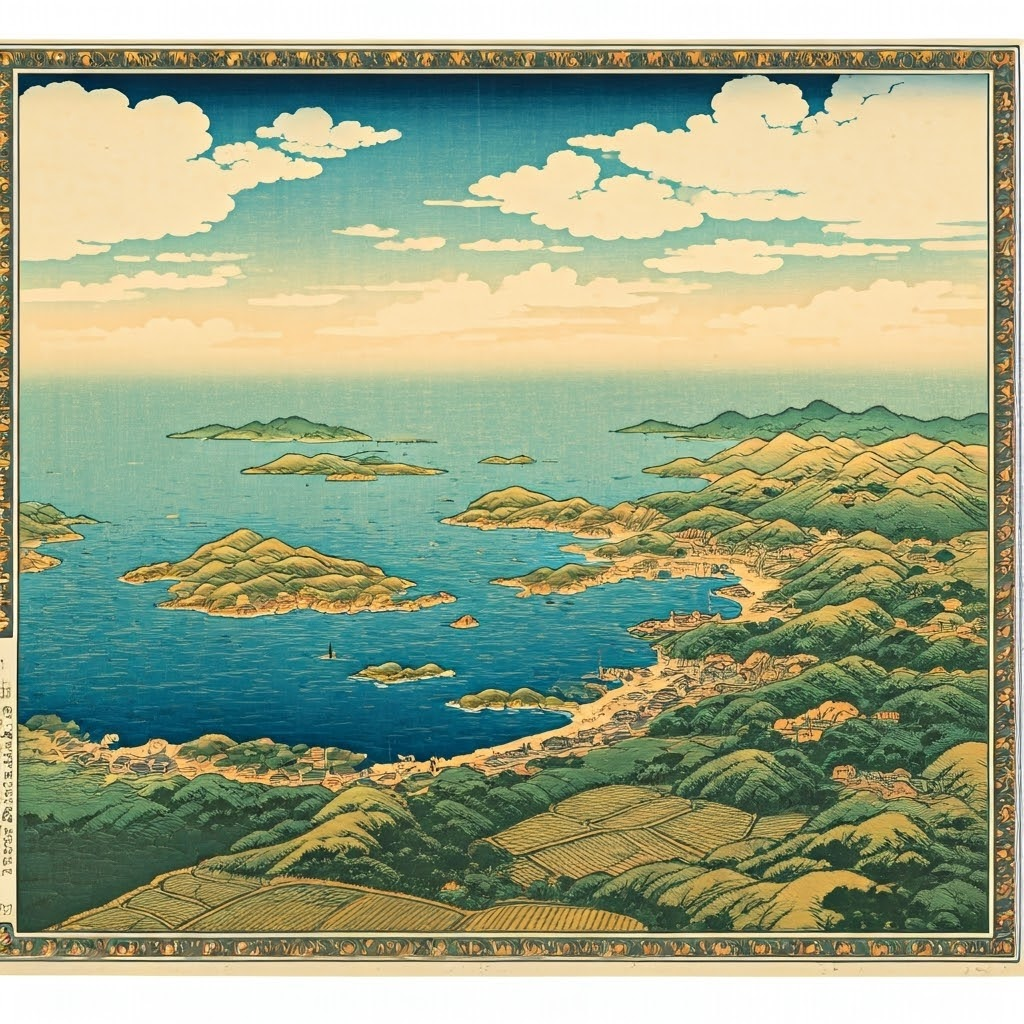
Rising Sun: Japan’s Road to War
If you look at a map of the Pacific in 1937, Japan seems like a small island chain with limited resources. Leaders believed more territory meant survival. Rapid modernization followed European imperial examples. By 1910 they controlled Taiwan and Korea, and they stunned the world by defeating Russia in 1905.
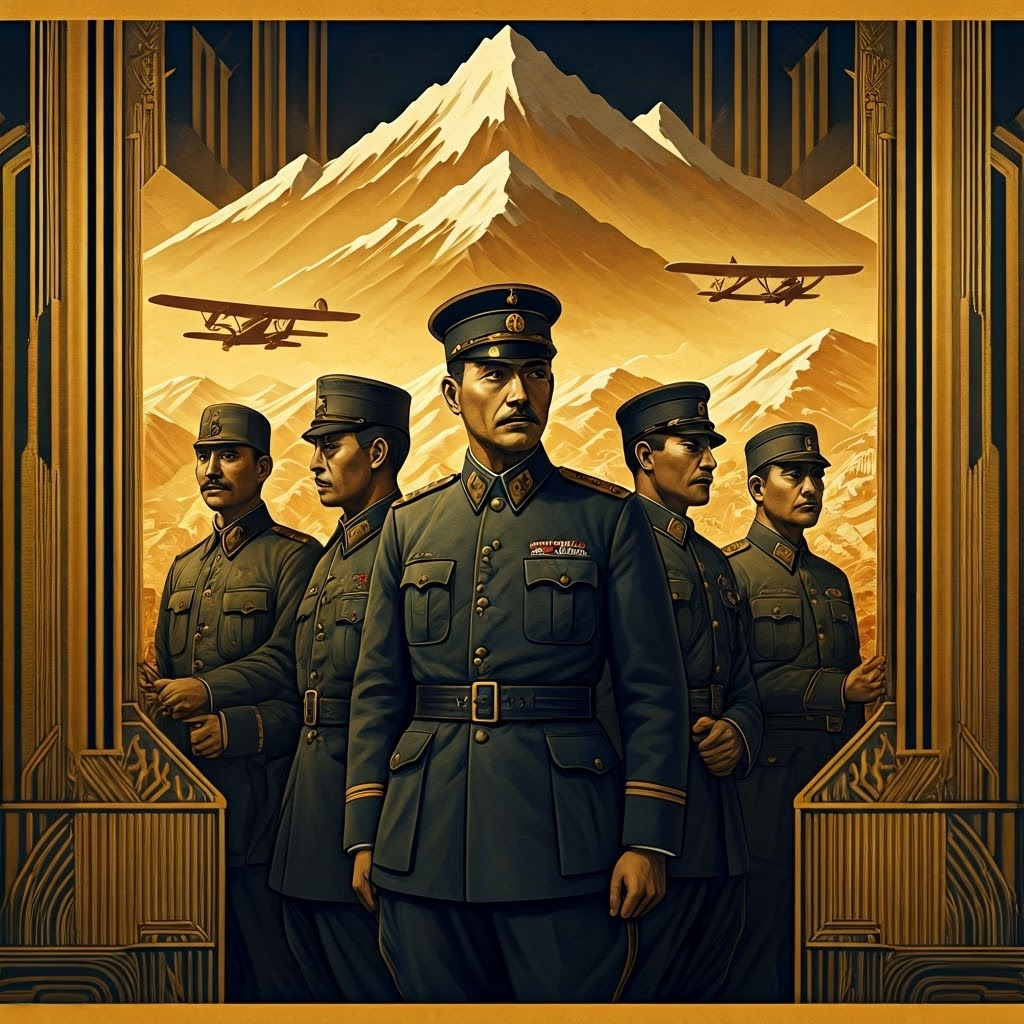
The Great Depression hit hard. Military chiefs argued expansion was the only lifeline. In 1931 they seized Manchuria—rich in coal and iron—and ignored League of Nations protests. By 1937 war with China raged. The fall of Shanghai and Nanjing showed brutal force while Western powers stayed distracted.
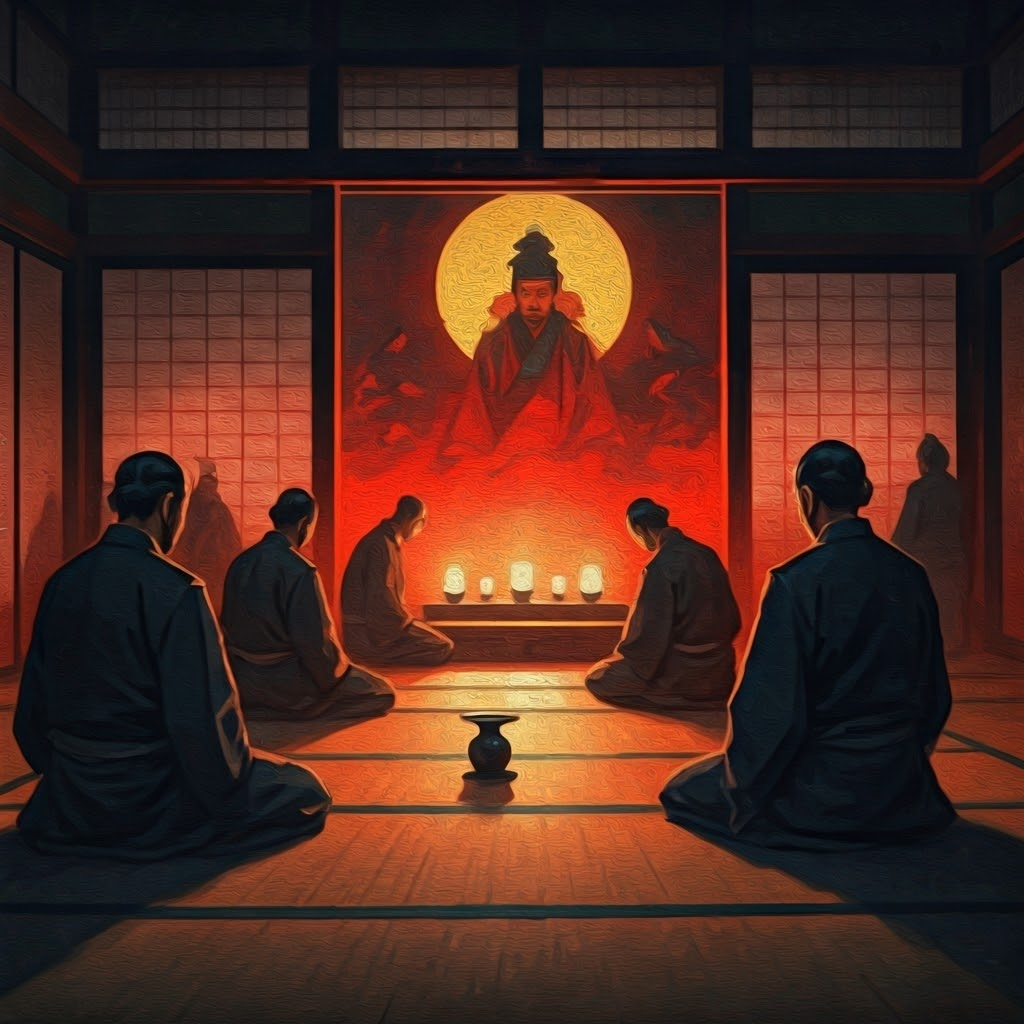
An intense belief in the Emperor’s divinity drove policy. Army officers, many with samurai roots, controlled government and press. Questioning them invited danger. Foreign embargoes, especially on oil, tightened the noose. Feeling cornered, Japan prepared to force open new doors by conquest.
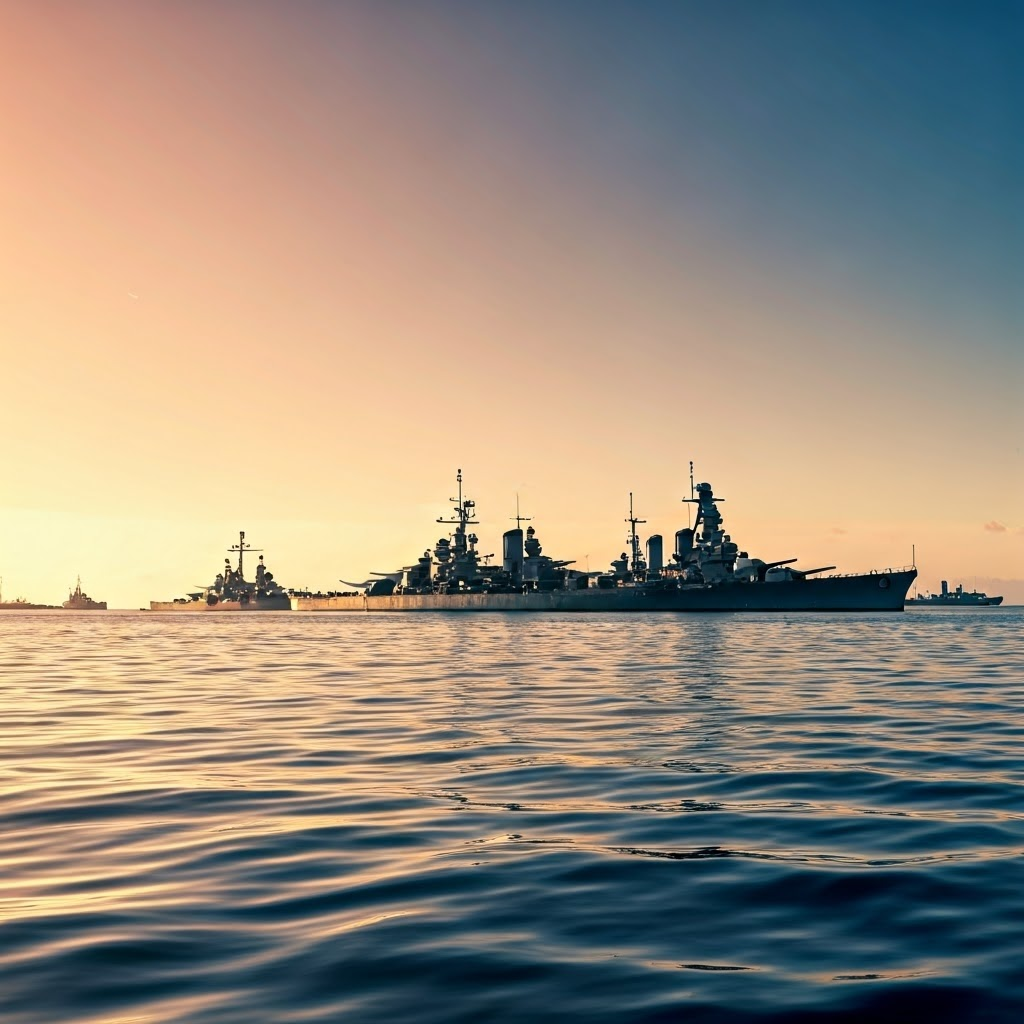
Pearl Harbor: The Day That Changed Everything
On December 7, 1941, Hawaii woke to peace and then chaos. At 7:55 a.m. Japanese bombers struck Pearl Harbor. Their goal was to cripple battleships, seize time, and make the United States doubt its will to fight across the Pacific.
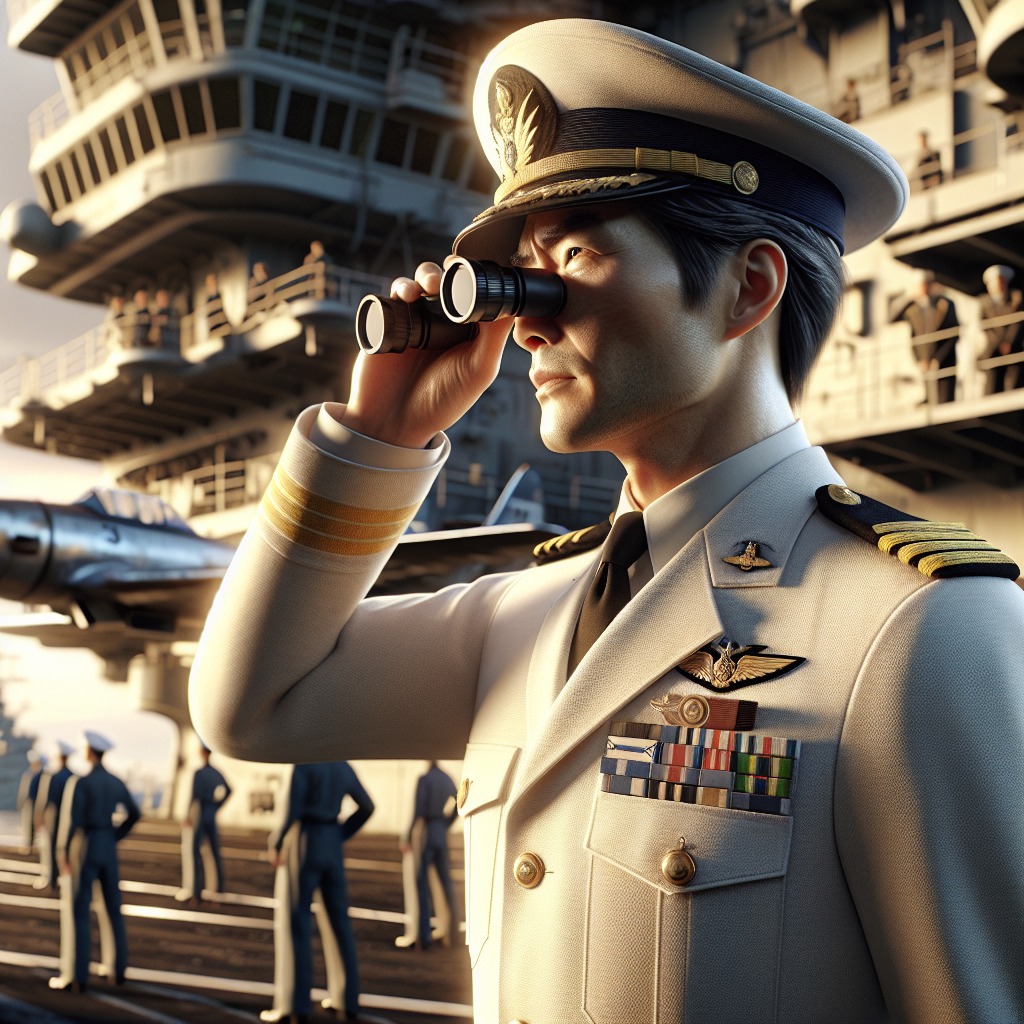
Admiral Isoroku Yamamoto knew America’s factories could drown Japan in steel if given time. He gambled a shocking strike would break U.S. resolve. Pilots trained for months, flying low under radar and using torpedoes modified for shallow water.
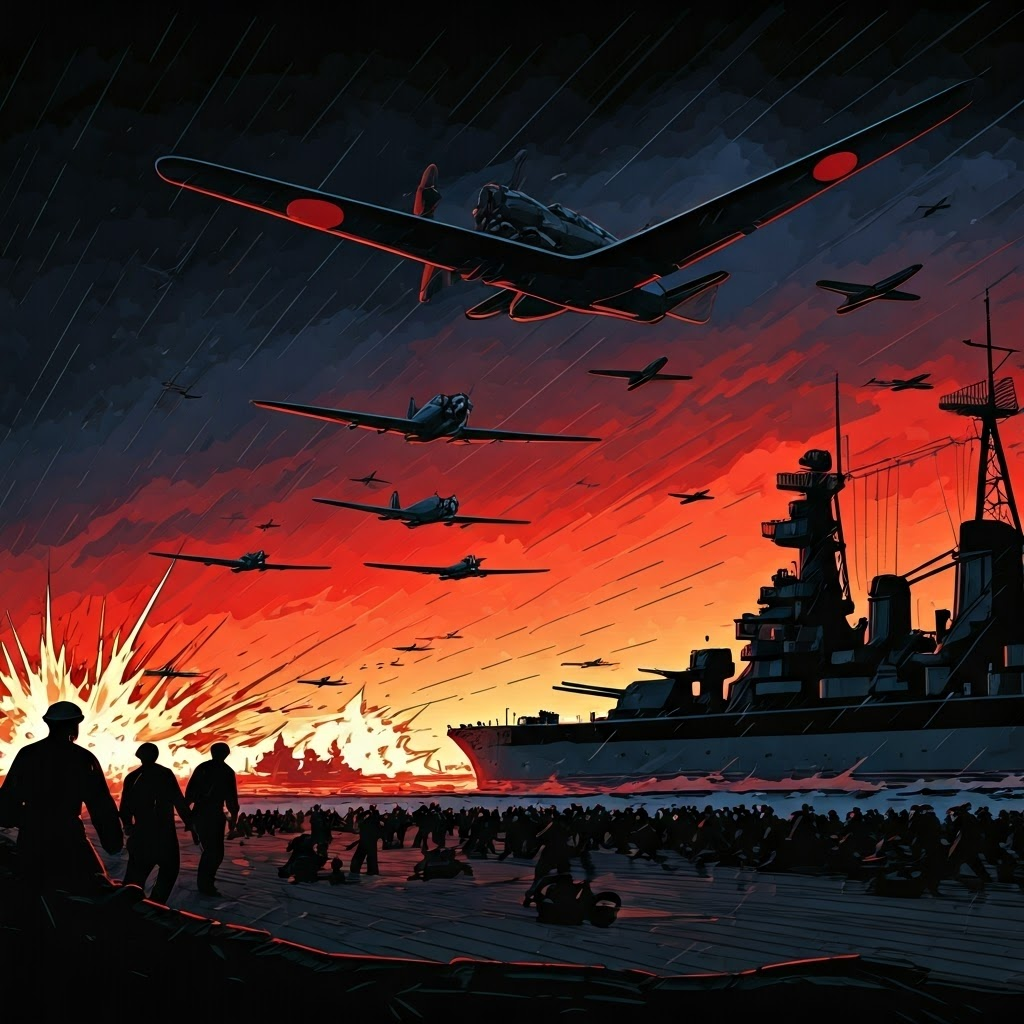
In two hours the raid sank or damaged eight battleships and destroyed nearly 200 planes. More than 2,400 Americans died. Carriers, the true strategic prize, were out at sea. Yet the shock unified the U.S. like nothing else.
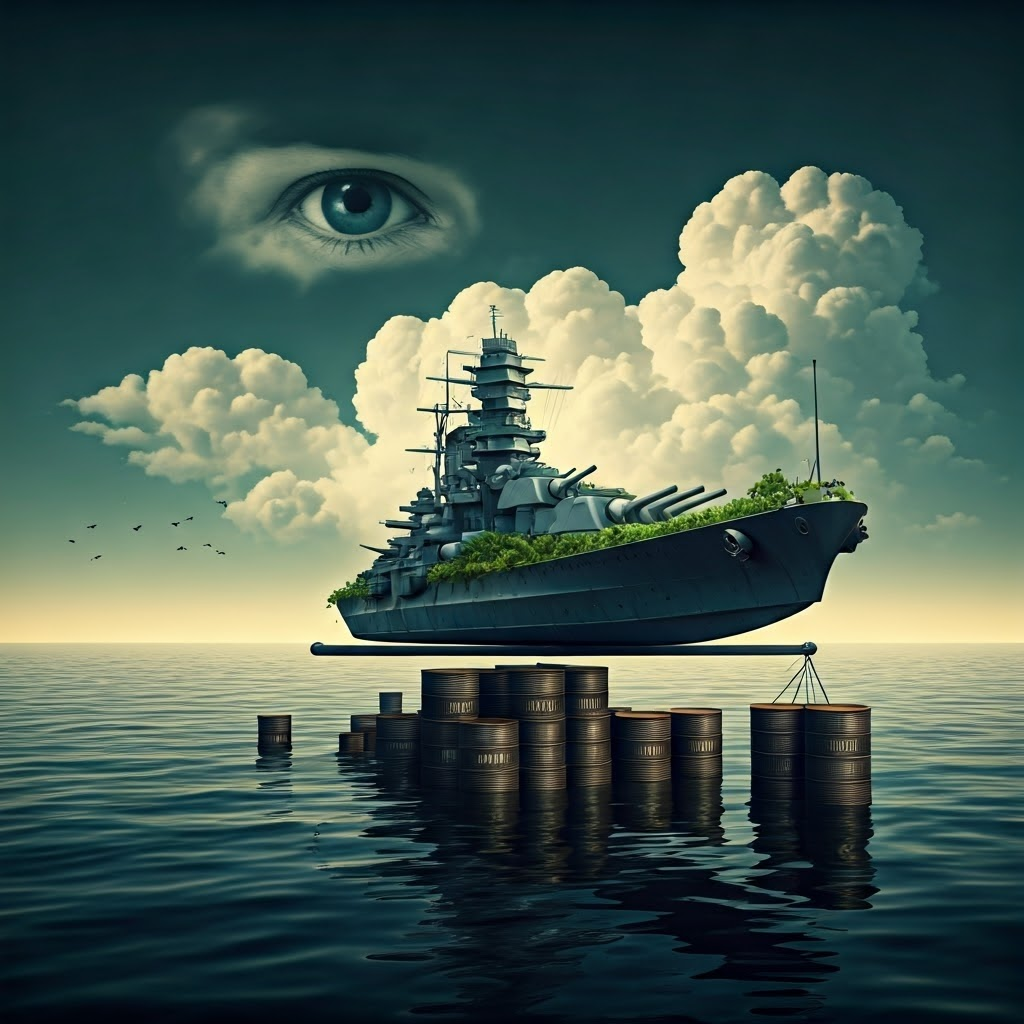
Japan struck because embargoes threatened its fuel and rubber lifelines in Southeast Asia. Leaders believed eliminating the Pacific Fleet would clear a path to those resources. They misread American determination for revenge.
Mobilizing Giants: The U.S. and Allies Respond
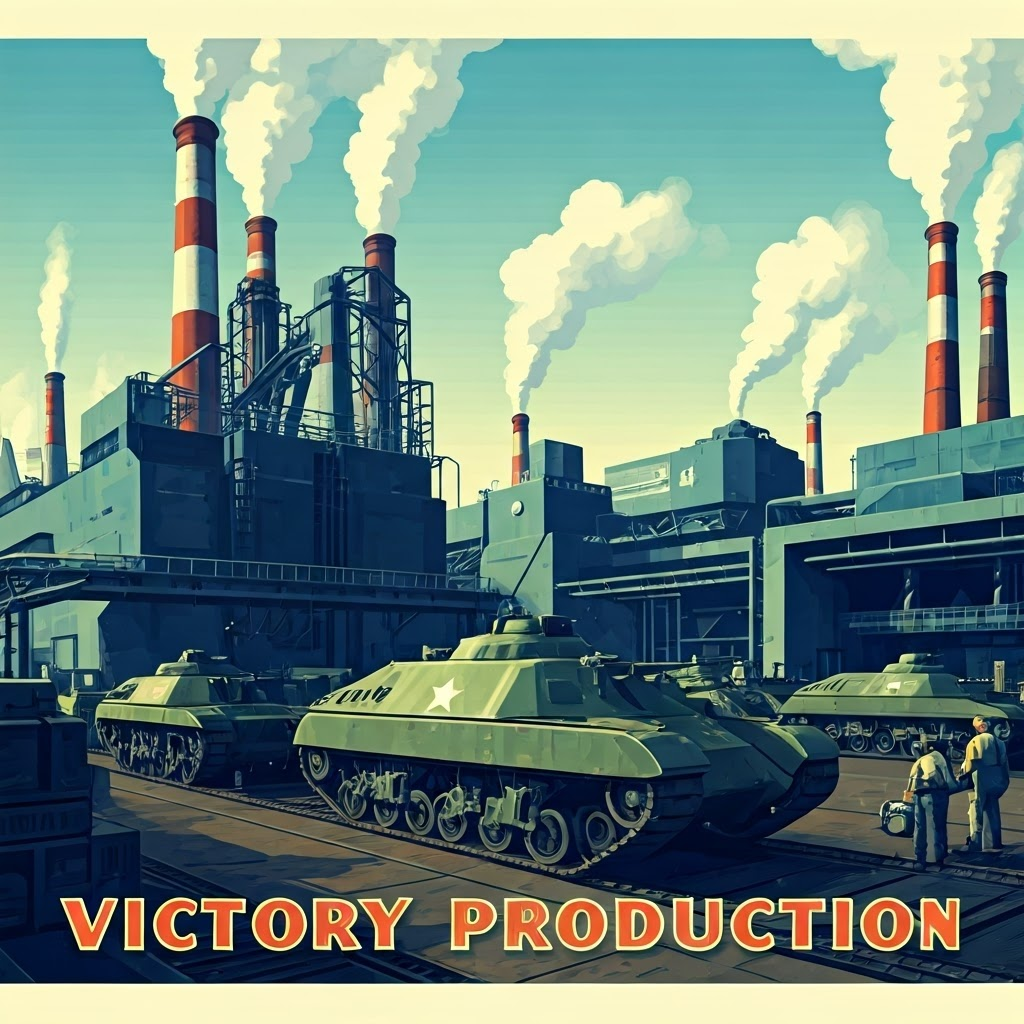
Pearl Harbor ended U.S. isolation overnight. Congress declared war within 24 hours. Detroit’s auto lines soon produced bombers and tanks. Massive mobilization turned industrial muscle into weapons.
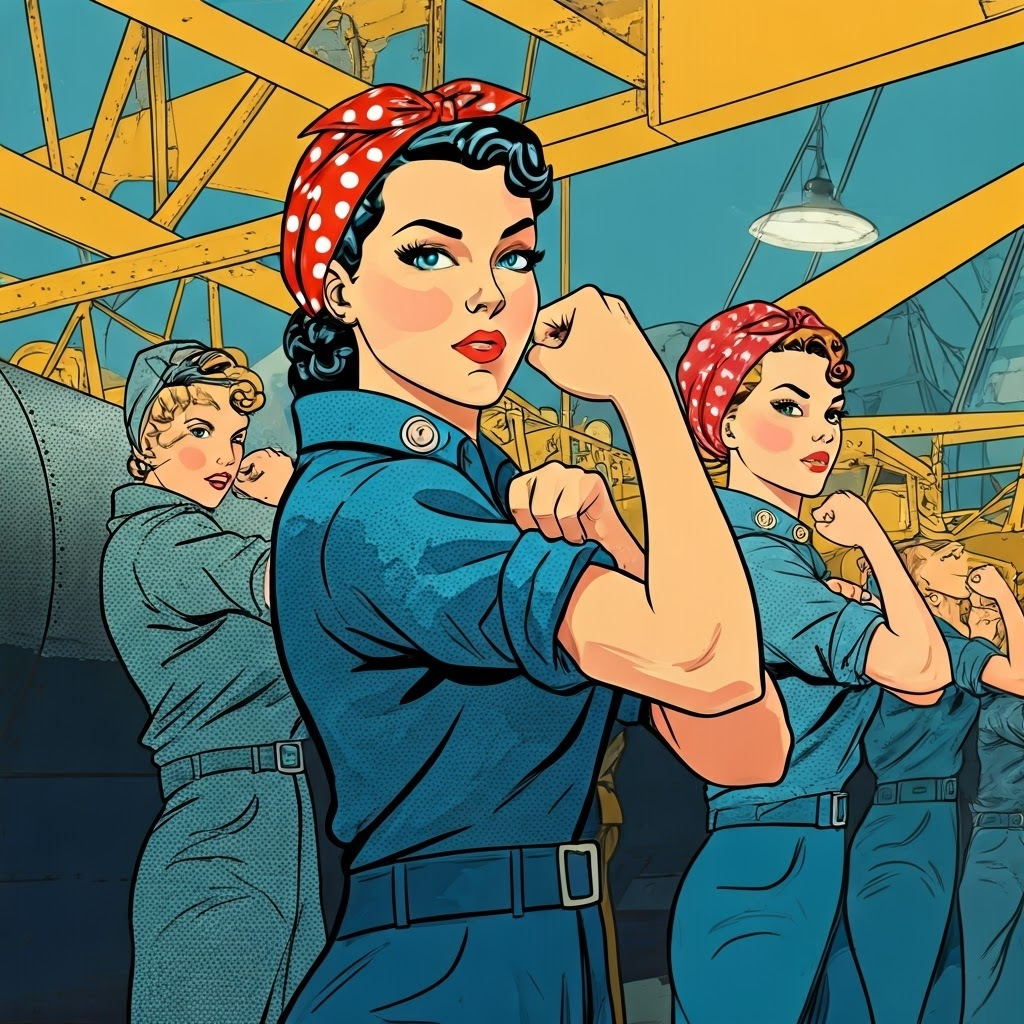
Public mood shifted fast. Millions enlisted. Women filled factories, guided by Rosie posters. Rationing, war bonds, and scrap drives wove wartime purpose into daily life.
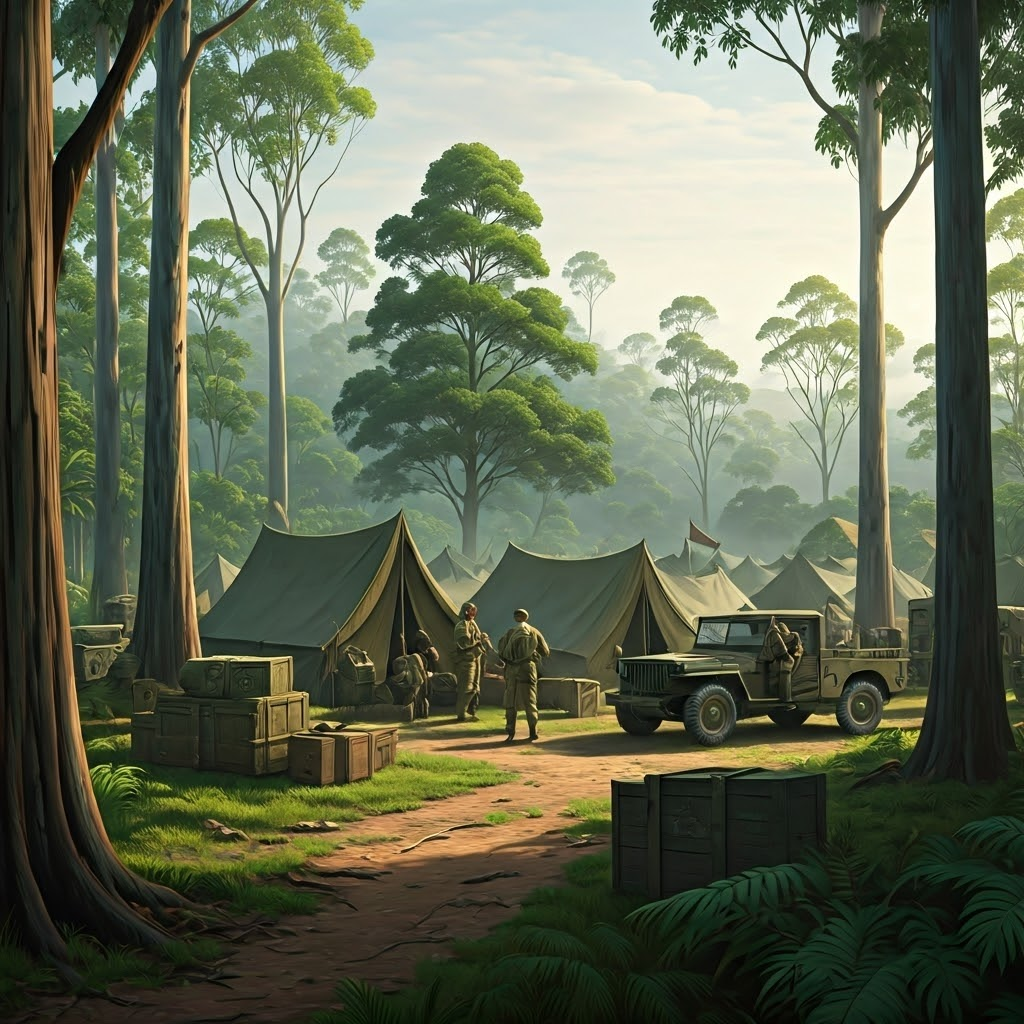
Britain and Australia became key partners. Australia turned into a vast staging ground. Indian and colonial units fought in Burma and on remote islands. Long supply chains demanded precise logistics across half a world of ocean.
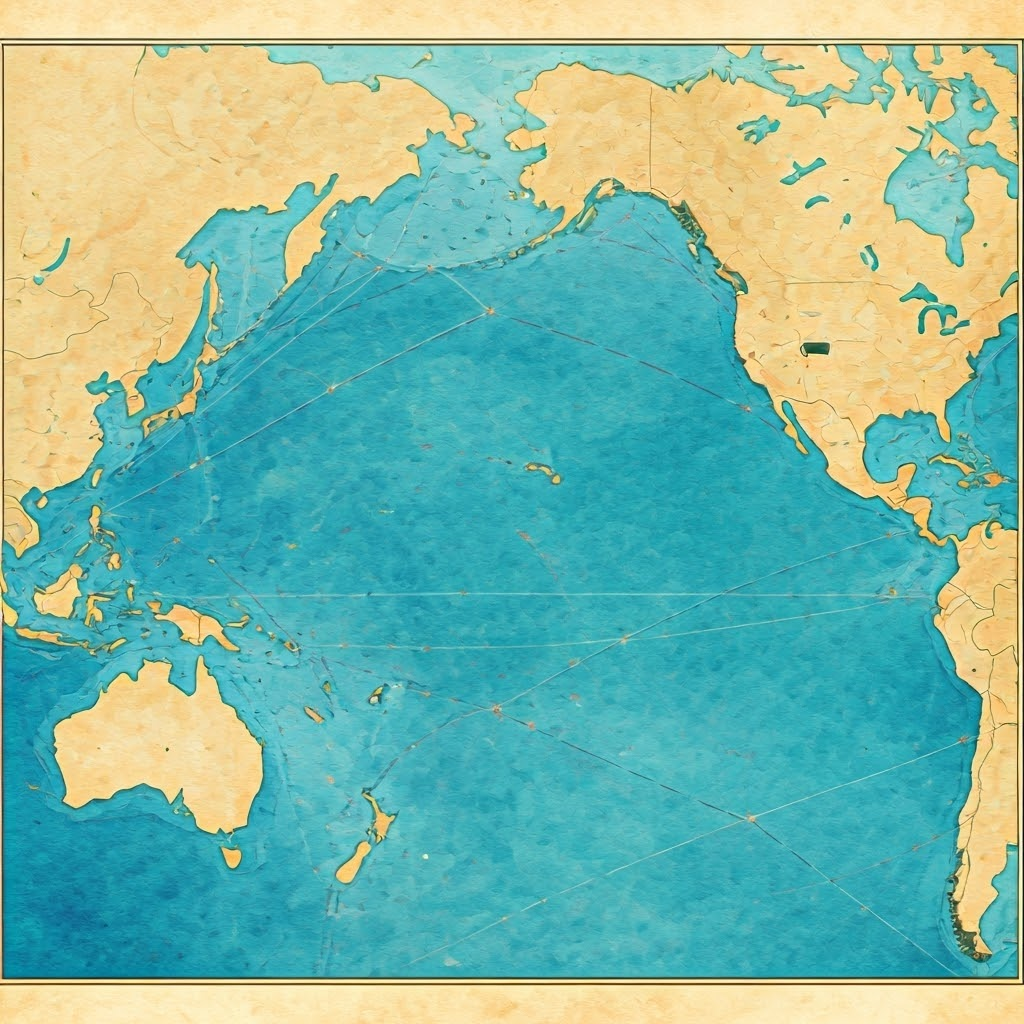
The Pacific’s size challenged both sides. Japan hoped distance would stall America. U.S. engineers saw distance as a puzzle to solve. Codebreakers at Station Hypo cracked messages, planting seeds for later victories.
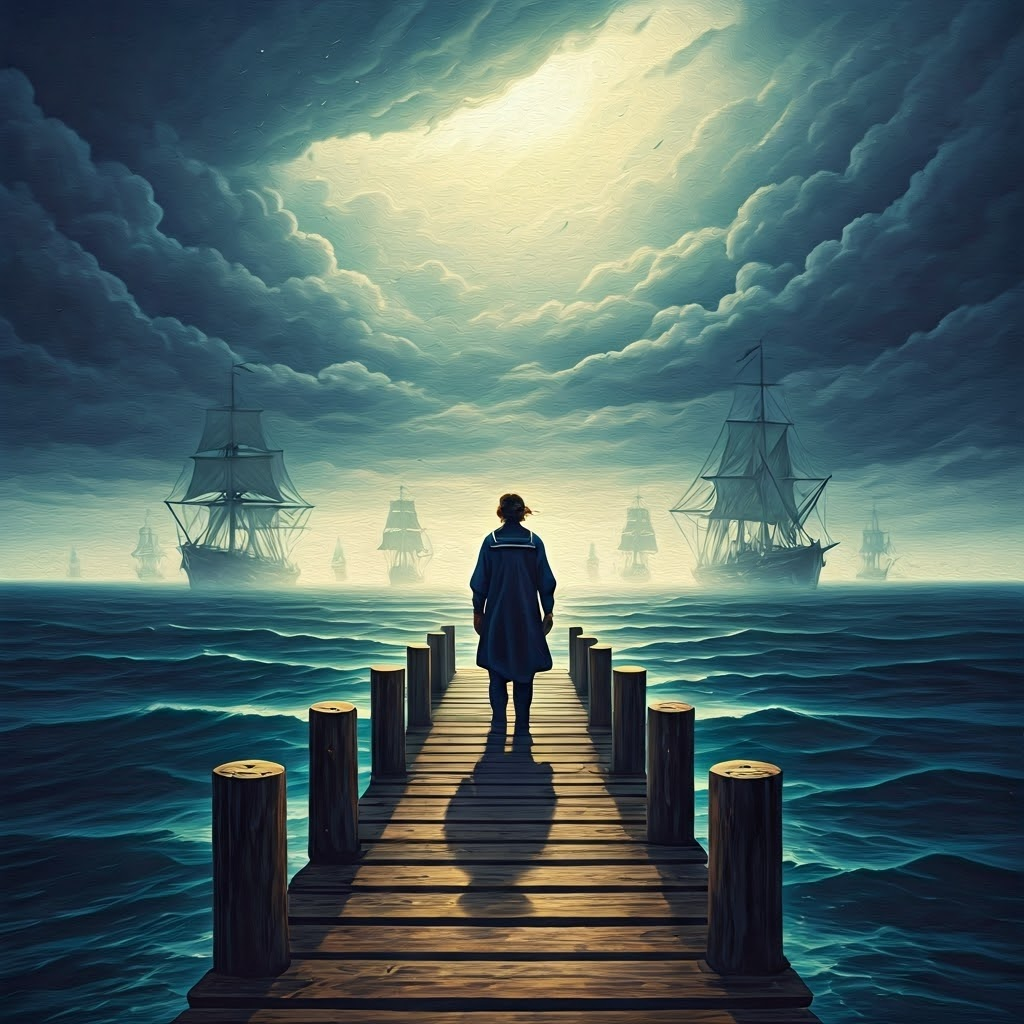
By early 1942, docks in San Francisco buzzed with young sailors boarding transports. A nation had awakened overnight. The Pacific War would unfold through colossal sea battles and brutal island campaigns. At its heart lay one fierce idea: control of the Pacific meant survival for empires and peoples alike.
