
Why Europe Boiled Over: The Roots of 1848
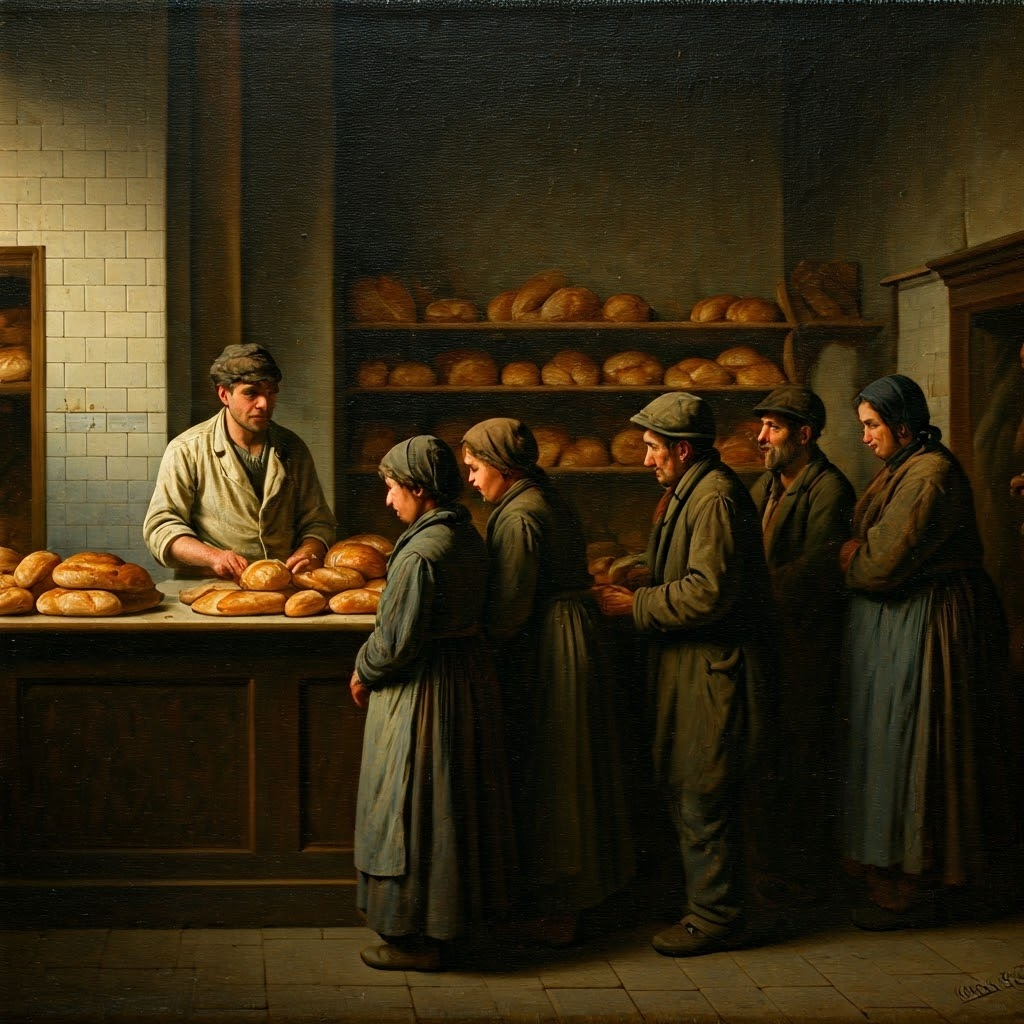
Bread, Jobs, and Anger: The Economic Squeeze
Picture a cramped Paris bakery in 1847. Bread now costs twice what it did the year before. Across Europe hunger becomes routine. Bad weather ruined wheat and potato harvests in 1845 and 1846, so food is scarce while mouths are many. Parents sell belongings for black bread and thin soup. Hunger drives every thought.
In the countryside entire families trade furniture for flour. City dwellers fare no better. Factories struggle because customers spend almost nothing beyond food. When plants shut down, workers lose wages overnight. The pain feels endless, and despair grows. Unemployment follows the empty plates.
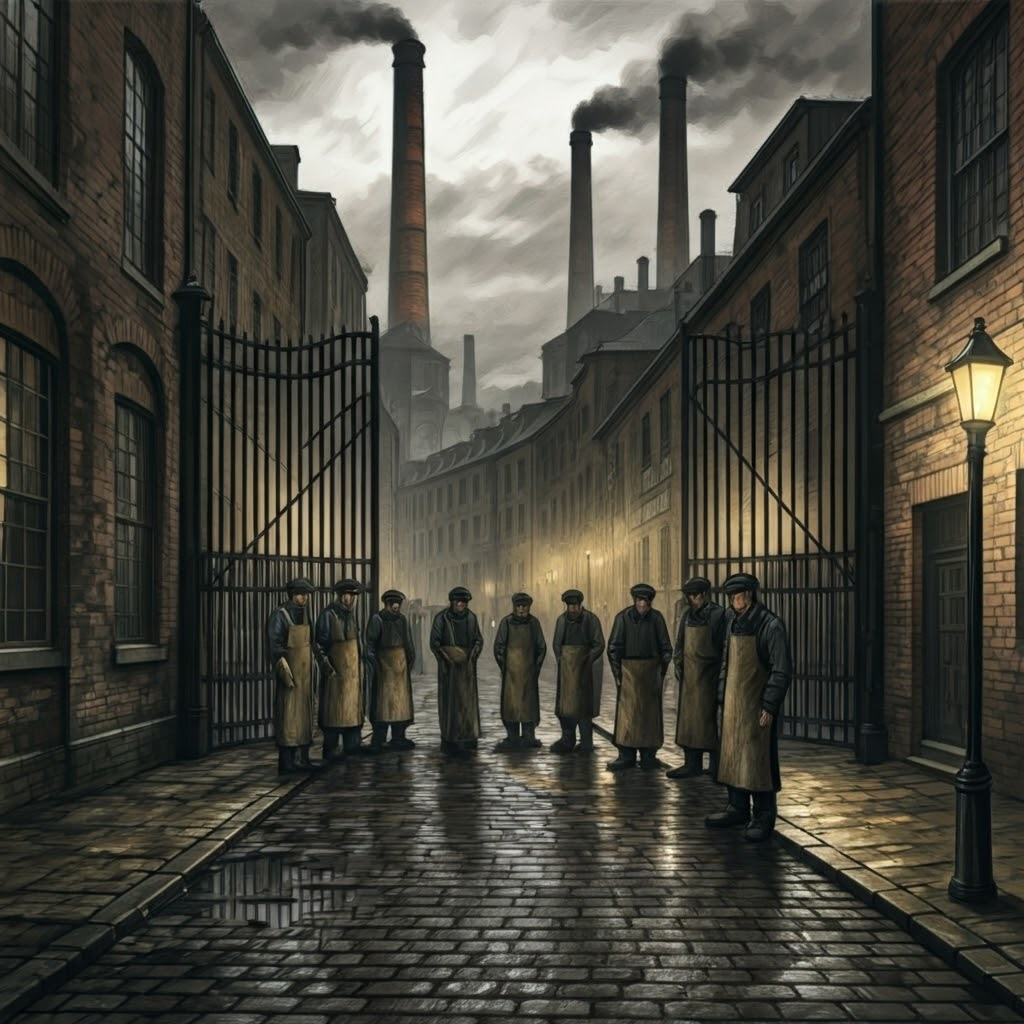
The young industrial economy had promised steady paychecks. Now entire shifts vanish. In Vienna, Berlin, and Milan thousands of skilled hands wander the streets. Hunger mixed with job loss sparks anger. People fear tomorrow will only bring more loss. Dignity slips away.
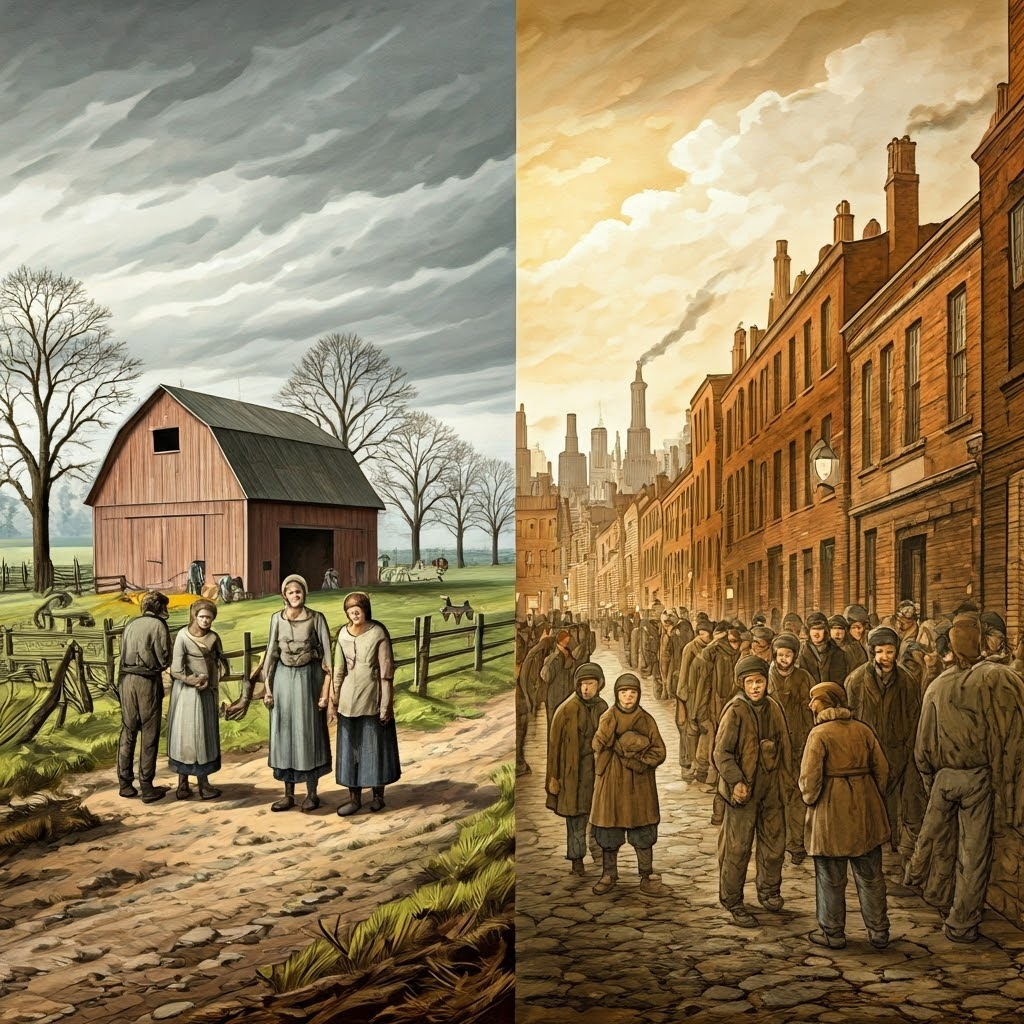
Rural and urban misery overlap. German handloom weavers watch machines erase their craft. Irish peasants face famine after the potato blight. Italian and East European farmers sink into debt because crop prices collapse. The hurt differs by place yet spares no one. Crisis feels universal.
New Voices: The Middle Class and Workers Step Up
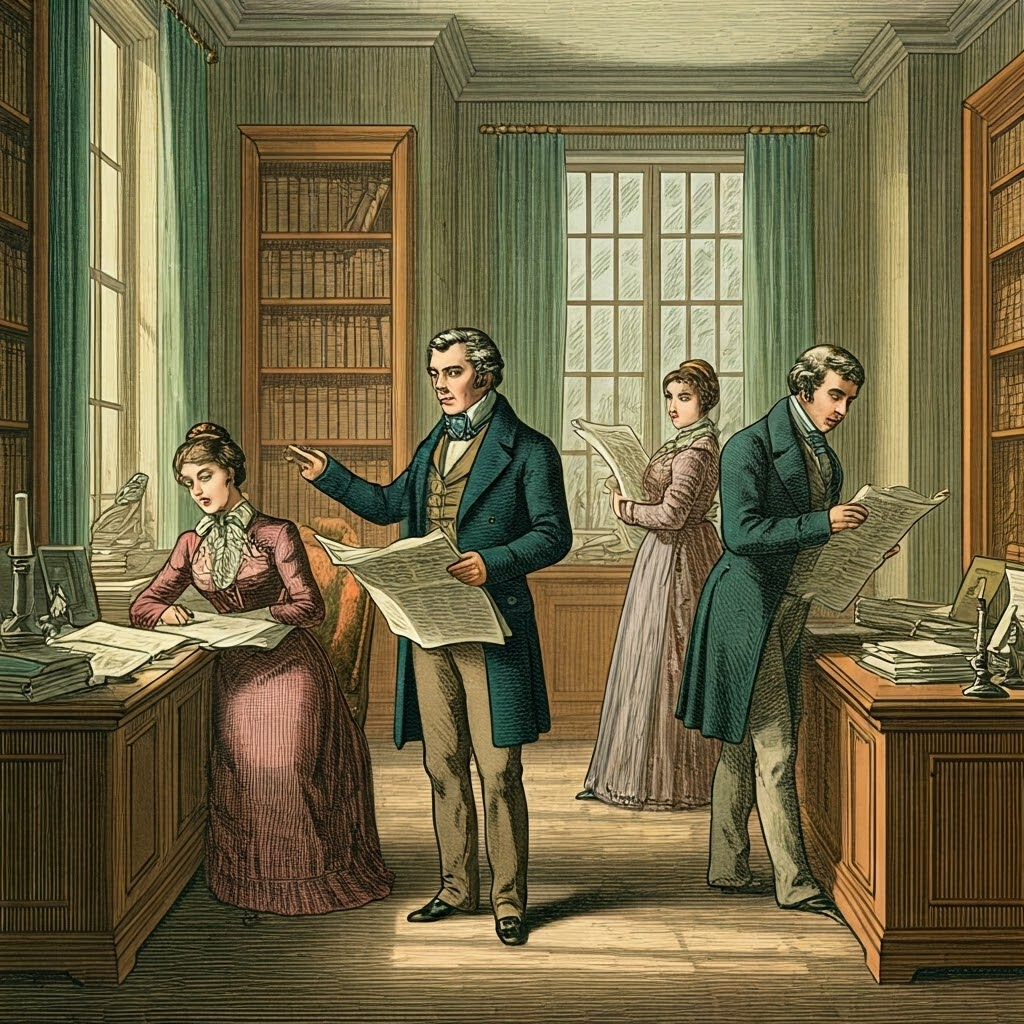
The middle class grows fast after 1815. Merchants, lawyers, and teachers read papers, attend lectures, and run shops. Yet monarchies bar them from power. Watching old nobles steer policy frustrates them deeply. Participation becomes their rallying wish.
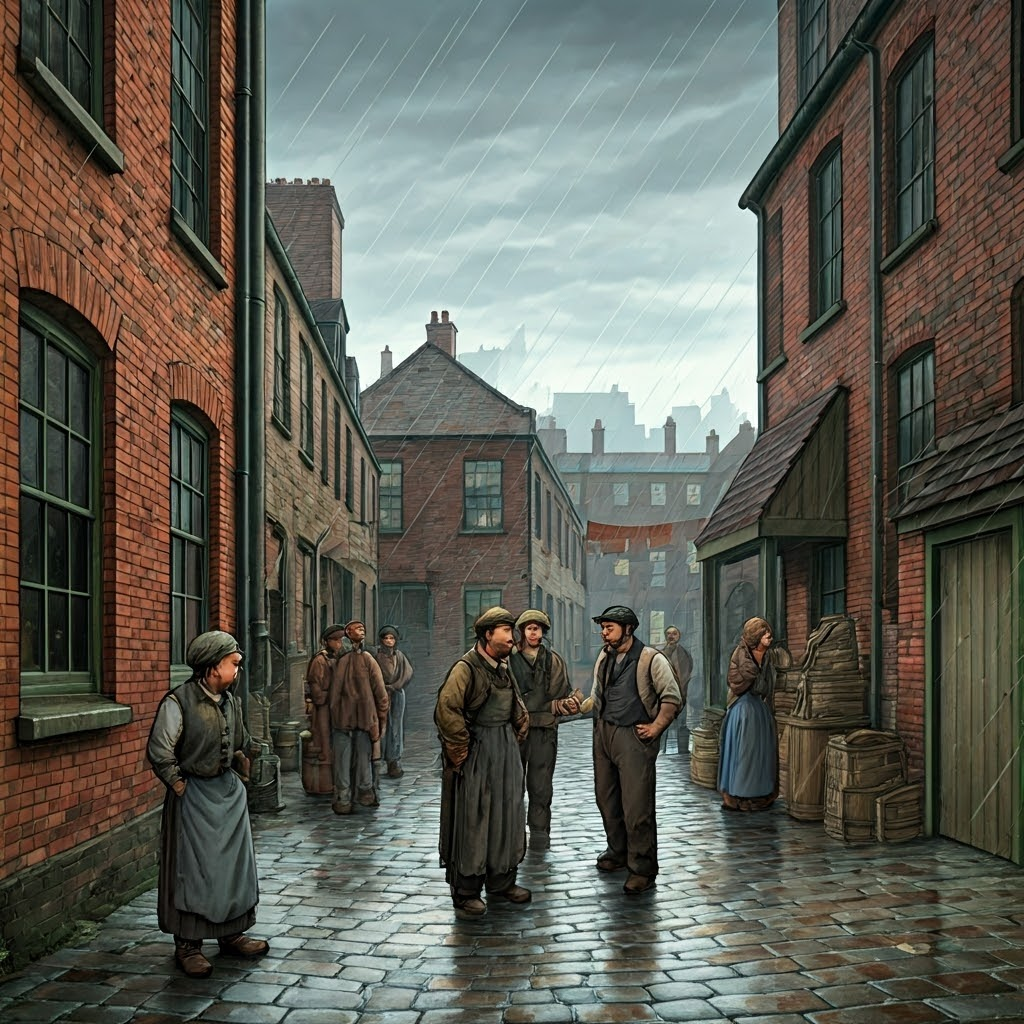
Factory hands and artisans live in cramped quarters nicknamed “Misery Alley.” Wages stay low, hours stay long, and injuries ruin livelihoods. Clubs meant for song and fellowship turn political as hardship worsens. Petitions flood city halls. Solidarity offers a slim hope.
Ideas on the Move: Liberalism, Nationalism, and Socialism
New political thinking spreads like wildfire. Leaflets jump borders faster than police can seize them. Three ideas dominate the talk: liberalism, nationalism, and socialism. Ideas fuel the coming storm.
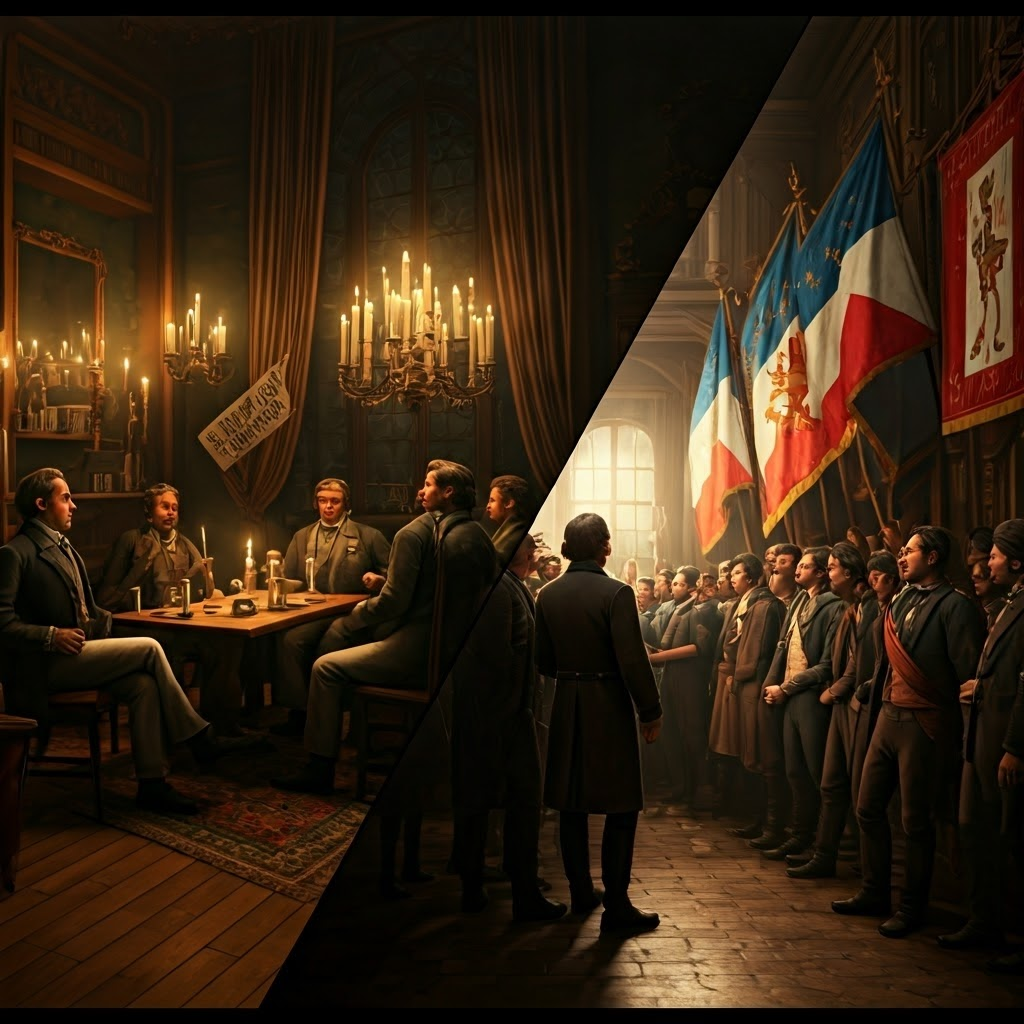
Liberalism backs freedom of speech, a free press, and rule by law. Middle-class readers love its promise of shared power. Nationalism calls for people with common language and culture to rule themselves. It thrills Germans, Italians, and Hungarians yet worries minorities. Identity sharpens.
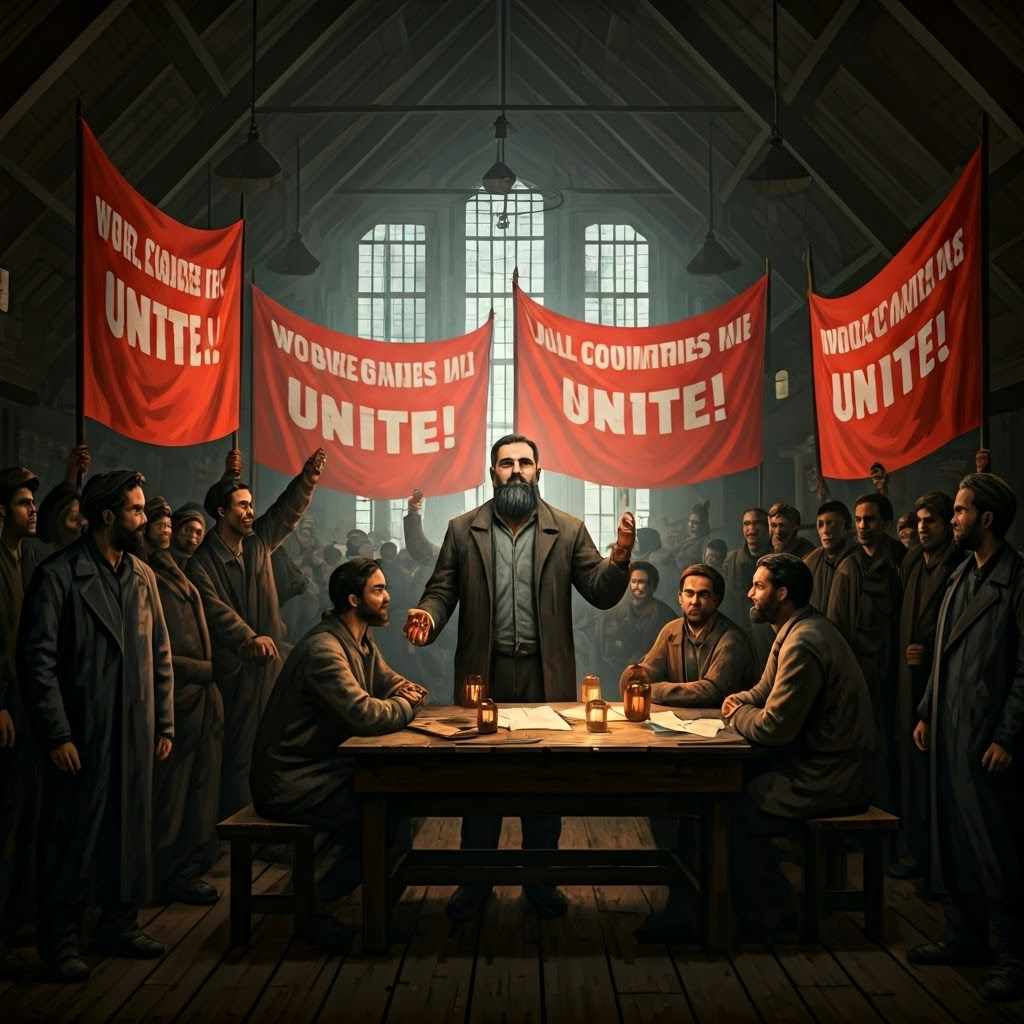
Socialism is radical and new. Thinkers like Karl Marx demand fairness in daily life, not just politics. Why should a few own everything while many starve? “Workers of all countries, unite!” echoes in crowded halls. The rich feel alarm; the poor feel inspired. Justice becomes the cry.
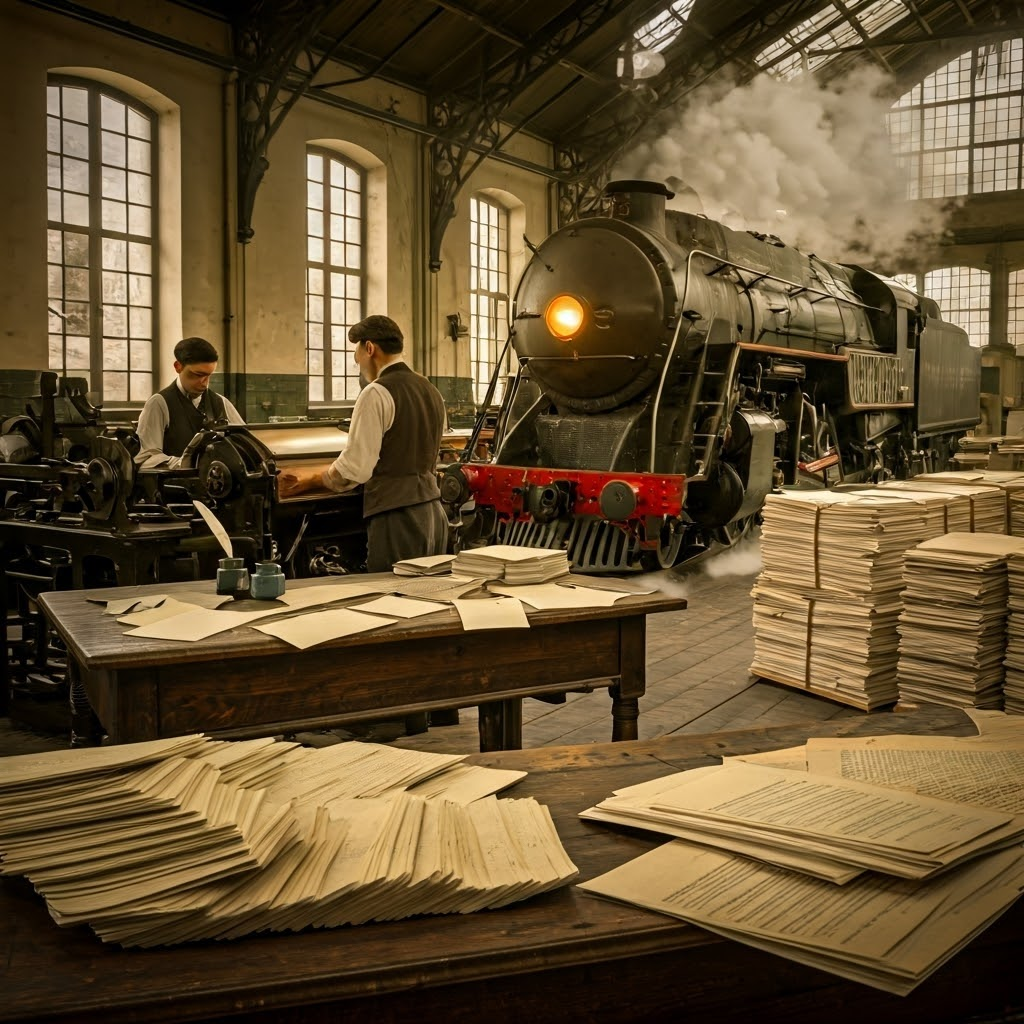
Cheap presses and rising literacy speed the message. Railways and improved mail networks whisk papers from Paris to Warsaw within days. Police cannot dam this flood. Soon factory hands and schoolteachers debate parliaments, national pride, and workers’ rights. Communication reshapes Europe.
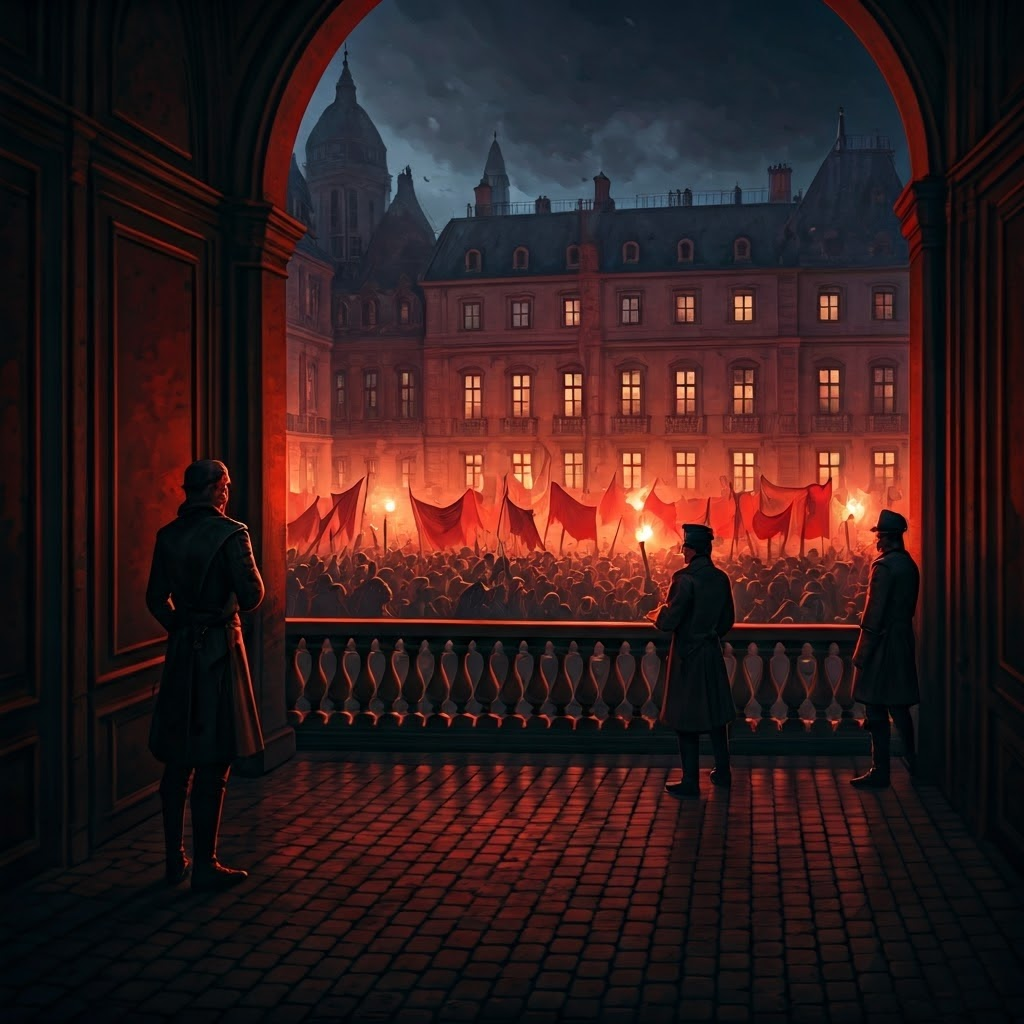
The Boiling Point—and Why It Wasn’t the Same Everywhere
Conditions varied. Britain’s earlier reforms and Chartist rallies released some steam. Russia’s secret police crushed dissent. But in central Europe economic crisis, a rising middle class, active workers, and fresh ideas combined explosively. Volatility took hold.
Could rulers have avoided revolt? Possibly, had they embraced reform. Instead they hesitated. By early 1848 peasants, workers, students, and shopkeepers all felt change must come at once. Their stories differed, yet their conclusion matched: the old order could not stand.
