
From Myths to Questions: The Pre-Socratics and the First Philosophers
Early Greek thinkers shifted from mythic stories to reason. Their questions sparked the first steps toward philosophy.
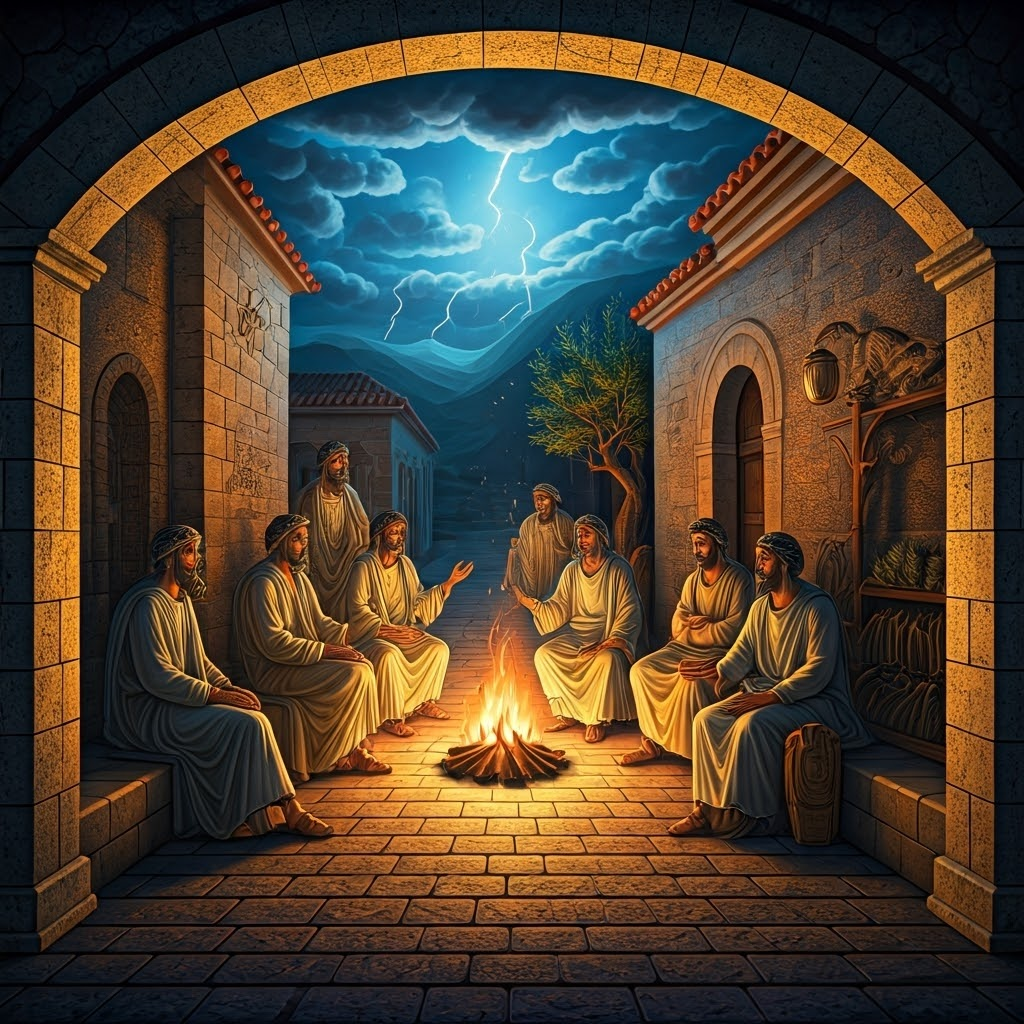
Myths once explained storms, harvests, and fate. Zeus thundered when lightning struck. Demeter turned fields barren when angered. These stories offered comfort and a sense of order, yet the world still felt wild and unpredictable.
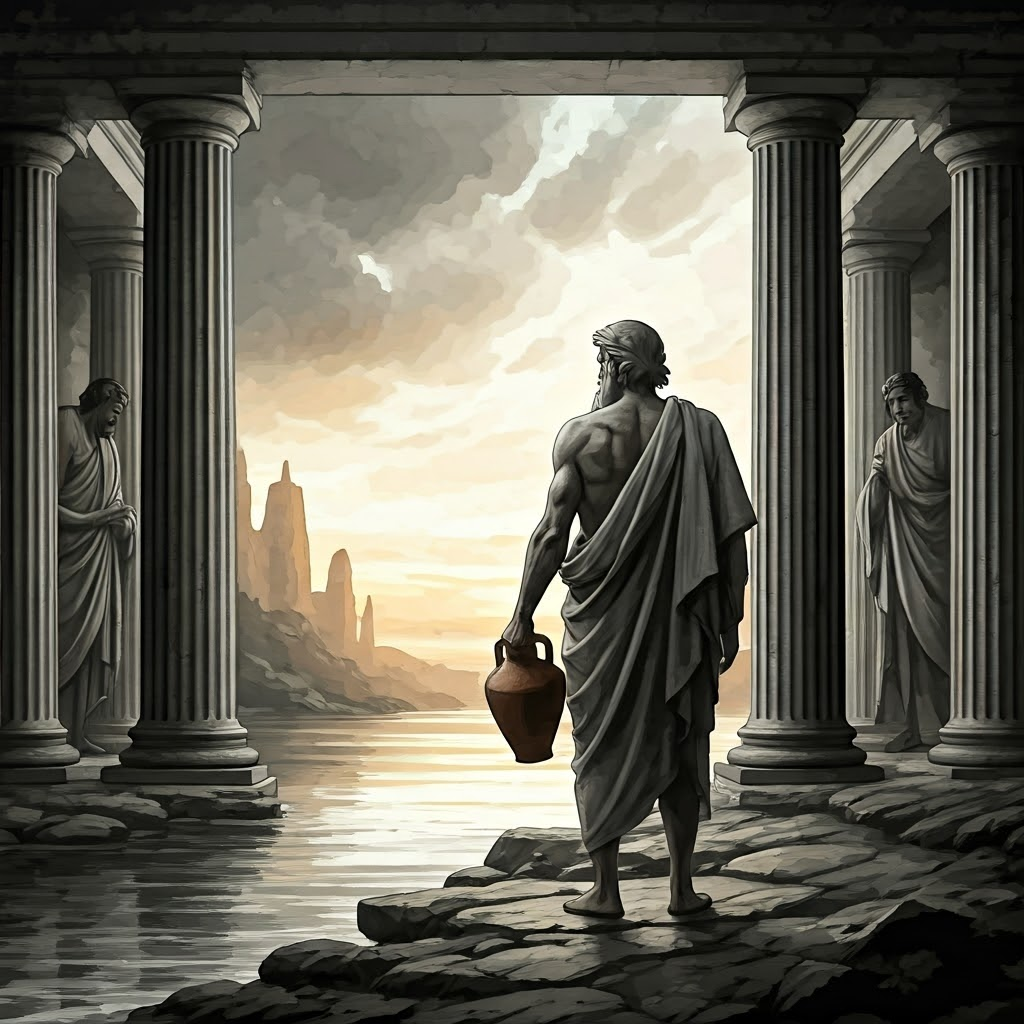
The First Questioners: Thales and the Milesians
Around 600 BCE in Miletus, Thales asked what reality is made of. He answered, “Everything is water.” He saw water change form, travel everywhere, and nourish life, so he chose a substance instead of a god.

The Milesians cared less about which element mattered and more about natural causes. If lightning flashes, clouds and wind may be enough—no Zeus required. This shift opened every mystery to open debate and shared proof.
Numbers, Harmony, and the Pythagorean Way
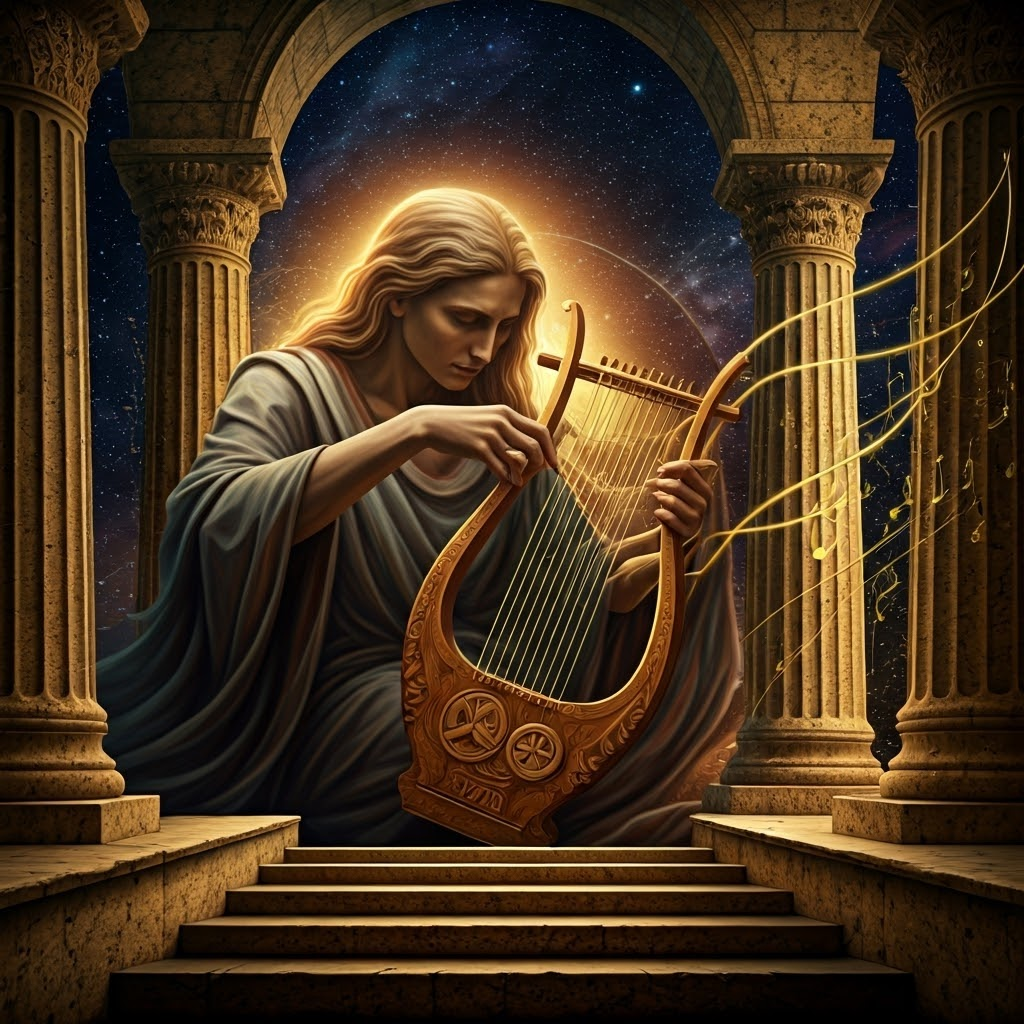
Next came the Pythagoreans. Pythagoras saw simple string ratios—2:1, 3:2—create pleasing notes. From that insight he claimed numbers shape music, stars, and even souls.

His followers found harmony everywhere. They believed life runs best when tuned to clear mathematical patterns. Today our love for data and patterns echoes their obsession.

Change or No Change? Heraclitus vs. Parmenides
Heraclitus claimed everything flows like a river—you never step in the same waters twice. Conflict and motion drive existence.
Parmenides opposed him. He insisted change is illusion. Beneath appearances, true Being remains fixed and timeless.
Atoms and the Building Blocks of Everything
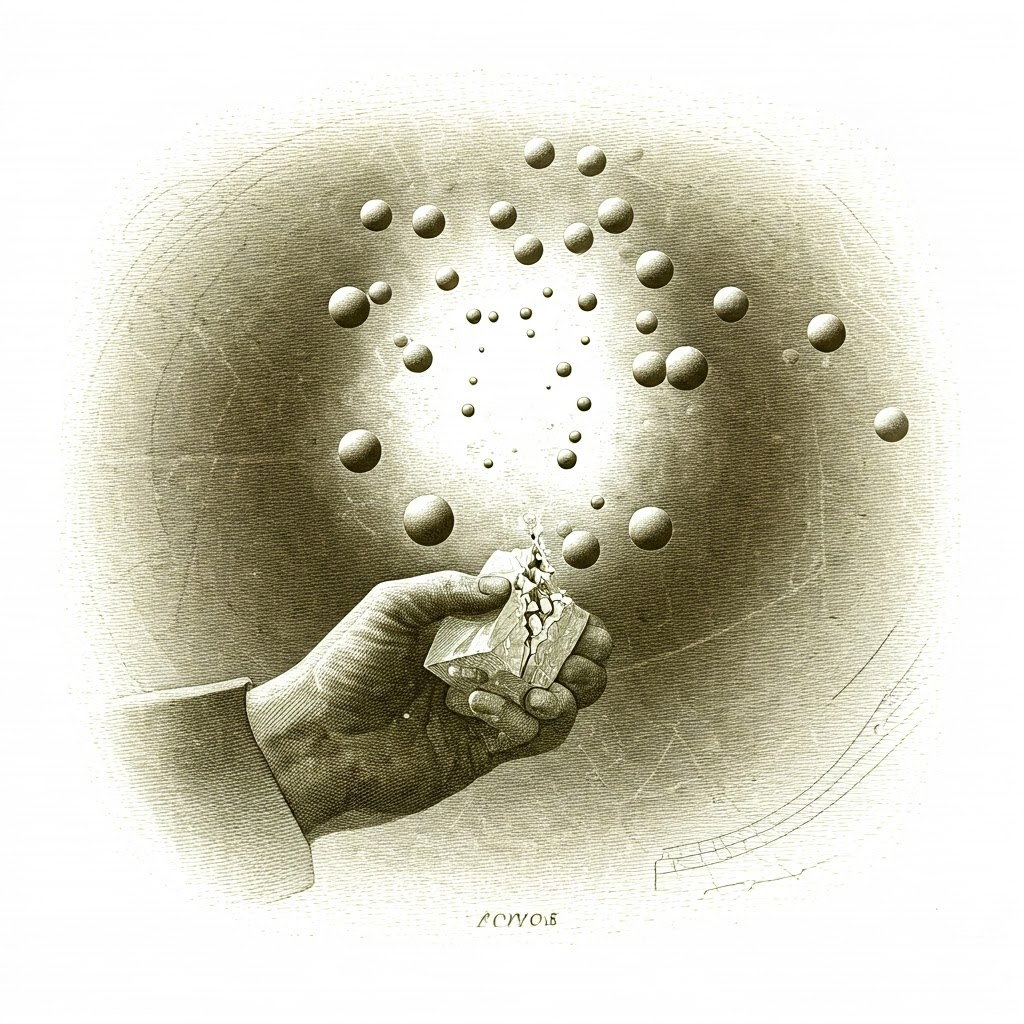
Later, Democritus proposed atoms—tiny, uncuttable pieces dancing in empty space. Every transformation is just atoms shifting. His bold idea foreshadowed modern science.
The Sophists: Masters of Words
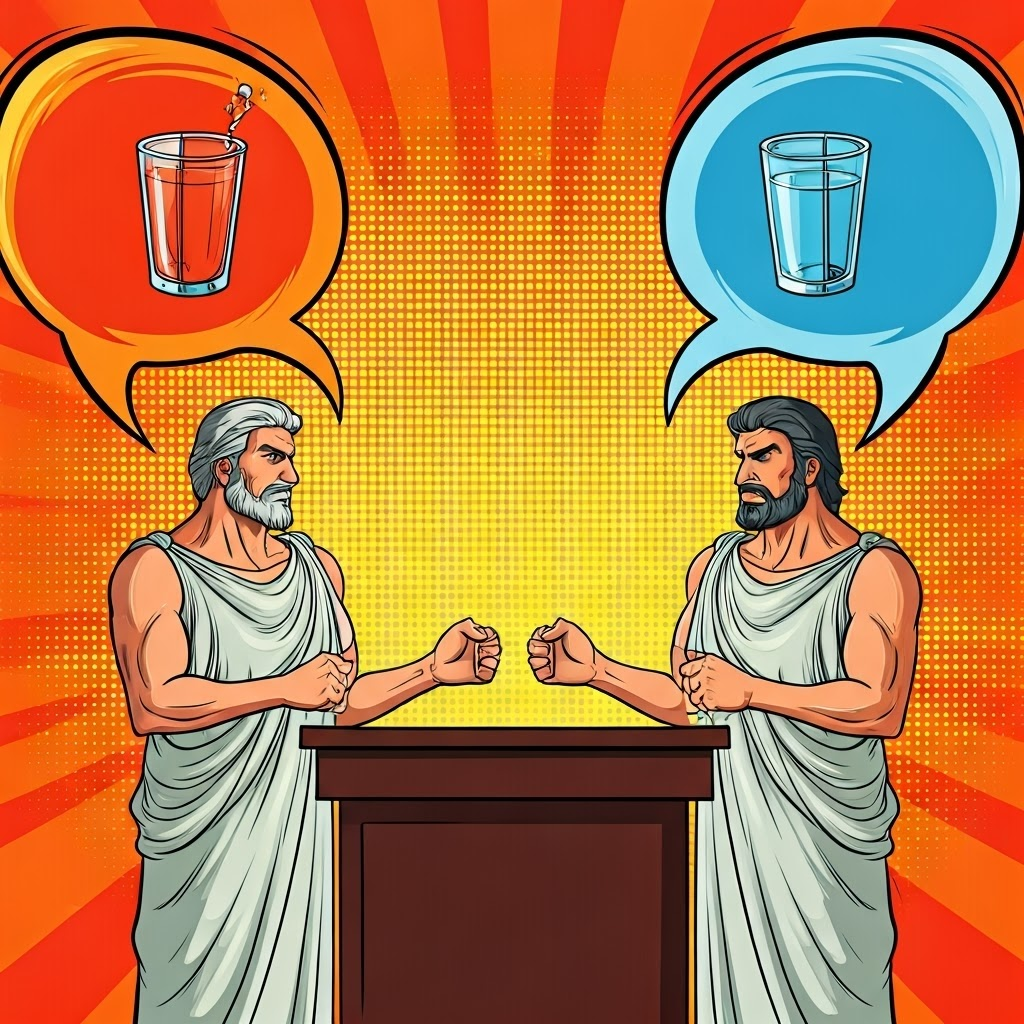
The Sophists taught wealthy youth how to argue and win. Truth mattered less than persuasion. Their rhetorical tricks still fuel politics and advertising.
From Questions to Wonder
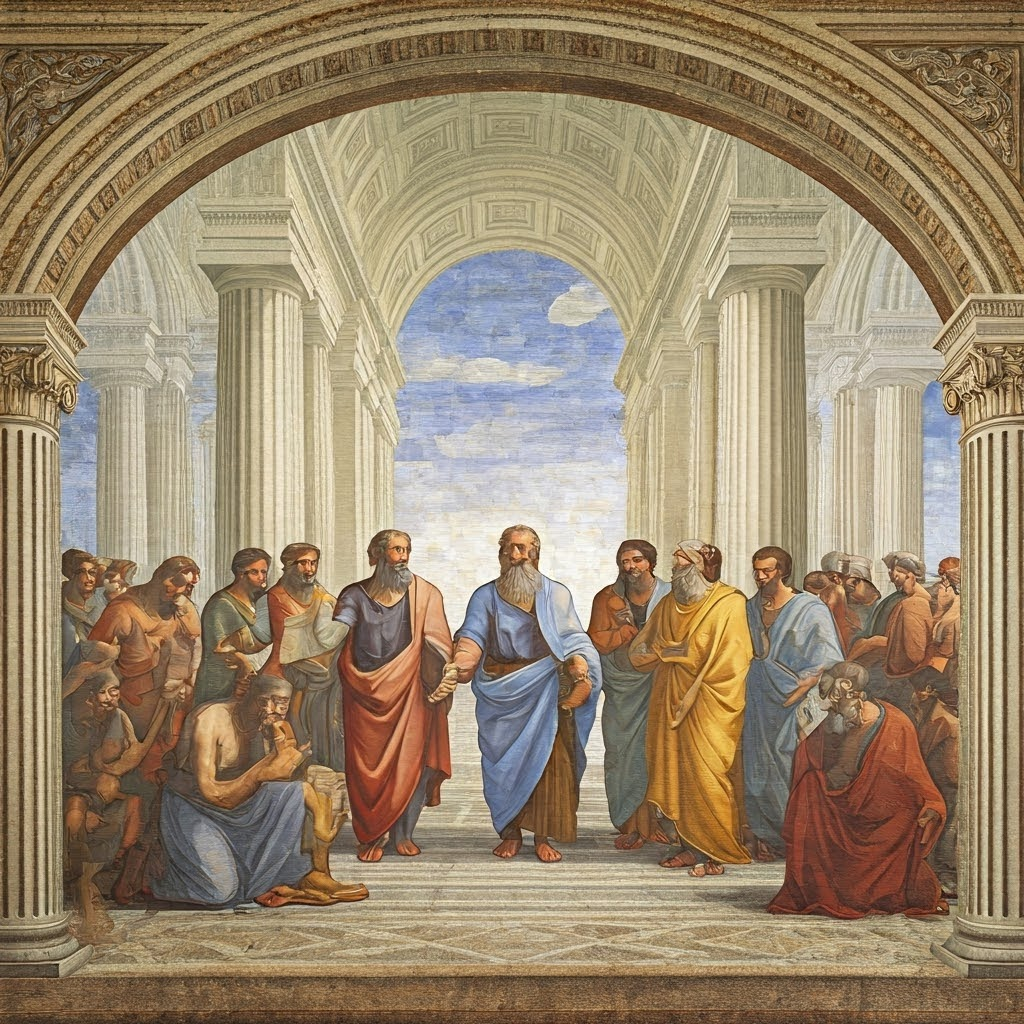
Pre-Socratic thinkers replaced unquestioned tales with open inquiry. They argued, doubted, and explored. Their greatest gift is the habit of asking “Why?”—a spark that still lights science and philosophy today.
