
Wired for Change: How the Grid Got Smart
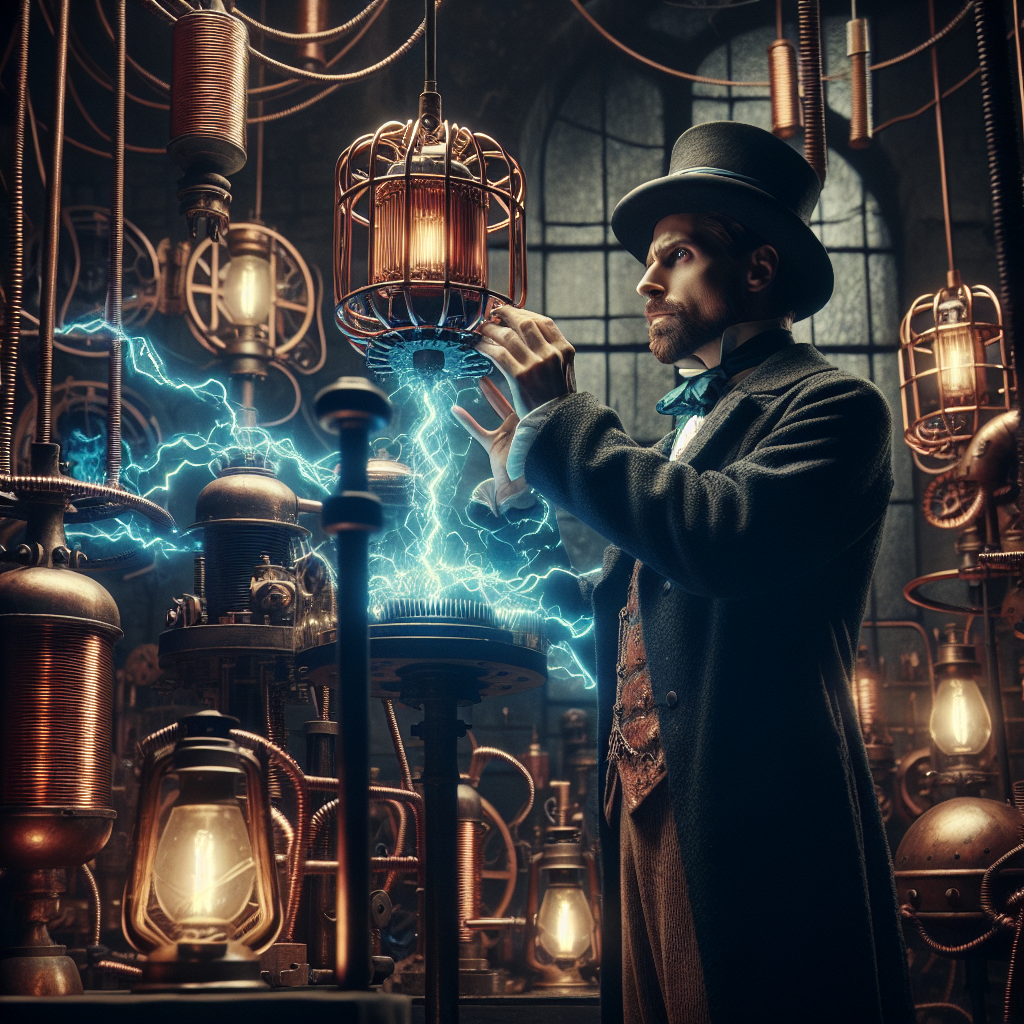
Electricity 101: From Tesla to Today
You probably don’t think about alternating current when you switch on a lamp. Yet every flip of that switch relies on a system shaped by Nikola Tesla. In the late 1800s two ideas—direct current and alternating current—fought for dominance. Direct current moves one way like water in a hose but loses strength over distance.
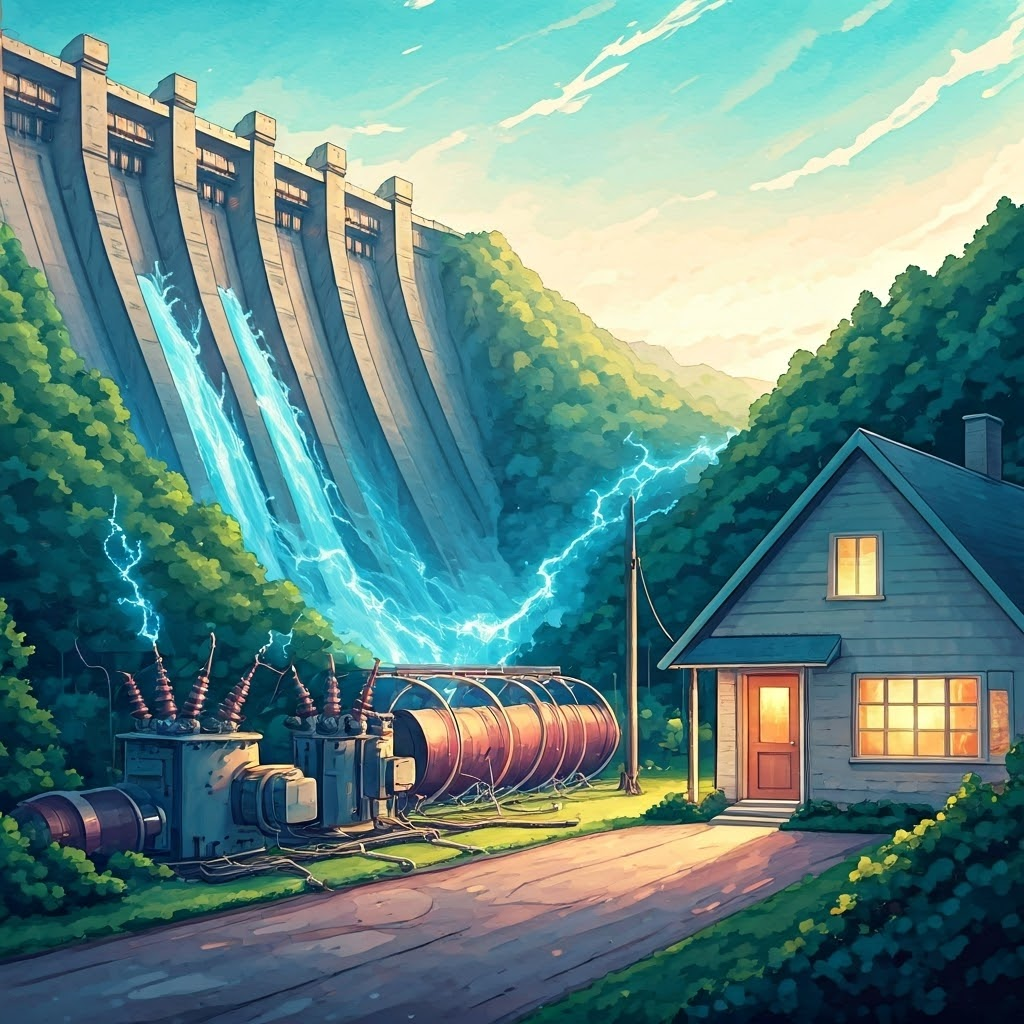
Tesla introduced the AC motor and the transformer. Together they turned AC into the default power highway. Picture AC as a silent conveyor belt that carries energy from huge plants to your phone charger.
That same system lets wind farms, distant dams, and rooftop panels blend their output. Because of AC your lights stay steady almost anywhere you live.
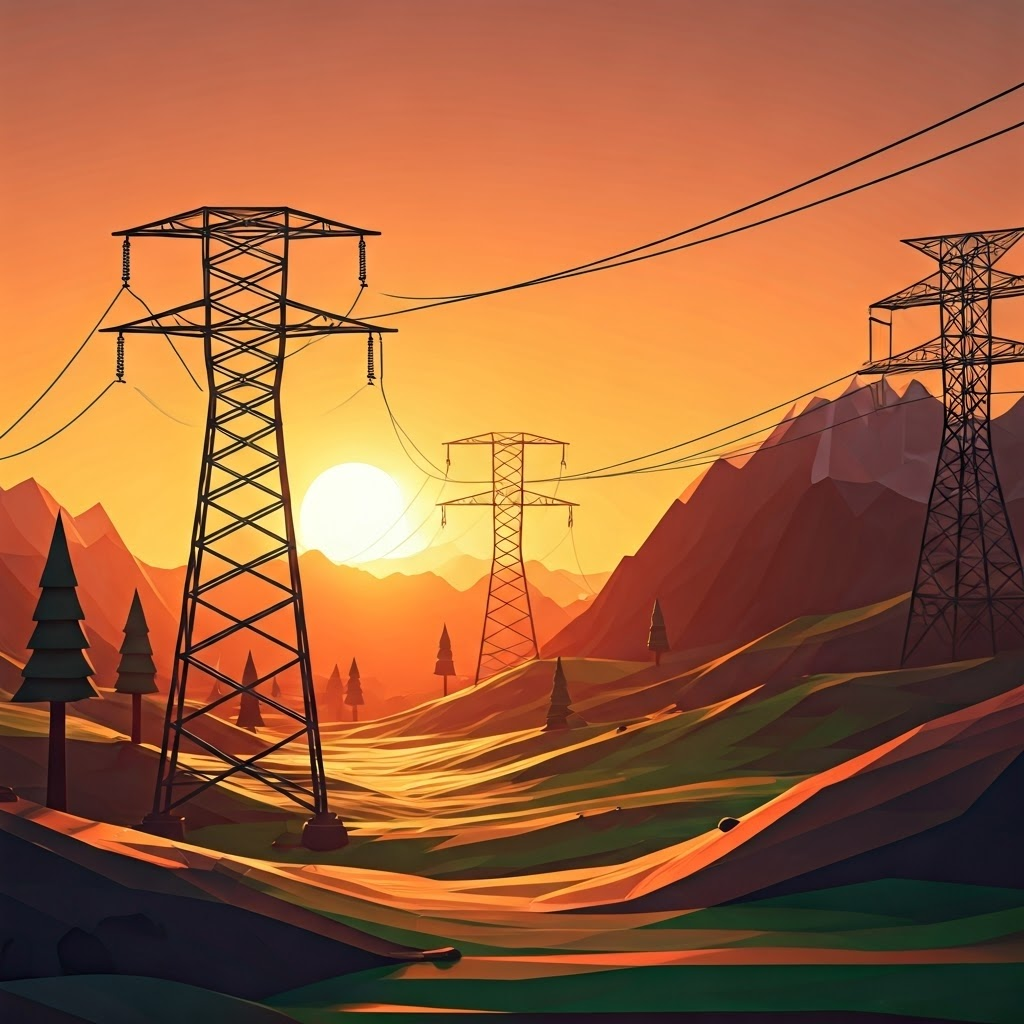
The Grid’s Skeleton: Transmission, Distribution, and You
The electric grid works like a highway network for electrons. A large plant—coal, nuclear, or wind—generates power. Thick transmission lines then push that energy across long distances at very high voltage to cut losses.
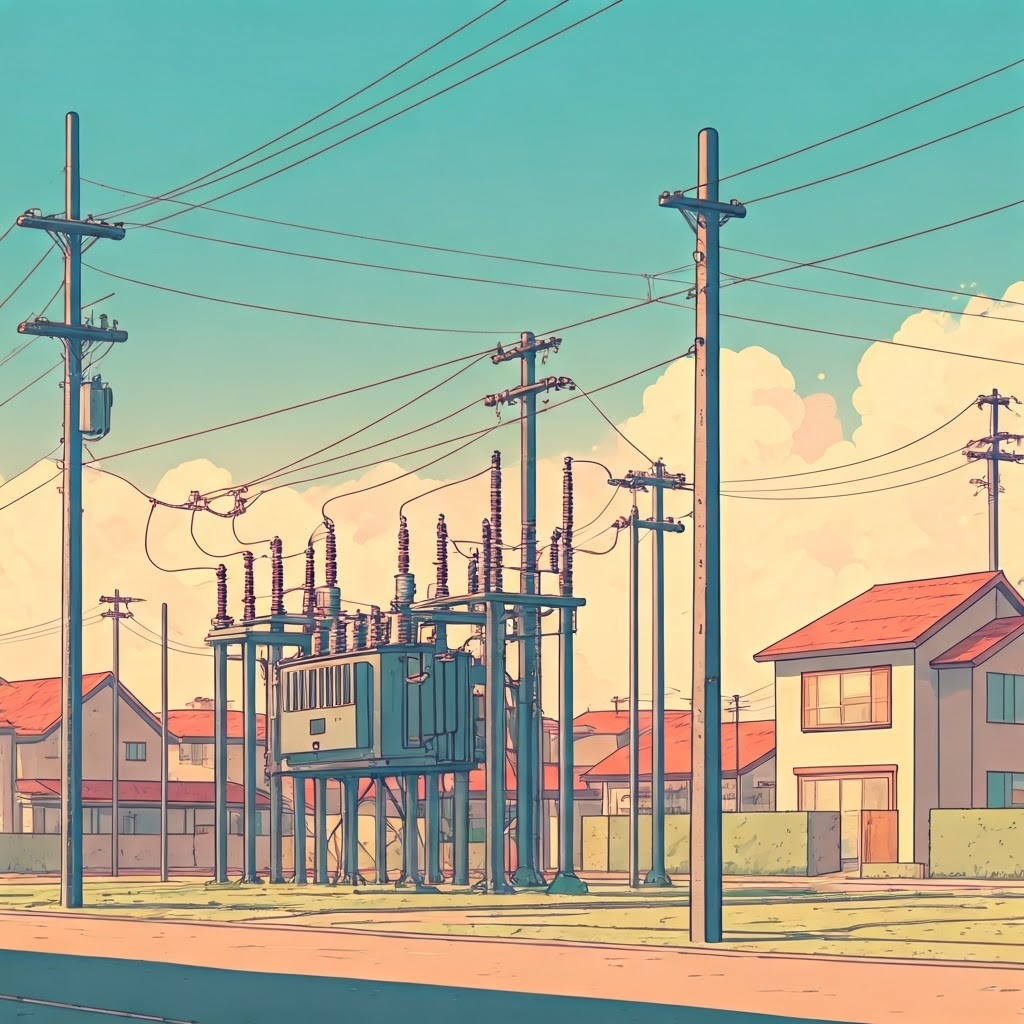
Near towns, substations use transformers to lower voltage. The distribution network—those local wires—delivers energy to houses, stores, and libraries.
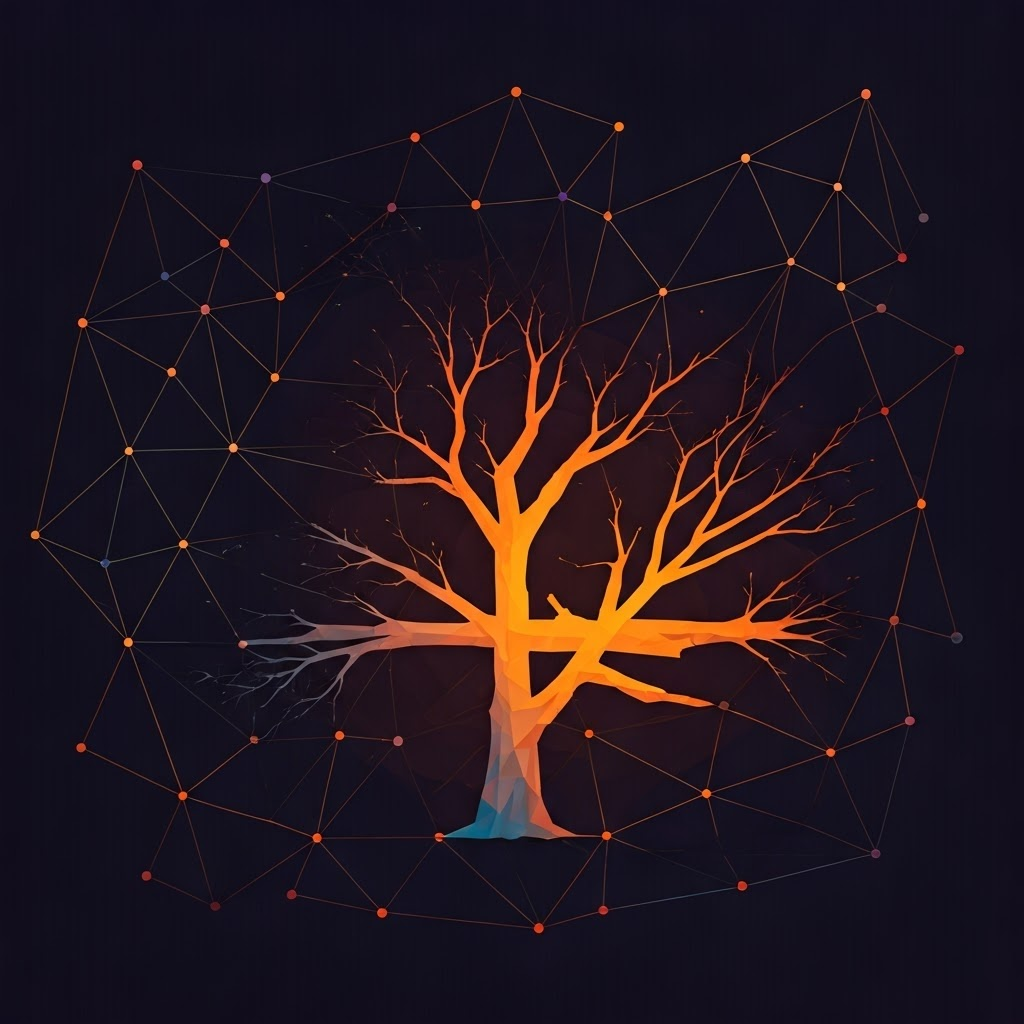
Modern grid topology resembles a web, not a single branch. If one line fails, electricity finds another route. Your freezer keeps humming even when a tree knocks out a nearby wire.
Meet the Prosumers: Power in Both Directions
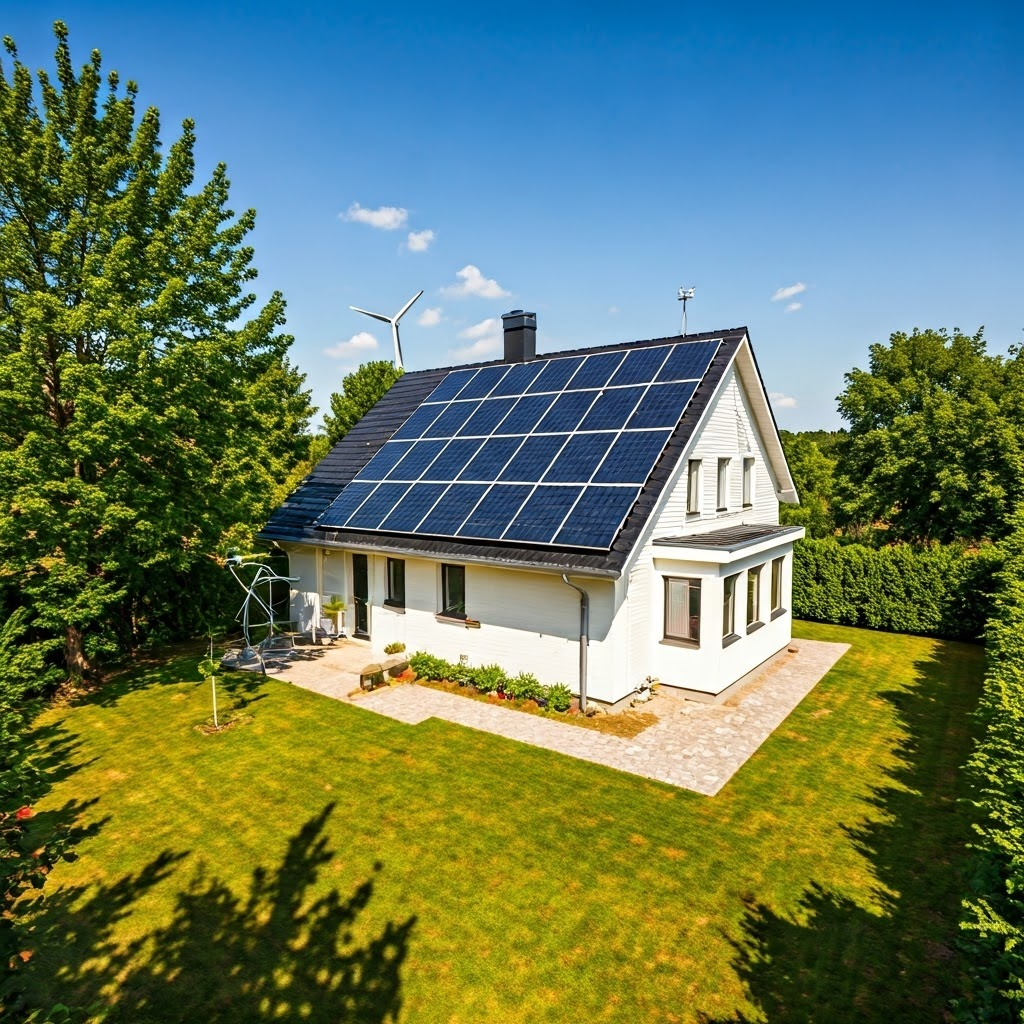
For decades you were only a consumer of electricity. Now you can be a prosumer—both producing and using power—thanks to rooftop solar, small turbines, or home batteries.
On a bright afternoon your panels may create more power than you need. Extra energy flows to the grid, helping your neighbor’s fridge and trimming your bill.

This two-way flow demands smart meters and sensors that track real-time data. Thousands of mini power plants now share space with traditional ones, making the grid flexible and, when managed well, more resilient.
Community projects let renters join the shift. The producer-consumer line blurs, building a greener system.

Why the Grid Is Changing Now
Many grid bones date back to your grandparents’ era. Renewables, electric cars, and smart devices strain that one-way design.
A smart grid uses sensors and data to direct power where and when it’s needed, cutting waste and outages.
Climate goals, cyber risks, and cleaner-air demands push the shift. The smart grid adapts so your phone charges and your neighbor’s air-conditioner stays on without overloading lines.
Look up at the wires and you see history. Every plug-in now also writes the next chapter—one where electricity is shared, shaped, and even traded by people like you.
