
Broken Peace: The Treaty That Haunted Europe
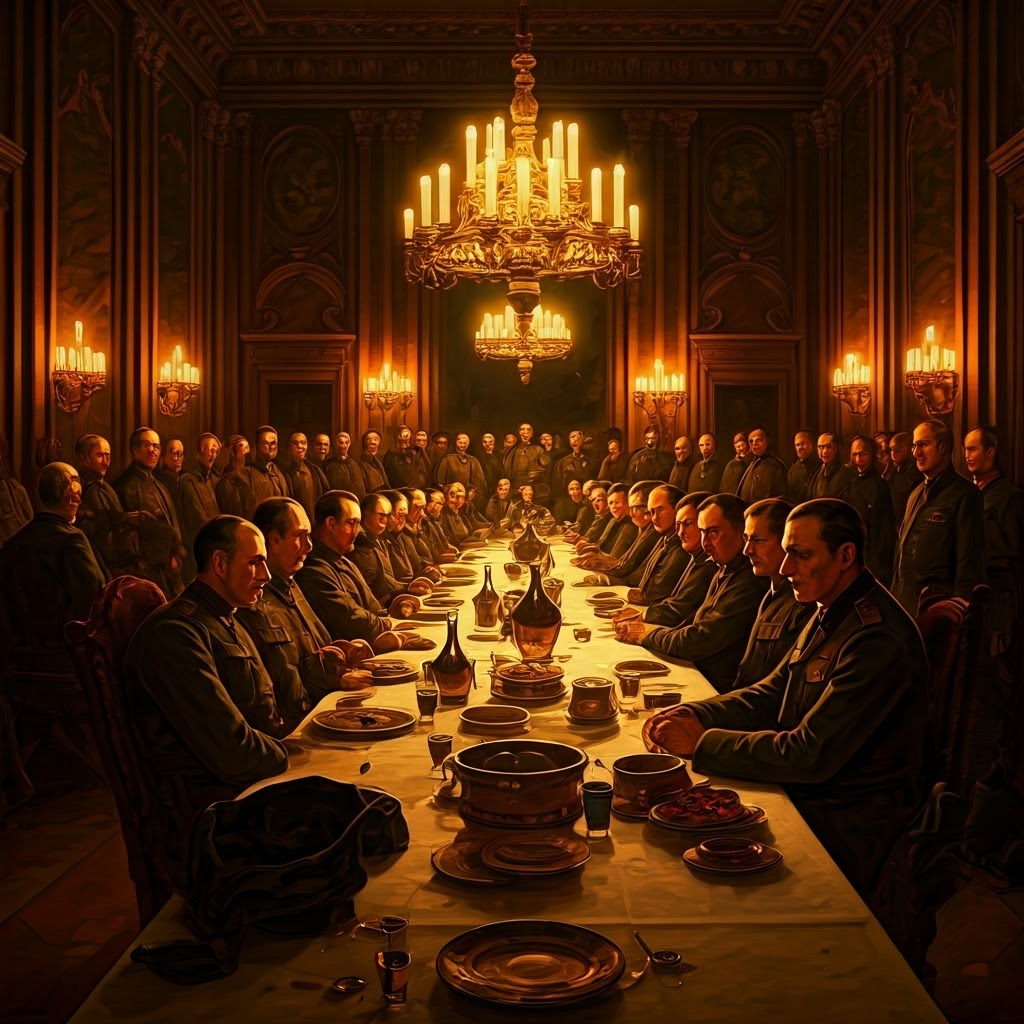
Europe stopped shooting in 1918, but it did not feel healed. The continent was battered, broke, and uncertain. The Treaty of Versailles aimed to settle the chaos, yet its conditions soon stirred fresh anger instead of calm. One agreement was about to haunt everyone.
The Treaty’s Terms: Winners, Losers, and the Blame Game
When the guns fell silent, the victors—France and Britain above all—expected safety, justice, and payback from Germany. Those hopes shaped the treaty, yet the reality proved far more tangled. Each promise carried a hidden cost that spread resentment.
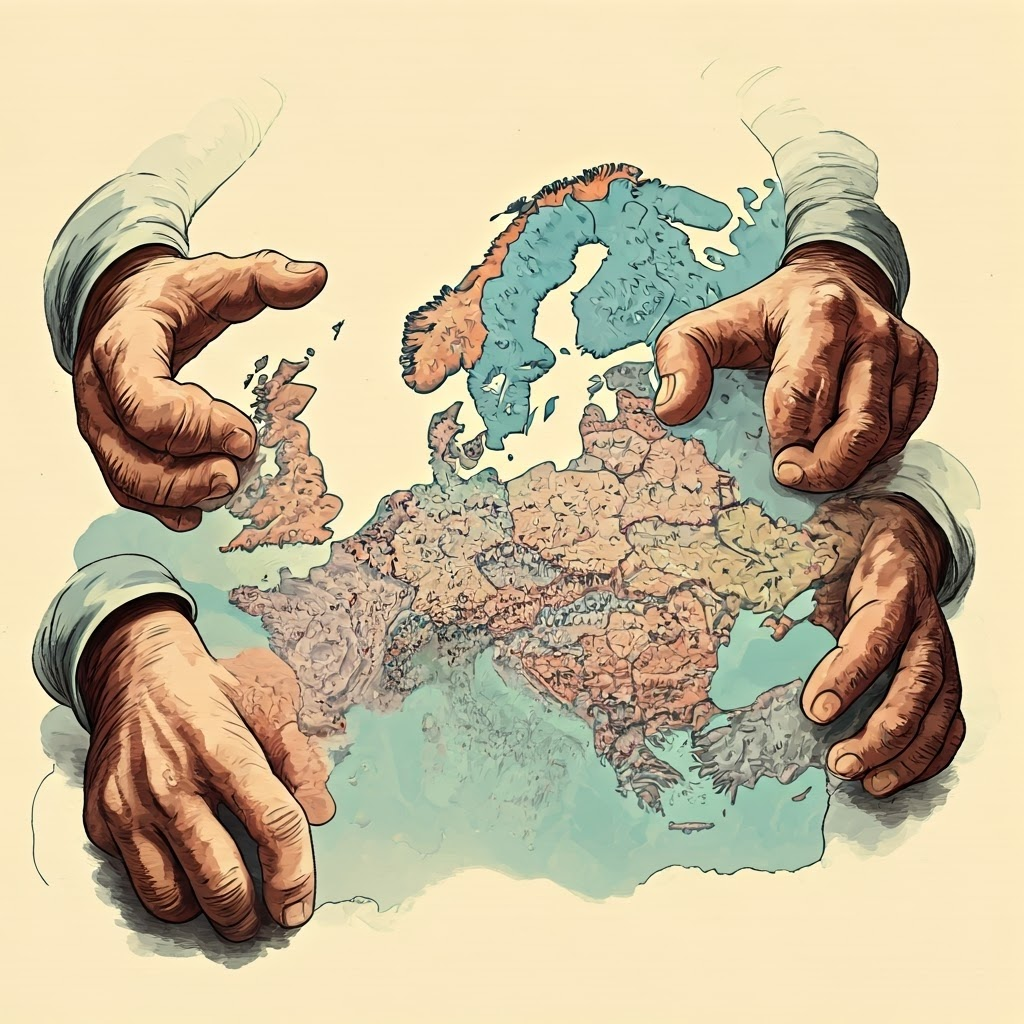
The treaty read like a list of punishments. Germany ceded large border regions to neighbors, while the coal-rich Saar fell under foreign control. Overseas colonies slipped away. Every lost province reminded Germans of their shrinking world and sparked bitterness.
Article 231—the war-guilt clause—struck the deepest nerve. It declared Germany started the war and must pay for it. Many Germans saw this as public humiliation, like being blamed for a school brawl everyone joined. Shame became a wound that refused to close.

Reparations followed the blame. The Allies demanded an eye-watering 132 billion gold marks—money no modern nation could raise quickly. For ordinary families, the figure felt unreal, yet its impact soon emptied pockets and hope alike.
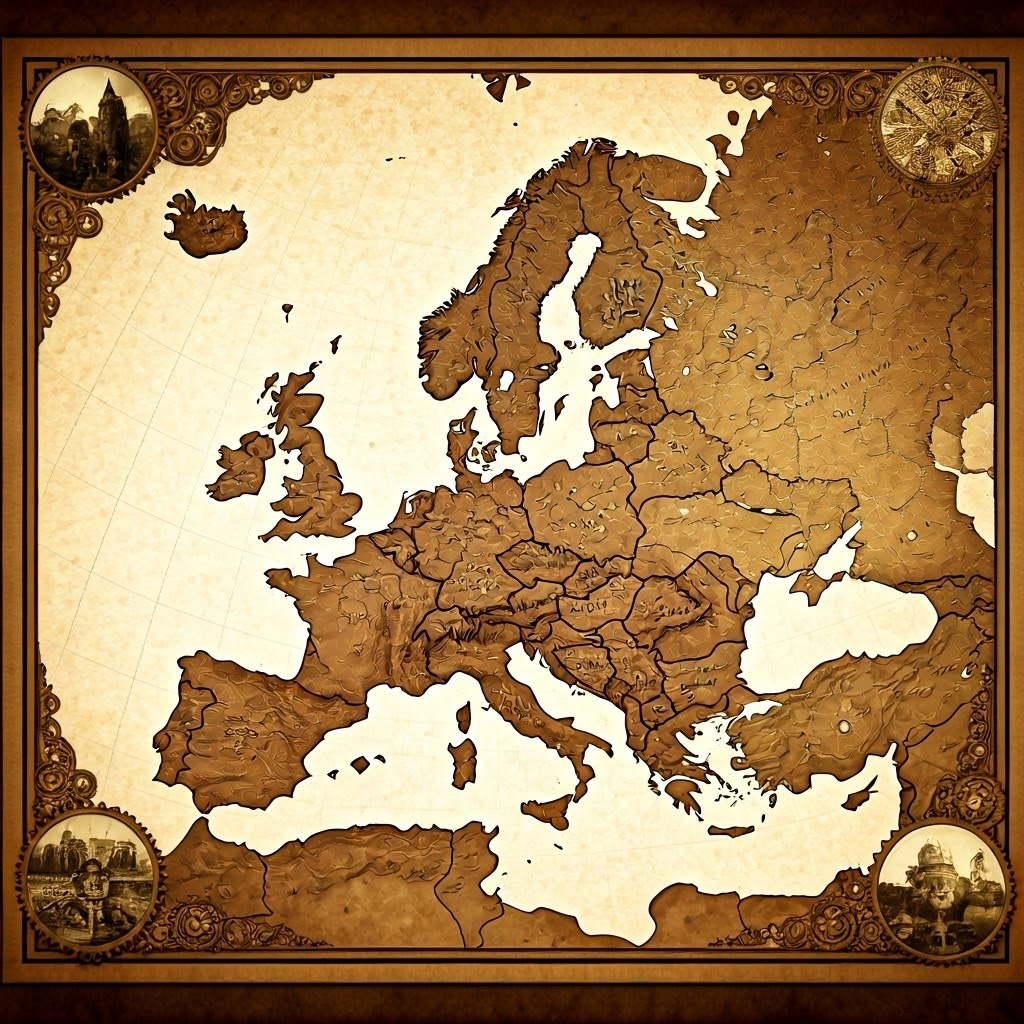
The map itself changed overnight. The Austro-Hungarian Empire vanished, replaced by small states. New countries like Czechoslovakia and Yugoslavia appeared, but hasty borders trapped minorities on the wrong side of lines. In Polish Silesia, millions of Germans woke up as foreigners.
While Paris and London muttered the treaty was too mild, many Americans called it too harsh. The U.S. Senate refused to ratify it. Inside Germany, almost nobody backed the deal; signing felt like betrayal. One minister swore his signing hand should wither.
Economic Fallout: Paying the Price
Right away, Germany’s weak economy faced the reparation bill. To meet payments, the government printed money, and by 1923 hyperinflation exploded. Prices doubled in hours. Savings that once bought a house could not buy a loaf of bread.
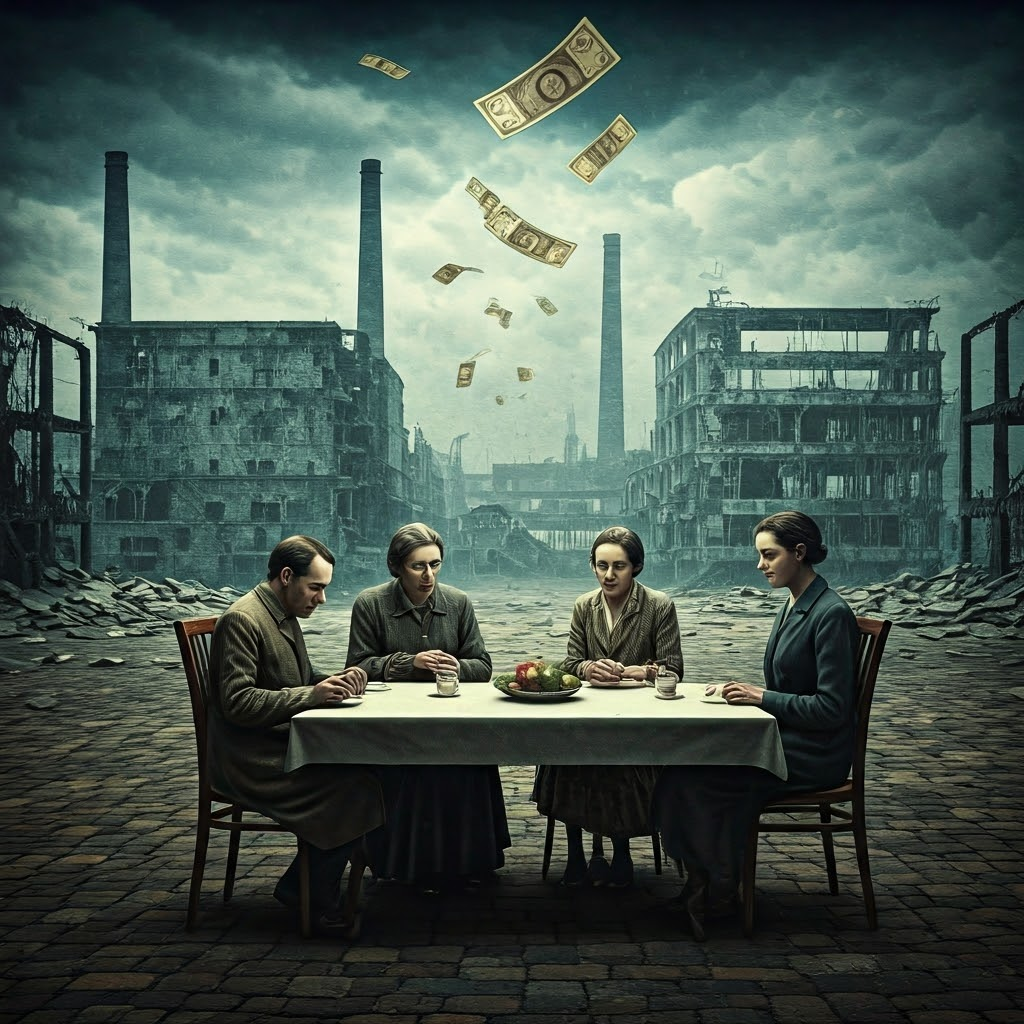
People pushed wheelbarrows of cash to markets, only to find costs had soared again. Pensioners on fixed incomes lost everything overnight. Unemployment rose, and despair seeped into everyday talk, turning café chatter into shared grief.
The pain spread beyond Germany. Britain and France had war debts and hoped reparations would cover them. Instead, slow German payments and economic collapse meant nobody received enough. Across Europe, families worked harder yet slipped backward.

Many German children learned a cruel lesson: Versailles delivered humiliation, not peace. They watched parents lose jobs and dignity. These quiet traumas outlived official deadlines, leaving a generation primed for angry answers.
Seeds of Resentment: Nationalism and the Search for Dignity
Humiliation breeds rage. Politicians across Germany attacked the treaty, but radical voices weaponized it. Adolf Hitler called Versailles a “stab in the back,” blaming traitors inside Germany. Even apolitical citizens felt cheated each new morning.
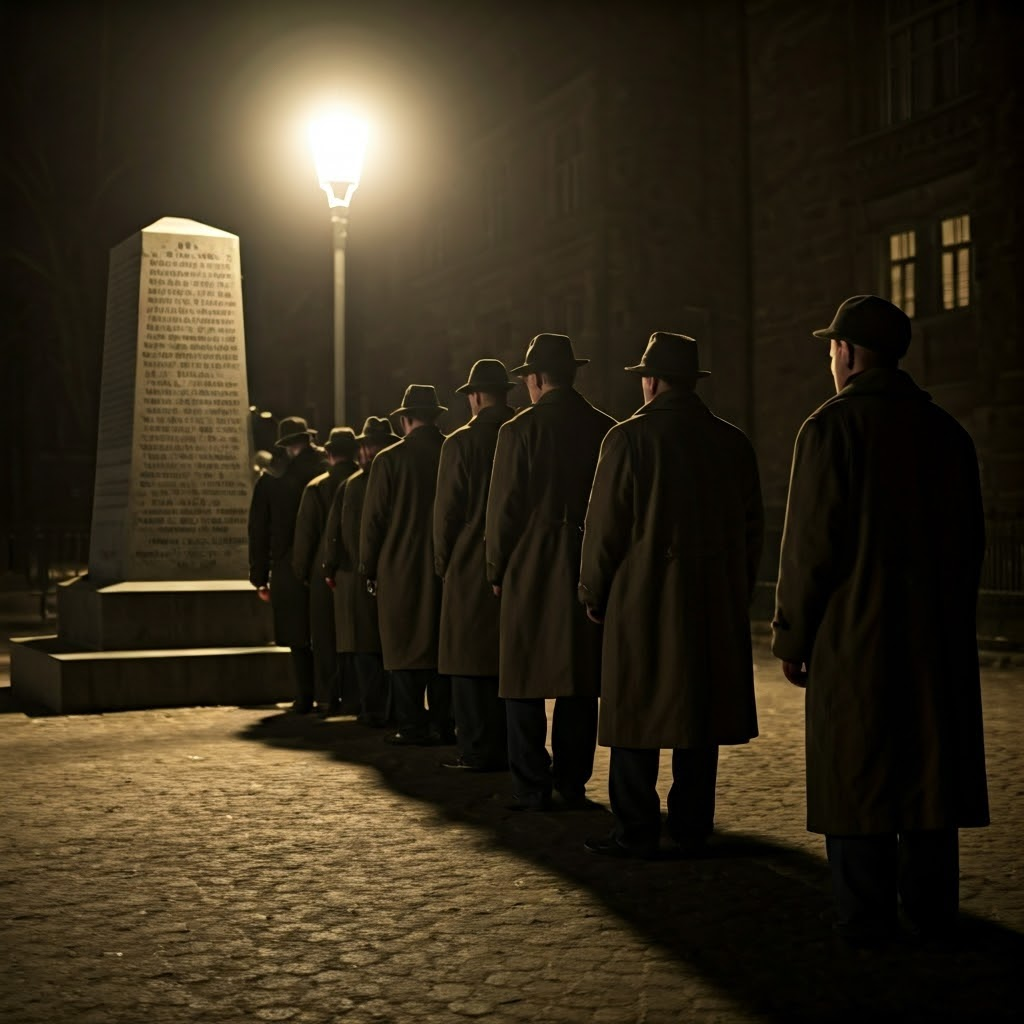
Beyond money or land, the treaty stole dignity. War memorials stood beside endless job lines. Veterans felt forgotten; minorities felt displaced. Layer by layer, everyday humiliations pushed people toward radical voices.
Democracy looked fragile. Enemies labeled the signing leaders “November criminals.” Through the late 1920s and into the Depression, extremist parties on left and right swelled. Each crisis made radical answers sound simple.
Later thinkers drew one clear lesson: punish a whole nation, and peace seldom lasts. What felt like justice to victors became collective guilt to losers. Versailles, meant to end war forever, instead sowed the seeds of the next catastrophe.
