
How Did We Get Here? The Origins and Big Promises
The First Spark: From Tubes to Trains

If you’ve ever watched an old bank tube swallow a canister, you’ve met the ancestor of the hyperloop. Victorian London built a short air-powered tube train for parcels. The idea faded, yet the seed of gliding through a sealed pipe remained.
Science-fiction writers like Jules Verne expanded that seed. His tales pictured air-powered tunnels under bustling cities. Steam locomotives still ruled, and streets crawled with horses. Verne’s vision offered one clear desire—arrive faster with less effort.
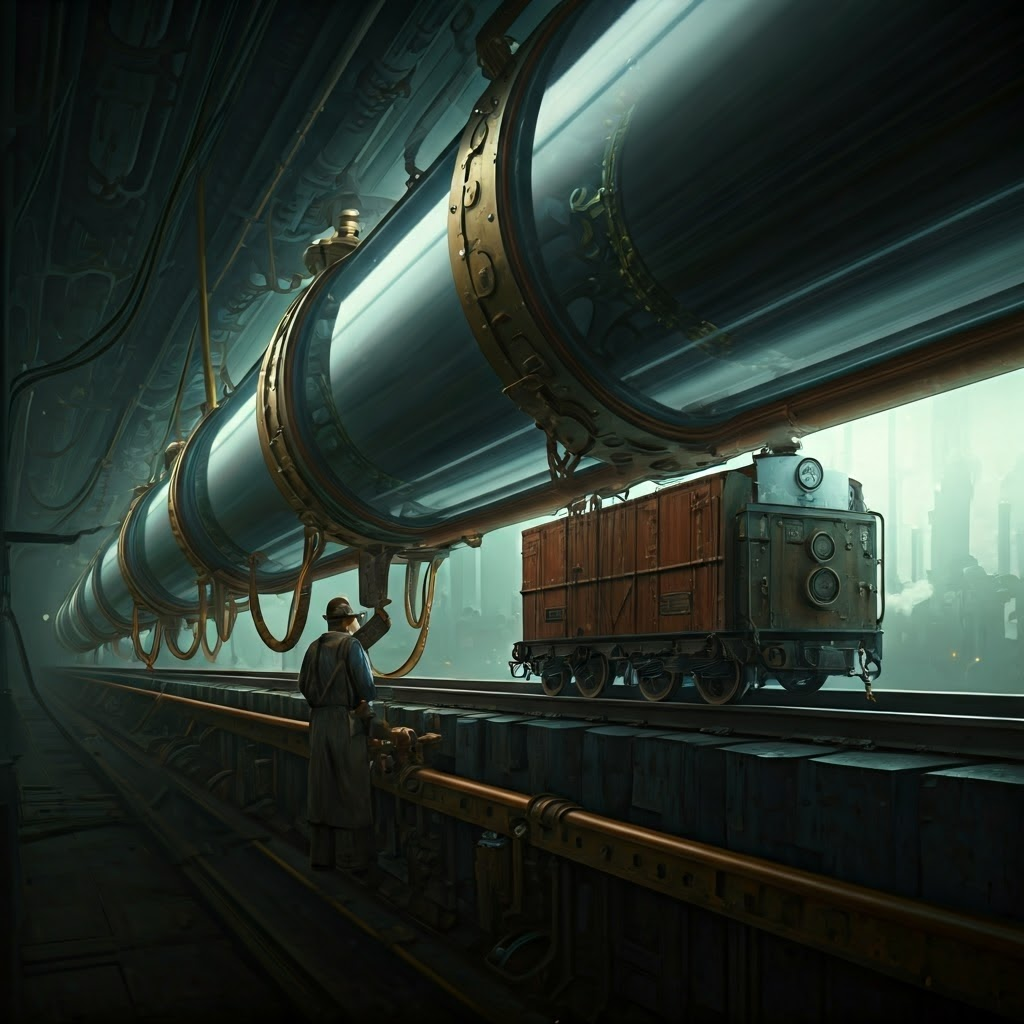
Early designs were crude. Air pressure pushed small carts only a few hundred meters before leaks and friction won. By the 20th century, inventors dreamed of near-vacuum trains. Remove the air and resistance drops—much like stepping from water onto dry land.
Musk, ET3, and the Modern Hyperloop Dream
The concept lay quiet until the 2000s. A Colorado firm, ET3, pitched tiny personal pods in narrow tubes at 4,000 mph. They filed patents and built demos, but few decision-makers listened.
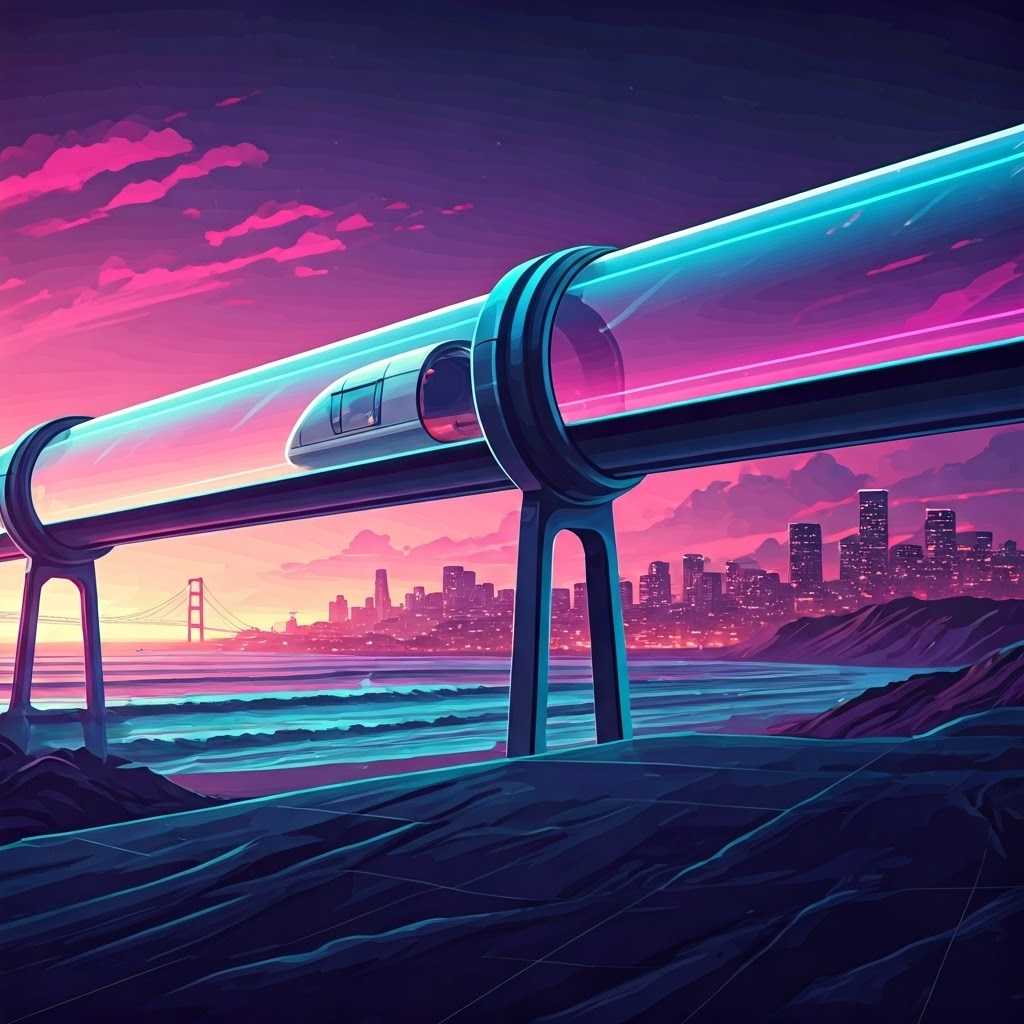
In 2013, Elon Musk released “Hyperloop Alpha.” The paper offered bold vision over detail: passenger pods skimming on air through almost-vacuum tubes at 700 mph. A Los Angeles-to-San Francisco route promised lower cost and higher speed than a bullet train.
Publicity and timing set hyperloop apart. Social media, glossy renders, and Silicon Valley optimism turned it into a modern moonshot. Instead of cash canisters, people would travel at airplane-beating speeds.
Magnetic levitation, near-vacuum conditions, and linear motors sounded achievable in an era of Tesla and SpaceX. The world watched to see whether this time the grand tube dream would stick.
Why the Hype? The Big Promises
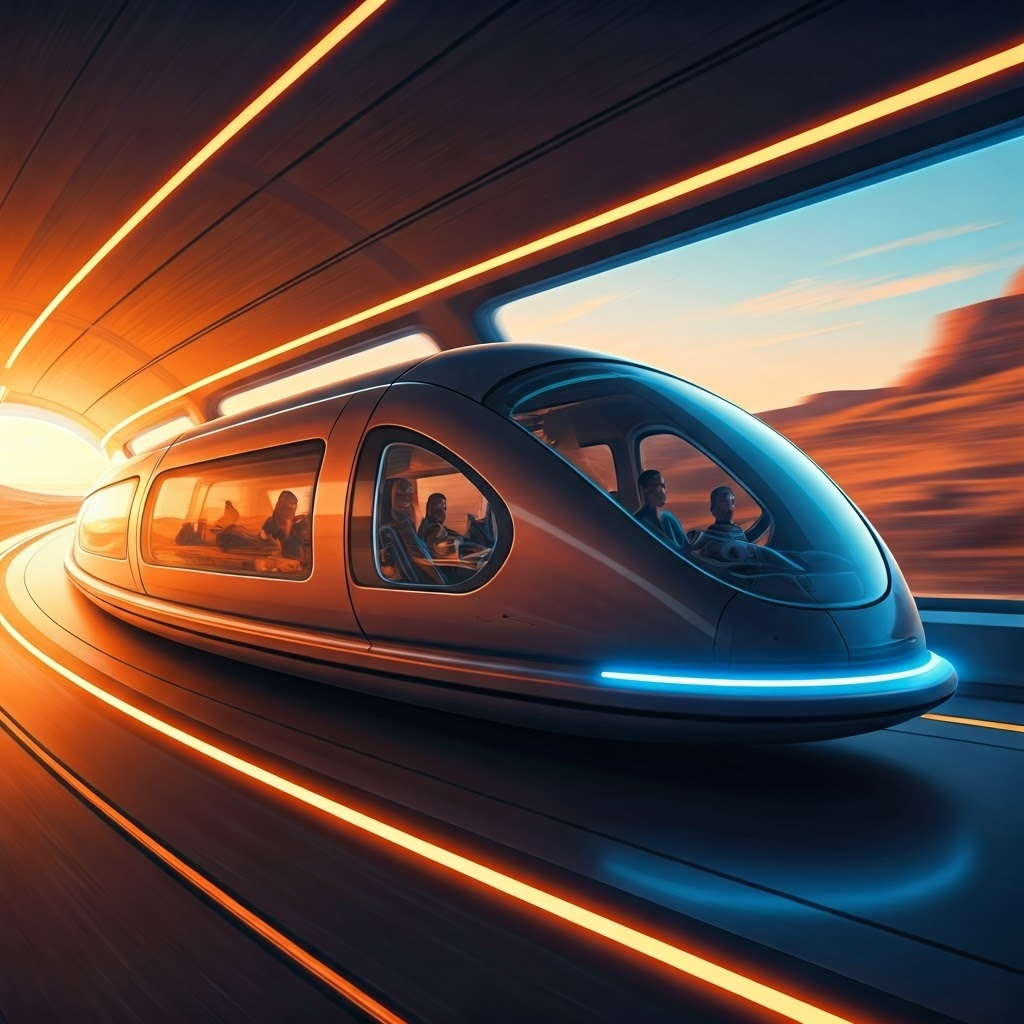
The magnet for public attention is simple—speed. Picture Los Angeles to San Francisco in thirty minutes. That’s the length of one TV episode.
Drag drops when air disappears, so energy needs plummet. Pedaling a bike into wind hurts; pedaling in still air feels easy. A hyperloop removes almost all “wind.”
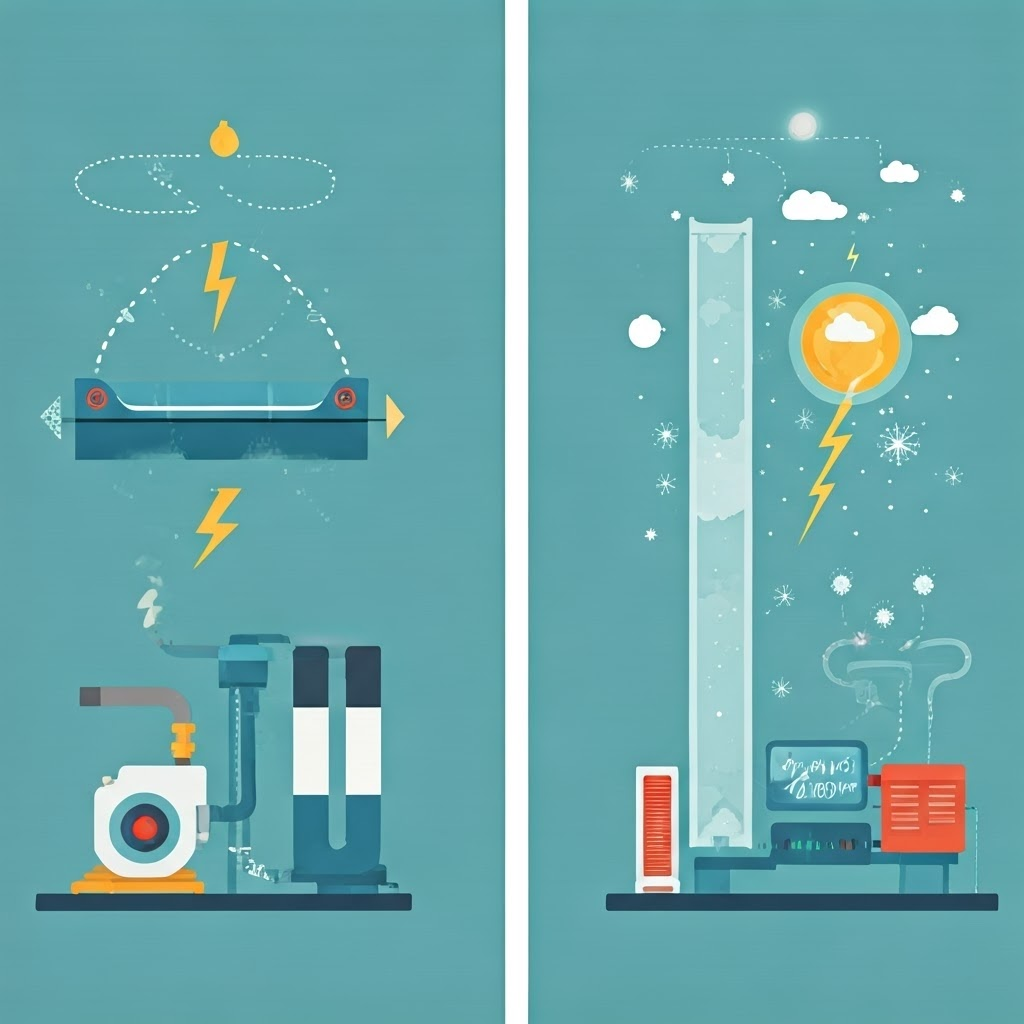
Advocates say hyperloop beats airplanes and high-speed trains in energy use. Fewer losses mean cheaper tickets and smaller power bills—at least on paper.
Safety and comfort join the sales pitch. Sealed tubes avoid storms, crossings, and derailments. Pods glide on magnets, free from rail chatter and turbulence.

Skeptics highlight real hurdles: keeping a long tube straight, handling emergencies, and funding massive construction. Yet the bigger draw is emotional. Hyperloop revives the thrill that travel can still improve—that humanity can move faster, cleaner, and with renewed wonder.
