
Ideas That Lit the Fuse
Reason: The New Compass
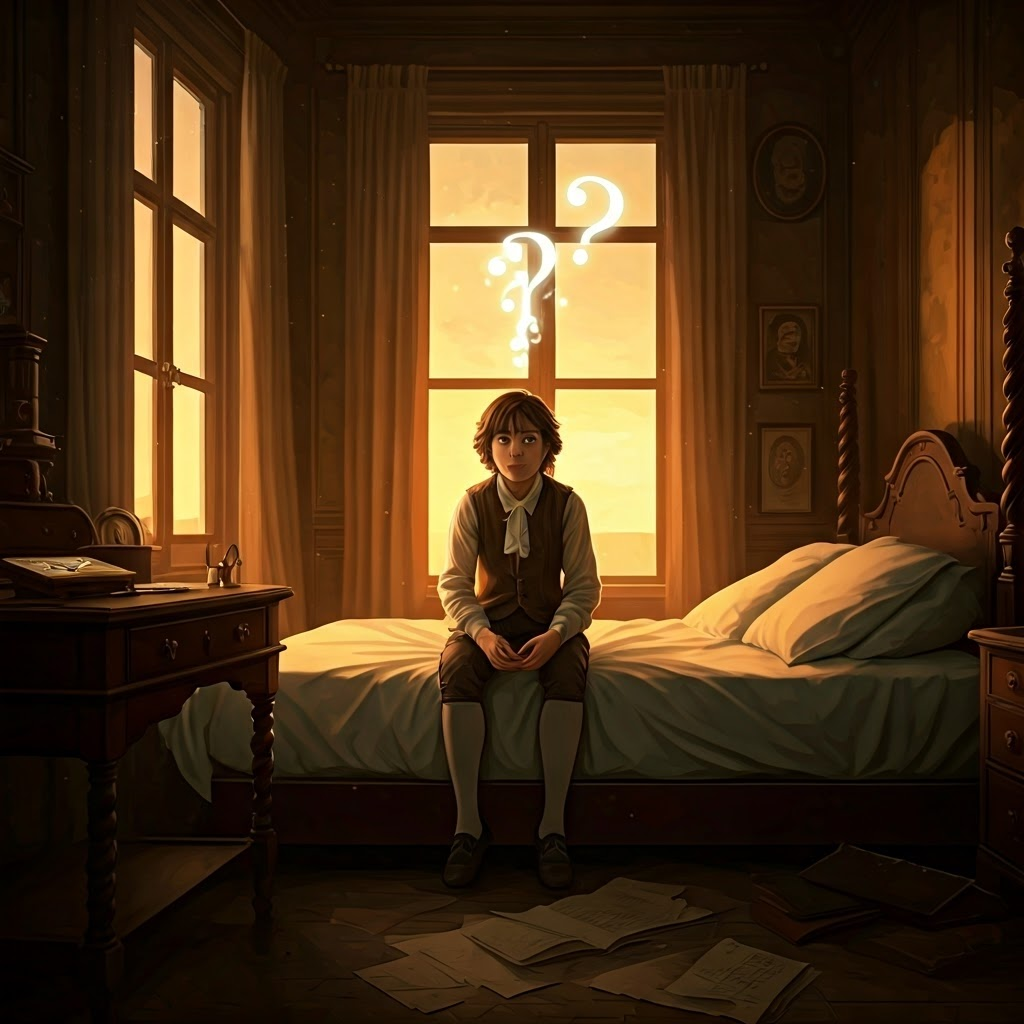
Imagine you wake up and must decide what is true. Instead of trusting what elders say, you ask why. This shift gave thinkers of the Enlightenment a fresh tool: logic backed by evidence.
For centuries most people accepted what rulers claimed—kings ruled by God’s will, poverty was destiny, and questioning was risky. The Enlightenment flipped that script. Curious minds began to challenge tradition and demand proof.

Picture someone insisting Earth is flat because a teacher said so. Enlightenment thinkers politely asked for evidence. When facts failed, they offered new answers. Reason became a compass for life—guiding questions about fairness, leadership, and community.
The word enlightenment suggests light. Where superstition once cast darkness, doubt now sparked sunshine. René Descartes’s “I think, therefore I am” made it cool to test ideas and start again.

Natural Rights and Social Contracts
Imagine agreeing on game rules with friends—no one is the boss by birth. Everyone votes, and shared rules keep peace. That is a social contract.
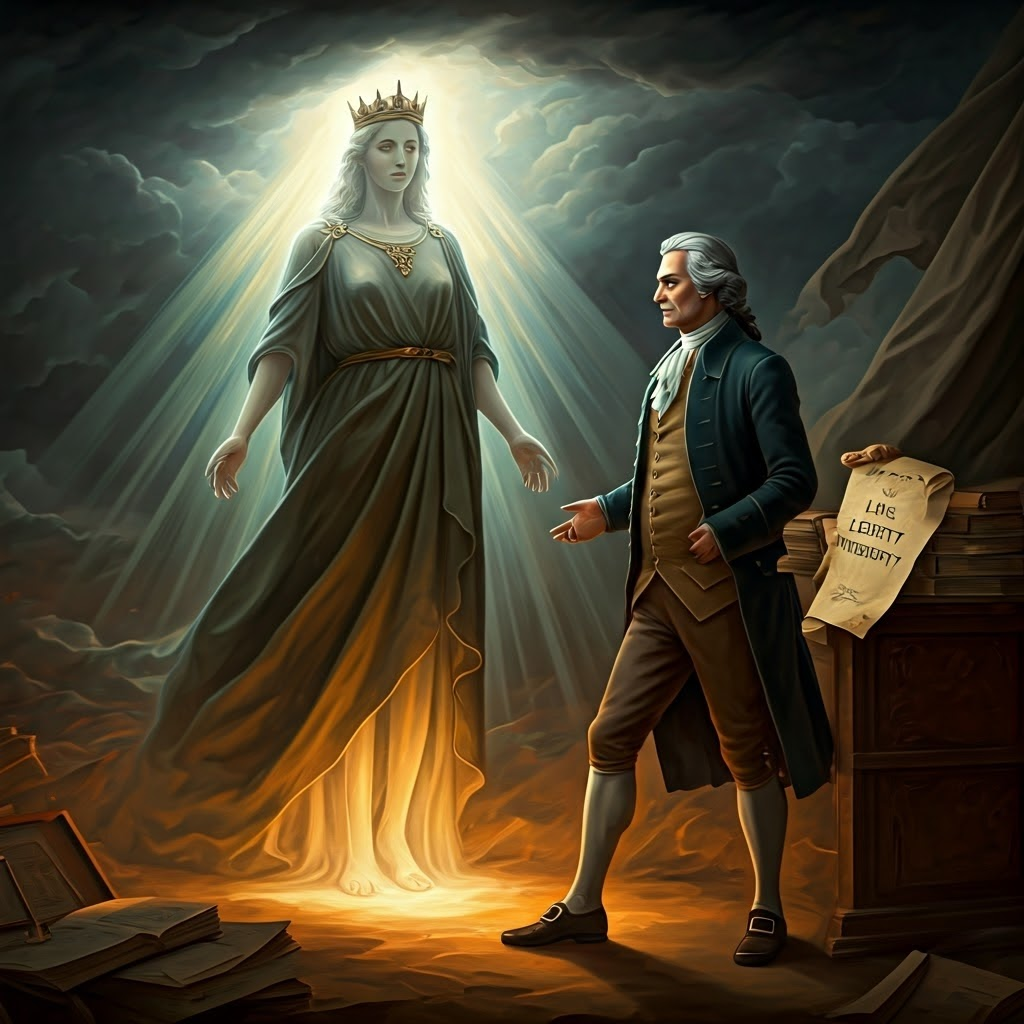
Before the Enlightenment, kings claimed divine right. Thinker John Locke argued that people are born with natural rights: life, liberty, and property. Government exists to guard these rights, not steal them. If leaders fail, citizens may replace them.

Locke’s idea reshaped politics. Once you accept that every person matters and fairness is built together, returning to old hierarchies feels impossible.
Voices of Change: Voltaire, Wollstonecraft, Kant
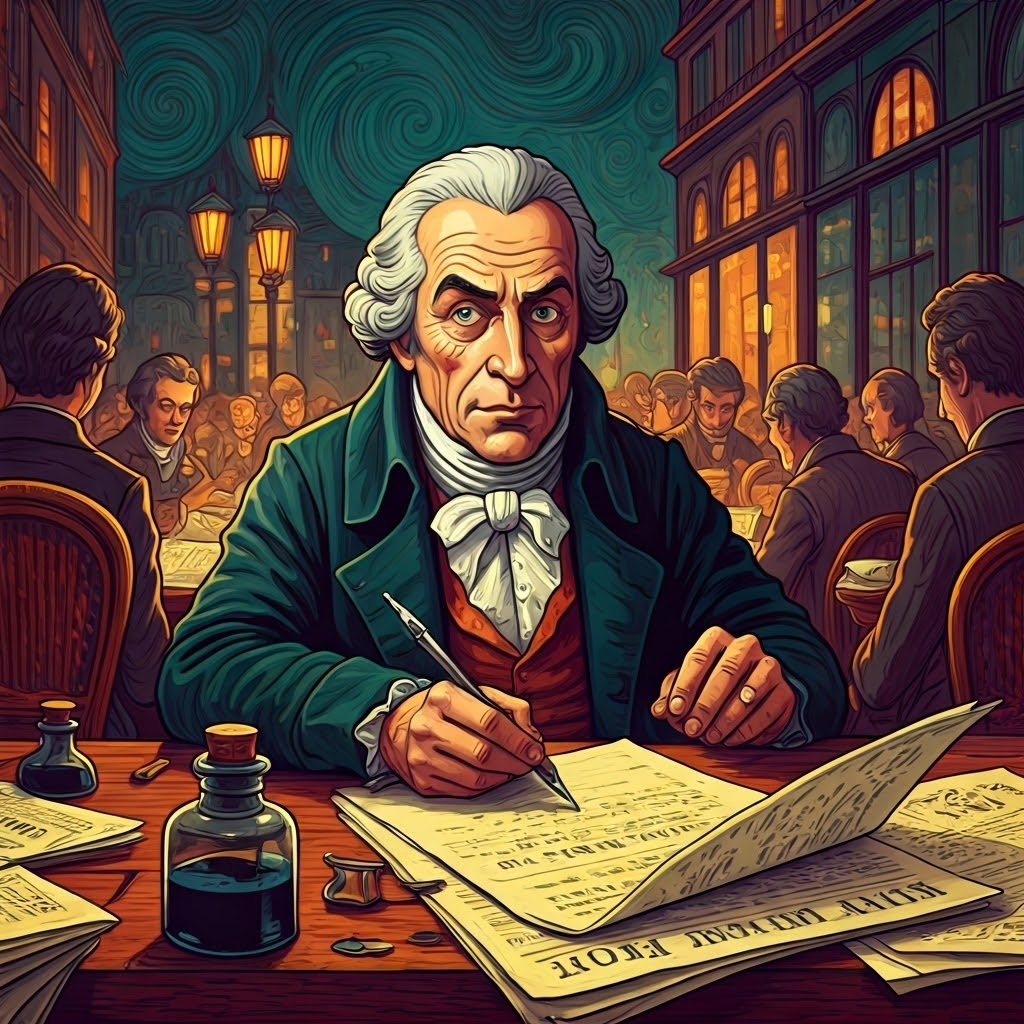
Voltaire wielded humor like a sword. In crowded cafés he mocked powerful censors and defended speech and religious tolerance—even when exile or jail followed.
Mary Wollstonecraft picked up her pen in London and asked why liberty skipped half of humanity. Her call for female education and independence argued that fairness strengthens everyone.
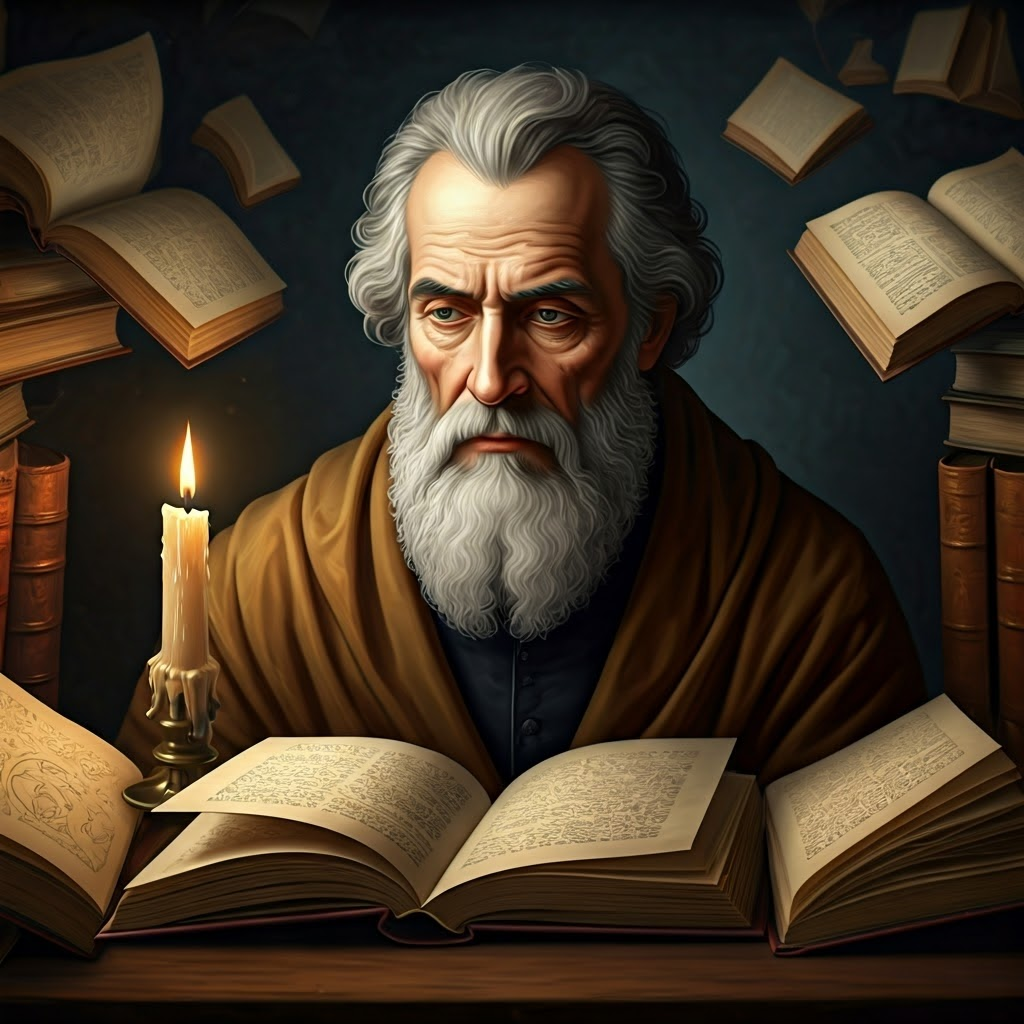
Immanuel Kant urged people to “dare to know.” True enlightenment, he said, means thinking for yourself. Independence is not just political—it is an internal discipline.

From Science to Society: Newton’s Method
Before modern science, stories or religion explained nature. Isaac Newton asked if laws governed everything. His rules of motion and gravity showed that observation and testing reveal order.
Enlightenment thinkers borrowed Newton’s method. If you can question why apples fall, you can question why kings rule. Test, observe, repeat—soon applied to politics, education, and justice.
Society became a giant experiment. Old truths faced trials, and better ideas replaced them. Books, debates, and revolutions followed.

Why It Still Matters
Each time you question a rule or demand proof, you echo the Enlightenment. Your rights, schooling, and free speech flow from those who challenged authority. In an era of rapid change, this questioning spirit remains essential—so keep asking, “Why not?” and “How do you know?”
