
When Giants Collide: The Invasion Begins
Operation Barbarossa: The Gamble
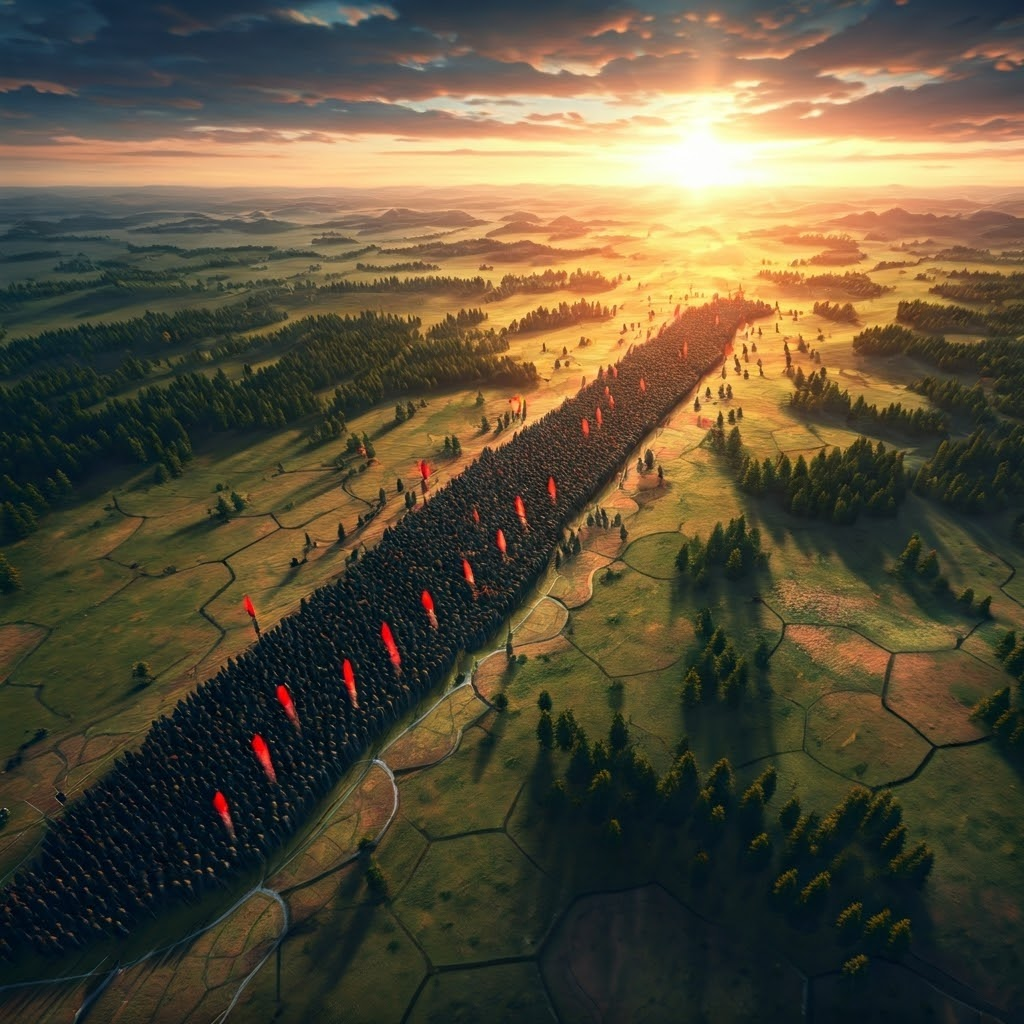
Imagine a front that stretches from the Baltic to the Black Sea. On 22 June 1941 three million German soldiers surge across it, aiming to destroy the Red Army before winter closes in. This simple, brutal timetable marks the start of Operation Barbarossa.
Hitler wants new Lebensraum for Germans and a quick win before the USSR grows stronger. He also hopes to crush communism in one blow. Nazi leaders believe Stalin’s purges have gutted Soviet strength, so they expect the blitzkrieg to finish the job in months.
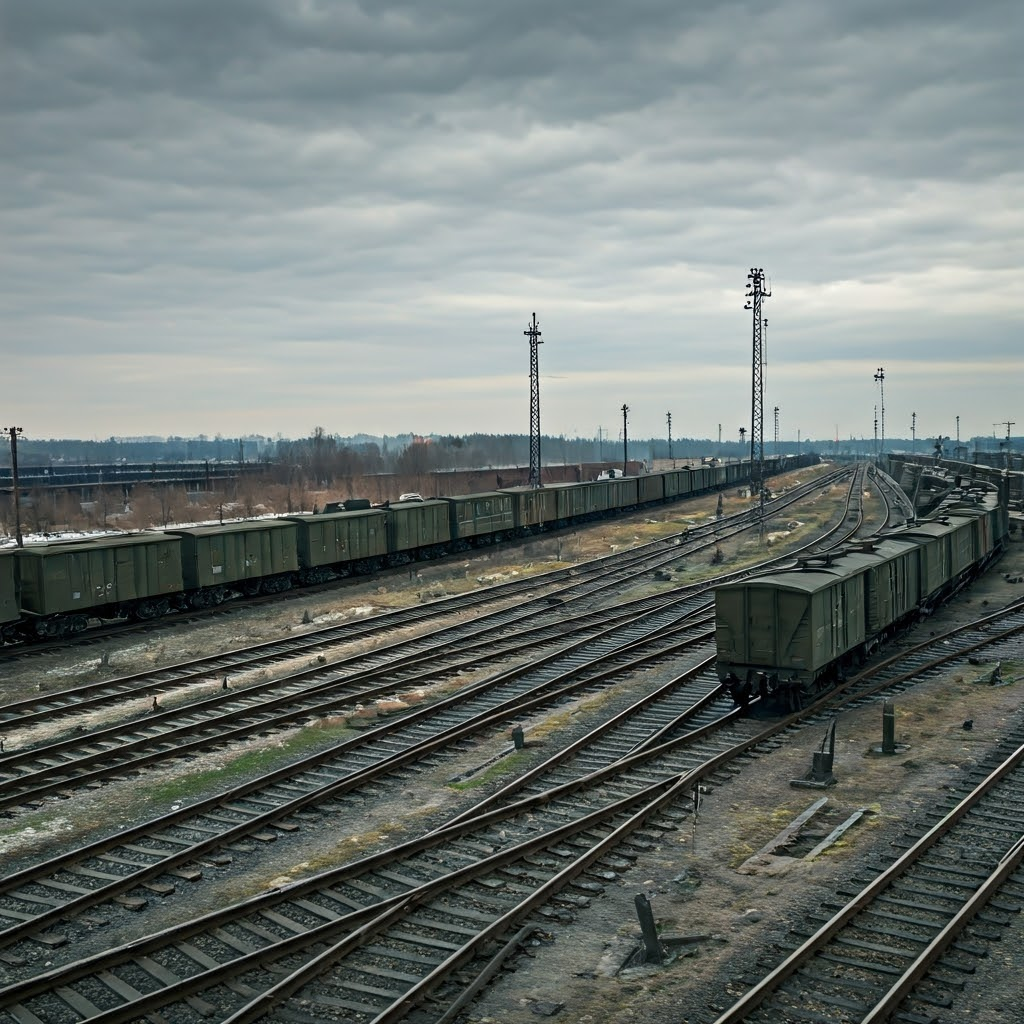
Soviet intelligence warns of danger, yet Stalin doubts Hitler will open a second major front. Orders stay vague, units stay exposed, and commanders fear acting without permission. When the attack comes, Soviet airfields, railways, and phones collapse within hours—chaos spreads fast.
German columns split three ways: north to Leningrad, center toward Moscow, south into Ukraine. Panzers sometimes cover thirty miles a day, encircling Soviet armies in vast pockets. At first, the blitzkrieg feels unstoppable, but a campaign this huge soon reveals cracks.
Early Blitz: Speed and Stalemate
Within weeks whole Soviet formations vanish—over one million soldiers captured or killed around Bialystok, Smolensk, Uman, then Kyiv. Villages burn to slow the advance, and refugees choke every road, turning victory scenes into grim tapestries of suffering.
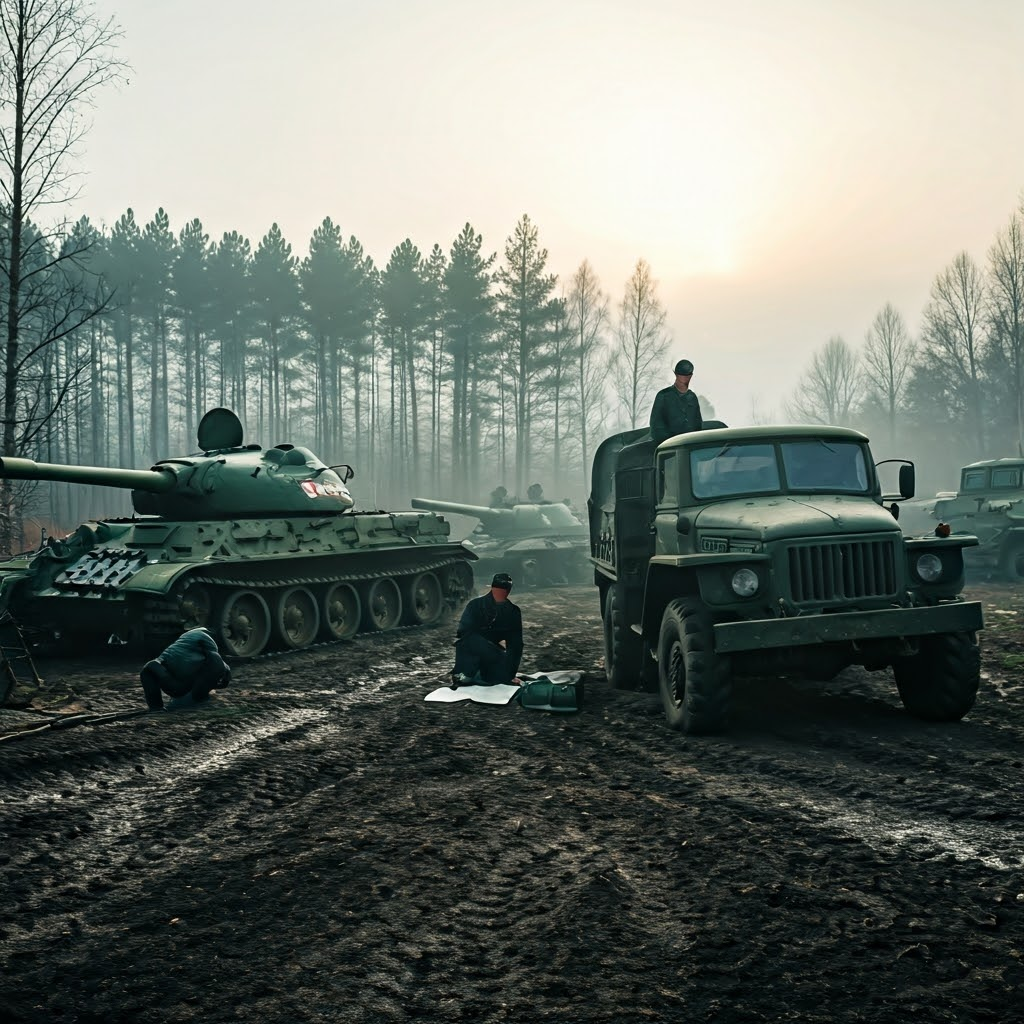
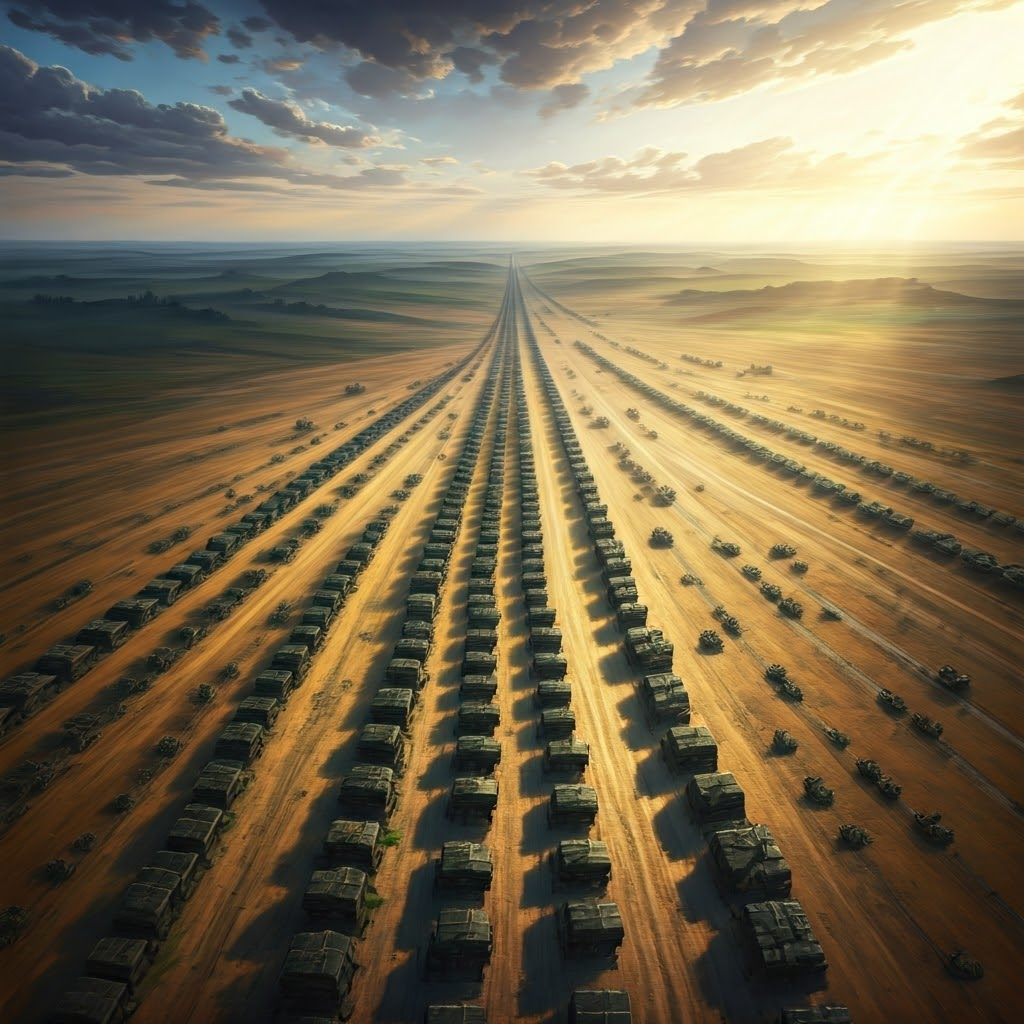
German success stretches supply lines thin. Muddy or dusty roads break trucks, and fuel lags behind tanks. Soviet units fight on from forests and riverbanks, turning quick battles into stubborn holds that cost the invaders precious time and resources.
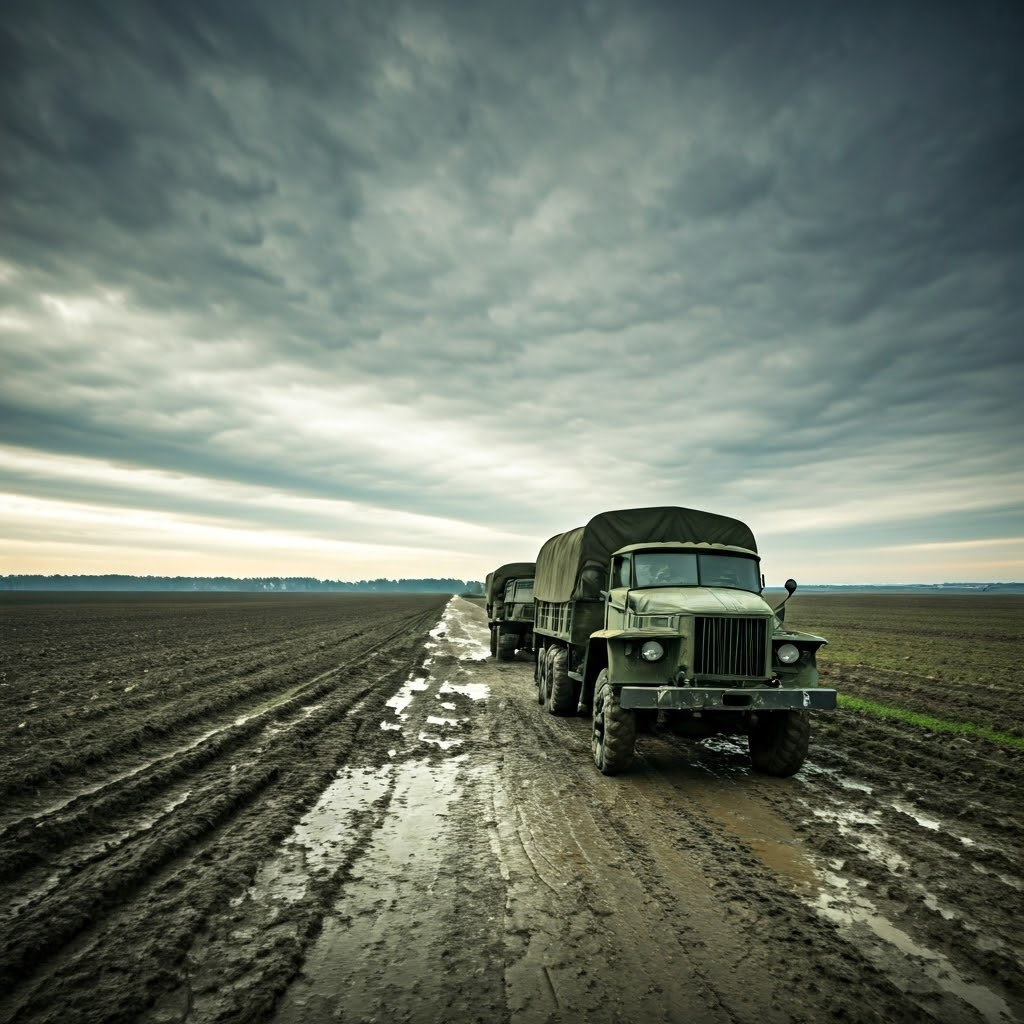
The Red Army adapts fast. Commanders trade space for time, shift whole factories east, and rebuild shattered divisions. Stalin’s harsh order—“Not a step back”—forces many to fight to the last round, slowing German momentum just as autumn mud arrives.
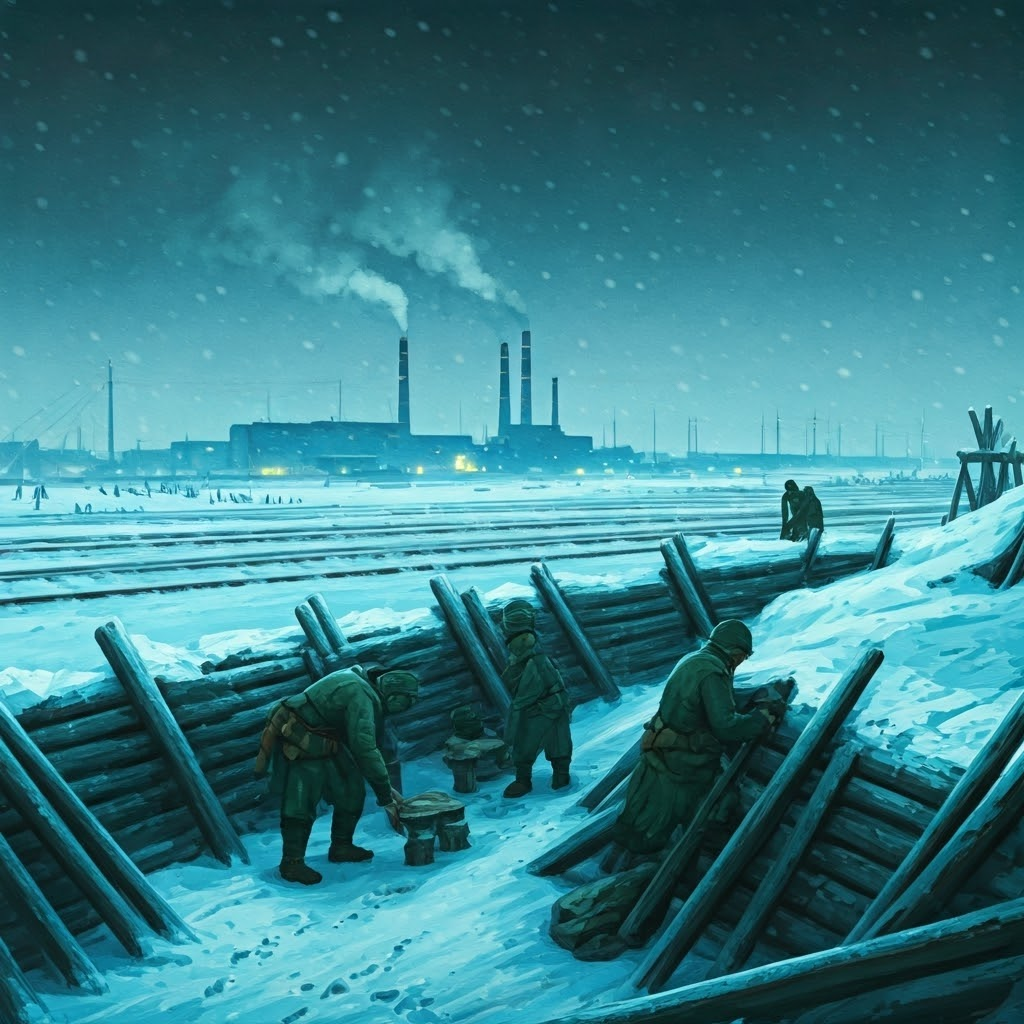
As rasputitsa mud traps vehicles and cold bites, the blitz becomes a crawl. German gear falters in Russian conditions, while Soviet defenses grow deeper and better coordinated. Momentum shifts from speed to survival.
Sevastopol and Odessa: Cities Under Siege
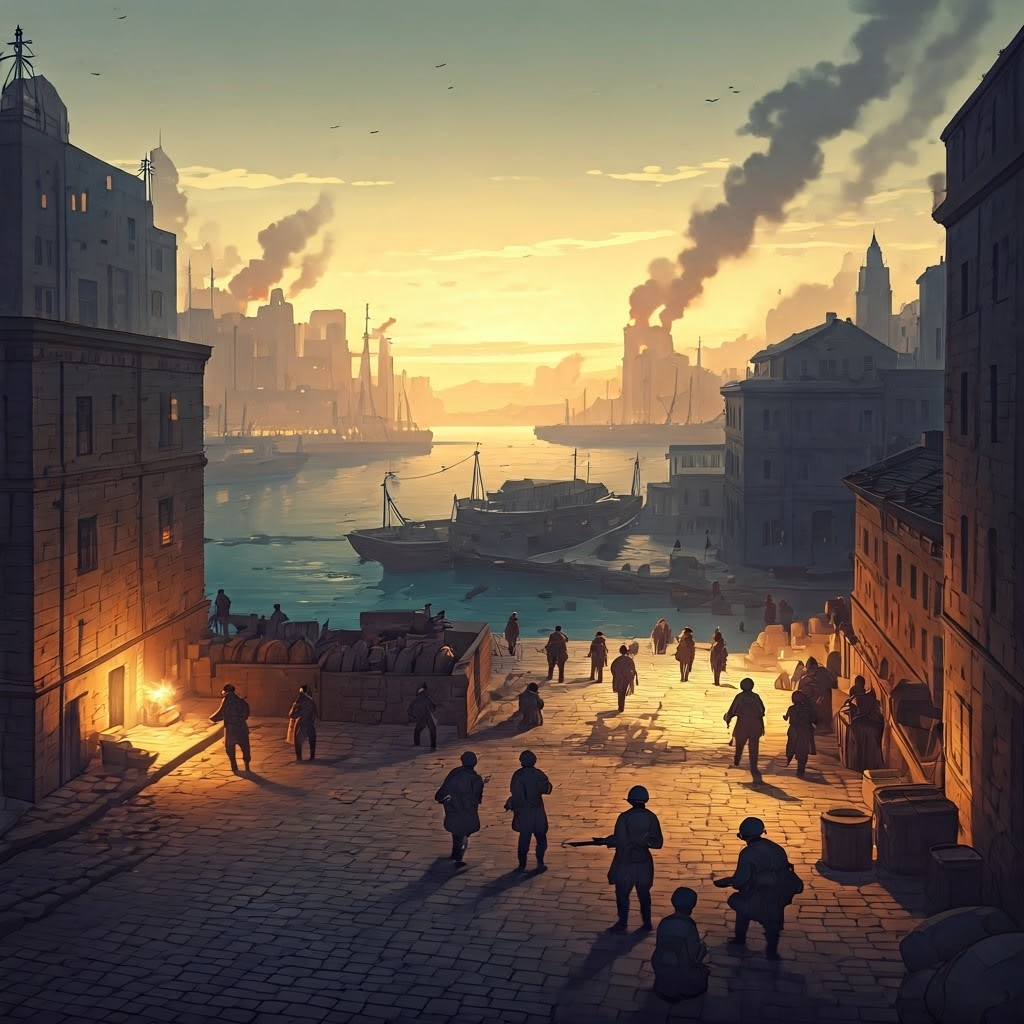
Odessa, isolated in August 1941, turns every street into a fortress. Soldiers and civilians build barricades, dig trenches, and ration supplies. Weeks of shelling and hunger follow until many defenders escape by sea—those left behind endure harsh occupation.
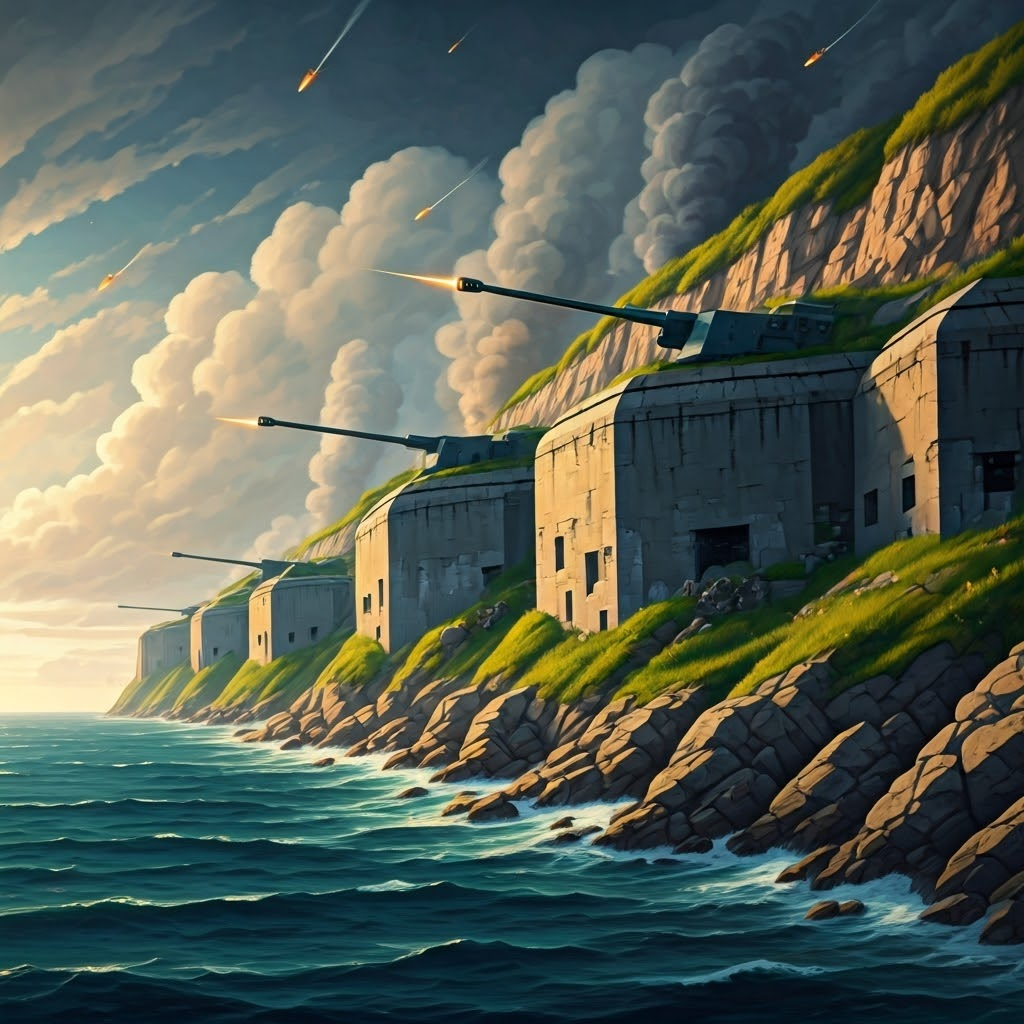
Sevastopol’s eight-month trial is harsher. Natural cliffs, bunkers, and massive guns turn it into a stronghold that ties down German forces. Bombers flatten neighborhoods while Soviet gunners reply from tunnels; nurses drag the wounded through underground corridors.
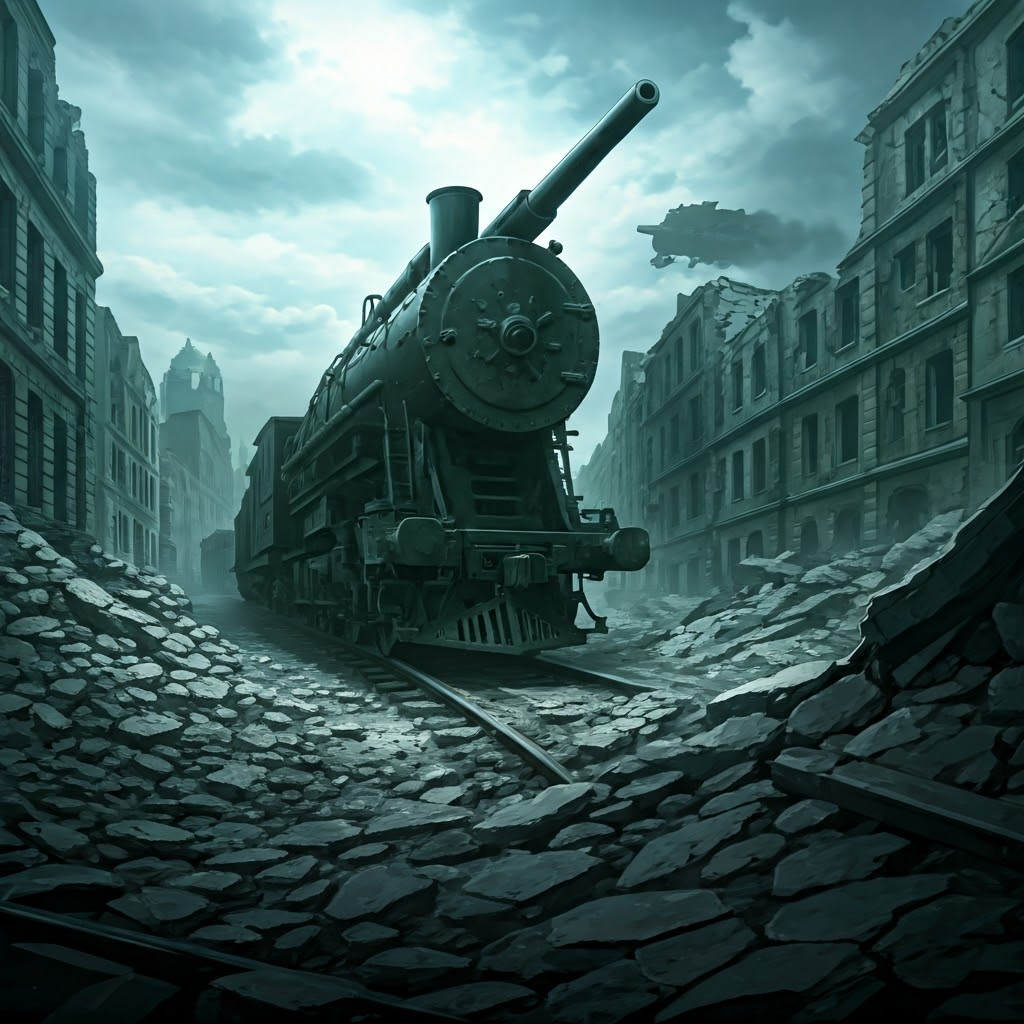
Even the giant “Dora” railway gun cannot break Soviet resolve quickly. When Sevastopol falls in July 1942, Germans have lost months and thousands of troops. The siege shows that stubborn defense can upset even the best-laid offensives.
Setting the Stage for a War Without Limits
Early battles reveal a pattern of total war. Logistics prove as decisive as tactics, and weather becomes an ally or enemy to both sides. Each German mile forward drains strength; each Soviet mile lost teaches new ways to fight.
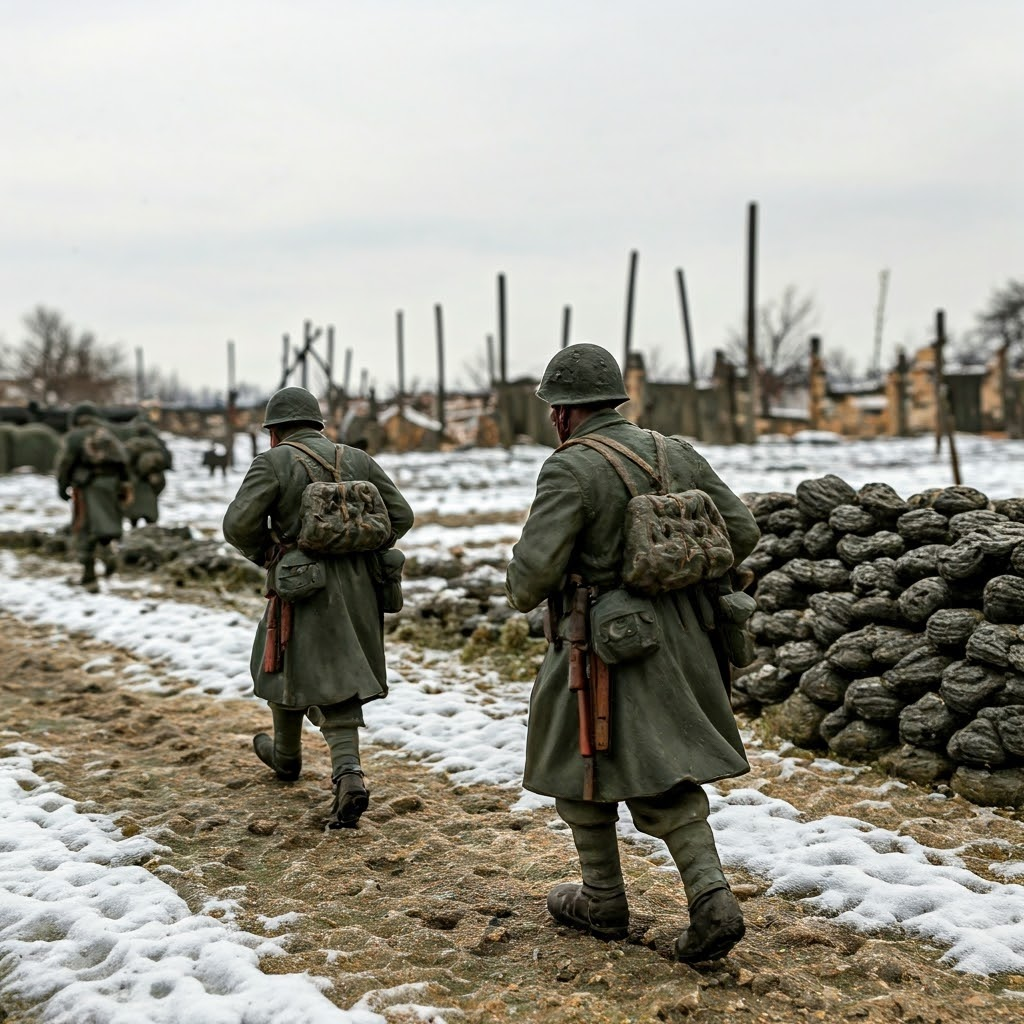
By winter 1941 both giants know the conflict will be long. Endurance, adaptation, and the will of ordinary people—not just generals—will decide who stands when the snow melts again.
