
From Circuits to Connections: How We Got Here
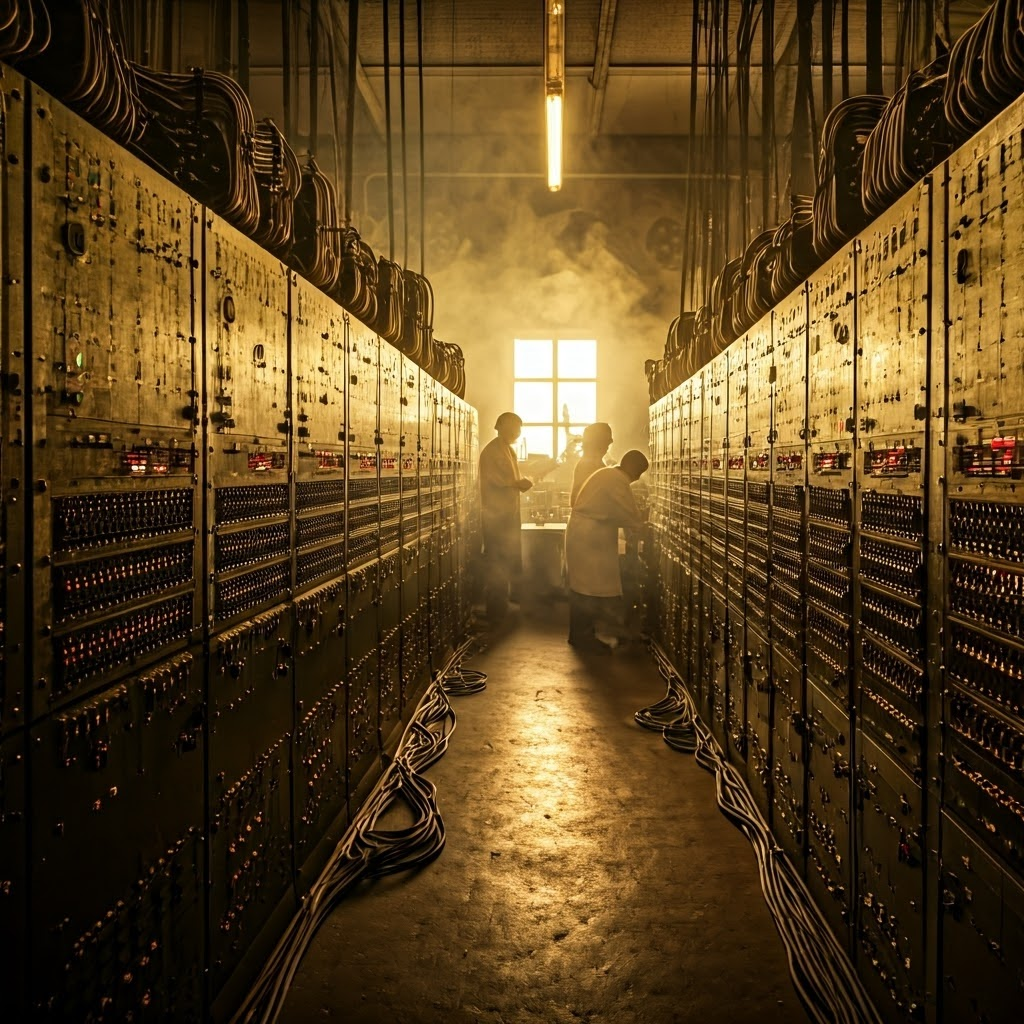
The First Sparks: ENIAC and the Dawn of Digital
The first digital computers looked more like giant science projects than future tools. In 1945, ENIAC filled a room, weighed 30 tons, and used 18,000 vacuum tubes. Instead of solving artillery math by hand, operators flipped switches and fed punch cards—sparking the idea of a machine that follows clear instructions.
ENIAC wasn’t pretty or user-friendly, yet it solved complex equations in minutes. For the U.S. Army, it plotted artillery trajectories faster than teams of mathematicians. That single leap showed how raw electronic speed could outpace human calculation.
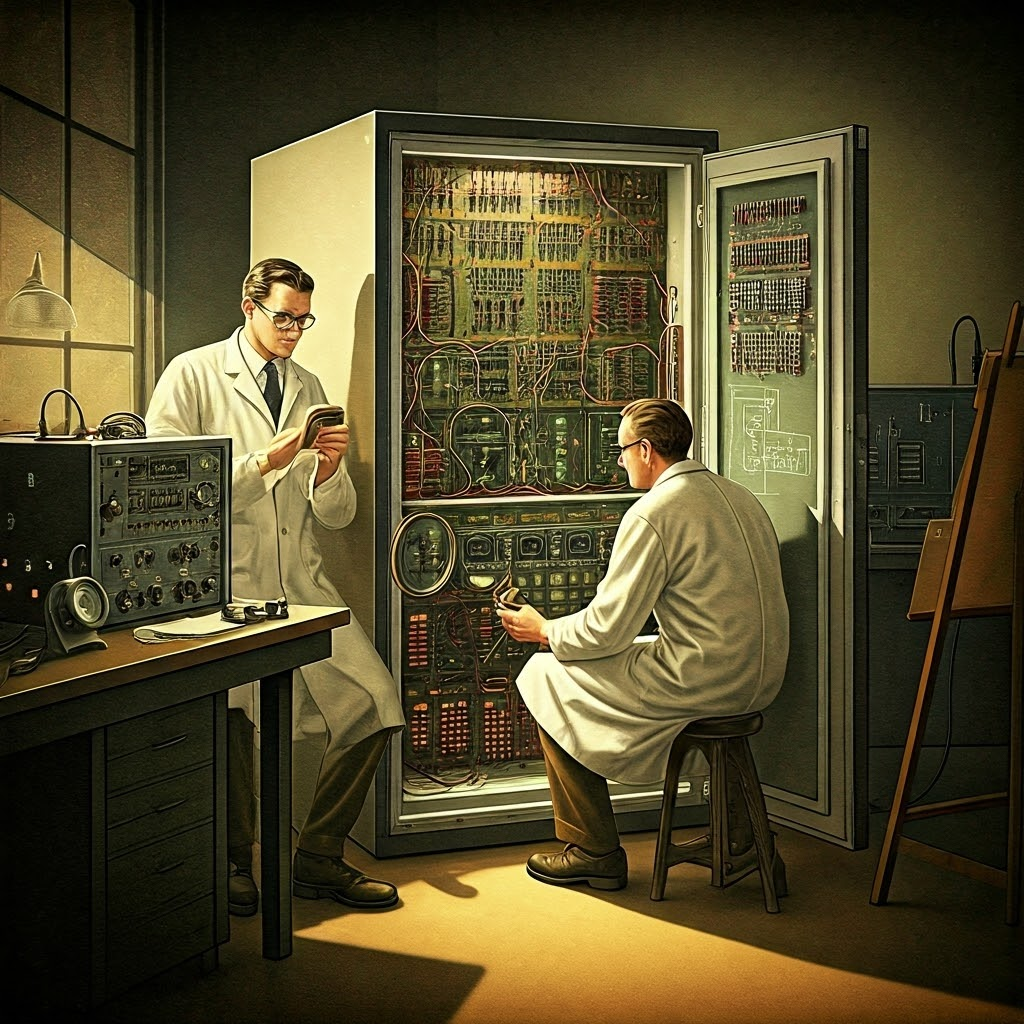
Transistors soon replaced vacuum tubes, cutting size and power use. Early transistor machines still filled laboratories, yet universities and governments could now afford them. Their hidden code handled weather forecasts, lunar calculations, and payrolls—tasks once thought impossible at such speed.
Moore’s Law: Why Your Phone Is Smarter Than Yesterday’s Supercomputer
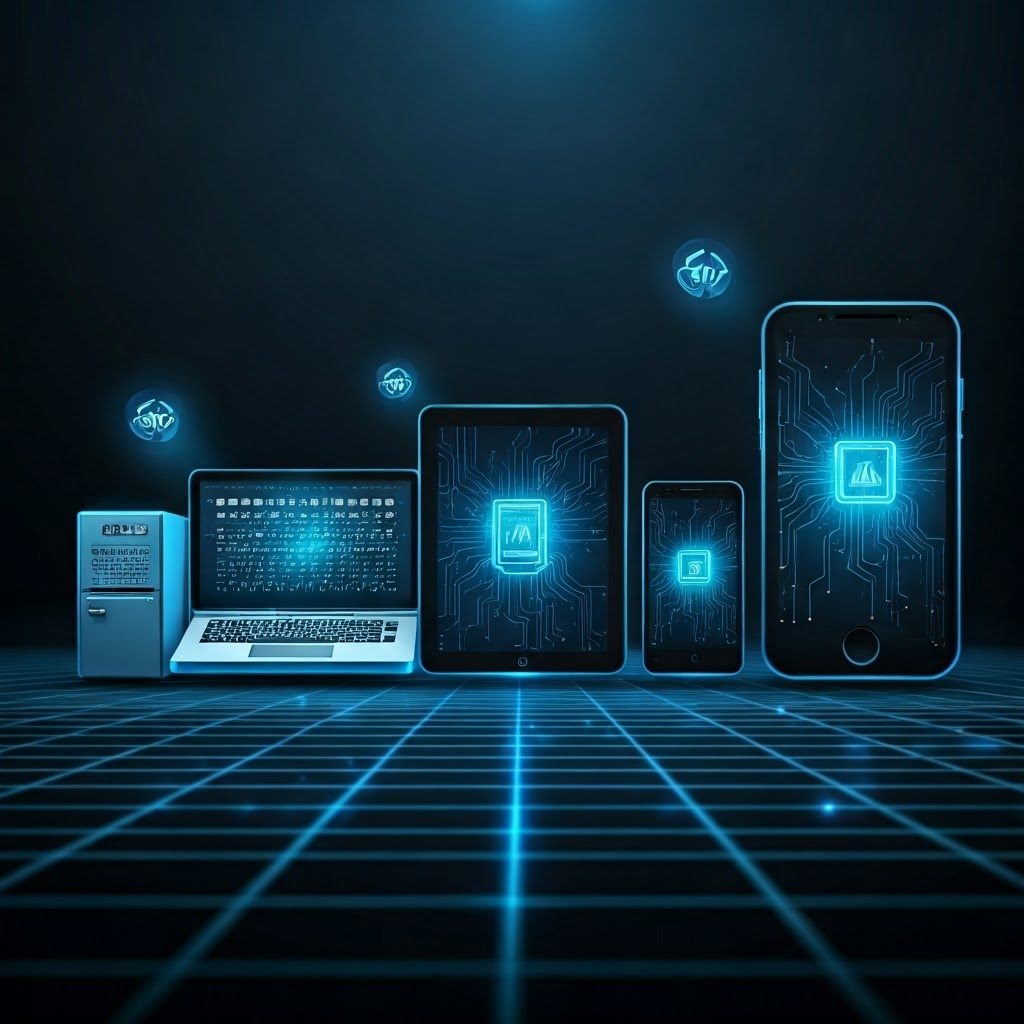
In 1965, Gordon Moore observed that transistor counts double about every two years. This simple rule—Moore’s Law—meant computers would keep getting faster, smaller, and cheaper at an exponential pace.
Mainframes shrank to desktops, desktops to laptops, and laptops to smartphones. Today’s average phone is millions of times more powerful than ENIAC, easily beating a 1990s supercomputer in raw math.

Exponential growth feels slow at first, then sudden. Think of folding a sheet of paper 50 times to reach the sun. Moore’s Law set similar expectations: devices grow outdated quickly, and new gadgets appear faster than old ones can fade.
The Internet Arrives: From ARPANET to the World Wide Web
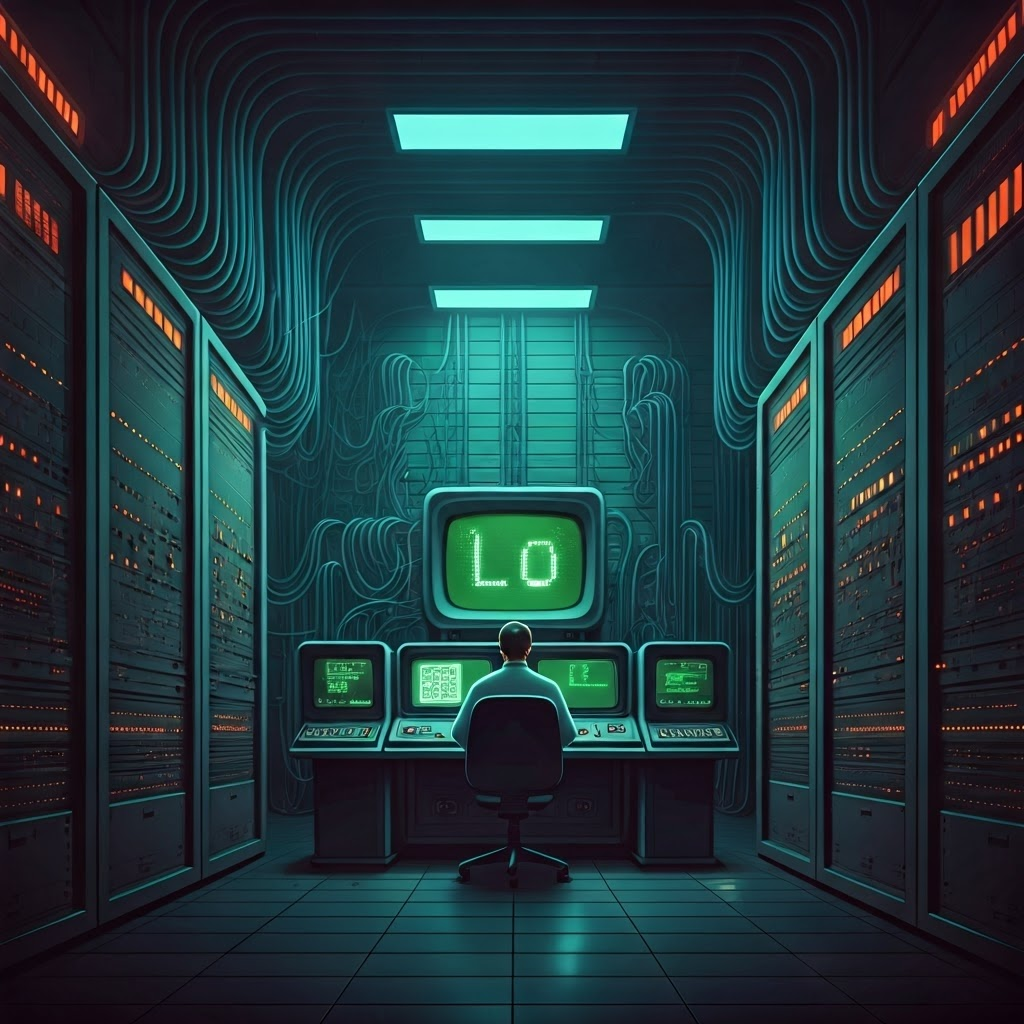
Speedy chips mattered most when linked together. In the late 1960s, ARPANET connected distant computers for the first time. The debut message—just “LO”—crashed the system after two letters, yet proved data could fly across miles instantly.

By 1989, Tim Berners-Lee created the World Wide Web so anyone could navigate this growing network. Links, browsers, and pages turned command-line transfers into everyday browsing—news, shopping, and email moved online almost overnight.
The web reshaped culture. Newspapers went digital, families emailed instead of mailing letters, and travelers booked flights in minutes. People gained a shared, round-the-clock library that kept expanding with each click.
The Mobile Leap: How Smartphones Changed Everything
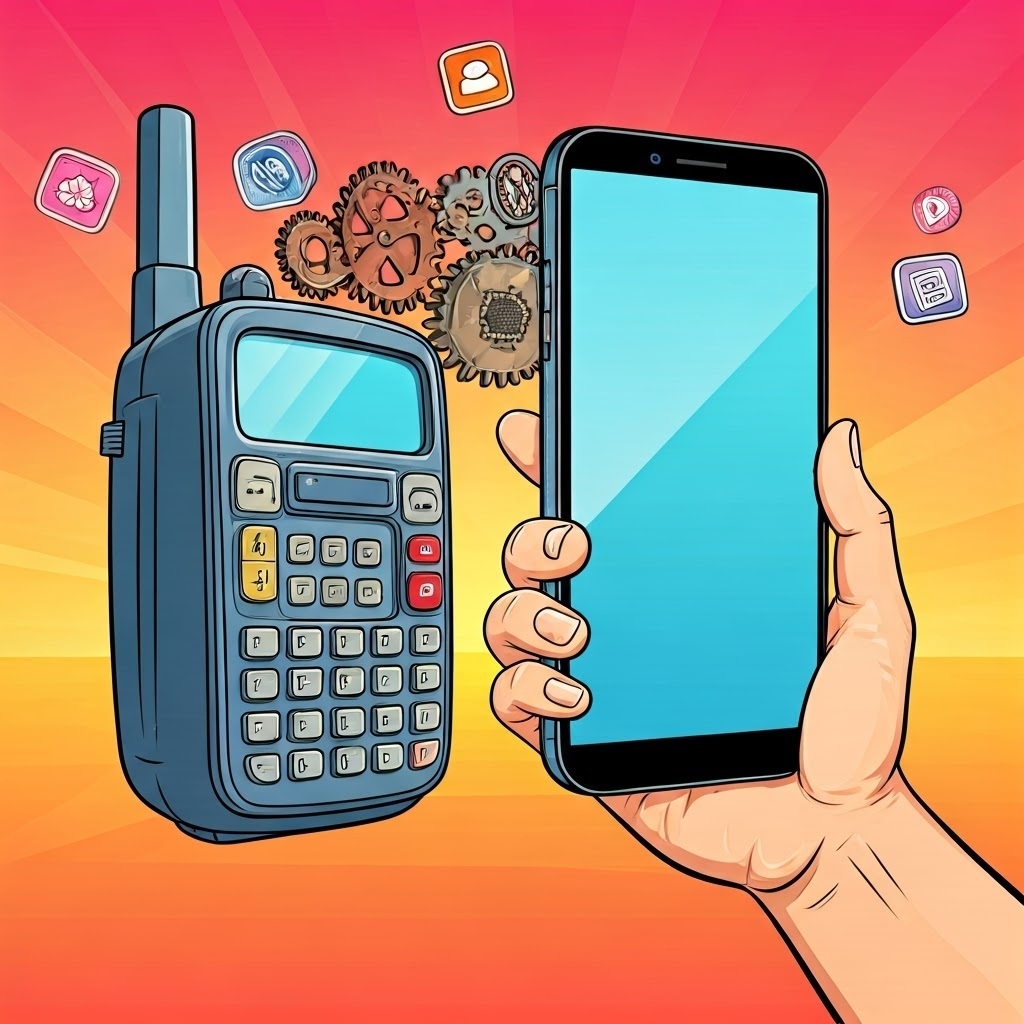
Mobility was the next leap. Early cell phones were bulky and only made calls. When fast chips, bright screens, and internet access merged, the smartphone appeared. In 2007, the iPhone combined camera, music, maps, and more in one pocket-sized device.

This sparked the app economy. Developers worldwide built small tools for translation, ride-hailing, and payments. A phone became a Swiss Army knife for daily life—messaging, photos, or live video from anywhere.
Like ENIAC made calculation accessible to a few, smartphones put supercomputing and communication in almost everyone’s pocket. Shopping, learning, dating, and friendship now flow through handheld screens.

Connections in Everyday Life
Scrolling social media or checking weather feels routine, yet the hidden history of ENIAC, Moore’s Law, and ARPANET powers every tap. Progress races ahead of habits and laws, but it always starts with a single connection—one device talking to another, or one person reaching out to the world.
