
Pixels, Memes, and the New Aesthetic
Scrolling Through Art: How Images Go Viral
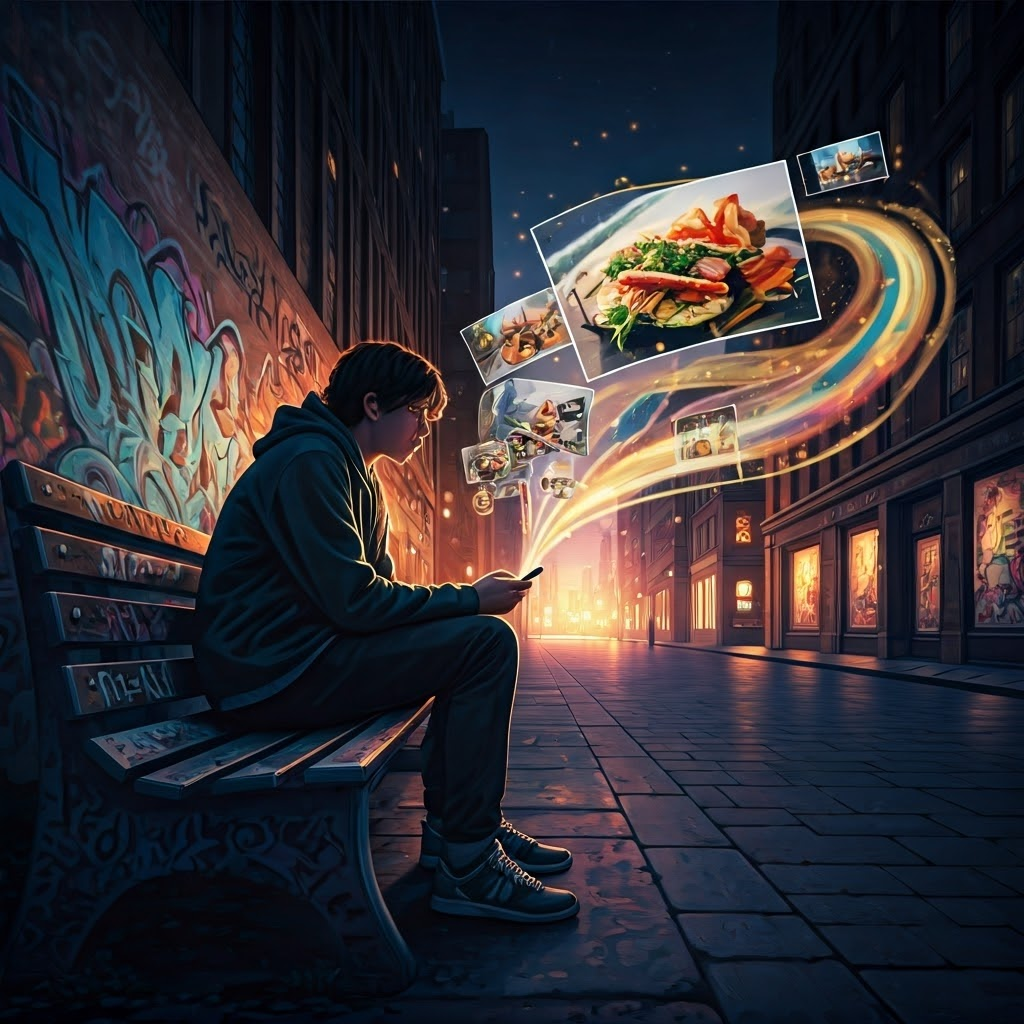
The way people discover and experience art changed almost overnight with the rise of apps like Instagram and TikTok. You’re no longer standing in a quiet museum or flipping through coffee-table books. Now, art scrolls past you in the palm of your hand—fast, loud, and made to catch your eye in a split second. This isn’t just about paintings and photography anymore. Anything can be art: a clever selfie, a perfectly plated breakfast, a graphic joke, sometimes even a blurry photo of a pet with just the right caption. There’s a name for this online momentum—virality—and it’s a powerful force.
Scrolling Through Art: How Images Go Viral
Virality works a lot like gossip: someone shares a post, a few people like it, and suddenly, you’re seeing it everywhere. Why does something go viral? Partly because of the underlying algorithms—those invisible rules that decide what lands at the top of your feed. These algorithms reward what’s catchy, surprising, funny, relatable, or just pretty to look at. The internet has built a new visual language that’s direct, fast, and usually a bit playful. Even the way we see color, use filters, or zoom in and out shapes how we understand what’s “good” or “interesting” online.
Scrolling Through Art: How Images Go Viral
You’re probably used to seeing certain styles pop up everywhere—a pastel palette, a vintage grain, or a certain way of framing a photo that just feels “Instagrammable.” This isn’t an accident. Platforms shape taste by pushing certain trends forward. So next time you’re scrolling, notice the patterns: the poses, the backgrounds, the types of humor, and the moods that keep showing up. This is the new aesthetic being created in real time, and everyone participates—even if you’re just watching.
Memes as Modern Folk Art
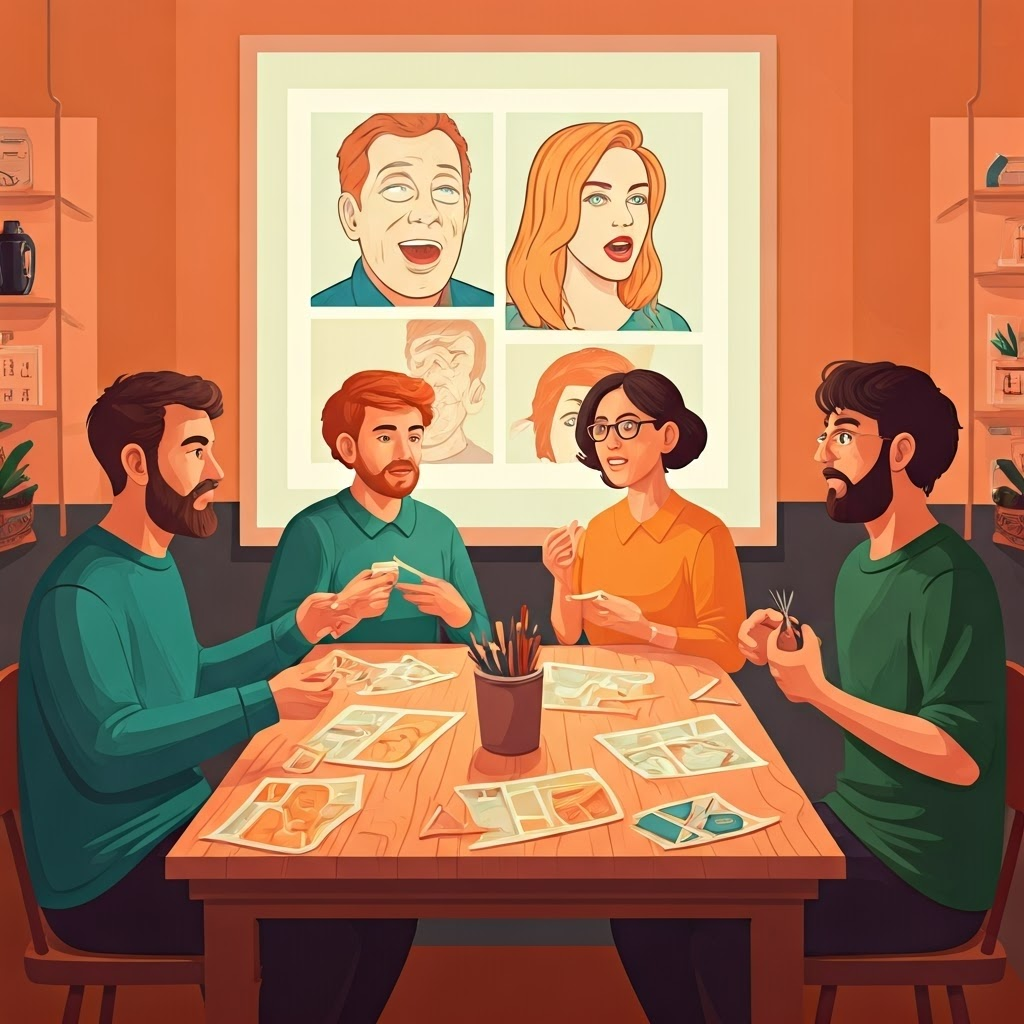
Memes are now the folk art of the internet. Instead of quilting bees or folktales, people remix images, jokes, and references at lightning speed. A meme might start as a simple photo with text—think of the classic “Distracted Boyfriend” or the always-relevant “Woman Yelling at a Cat.” Overnight, these images are reworked a thousand times to comment on politics, daily life, or pure nonsense.
Memes as Modern Folk Art
Henry Jenkins calls this participatory culture—the idea that everyone can take part in creating and spreading stories, instead of just consuming them. Memes are built for this. Their meaning depends on the mix of image, context, and the never-ending urge to tweak or parody. A meme’s life is short but intense; it twists and evolves as it passes between group chats, Twitter threads, and Reddit posts.
Memes as Modern Folk Art
What makes memes special isn’t just their humor; it’s the way they let people speak in code. Memes can be inside jokes about local elections, riffs on homework drama, or sharp takes on social justice. They travel the world, but are always being tailored and reimagined by whoever grabs them next. Just like folk art, memes blur the line between artist and audience.
The Aesthetics of Social Media
Everyone who posts online—whether it’s art, a selfie, or a TikTok dance—is influenced by the designs and pressures of the platforms. Instagram’s grid rewards symmetry, color, and the illusion of effortlessness. TikTok’s endless scroll pushes sound bites, quick jokes, and surprising edits. You start to notice people posing the same way or using the same filters, not because they lack creativity, but because the platforms make some choices easier than others.
The Aesthetics of Social Media
Sherry Turkle’s work on identity and presentation helps explain this. The internet hands you tools to curate your public self. You can tweak, adjust, and polish until your feed becomes a highlight reel. There’s real fun in this, but also plenty of pressure. The quest for likes or followers can push you toward what’s popular, even if it’s not exactly “you.” Trends can feel like rules, and originality sometimes takes a back seat to belonging.
The Aesthetics of Social Media
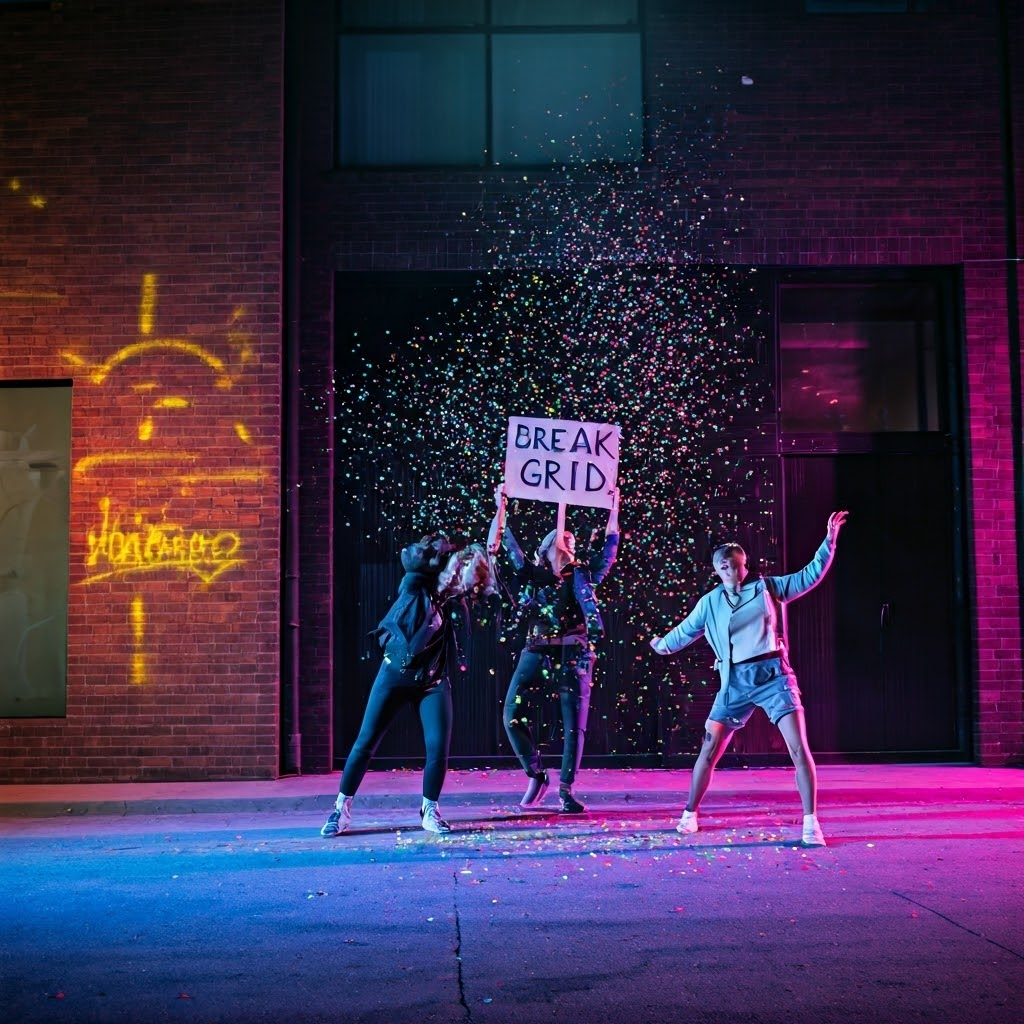
Still, people find space for self-expression by playing with these rules. Some artists flood their feeds with neon chaos on purpose, or purposely break trends to stand out. Others use comments, captions, or even satire to poke fun at the whole game. Online, beauty is always up for debate. A meme’s absurdity, a candid moment, or a digital collage can all count as art, depending on who’s watching.
Identity, Meaning, and the Value of Viral Content
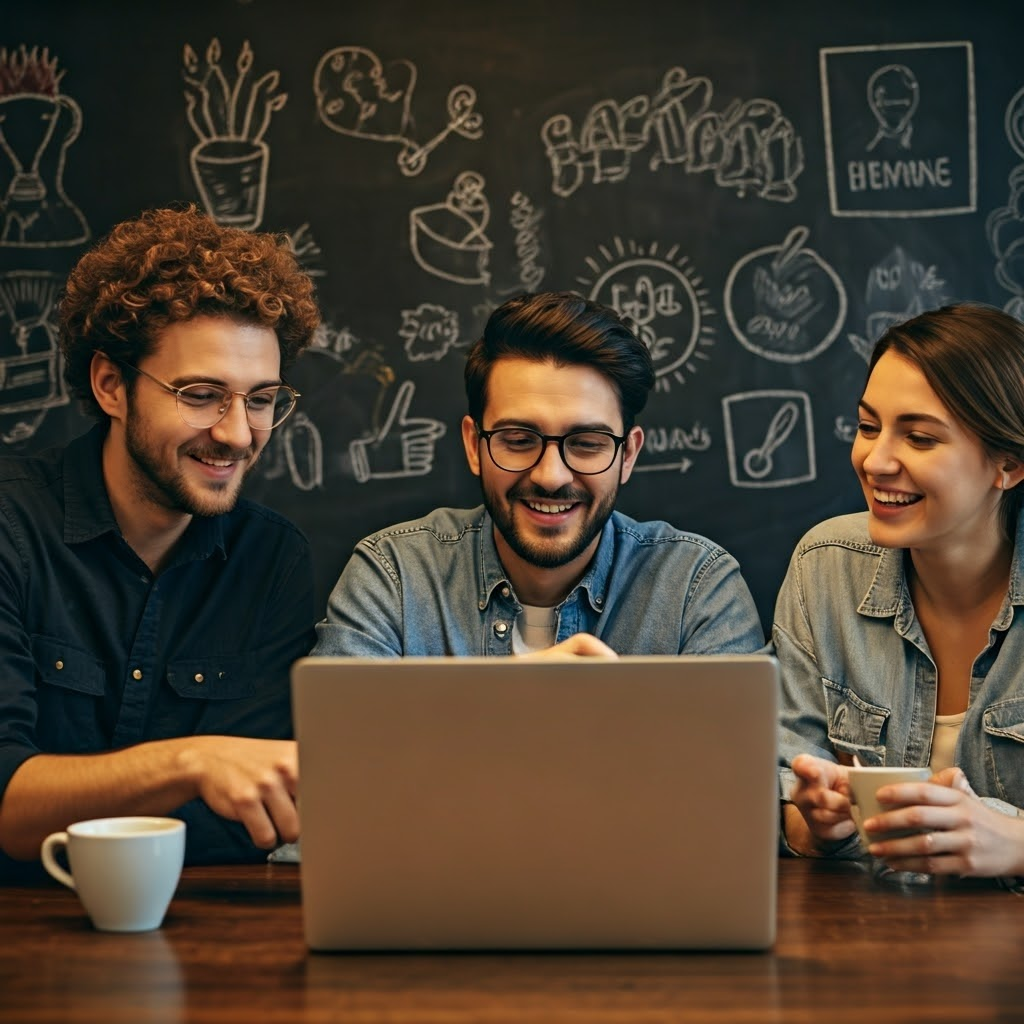
It’s easy to say that everything online is fleeting or superficial, but that misses the point. Memes and viral images shape the way you see the world and yourself. They offer a way to join groups, share inside jokes, or make sense of big topics using humor and storytelling. Sometimes, a meme sparks a political movement or helps people talk about mental health. Sometimes it’s just a silly joke at the exact right time.
Identity, Meaning, and the Value of Viral Content
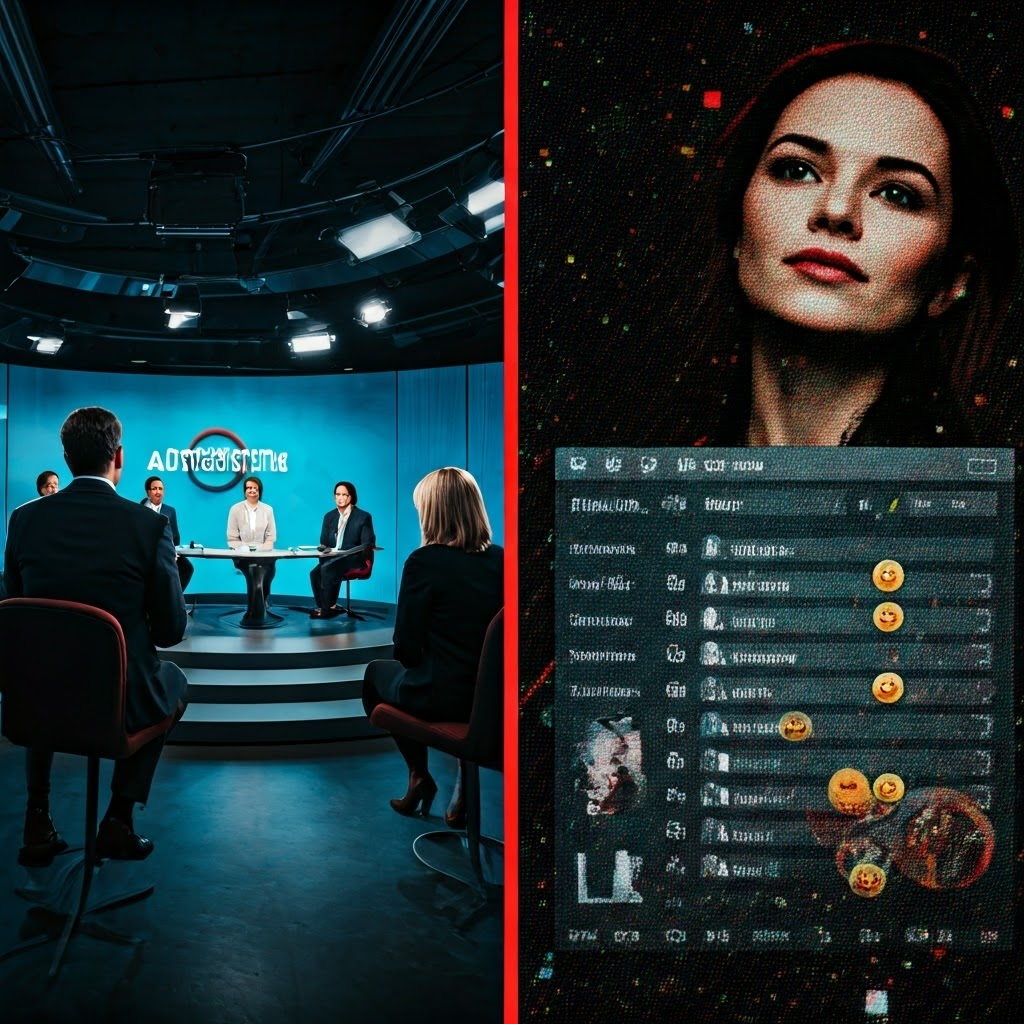
What’s different about digital culture is how everyone becomes a creator, not just a consumer. You don’t need permission or special tools to join in. This mix of freedom and chaos feels both empowering and overwhelming. It also raises real challenges: How do you tell what’s authentic? What gets lost in the race for likes and shares? Who decides what “real” art looks like in a space moving this fast?
Identity, Meaning, and the Value of Viral Content
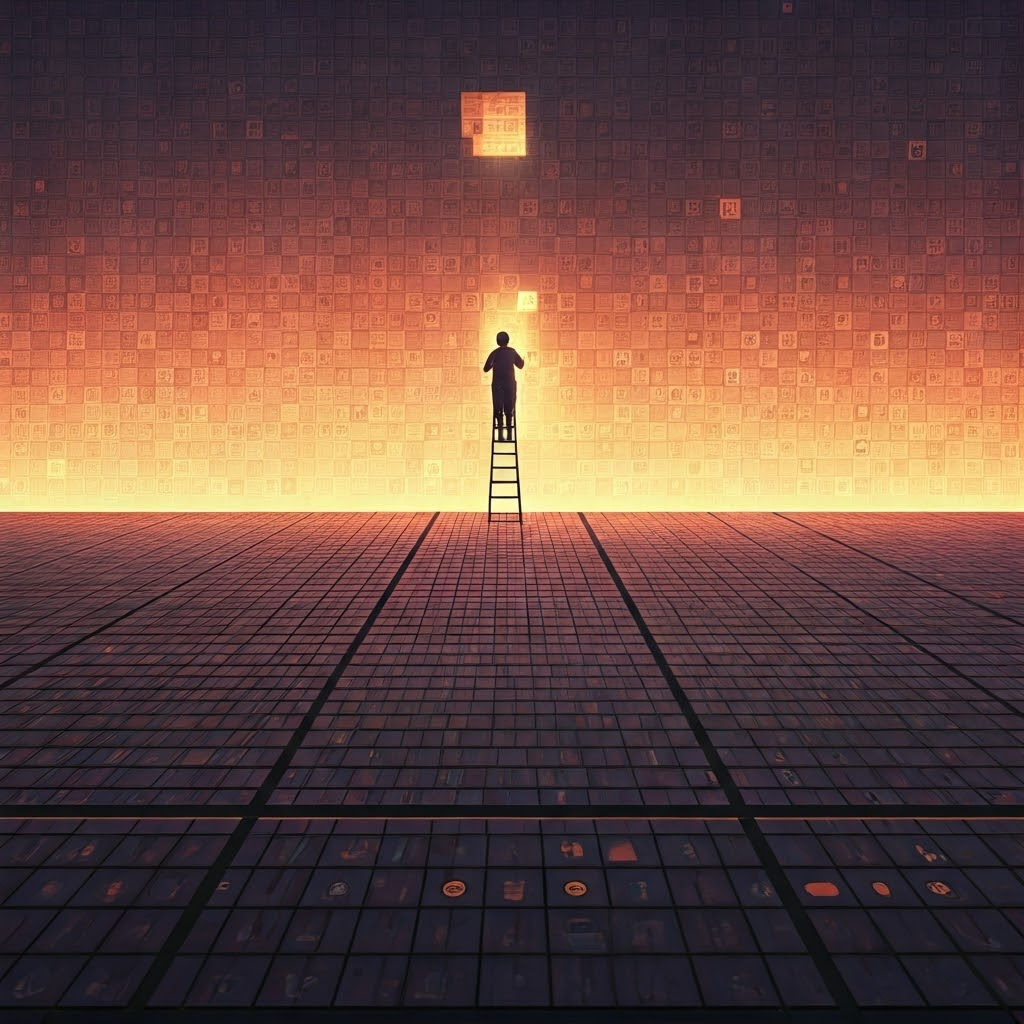
The digital age aesthetic isn’t just pretty pixels or quick laughs—it’s a way of seeing, sharing, and belonging that’s always evolving. Every post, trend, and meme adds another brushstroke to this massive, ongoing canvas that you help create every day.
