
The Great Carbon Shuffle: How Carbon Moves Around

Carbon is always on the move, cycling through air, water, life, and rock. This silent journey shapes weather, ecosystems, and the climate we feel each day.
Meet the Carbon Players: Where Carbon Hangs Out
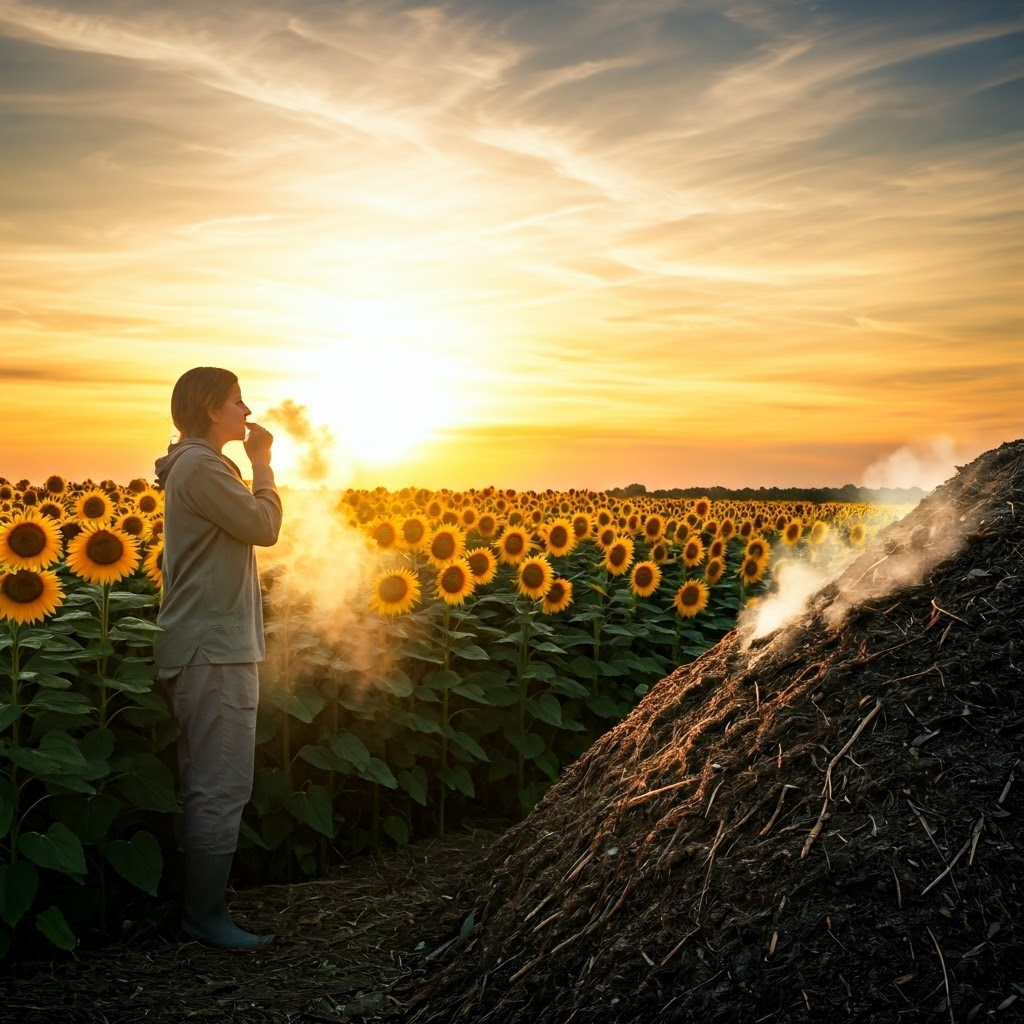
Everywhere you look—air, oceans, forests, even the rocks beneath your feet—carbon waits for its next move. Scientists call these hiding spots reservoirs.
The atmosphere stores carbon as and responds within years. The biosphere—plants, animals, microbes—holds more and swaps it constantly. Oceans keep roughly 50 times the air’s carbon, split between surface and deep pools. Rocks lock carbon as limestone, fossil fuels, and minerals for ages.
The Fast Lane: Photosynthesis, Respiration, and Decomposition
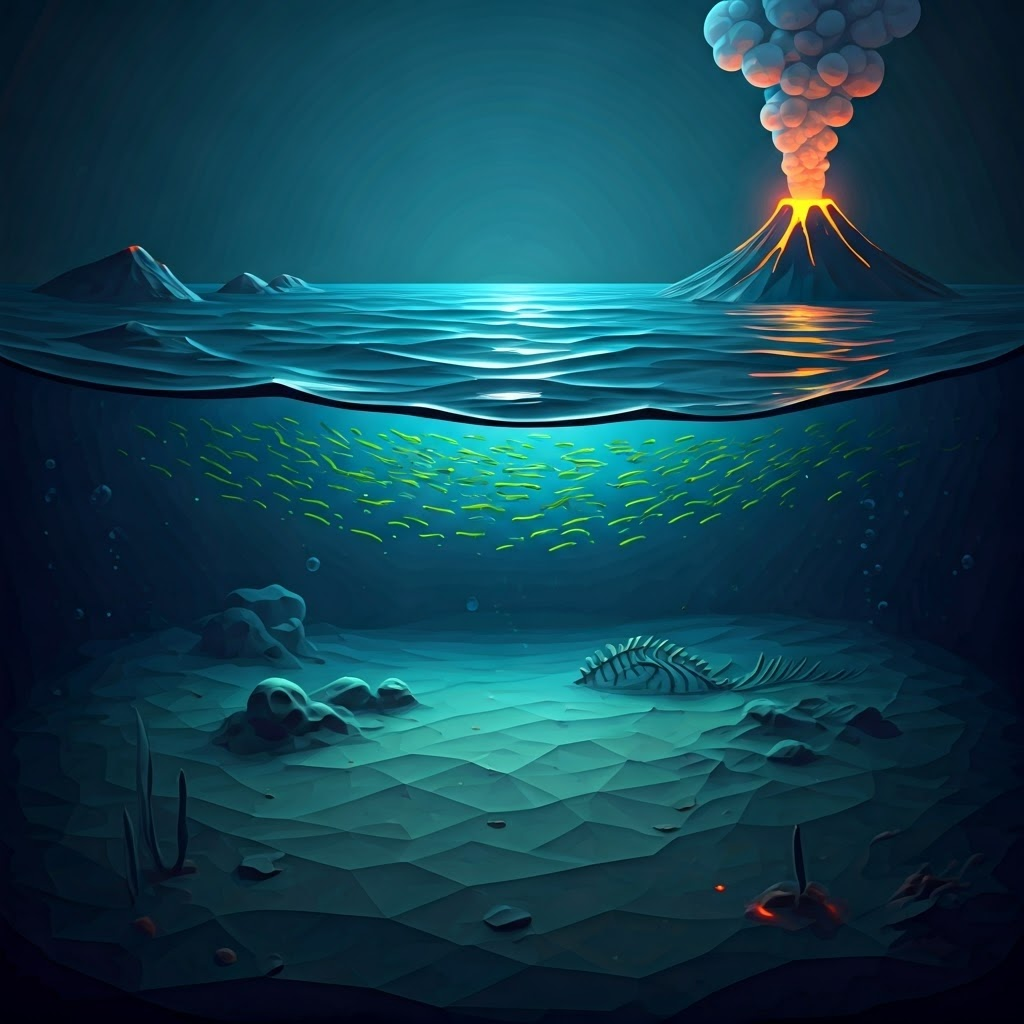
Most carbon rides a fast track. During photosynthesis, plants pull and make sugars: sunlight + water + → food + . Animals and plants respire, break sugars for energy, and return to air. Decomposers finish the job, turning dead matter into fresh gas within days to years.
The Slow Lane: Oceans and Rocks Hold On Tight
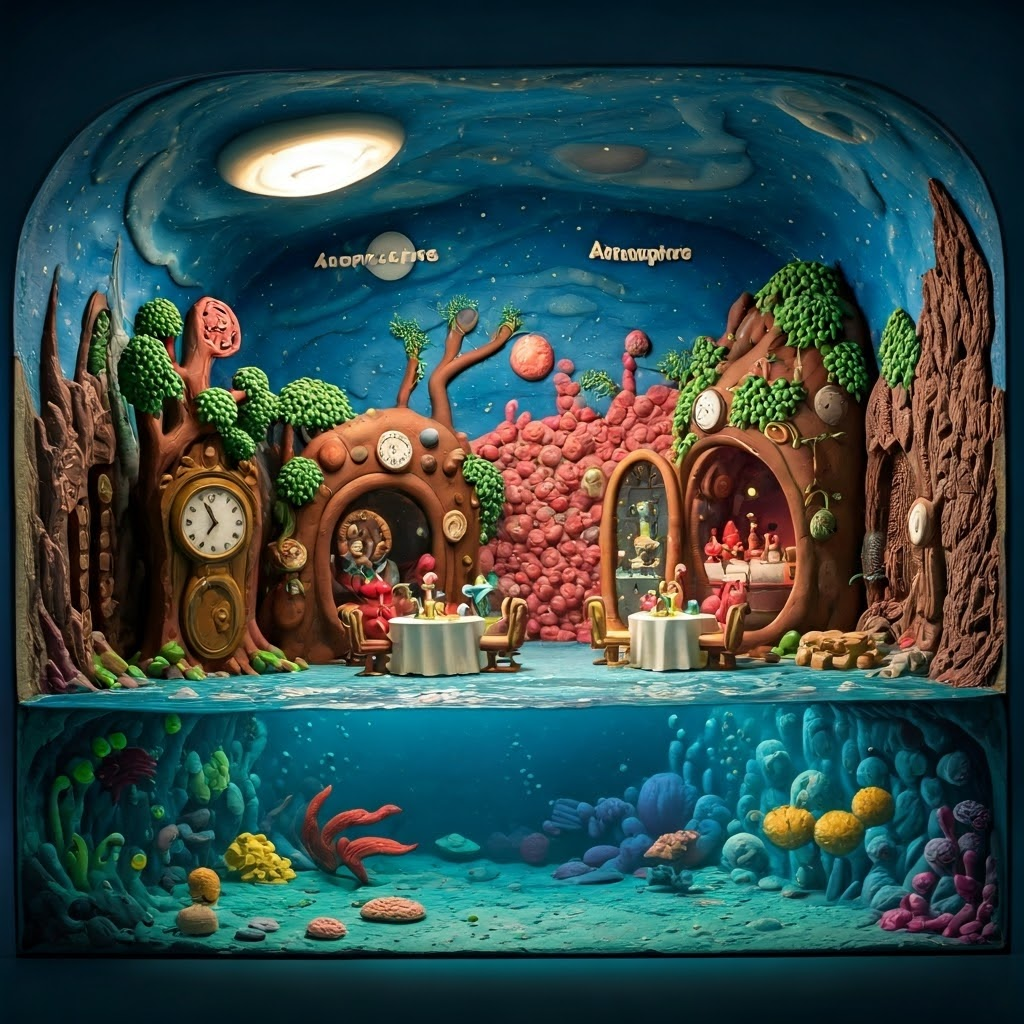
In the slow lane, cold seas absorb . Tiny phytoplankton use it, then sink as marine snow in the biological pump, storing carbon for millennia. Seafloor shells build limestone, while buried plants become fossil fuels—keeping carbon locked until tectonics or drilling set it free.
How Long Does Carbon Stay? Residence Times Explained

Residence time measures how long a carbon atom lingers. Atmospheric carbon circulates in a few years. A tree may store it for decades; a leaf, for one season. Surface-ocean carbon travels for years, then dives for centuries. In rocks, carbon rests for hundreds of millions of years.
What Makes the Shuffle Matter
Upsetting the balance matters because fast reservoirs act like checking accounts—quick in, quick out—while slow reservoirs resemble retirement funds. Burning ancient fuels moves long-stored carbon into the fast lane, tilting the system. Understanding this imbalance helps us see why cutting emissions keeps the carbon shuffle steady.
