
Brushstrokes of Curiosity
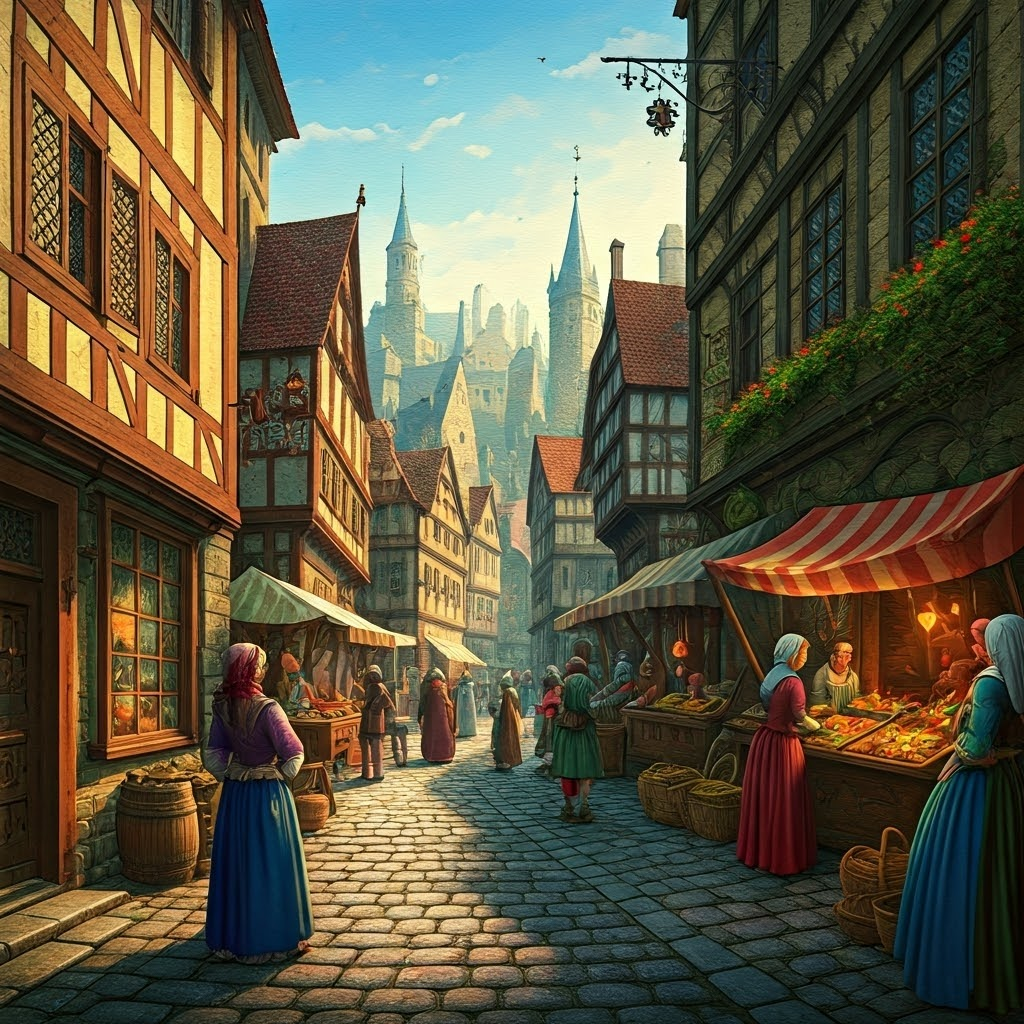
Intro: Setting the Scene
Imagine living in a vibrant town during the late 1400s. You walk past busy market stalls, craftspeople at work, and friendly chatter. Humanism begins to grow as people start asking if every big question has truly been answered, inspiring them to observe the world for themselves.
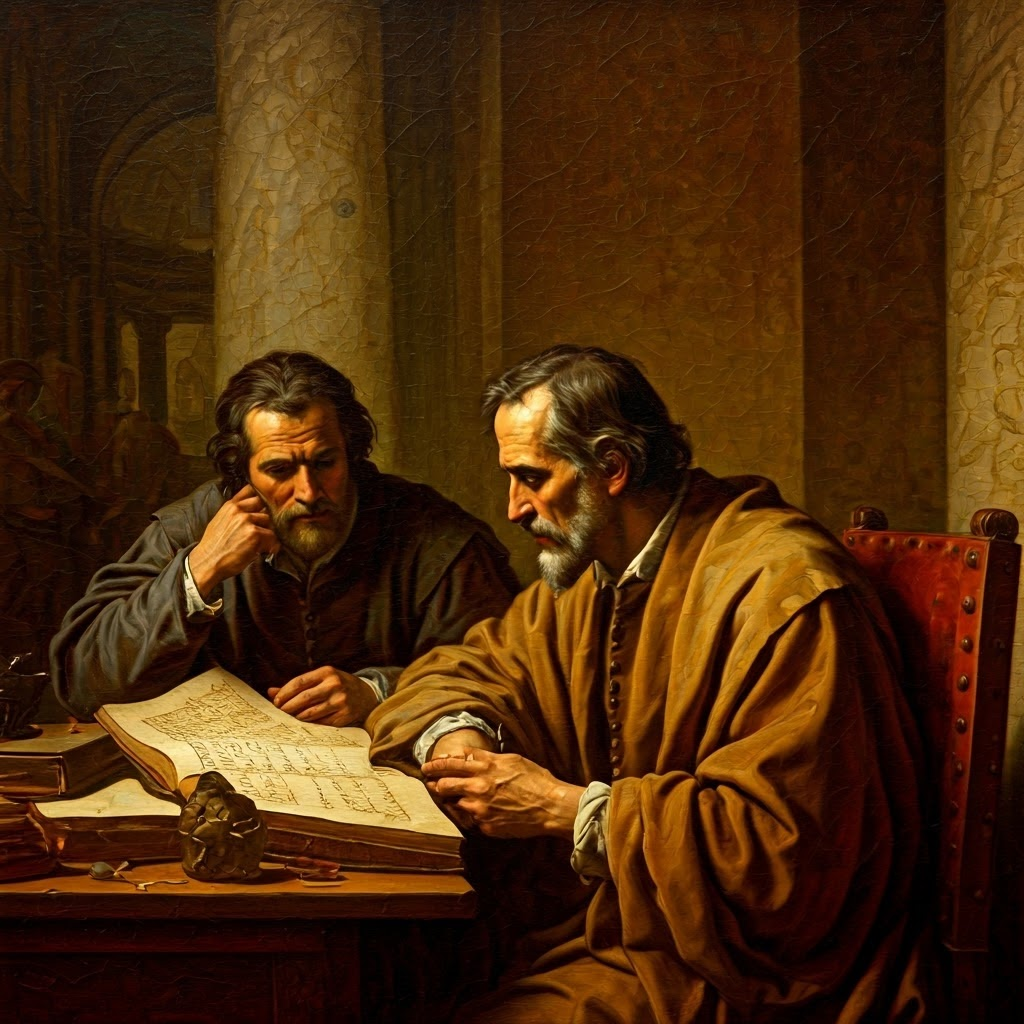
Humanist thinkers encouraged direct observation of nature and close reading of ancient texts. They questioned old assumptions, pushing aside blind acceptance of tradition. Many turned to plants, animals, stars, and the human body, asking if the world was really how they had always been told.
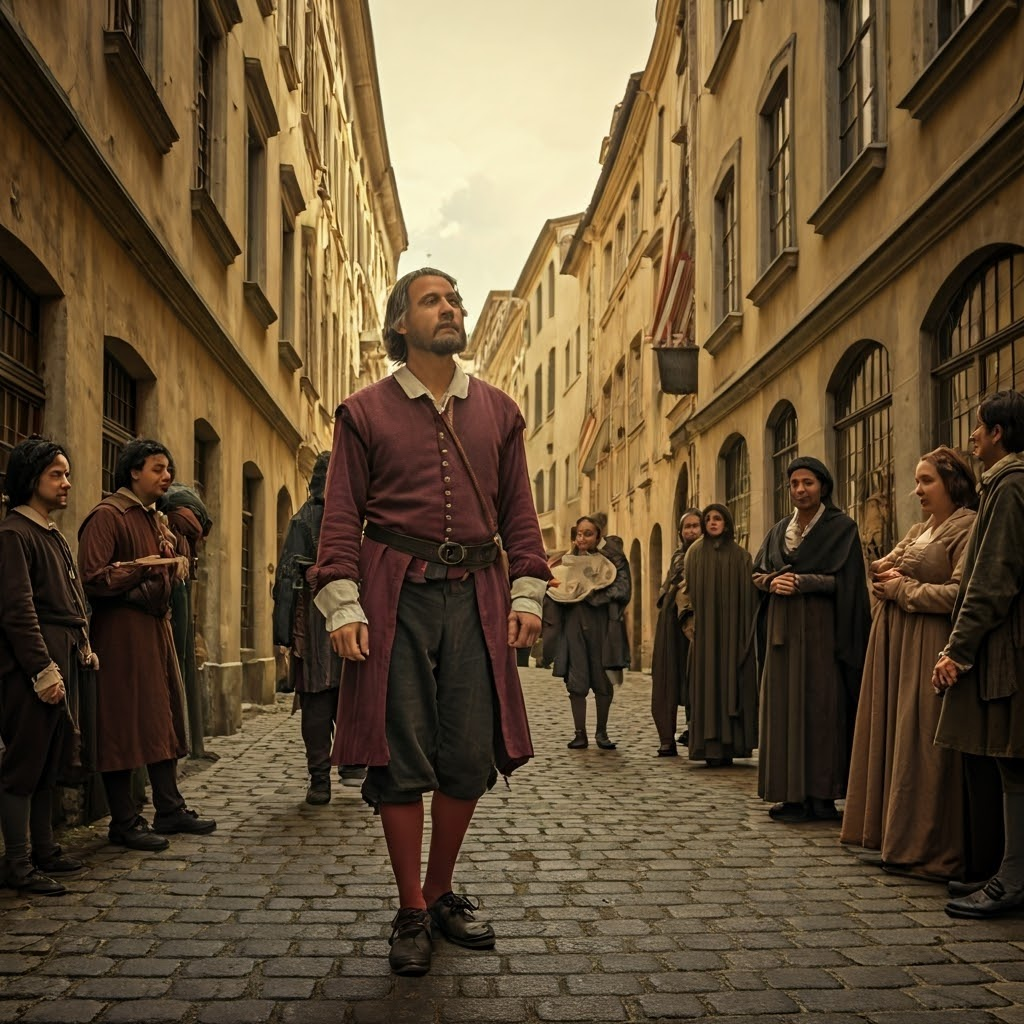
This shift in thought spread beyond scholars. Artists and everyday citizens started testing ideas themselves, challenging entrenched beliefs. Out of these inquisitive minds, Leonardo da Vinci stood out, his curiosity and talent setting a shining example for the era.
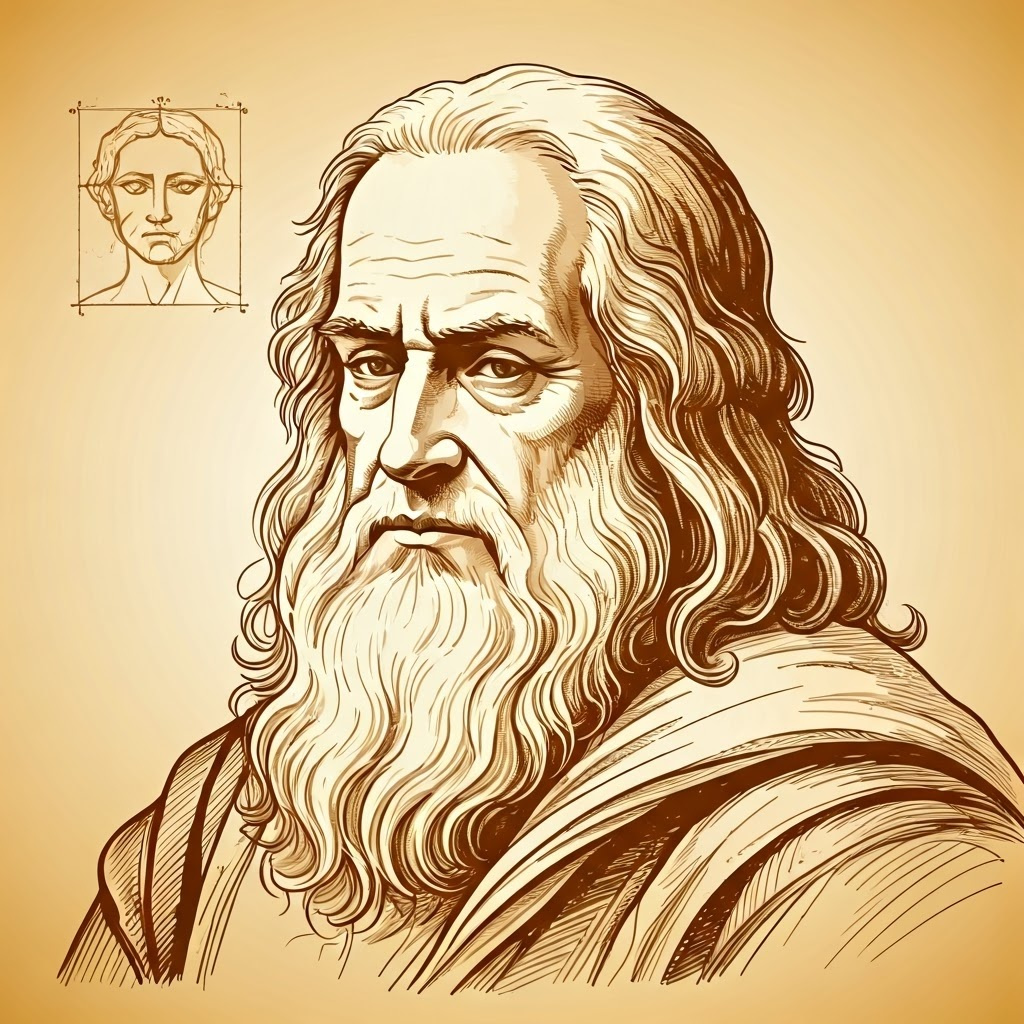
Leonardo’s Sketches
Leonardo was more than a famous painter. He wrote notebooks filled with observations of flowing water, bird wings, and the human hand. Though known for the Mona Lisa and The Last Supper, his sketches reveal a relentless drive to understand how things truly worked.
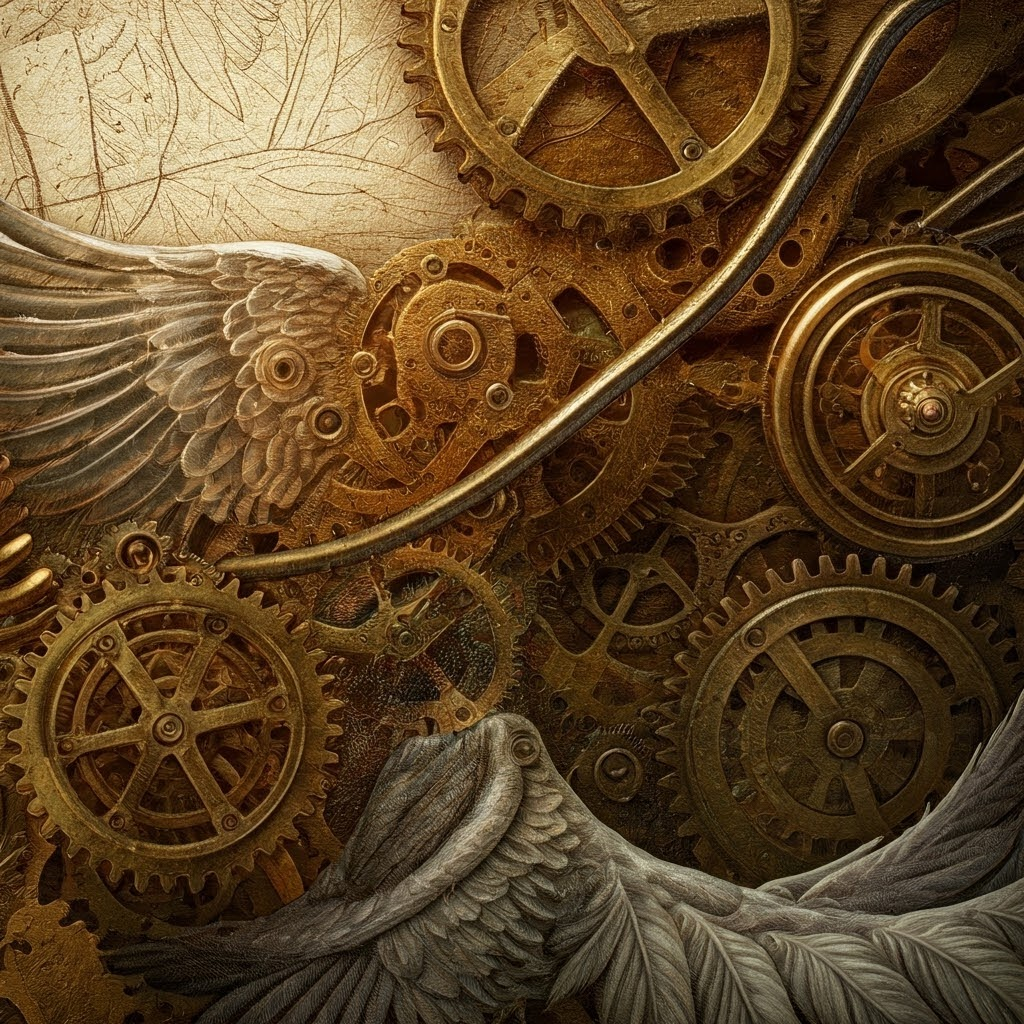
He filled page after page with studies of nature. He closely watched birds and imagined flight machines. Long before airplanes, he grasped ideas of lift and motion. These careful observations planted seeds for understanding aerodynamics and pushed creative thinking.
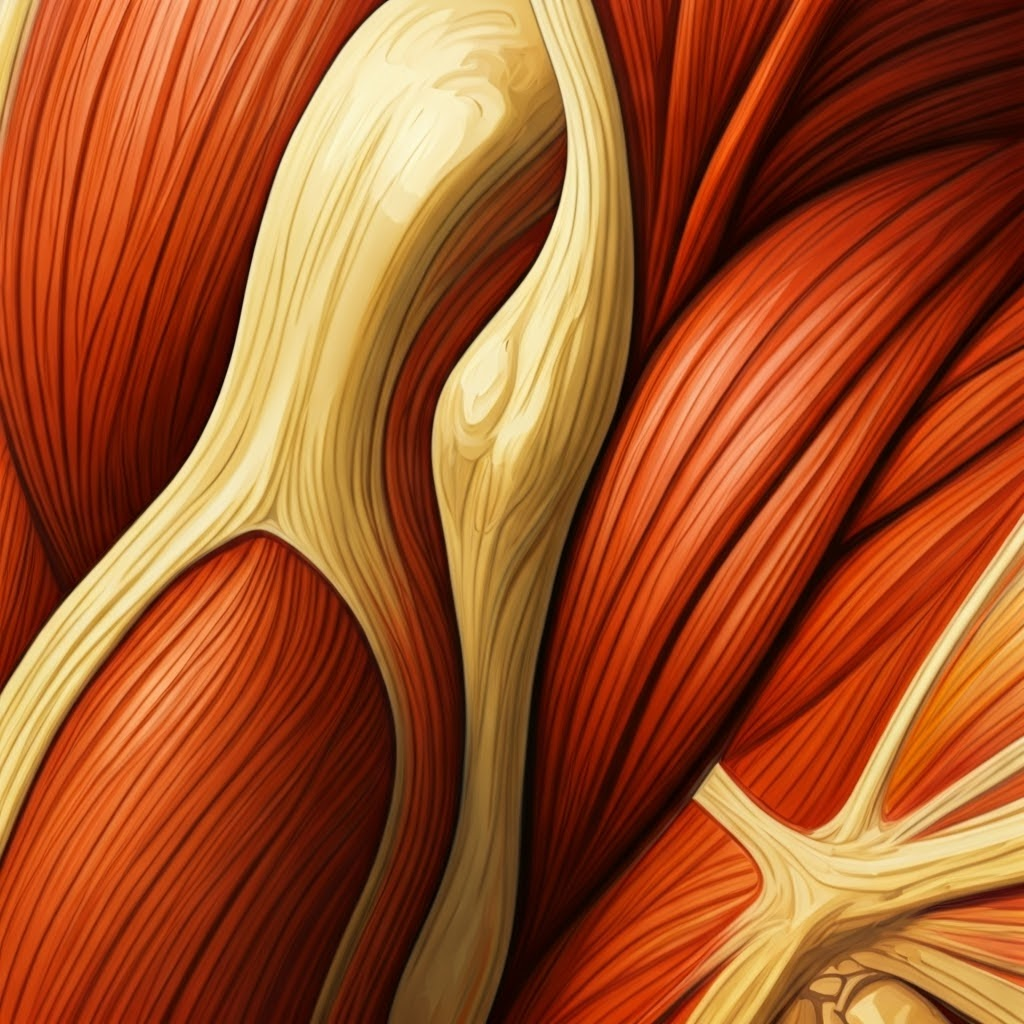
Leonardo dissected human cadavers, revealing errors in older authorities like Galen. Galen had relied on animal dissections, so his texts contained misconceptions. Leonardo’s careful drawings of bones, muscles, and the heart exposed details many had never seen—and proved how vital firsthand observation was.
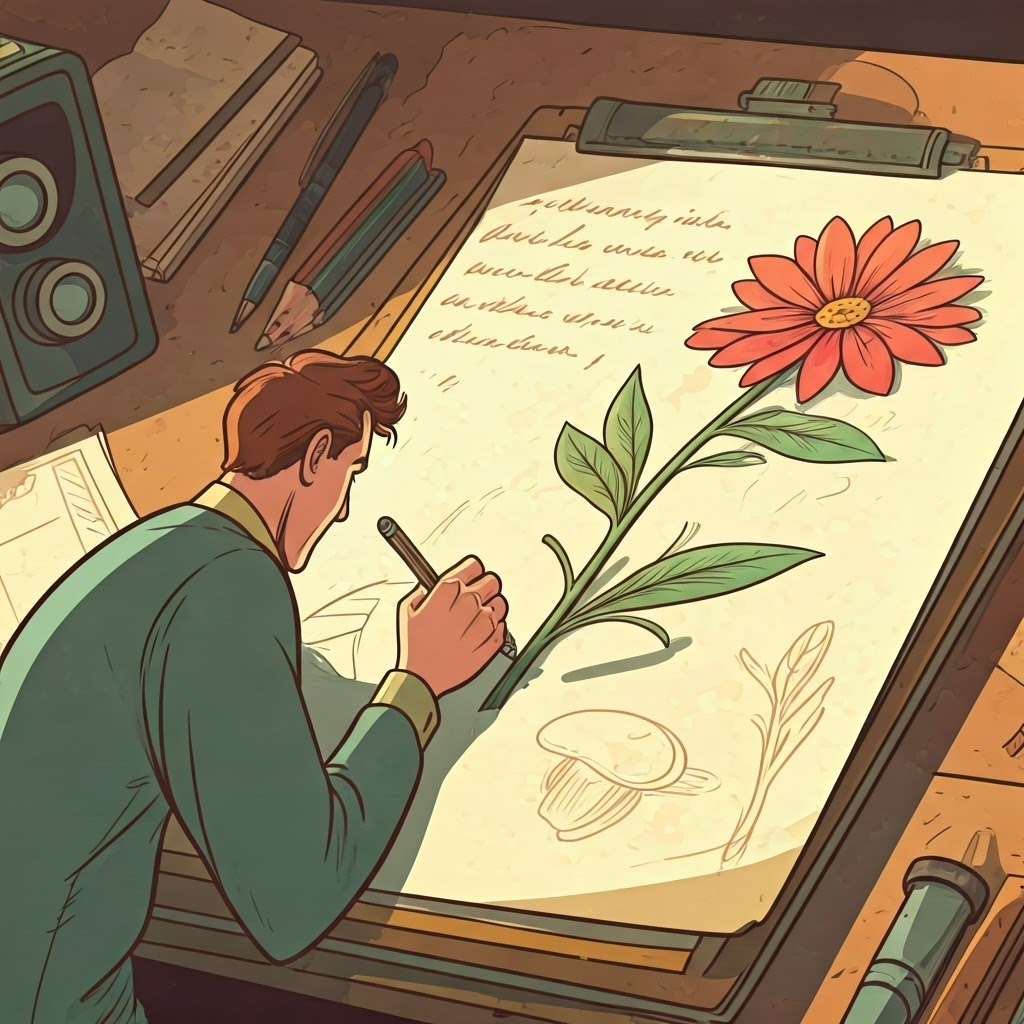
Sketching as a Tool for Understanding
Leonardo relied on drawing because it forced him to look very closely. When you sketch a hand or a flower, you realize how much you usually miss. This practice sharpened his perception and deepened his knowledge, blending art and science in a single profound method.
Each page he sketched showed that relying only on tradition could lead to errors. By observing nature directly, he inspired others to do the same. By pushing people to trust what they saw, he helped both art and science evolve—one tiny detail at a time.
Curiosity as the Engine of Progress
Leonardo’s notebooks were revolutionary because they showed that curiosity was vital. He proved we can question authority, conduct experiments, and document what we learn. His open-minded approach encouraged others to investigate nature, the human body, and the wider universe.
Soon, figures like Andreas Vesalius revised anatomy, and Copernicus challenged Earth’s place in the cosmos. They followed Leonardo’s emphasis on trusting their senses. They asked bold questions and let the evidence guide them toward truth.

We take observation for granted now, but it was the Renaissance, with Leonardo at the forefront, that sparked this transformation. People learned to seek answers by watching, recording, and rethinking. Curiosity remains the force that propels us forward, illuminating each new question we dare to ask.
