
Meet Your Microbial Friends: The Science Behind Fermentation
What Is Fermentation, Really?
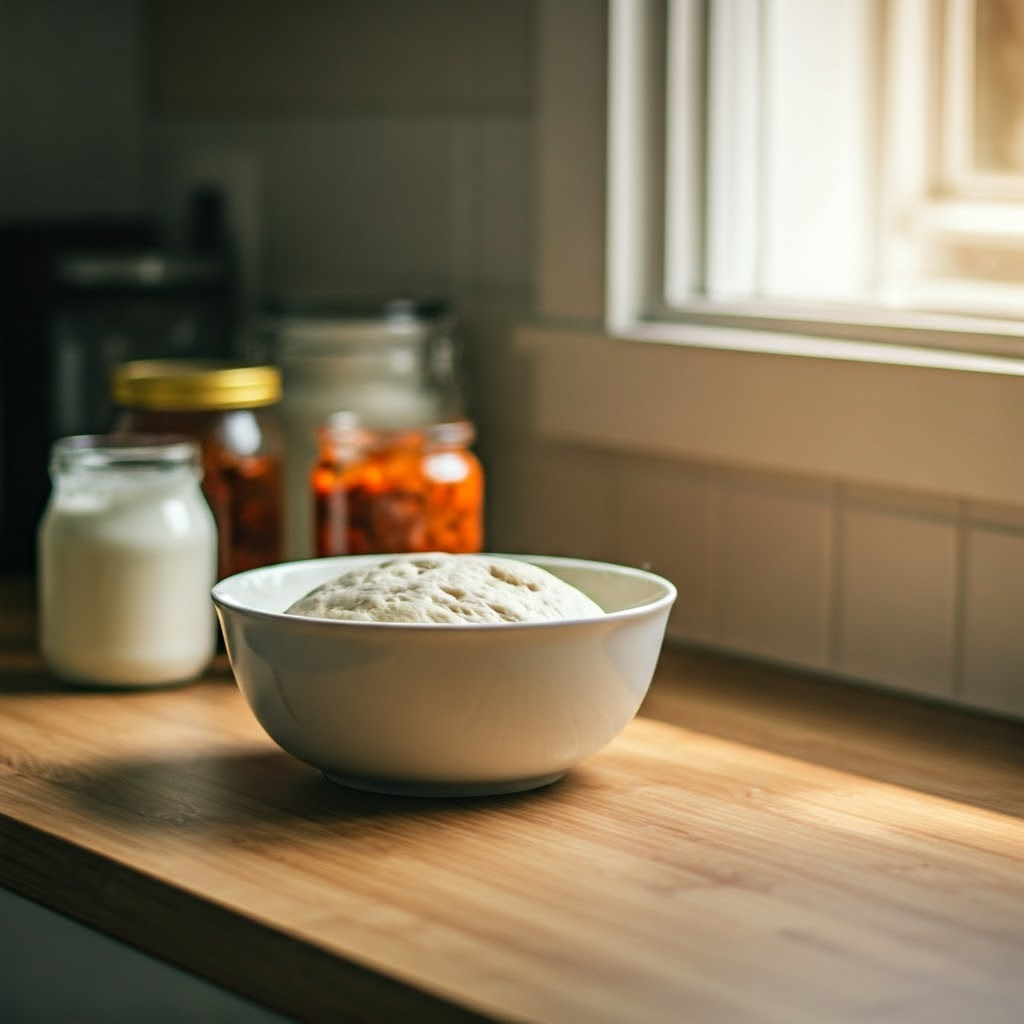
Fermentation turns milk into yogurt, dough into bread, and cabbage into kimchi without special equipment. Leave dough on the counter and it puffs up because countless microbes start working. They eat sugars and create acids, gases, or alcohol. These by-products change flavor, alter texture, and help keep food safe.
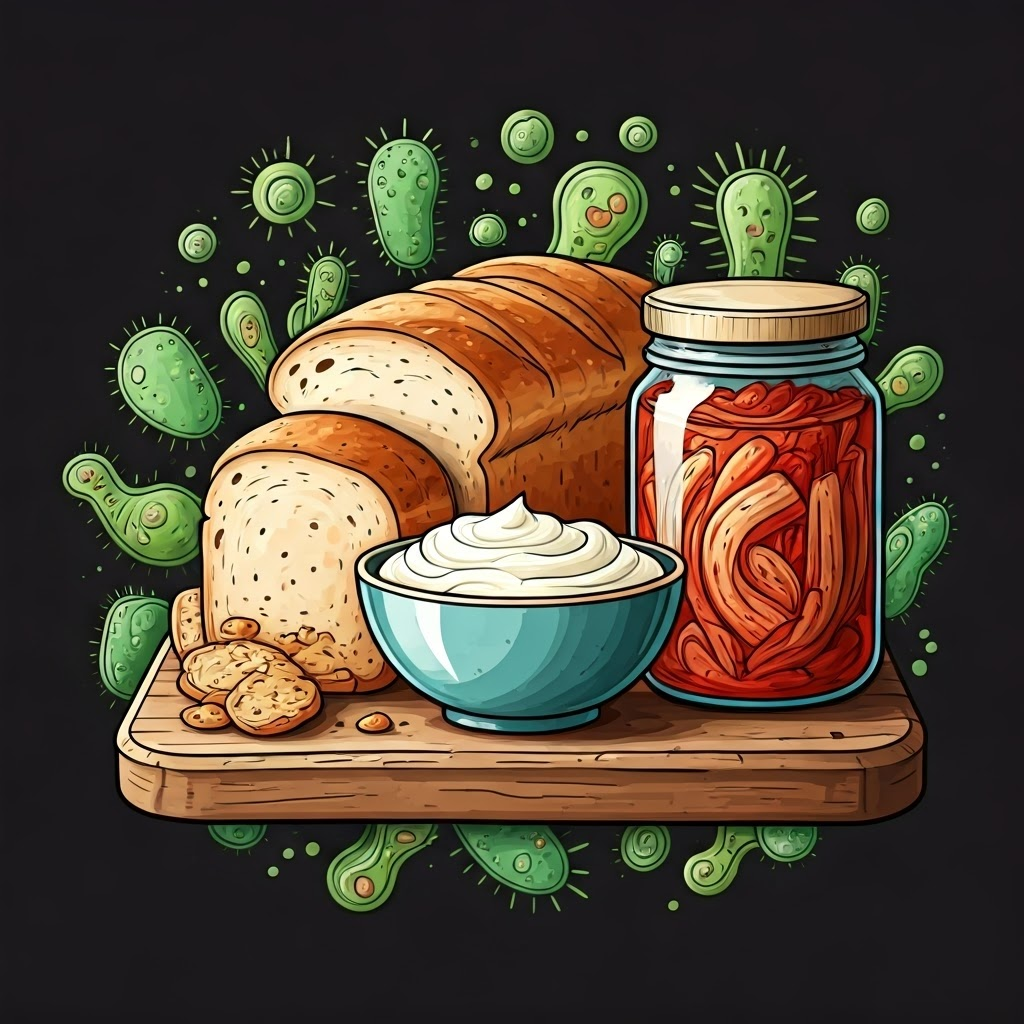
In one line, fermentation is controlled microbial transformation of food. The main players are bacteria and yeasts, with molds joining in some recipes. These organisms live on plants, in the air, and on your hands. Provide the right food and conditions, and a microscopic party turns the familiar into something delicious.
The Microbial Cast: Bacteria, Yeasts, and Molds
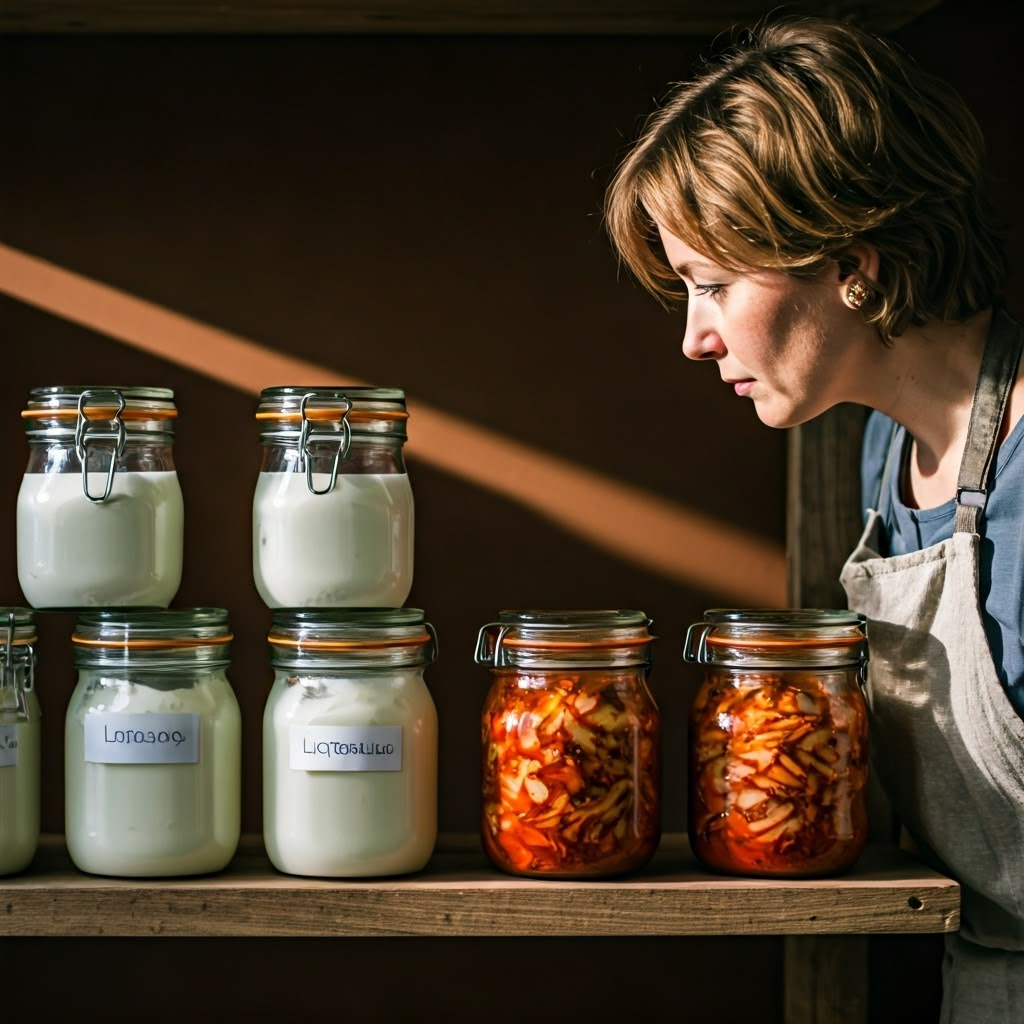
Think of bacteria as smooth operators. Lactic acid bacteria—LAB—snack on sugars and release lactic acid. This tangy acid flavors yogurt and kimchi while lowering pH to extend shelf life.
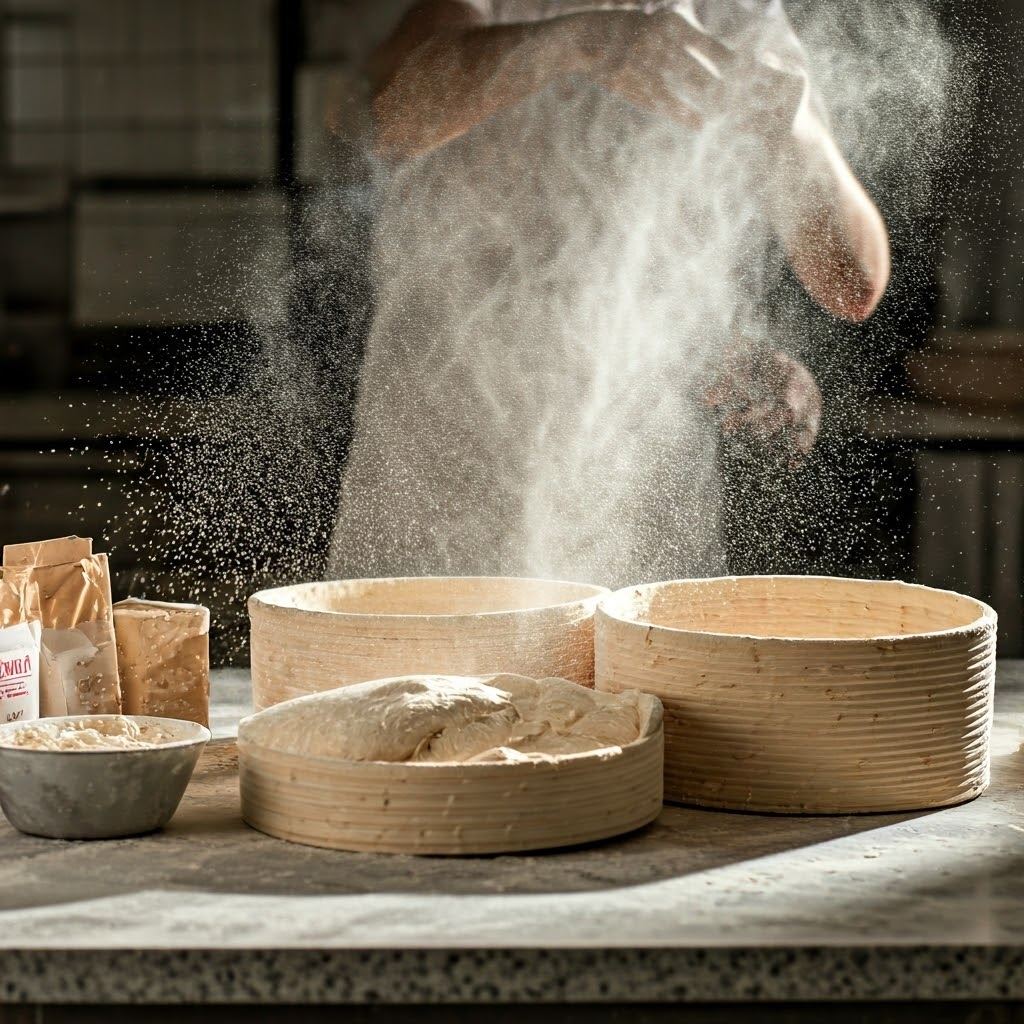
Yeasts are single-celled fungi that convert sugars into ethanol and carbon dioxide. Saccharomyces is the baker’s and brewer’s favorite. CO₂ lifts bread and adds fizz to beer, while ethanol brings the kick.
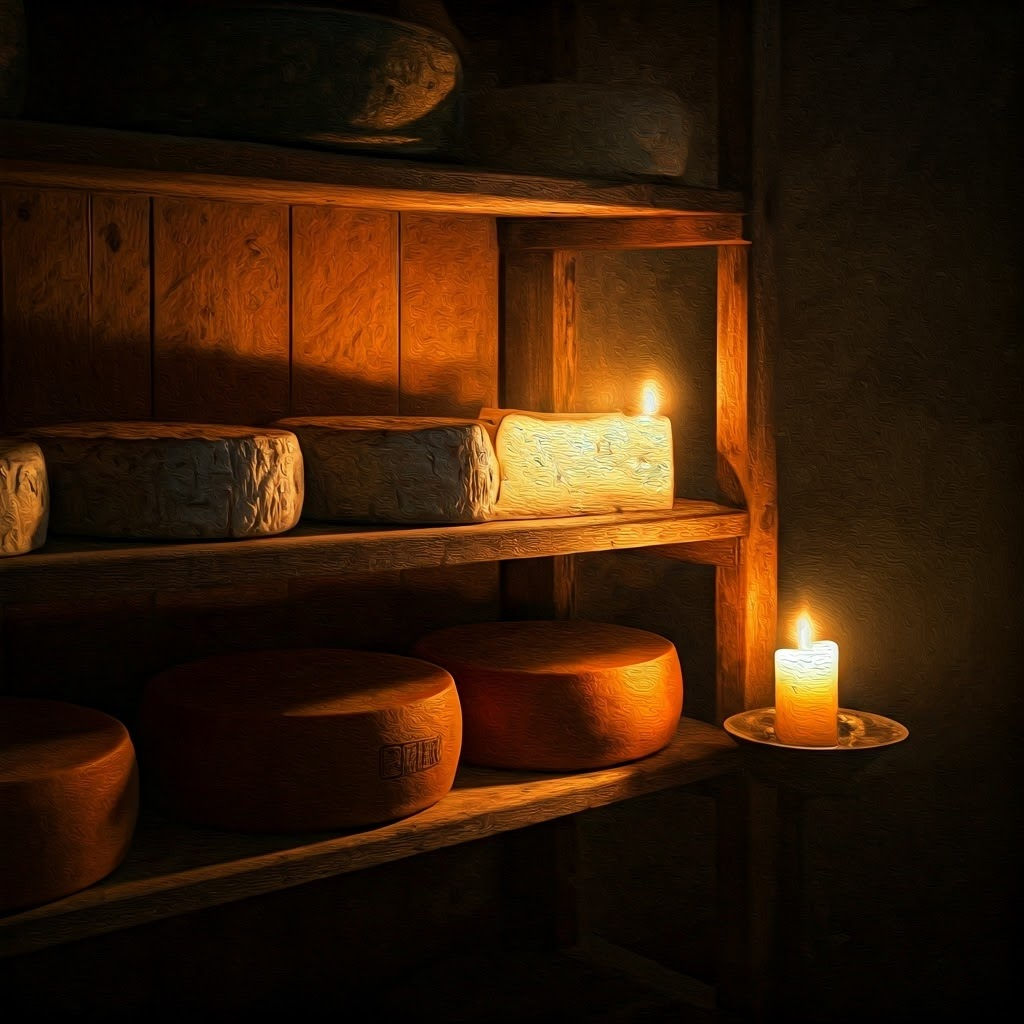
Certain molds, like Penicillium, break down proteins and fats to craft complex flavors in brie, blue cheese, miso, and tempeh. When used wisely, these molds elevate taste rather than spoil food.
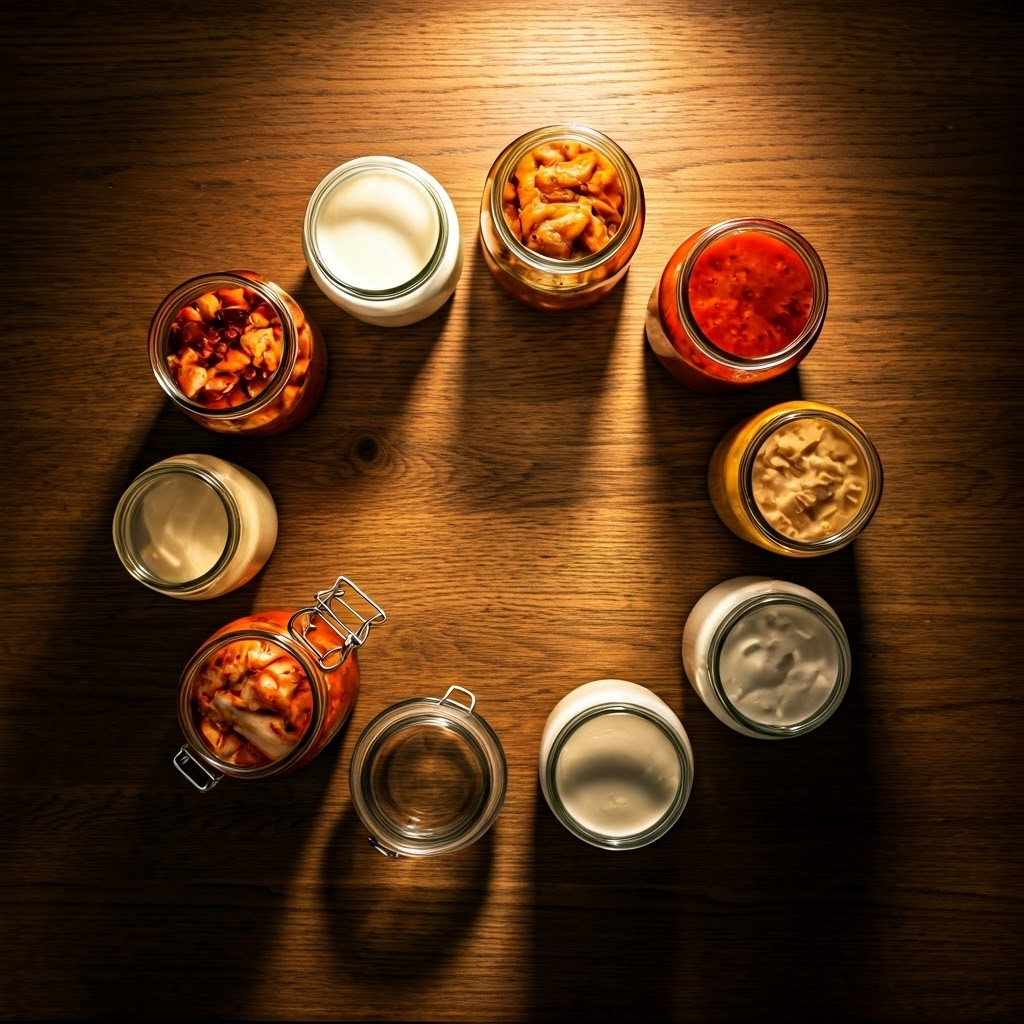
Picture your kitchen as a stage where bacteria, yeasts, and molds form unique ensembles. With basic knowledge, you invite the right team for each recipe.
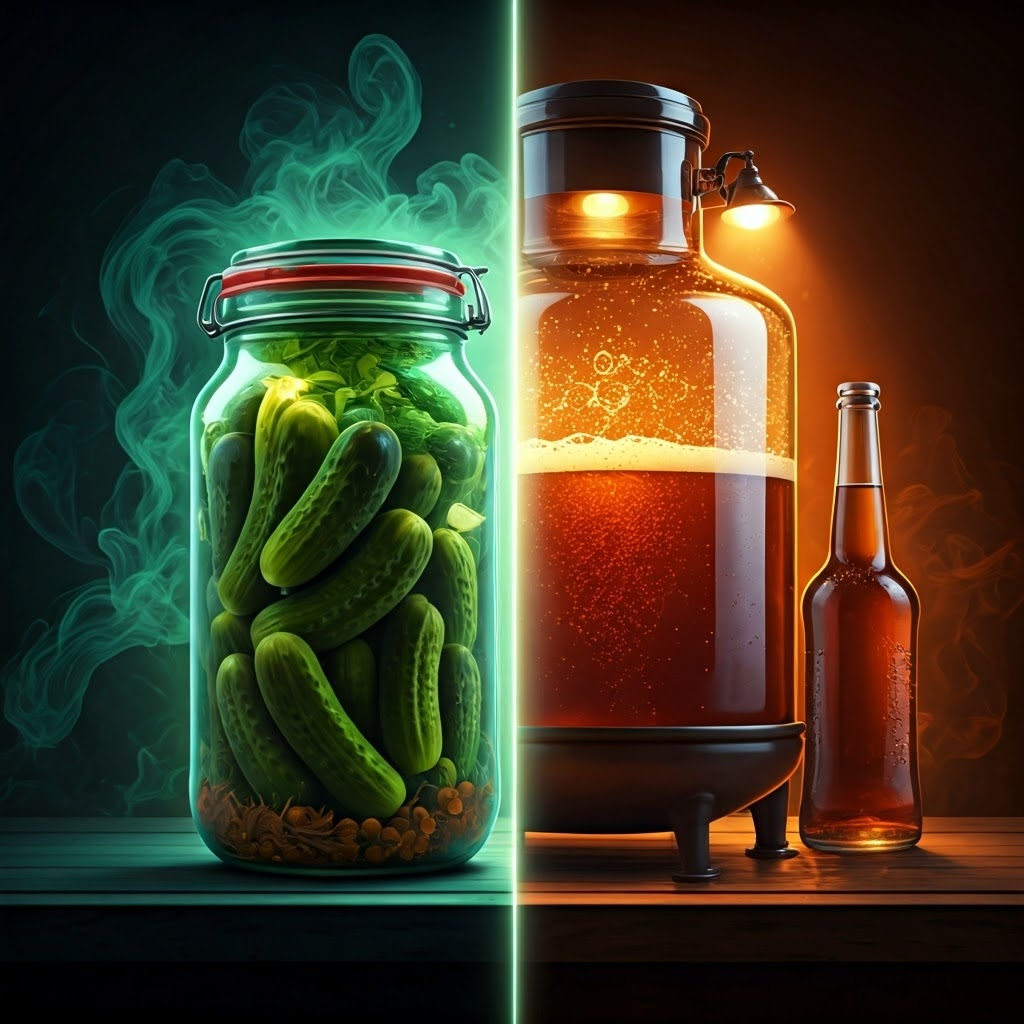
Lactic Acid vs. Ethanol: Two Paths to Flavor
Choose a path when you ferment. In the lactic acid route, bacteria turn sugars into lactic acid, preserving foods like kimchi, sauerkraut, yogurt, and pickles while adding a sour punch.
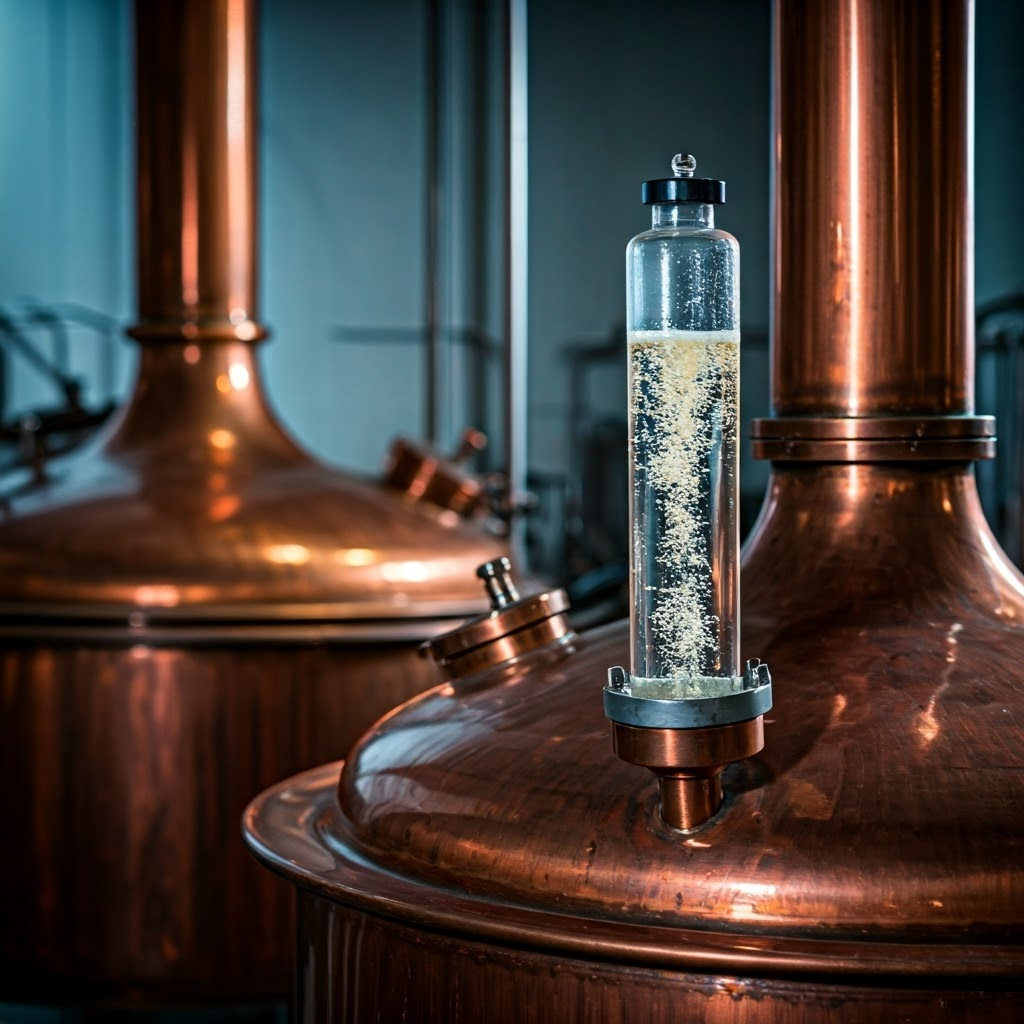
The ethanol route belongs to yeasts. They change sugars into ethanol and CO₂. CO₂ gives bread loft and beverages fizz, while ethanol adds flavor complexity and gentle aroma.

| Fermentation Type | Main Microbe | End Products | Examples |
|---|---|---|---|
| Lactic Acid | Lactic acid bacteria | Lactic acid | Kimchi, yogurt, pickles |
| Ethanol | Yeasts | Ethanol + CO₂ | Bread, beer, wine |

Sometimes both pathways operate together—as in sourdough—where bacteria and yeasts collaborate to craft rich flavor and light texture.

How Microbes Eat: Carbohydrates and Metabolism
Microbes crave carbohydrates. During glycolysis, they break glucose into smaller pieces and harvest energy.
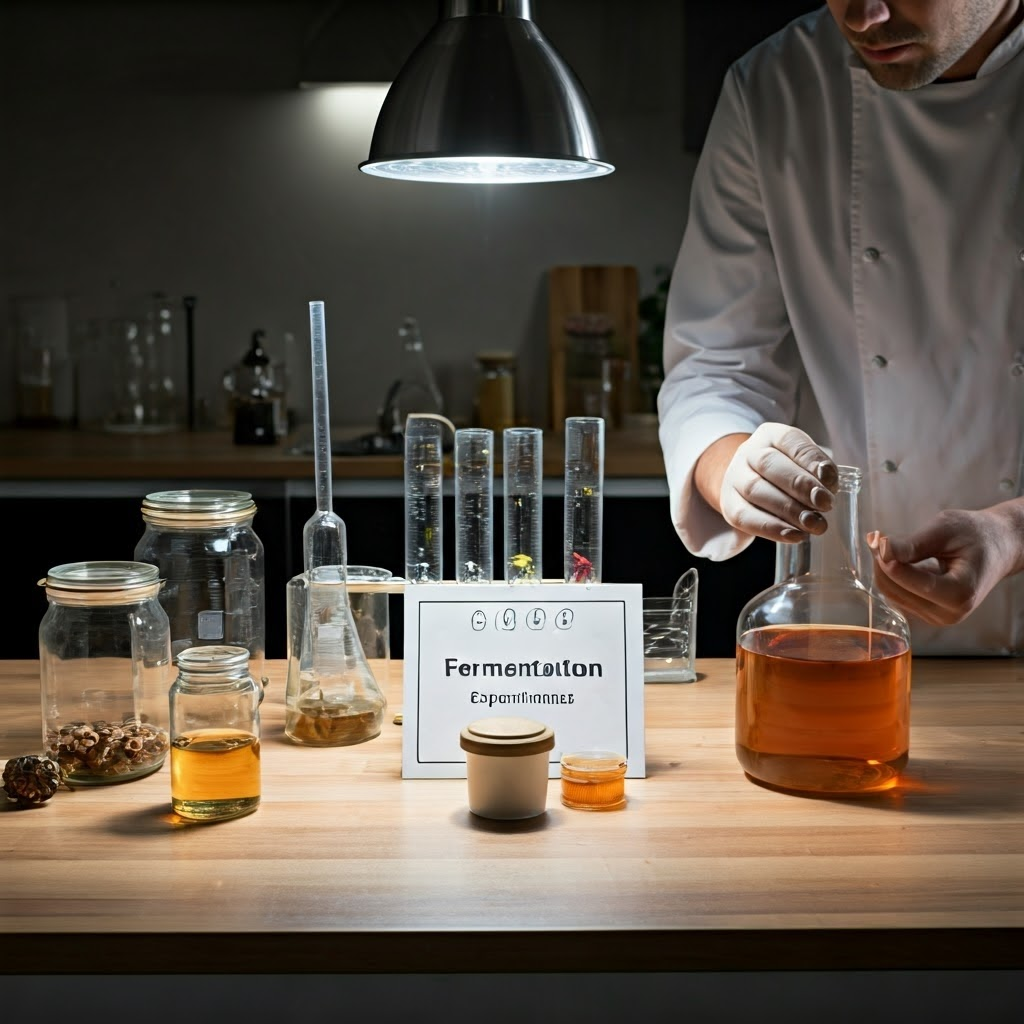
Without oxygen, microbes need another plan. Lactic acid bacteria convert glycolysis leftovers to lactic acid, while yeasts turn them into ethanol and CO₂. In bread, yeast-produced CO₂ lifts dough. In kimchi or yogurt, lactic acid sours and preserves. Master which microbe prefers which food, and you control each delicious, living experiment.
