

From Chessboards to Chatbots: The Journey So Far
Early AI asked programmers to list every step a computer should take. Researchers built tight rule books that told machines exactly what to do. This strict approach, called symbolic reasoning, handled clean logic well but missed the messy parts of life.
The Early Days: Rules, Logic, and Hopes
Expert systems—MYCIN is a classic—showed promise by diagnosing infections inside narrow boundaries. Hopes were high. People imagined programs that could master chess, solve math puzzles, and parse language, all by stacking more rules.

Rules soon met reality. Everyday situations hold endless exceptions, and no list could cover them all. Expert systems crumbled when faced with surprise. Optimism faded—writing rules for vision, speech, or conversation proved impossible at scale.

Learning to Learn: The Machine Learning Shift
In the 1980s and 90s a new plan emerged: let computers learn from examples. Instead of spelling out every feature of a cat, engineers fed thousands of photos and let algorithms discover the pattern. The idea mirrored how people recognize faces—seeing many, not memorizing measurements.

Email spam filters proved this approach worked. By studying past messages, the system spotted words, times, and senders that signaled junk. Machine learning handled tasks too fuzzy for rules, powering early translators and recommenders. Yet performance plateaued; photos and speech still stumped the models.

The Deep Learning Breakthrough: 2012 and Beyond
Everything shifted in 2012 at the ImageNet contest. Geoffrey Hinton’s team used deep neural networks and crushed previous records. Their model, AlexNet, learned from more than a million labeled images and cut error rates dramatically.

Three forces converged. Huge datasets supplied experience. Powerful GPUs sped training. Fresh training tricks squeezed more from each example. A neural network acts like layers of tiny yes-or-no experts—early layers see lines, later layers see eyes, final layers shout “cat.”

Deep learning unlocked rapid gains. Suddenly computers recognized objects, understood speech, and crushed video-game scores. Instead of rules, modern AI thrives on large-scale data learning, bringing voice assistants, instant photo tags, and chatbots to everyday life.
Cultural Shift: From Fringe to Mainstream
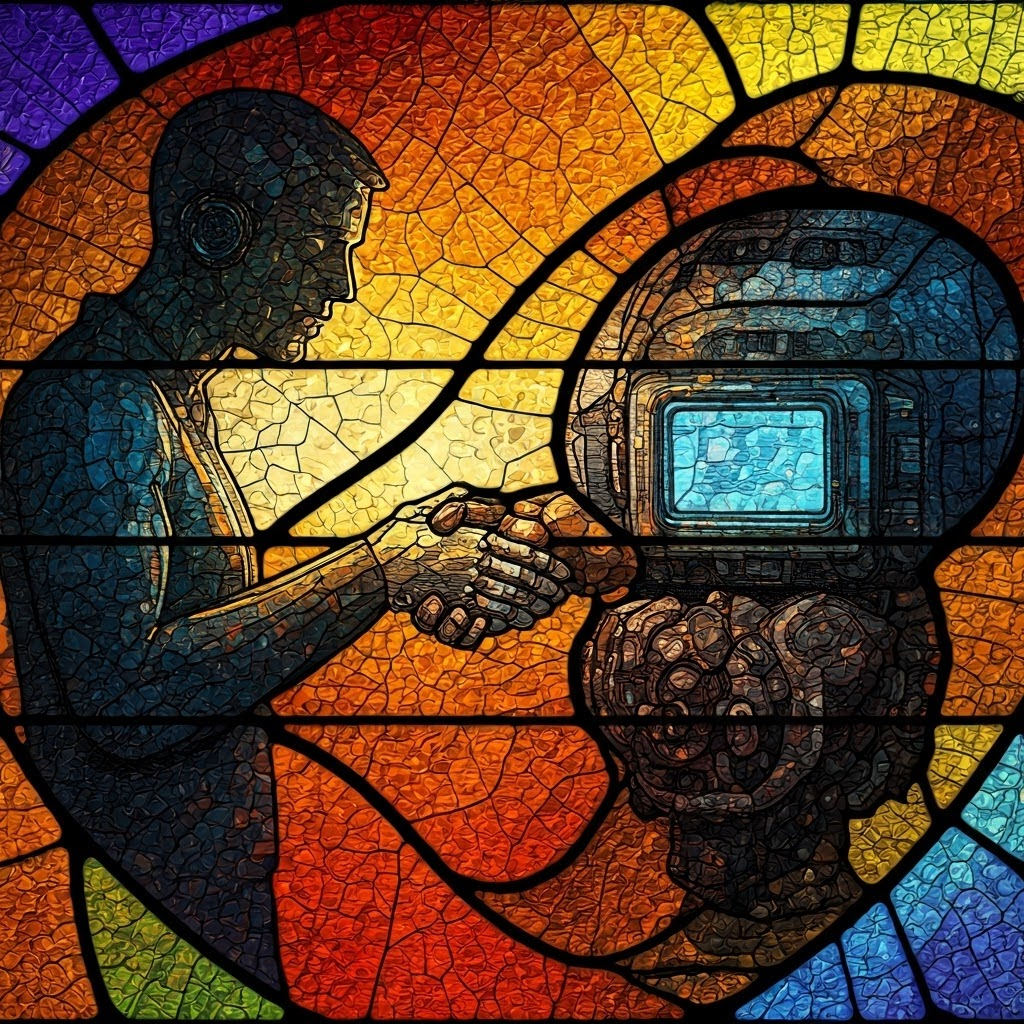
AI left the lab after 2012. Tech giants raced to weave it into phones, cameras, and social feeds. Invisible algorithms shaped timelines and photos while most users never noticed. Progress looked sudden, but it grew from decades of small advances made practical by data and hardware.
Why This Story Matters
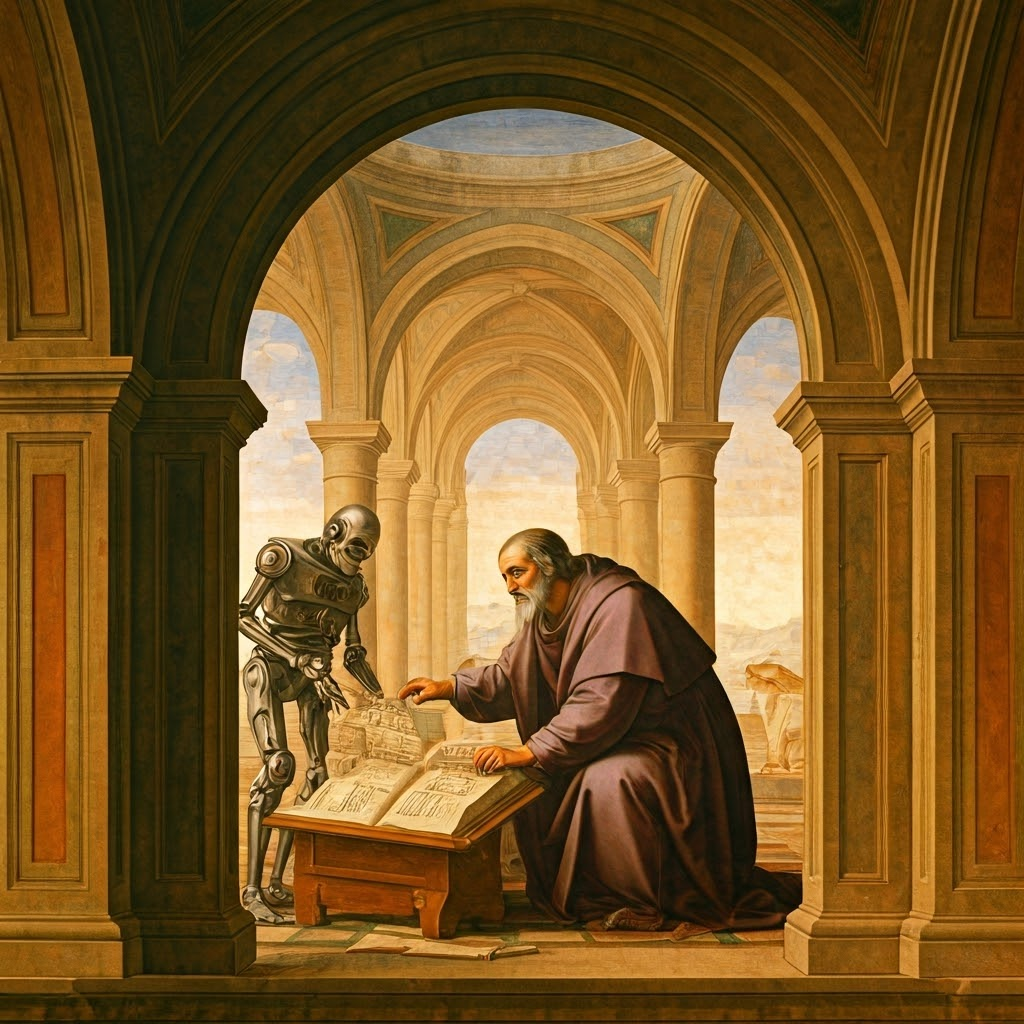
Seeing the path clarifies why AI works today. It is not magic and it is more than strict rules. Modern systems learn from experience, improve through mistakes, and adapt to new tasks. The move from rigid chessboards to flexible chatbots shows how patience, data, and clever ideas finally fused to create useful intelligence.
