
Wires, Waves, and the First Global Messages
Flags, Towers, and the Art of Signaling
Before we mastered electricity, the fastest message moved with a galloping horse or a billowing sail. In late-1700s France, a chain of semaphore towers let Paris warn distant cities within minutes, not days.
Claude Chappe designed these tall wooden structures with pivoting arms that formed coded shapes. Operators watched through telescopes, copied the pattern, then swung their own arms to pass the code along.
Clear skies meant messages could travel almost 150 miles in minutes. Fog or night halted everything, yet the system still felt revolutionary. Britain built a shutter version to spot naval threats, and for decades these lines formed the nervous system of armies and governments.
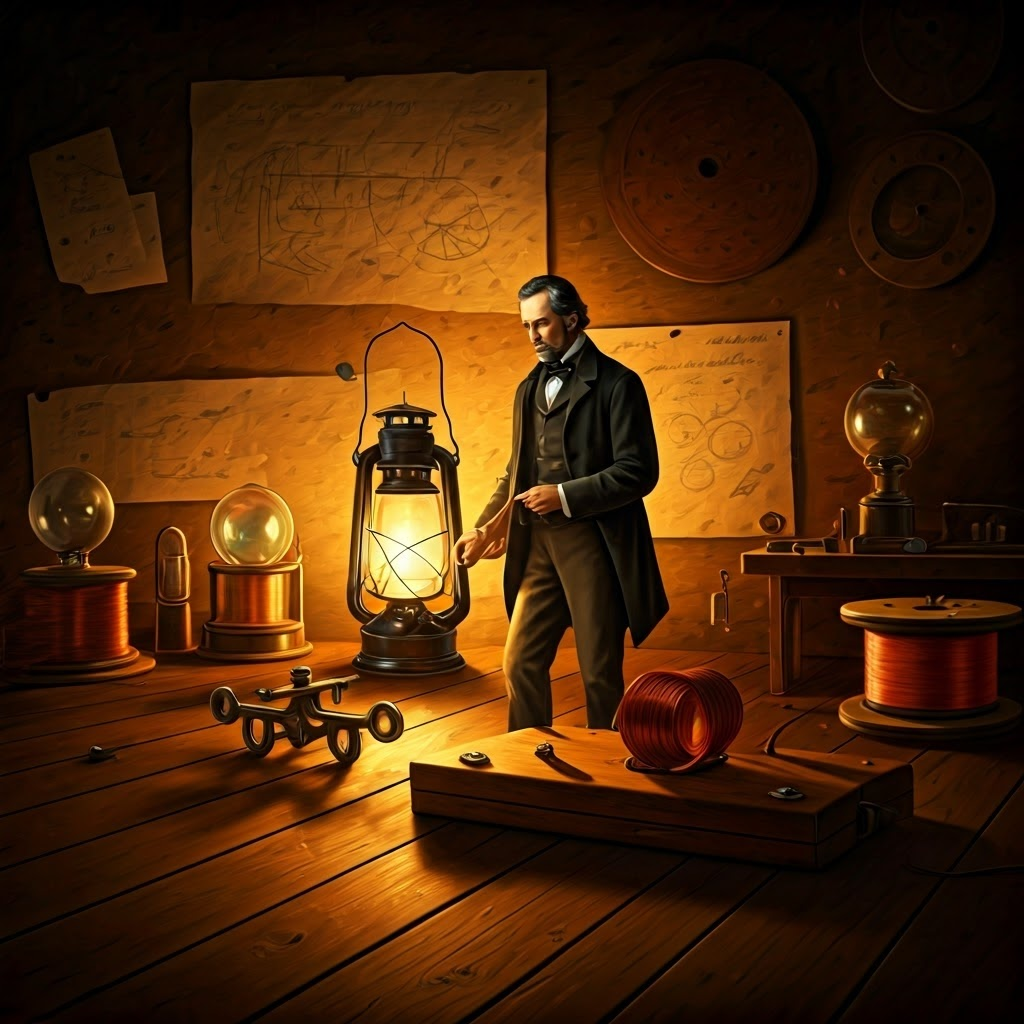
Morse Code: The First Digital Language
The real leap arrived when signals raced through wires instead of open air. Samuel Morse turned letters into short and long pulses—dots and dashes—that zipped along metal lines. A single dot meant E, one dash meant T, and so on.
By 1844 a wire linked Washington, D.C., to Baltimore. The first transmitted words, “What hath God wrought,” signaled that the world had changed. Messages now covered hundreds of miles instantly, unfazed by weather or distance.
Newsrooms grabbed fresher scoops, traders issued rapid orders, and friends swapped updates in a flash. America suddenly felt smaller, though each telegram stayed brief because every word cost money.
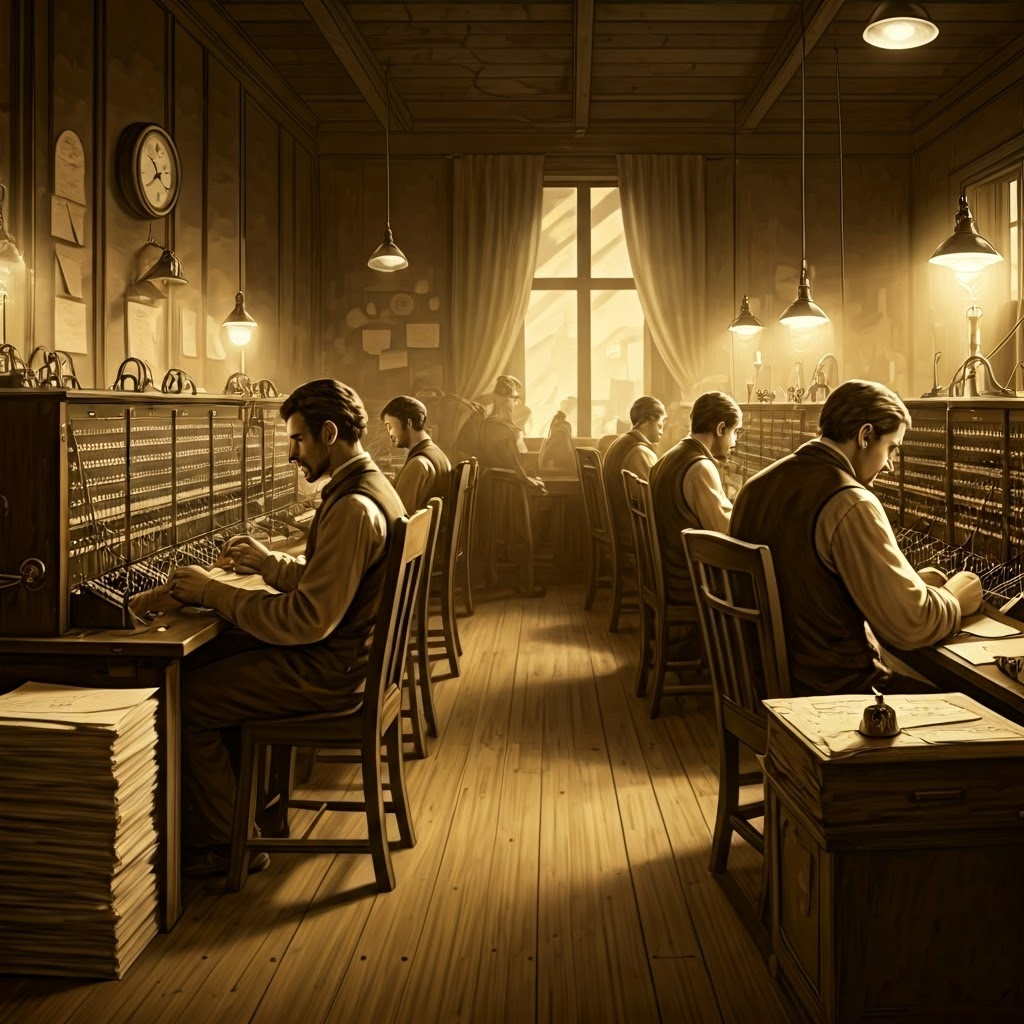
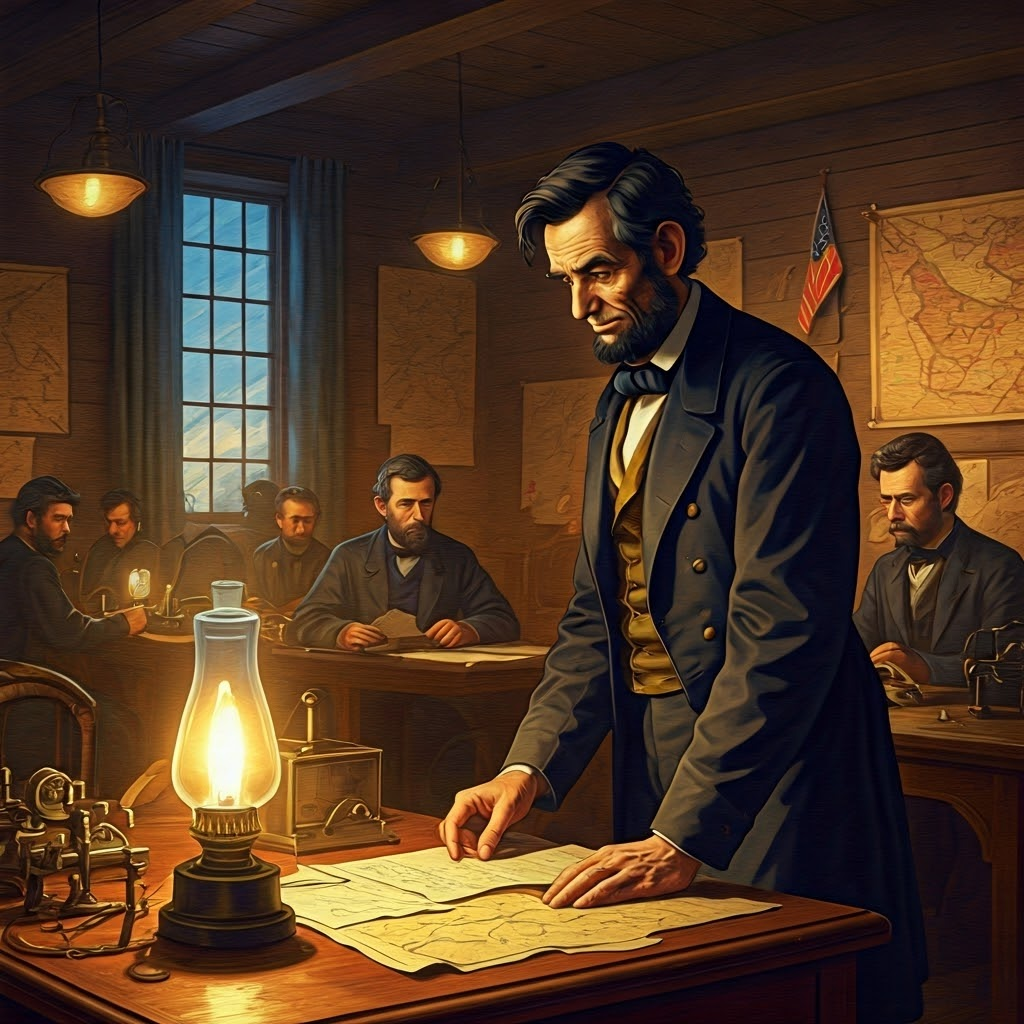
During the American Civil War, President Lincoln spent long nights in the telegraph room, tracking battle reports almost in real time. Waiting weeks for news was quickly becoming history.
Under the Sea: Submarine Cables Connect Continents
With land conquered, inventors eyed the oceans. Laying a single cable across the stormy Atlantic felt impossible. Early attempts in the 1850s snapped or failed within days.
Persistence won. In 1866 the giant ship SS Great Eastern finally stretched a working line from Ireland to Newfoundland. News that once needed weeks by steamship now crossed the Atlantic in minutes.
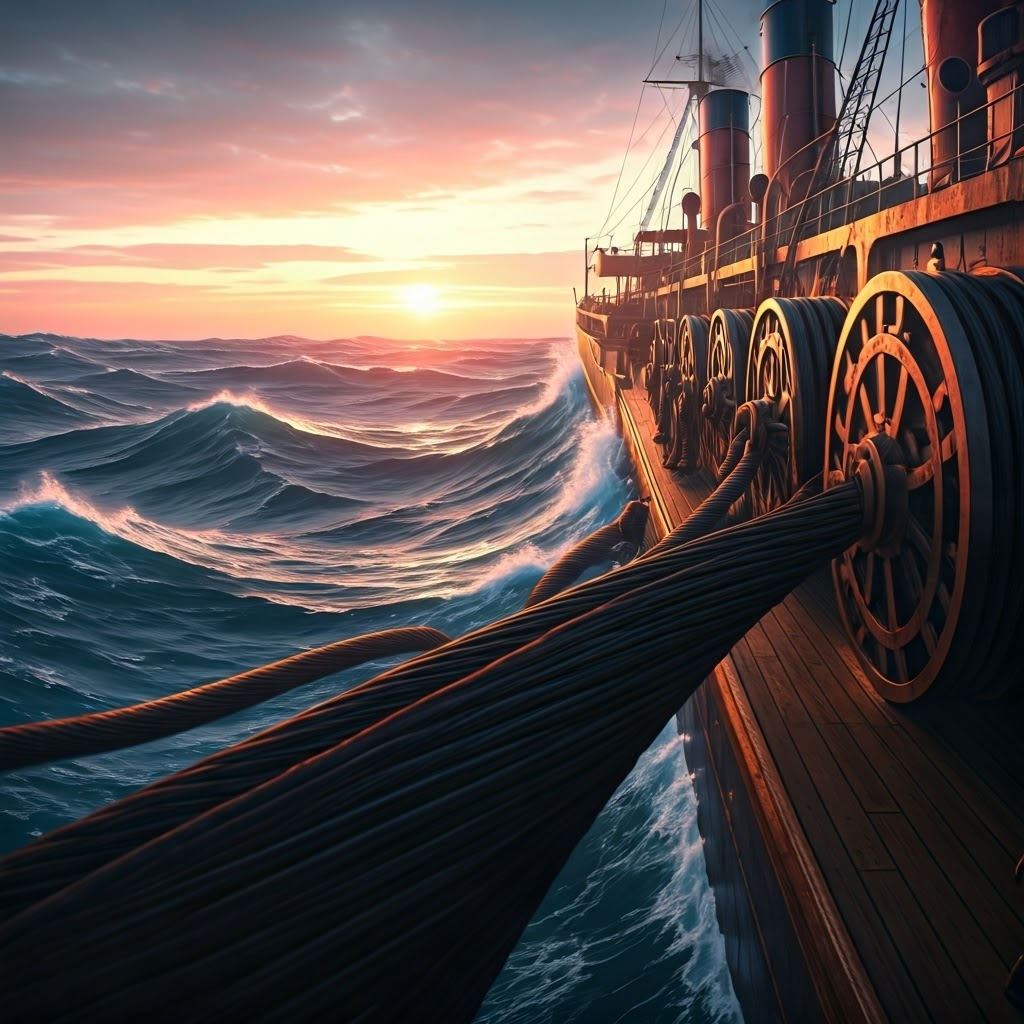
Improved insulation—gutta-percha sap wrapped in steel wires—let the cable survive crushing depths. Operators listened for faint clicks, the Morse dots and dashes traveling thousands of miles beneath the sea.
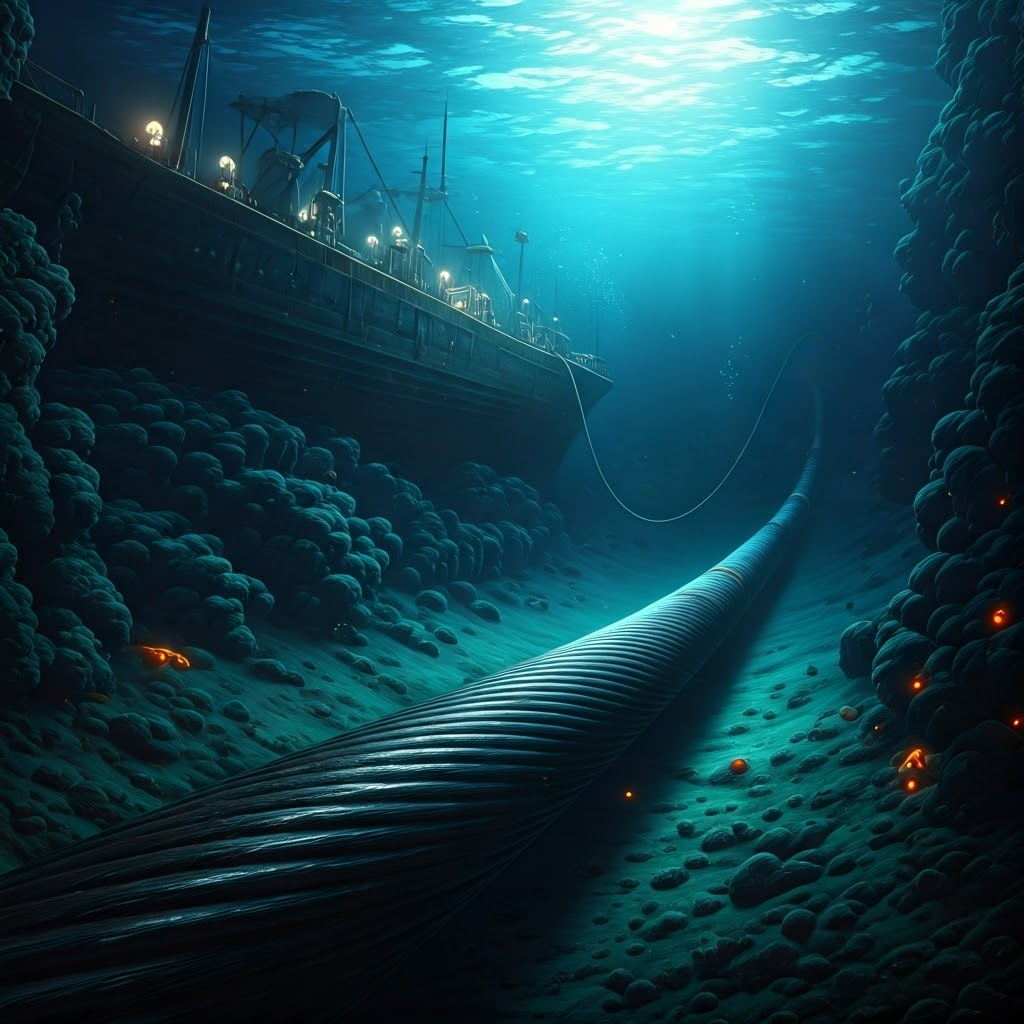
Submarine lines rewired diplomacy, finance, and family life. London and New York markets synced, and newspapers could finally report world events as they happened—the birth of a global news cycle.
The backbone of today’s internet still follows those pioneer routes, proof that the first global web began with gutta-percha and iron, not fiber optics.
From Distance to Connection
Semaphore arms, Morse keys, and bold undersea cables each shrunk the planet. News, emotions, and decisions started moving at the speed of technology instead of muscle. That sense of wonder lives on every time a meme flashes across three continents in a blink.
