
The First Switches: How Cells Decide What Genes Say

Why Genes Need Rules
Imagine your home. If you switched on every light and appliance at once, you would waste power, overheat the place, and probably blow a fuse. Cells face the same challenge with their many genes.
Cells carry thousands of instructions for making proteins. If they ran them all nonstop, they would flood themselves with unused products and drain vital resources.
Most of the time a cell needs only a few genes active, like turning on lights in rooms you actually use.
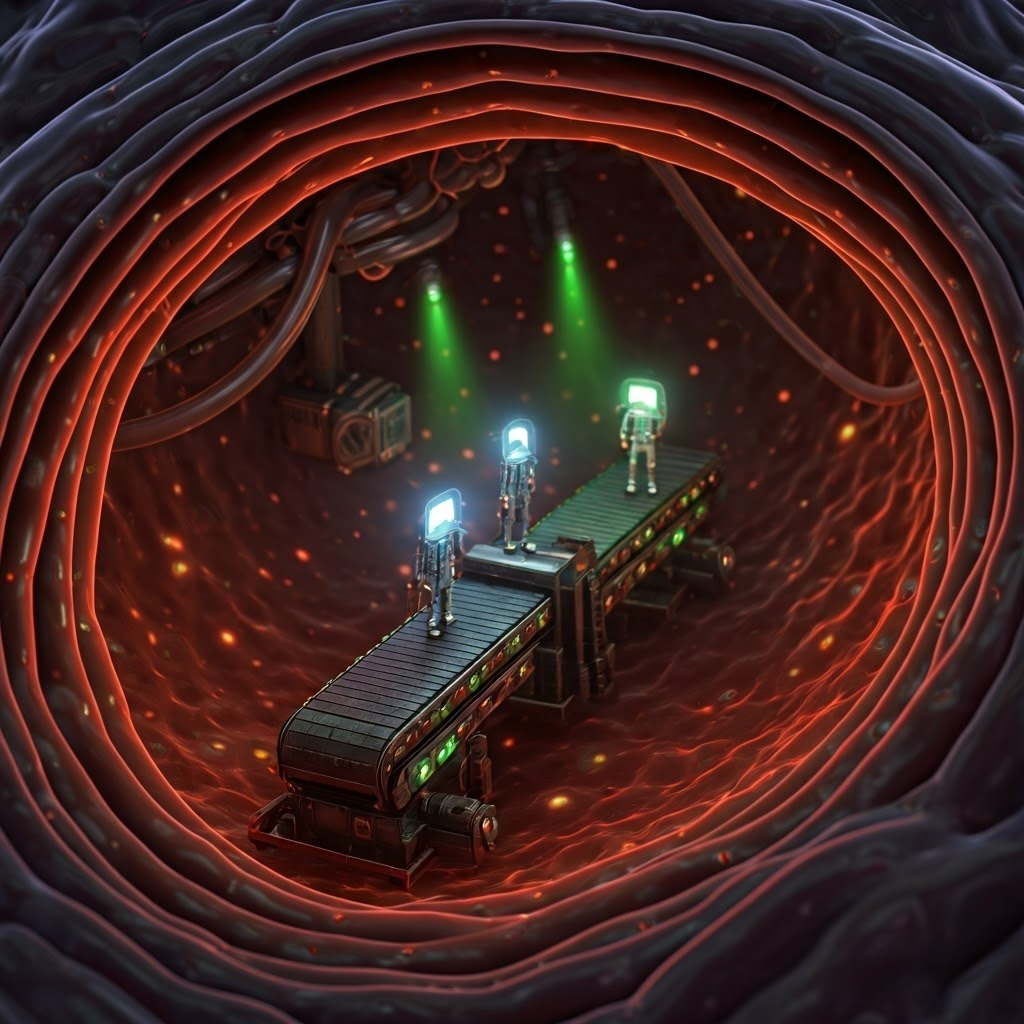
Gene regulation is the art of choosing which instructions to read and when. Bacteria excel at this skill because they live in shifting environments and must conserve energy.
Selective switching also explains why your muscle, brain, and skin cells look different, even though they share the same DNA code.
Without tight control, things go wrong fast. A bacterium that builds sugar-processing tools when no sugar is around wastes precious fuel.
In humans, broken switches can trigger diseases like cancer, where cells act as if no rules apply.
The Lac Operon: A Classic Control Panel
In the 1950s François Jacob and Jacques Monod asked how bacteria manage their switches. They focused on E. coli, a gut bacterium that loves the milk sugar lactose.
E. coli makes lactose-processing tools only when lactose is present. The key is the lac operon—a DNA stretch that groups related genes under one master switch.
When lactose is absent, a protein called the repressor parks on the DNA and blocks the reading machinery.
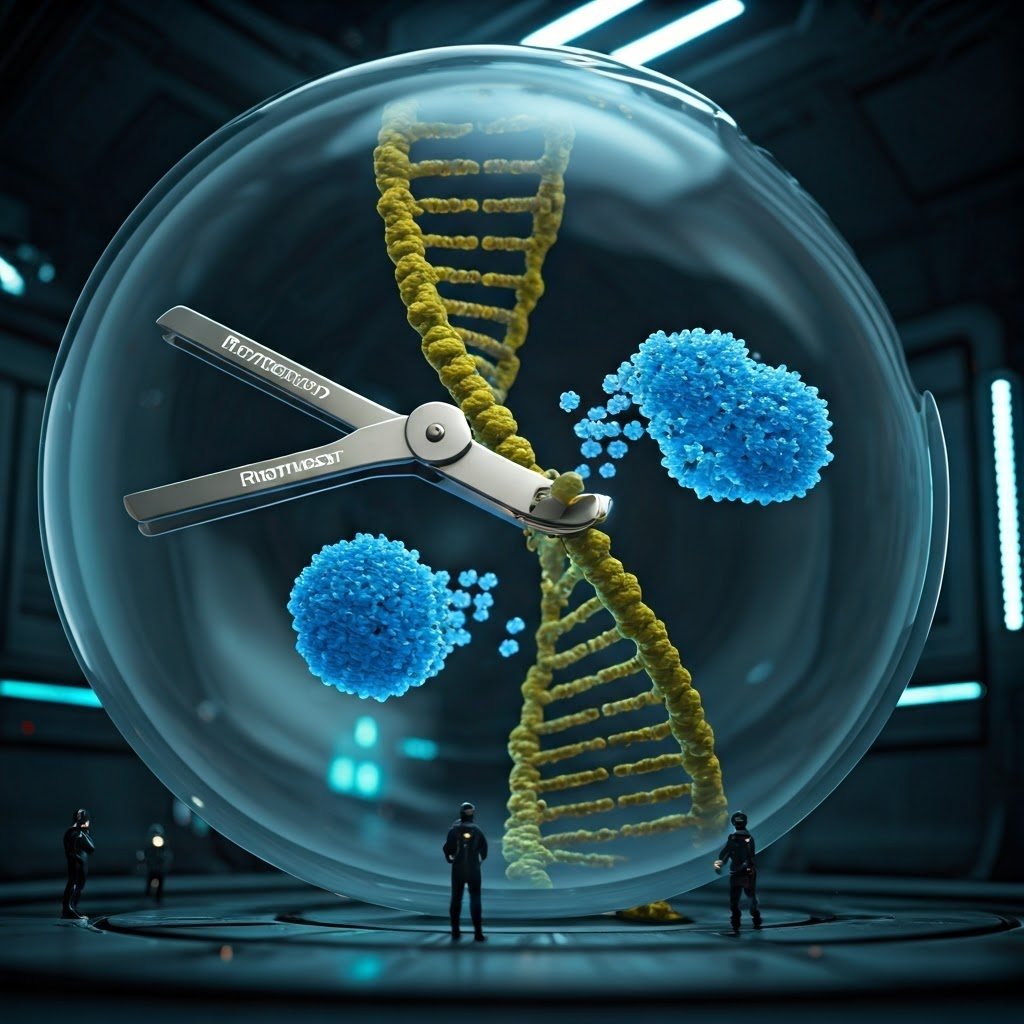
Lactose entering the cell binds the repressor. The clamp falls off, the path clears, and the cell quickly builds lactose-processing enzymes. When lactose vanishes, the repressor snaps back—switch off, waste avoided.
Jacob and Monod proved this with clever mutants whose switches were stuck on or off. Their work earned a Nobel Prize and turned the operon model into a biology landmark.
Switches in Action: Other Operons and Simple Controls
The lac operon is not alone. Bacteria carry many operons fine-tuned for quick survival decisions.
The trp operon halts tryptophan production when plenty of that amino acid already exists—like a bakery that stops when shelves are full.
The ara operon handles arabinose, and the gal operon tackles galactose. Each follows the same rule: do the job only when needed, saving cellular effort.
Some switches act as simple toggles. Others work like dimmers, raising or lowering gene activity to match conditions.
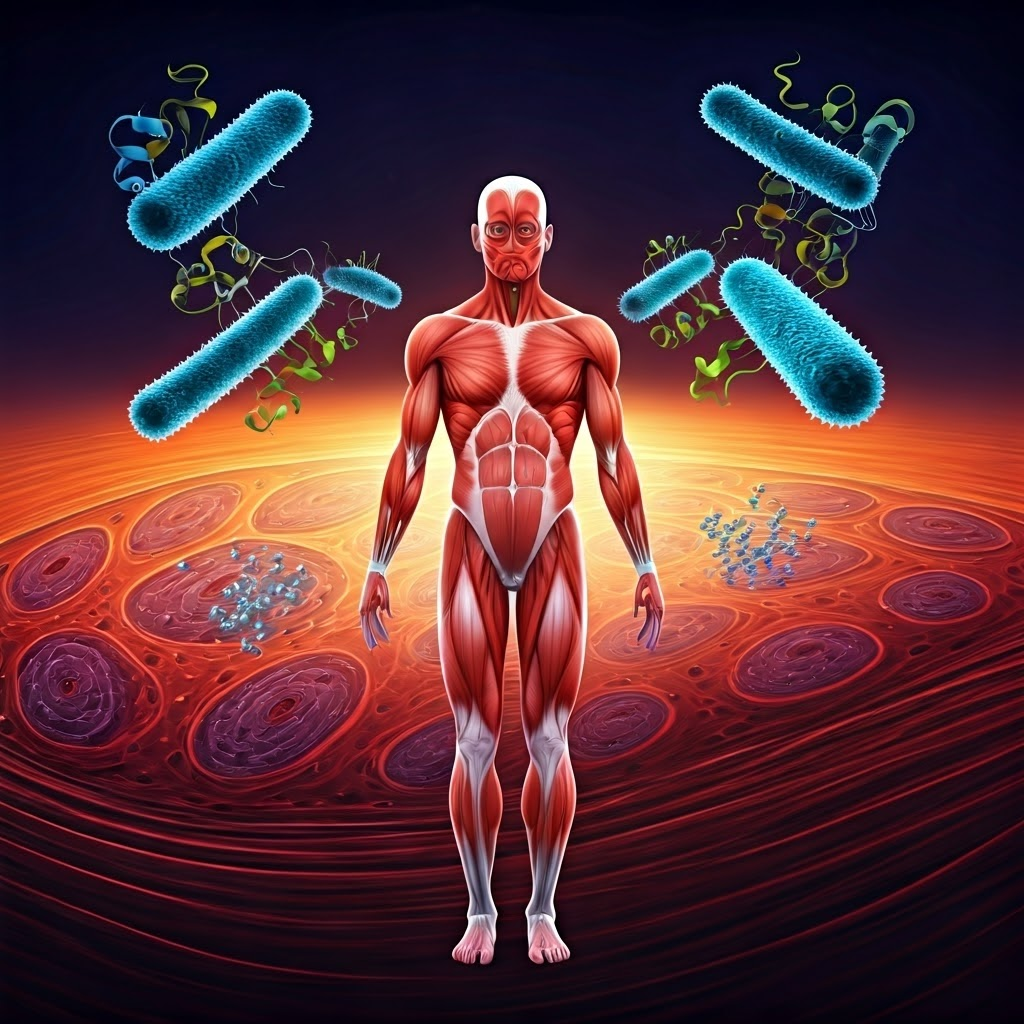
You find this logic everywhere. Soil bacteria turn on antibiotic defenses only when toxins appear. Some switches sense inside signals; others answer cues from the outside world.
These simple gene switches—first seen in bacteria—set the stage for complex life. Human cells still rely on the same core ideas: proteins that block or open DNA, tuning activity up or down, and responding to real-time needs.
From breakfast-surviving microbes to your own coordinated cells, it all comes down to knowing when to speak up and when to stay quiet—using resources wisely across every form of life.
