
Why Trust Is Broken: The Messy World of Supply Chains

Supply chains seem straightforward, yet they often crack under pressure. A product moves through growers, packers, shippers, and stores. Trust keeps each handoff smooth. When that trust slips, small errors ripple into big costs.
The Journey of a Lettuce: What Could Go Wrong?
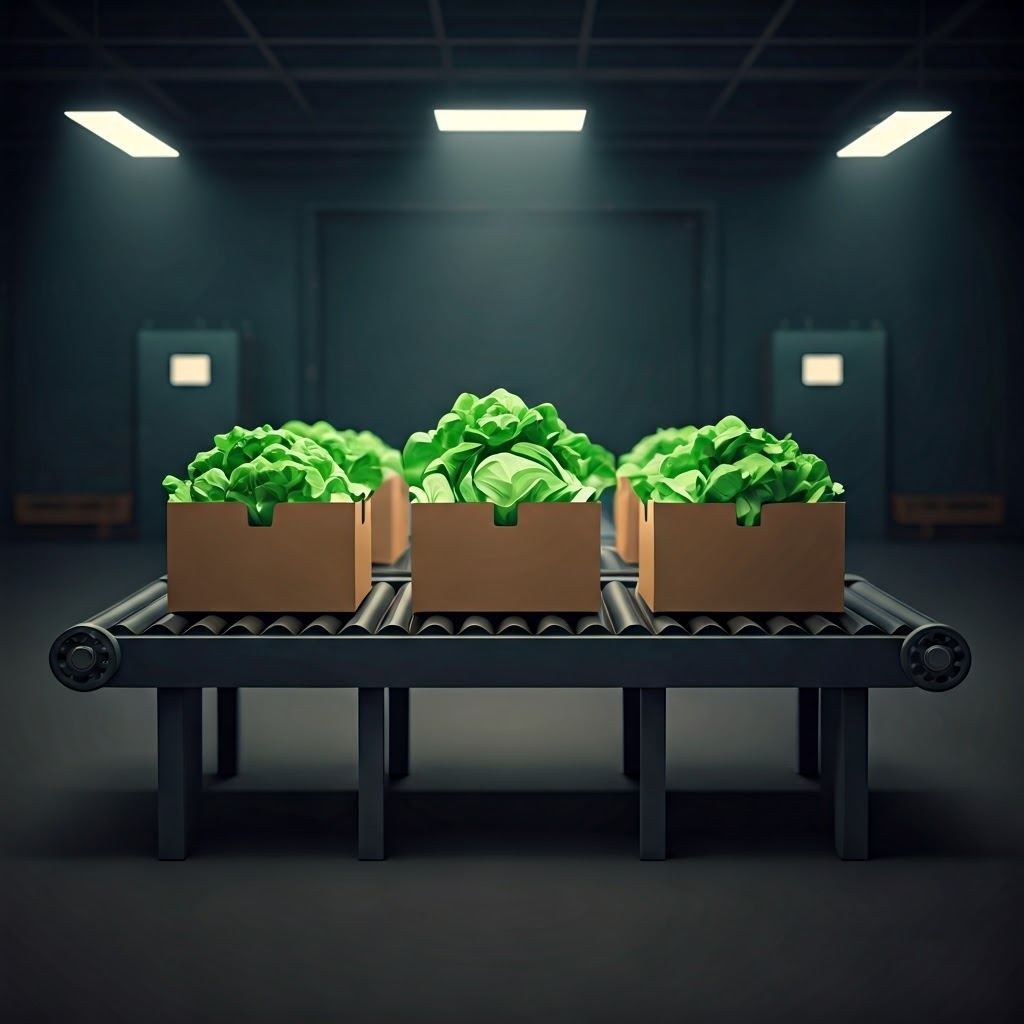
A lettuce heads out before sunrise. It’s boxed, labeled, and shipped. One forgotten pallet in the sun can ruin the lot. Another grower’s cheaper lettuce might slip in unnoticed. Each step offers a fresh chance for spoilage or swap.
A shipment may vanish or get replaced. Wrong dates or stickers hide mistakes. During an E. coli scare, tracing the source may burn weeks and millions, unfairly punishing careful farmers.
Sneakers, Diamonds, and the Problem of Fakes

Fake sneakers flood markets. Some copies look perfect and slide into official channels when a distributor ignores checks. For diamonds, provenance defines value; forged papers erase that promise. Even tiny swapped chips can cripple high-end electronics.
Counterfeiting is often dull and routine. A truck detours, goods switch hands, or a new barcode covers the truth. The chain stays only as strong as its weakest link.
Why Can’t We Just Trust the Labels?
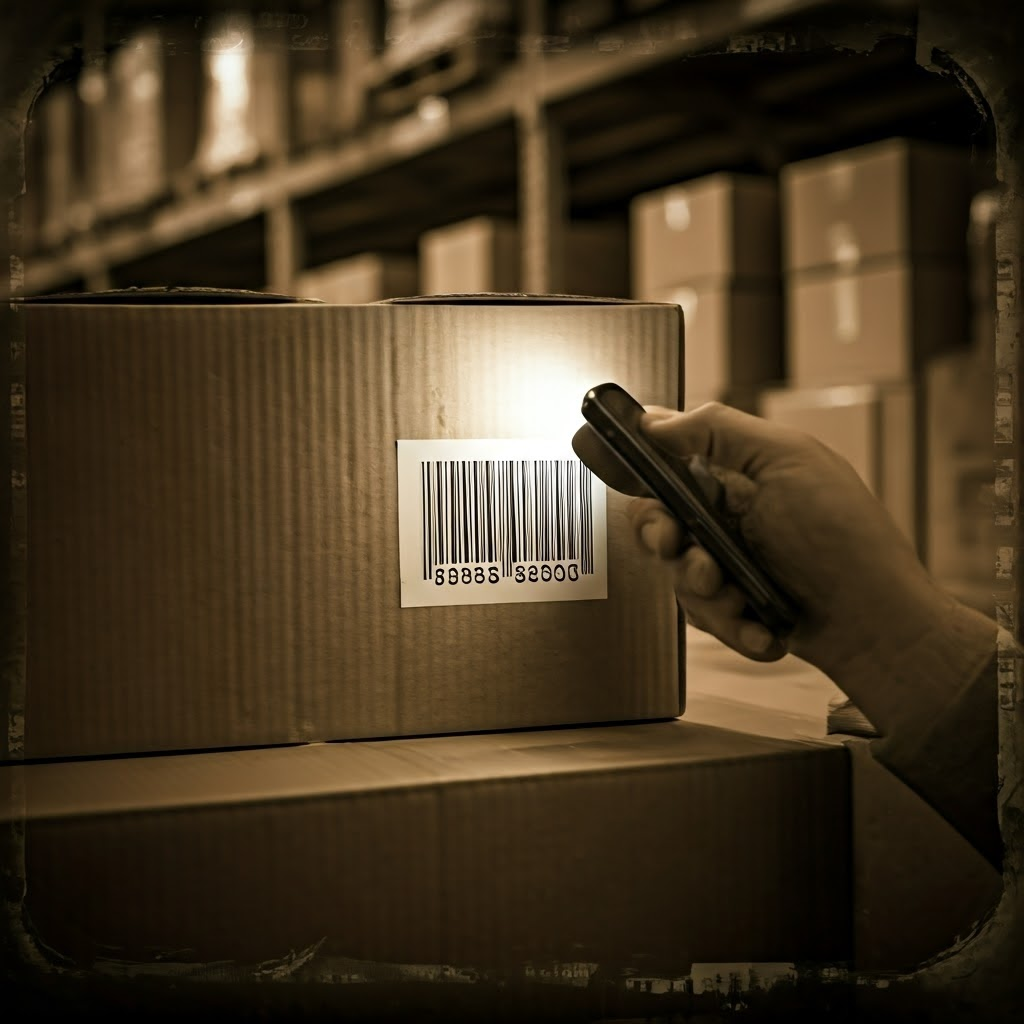
Most tracking still relies on paperwork. Labels and barcodes record what suppliers claim, not what really happened. Anyone along the way can alter data, and typical systems rarely verify each change in real time.

Traditional tools fail to spot errors quickly. A misrouted pallet or hot warehouse stay may stay hidden until sickness or recalls strike. The 2008 tainted milk crisis in China showed how forged documents can harm thousands before detection.
When Trust Breaks Down: Why It Hurts Us All

Today’s buyers expect clear origins and safe products. When supply chains fall short, fallout ranges from food recalls to counterfeit airbags. Broken trust disrupts lives and businesses alike. Until each item’s story is clear and complete, confidence will remain fragile.
