
The Sweet Science: What Happens When Sugar Meets Heat?
Meet Sucrose: The Star of the Show
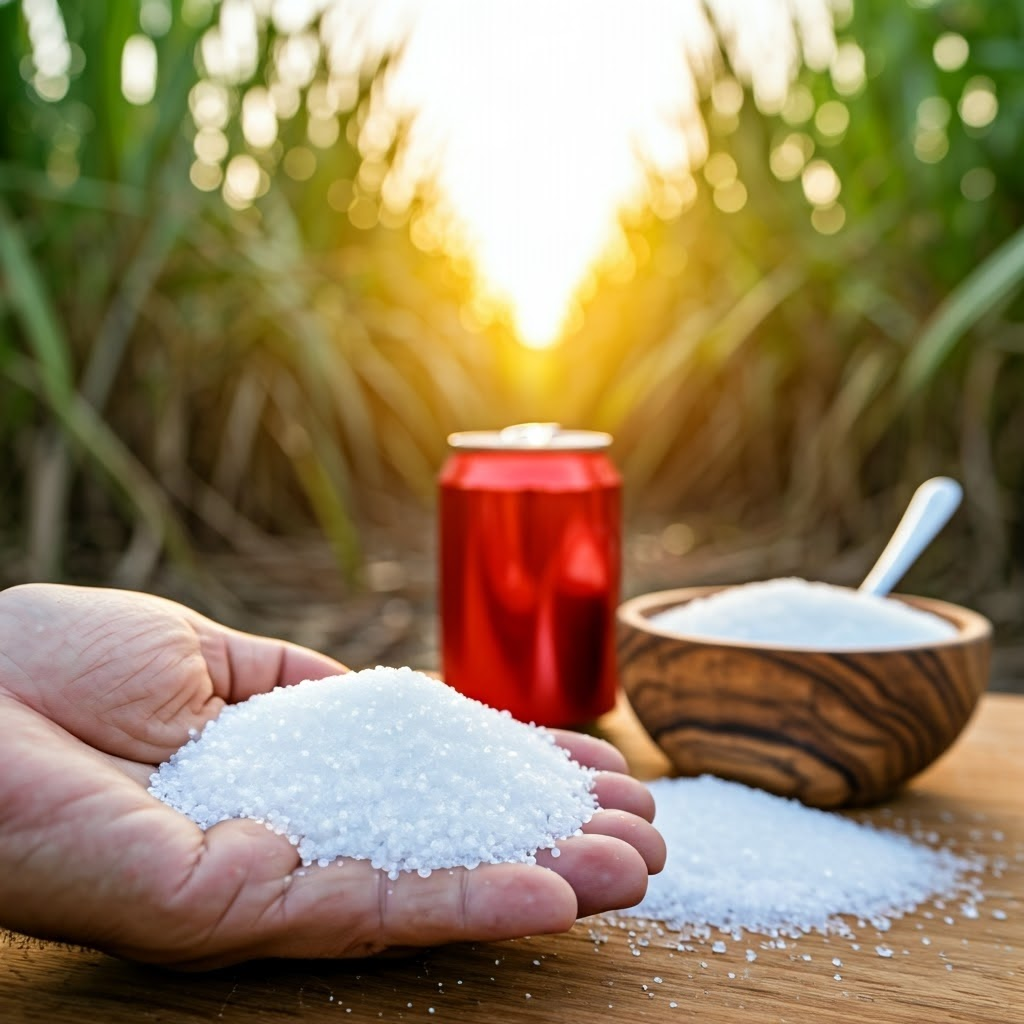
Table sugar is something you scoop into coffee or find hidden in soda, yet few people think about what it is. Chemists call it sucrose, a molecule that links one glucose and one fructose unit. Farmers pull tons of it from sugarcane and sugar beets every year.
Candy makers love sucrose because it tastes clean, dissolves quickly, and transforms when warmed. Tear a marshmallow, chew a caramel, or crunch a peppermint—the sweetness starts with sugar’s unusual behavior under heat.
Turning Up the Heat: How Sugar Changes
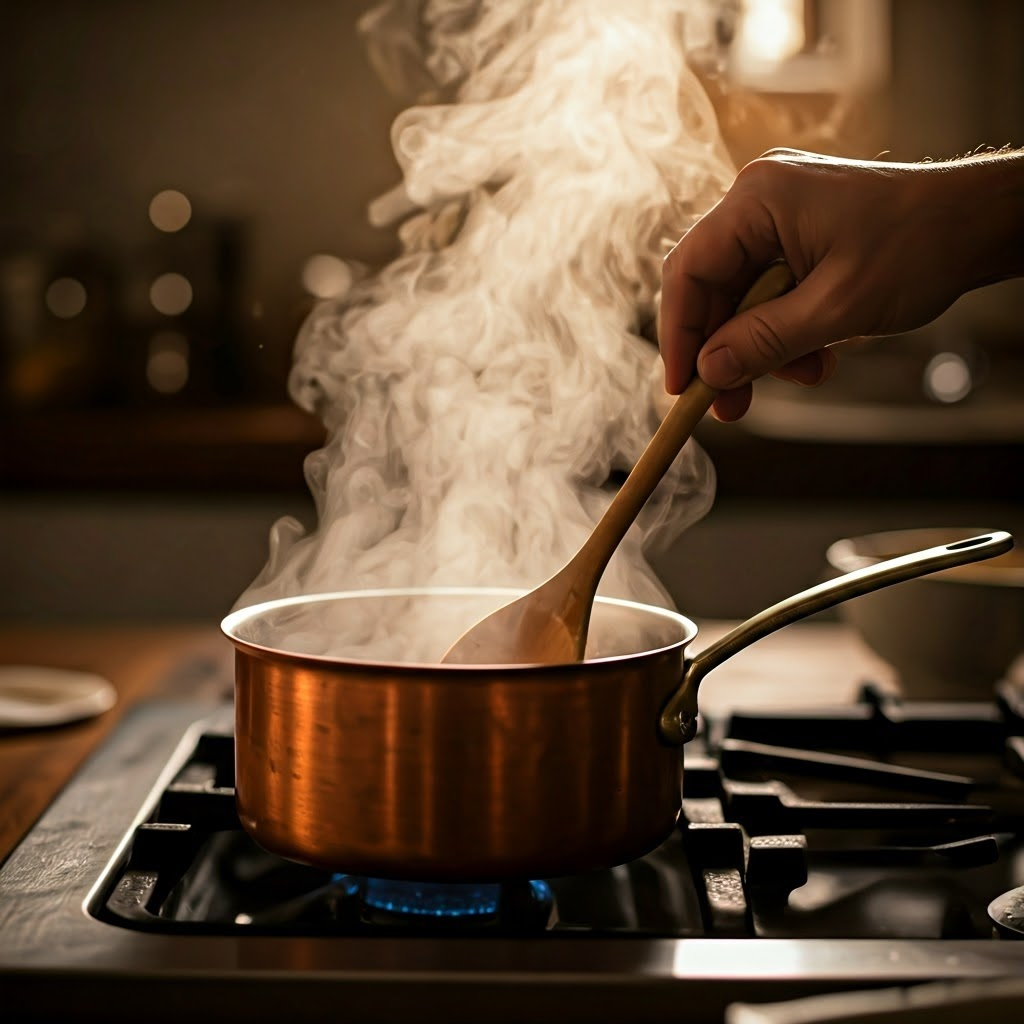
Add sugar to water, stir, and warm gently. The crystals vanish, creating a clear syrup. Nothing dramatic yet, but the stage is set.
Keep heating. Water escapes as steam, so the syrup thickens and climbs above water’s boiling point. Dissolved sugar holds water molecules back, letting temperature rise steadily.
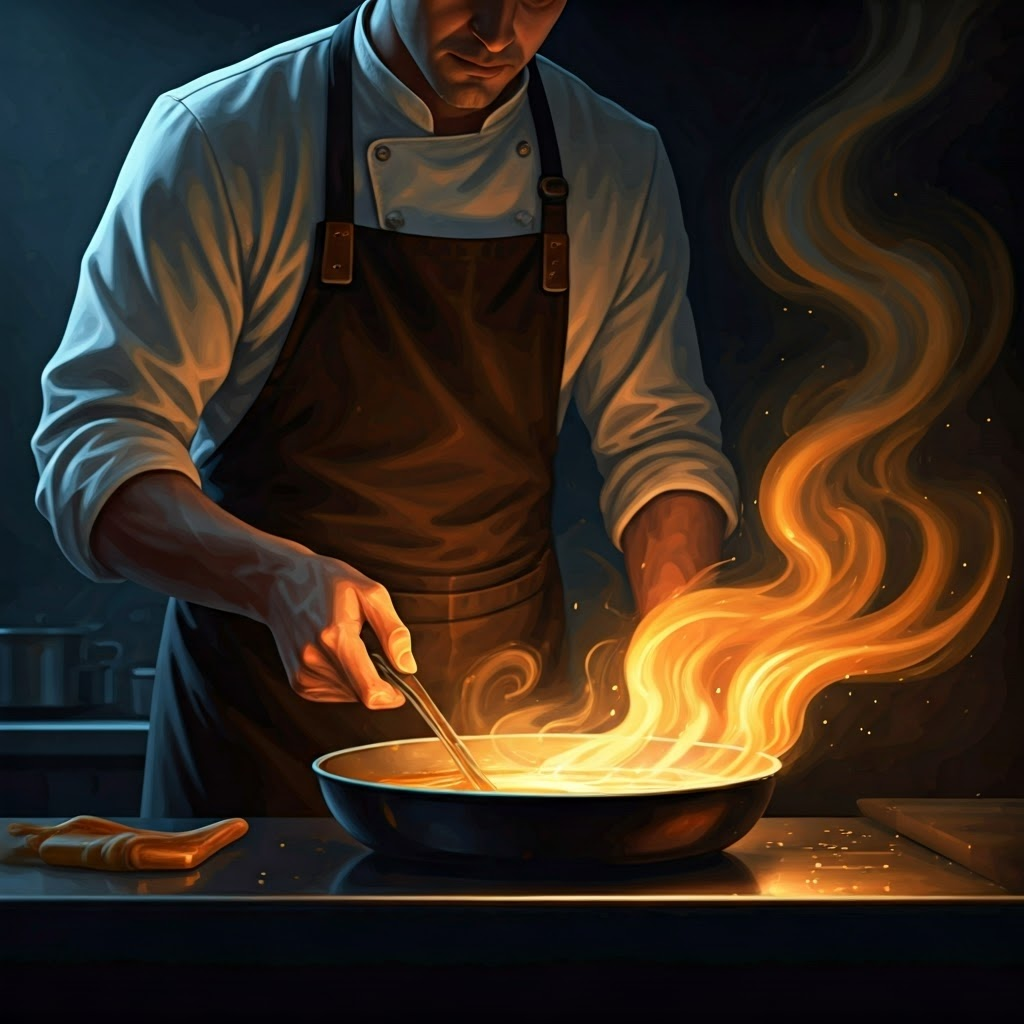
When the thermometer touches about 160 °C / 320 °F, dry sugar melts into a clear, sticky liquid. Push the heat further and warm-toast aromas drift up. Soon you smell butterscotch, then deeper notes. This is caramelization—sucrose breaks apart, forming hundreds of flavorful compounds and rich color.
Go too far and the mixture burns, turning harsh and bitter. Each notch on the scale brings new taste, shade, and texture, so steady control matters.
Crystals or Glass? The Two Faces of Sugar
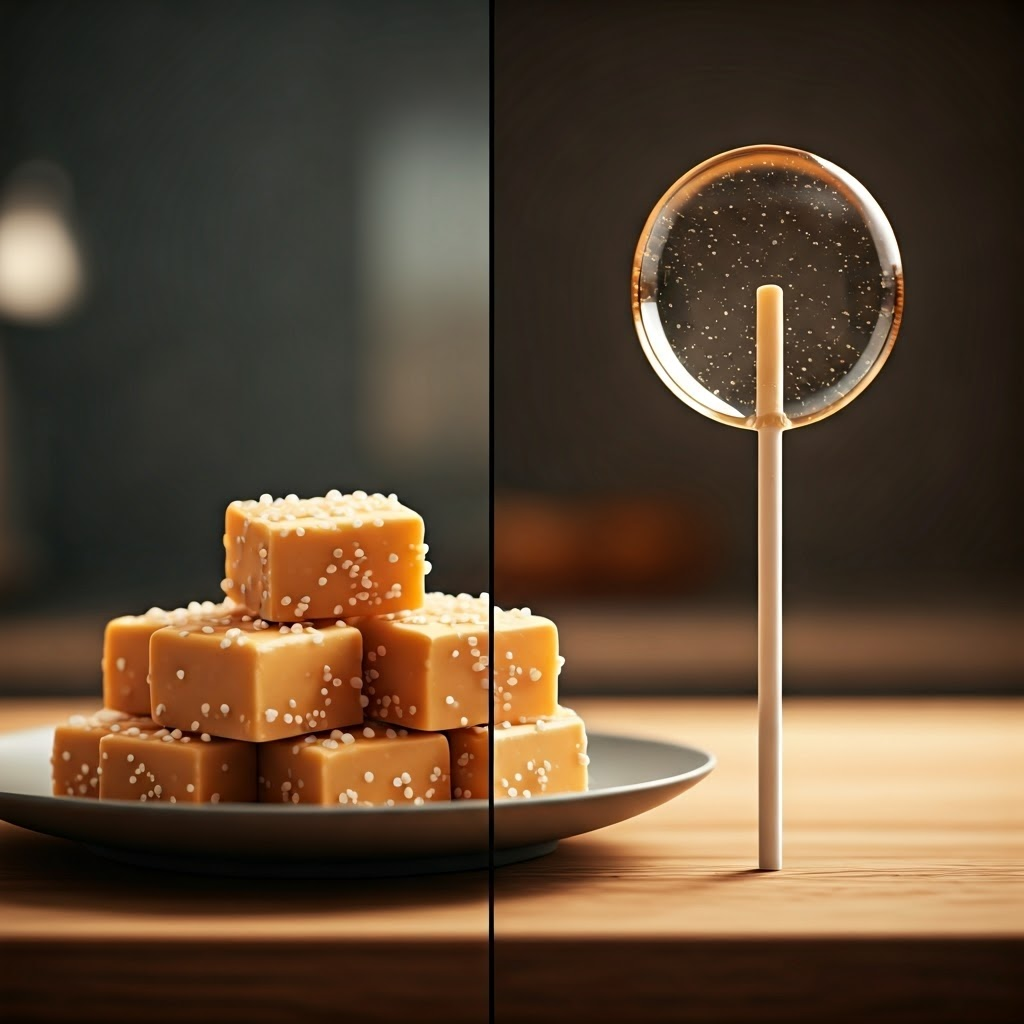
Cool sugar slowly and the molecules snap into tidy, repeating patterns. This crystallization gives fudge its fine, sandy bite.
Cool it fast and crystals never form. The syrup freezes in place, creating a clear, brittle glass like a lollipop. Toffee and brittle rely on this texture.
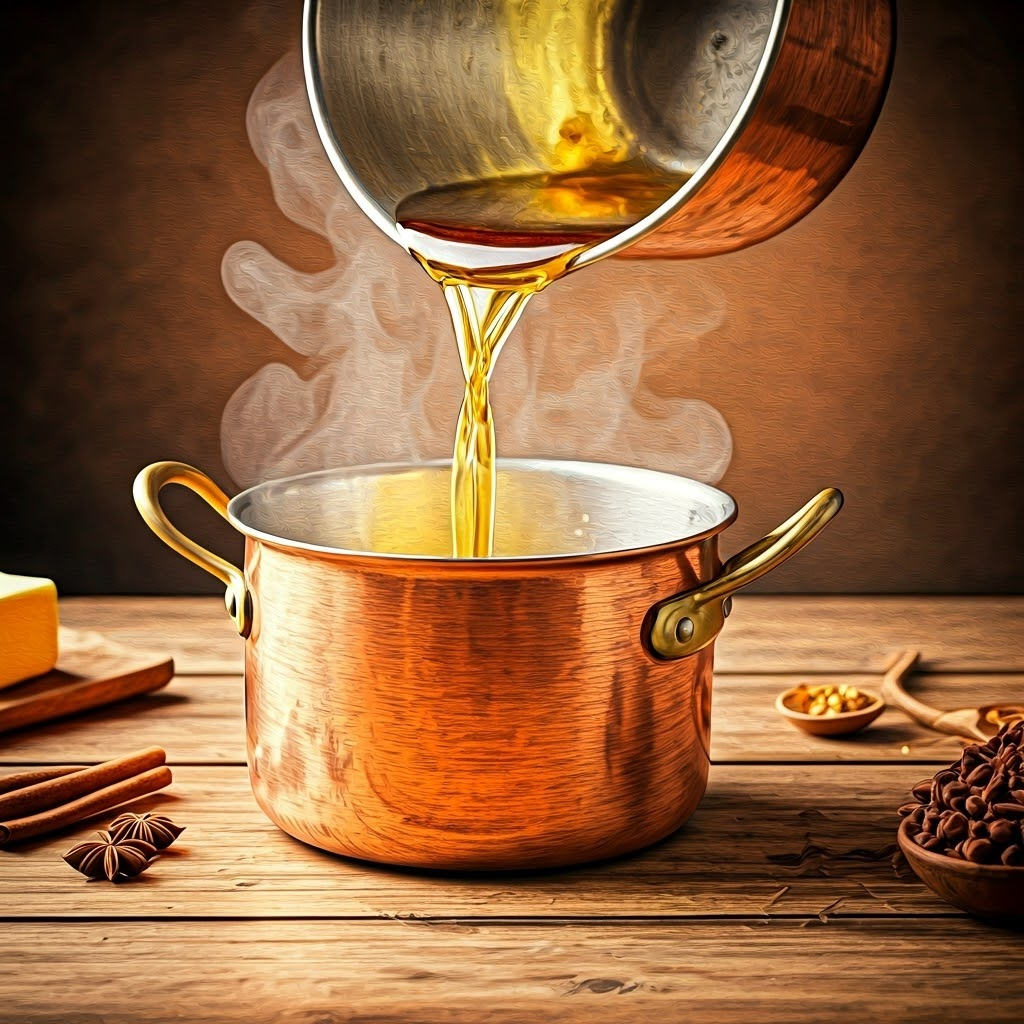
Recipes often sneak in corn syrup, butter, or acid. These interfering agents slip between sugar molecules and block large crystals, keeping textures smooth and pleasant.
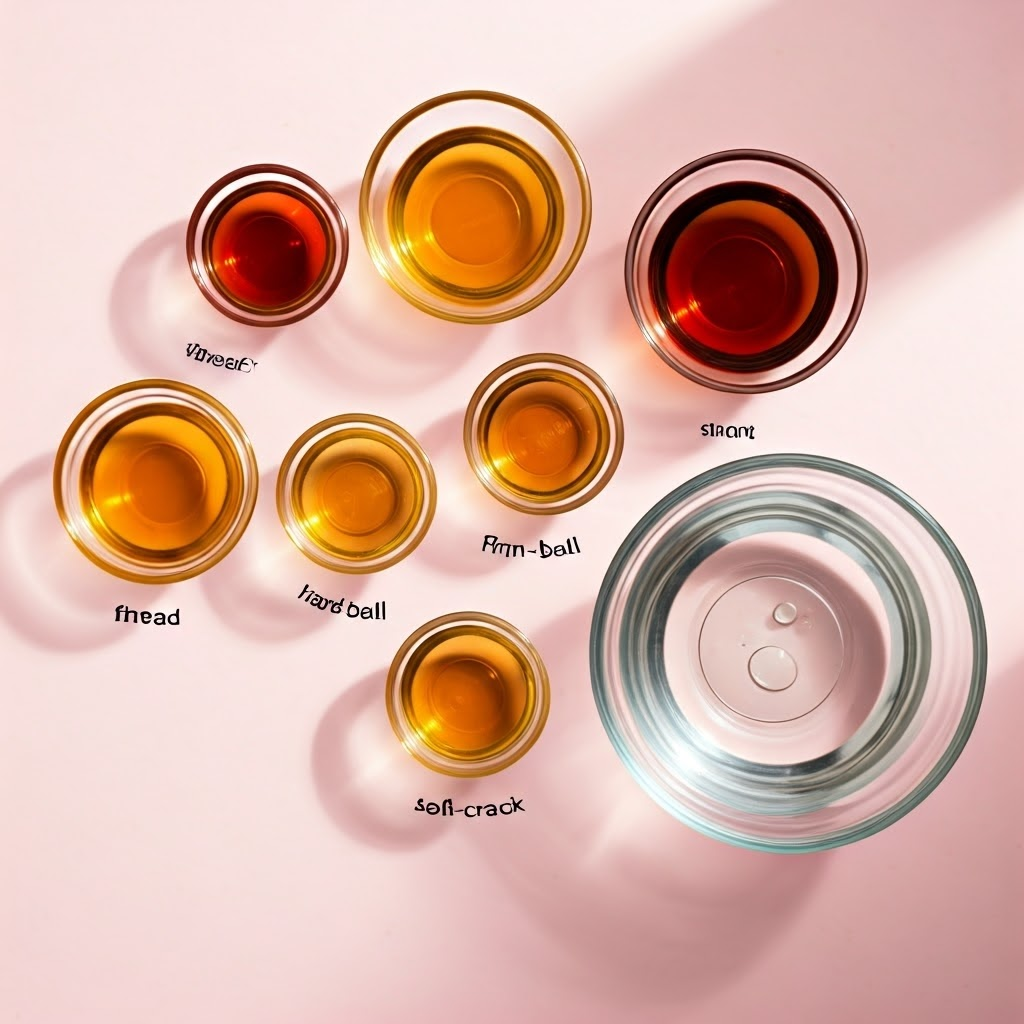
The Sugar Stages: Thread to Hard-Crack
-
Thread stage (230–234 °F / 110–112 °C): A drip in cold water forms thin threads—useful for syrups.
-
Soft-ball stage (234–240 °F / 112–116 °C): It makes a soft, pliable ball—perfect for fudge or fondant.
-
Firm-ball stage (244–248 °F / 118–120 °C): The ball holds shape yet stays flexible—great for caramels.
-
Hard-ball stage (250–266 °F / 121–130 °C): The ball becomes tough but chewable—as in nougat or marshmallow.
-
Soft-crack stage (270–290 °F / 132–143 °C): Flexible threads form, bending before they break—think taffy.
-
Hard-crack stage (300–310 °F / 149–154 °C): Brittle threads snap cleanly—ideal for lollipops and brittle.
You need no fancy gear for these tests—just ice water and a spoon. Drop a bit of syrup, watch its shape, and feel its texture; cooks relied on this simple method long before thermometers.

Why It All Matters
Know the stages and you decide the outcome. Stop at soft-crack for stretchy taffy. Aim for soft-ball and fine crystals for smooth fudge. If caramel tastes burnt, you crossed the line; if a lollipop clouds, stray crystals formed.
Respect hot sugar—it sticks and burns fast—yet enjoy the discovery. Each boil, stir, and cool turns your kitchen into a miniature lab, letting you practice real alchemy with every batch.
