
From Window to World: Stepping Inside the Story
Why Stories Feel Different in 3D
You may recall losing yourself in a movie, yet a pane of glass always stood between you and the action. In a 3D story that pane disappears, and the experience feels truly immersive.
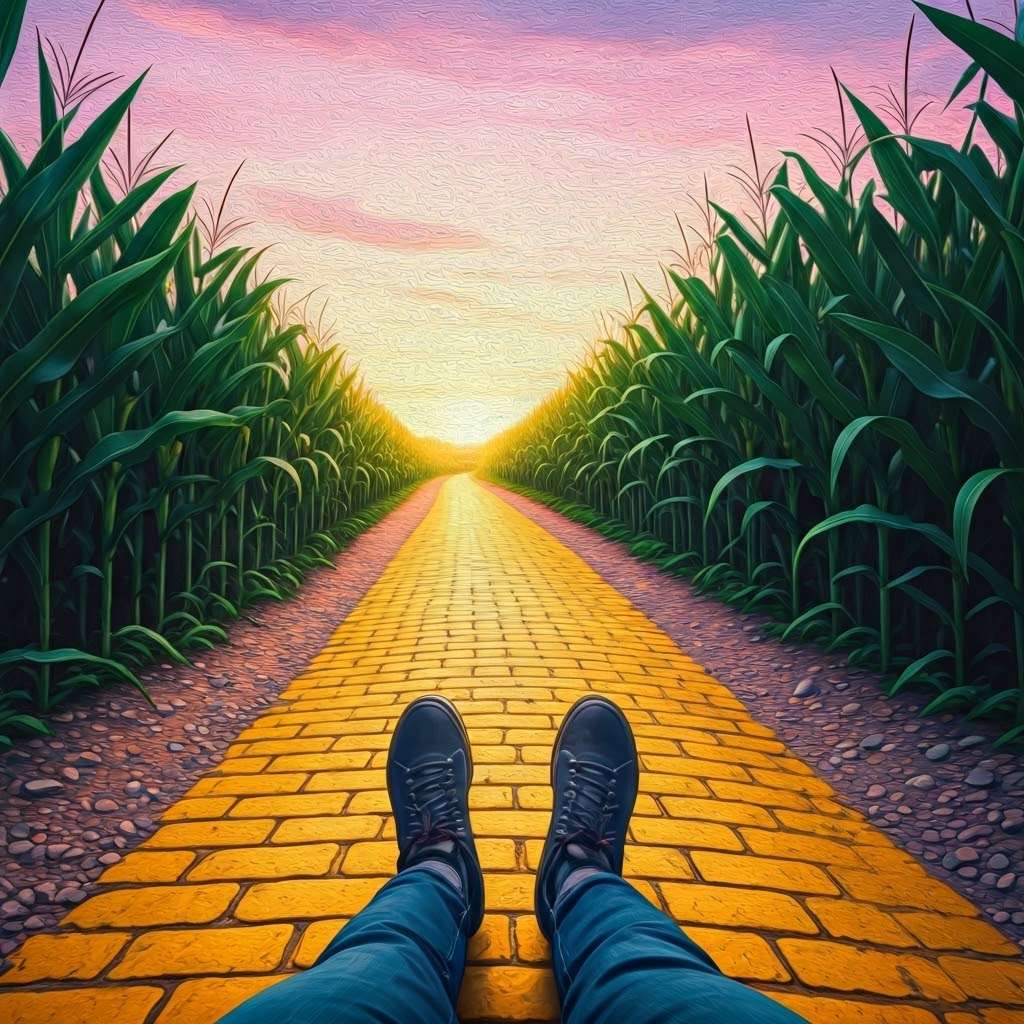
Once you step inside a game or VR scene, the line between your decisions and the plot blurs. You no longer watch Dorothy walk the yellow bricks—you feel gravel underfoot and choose which way to turn.
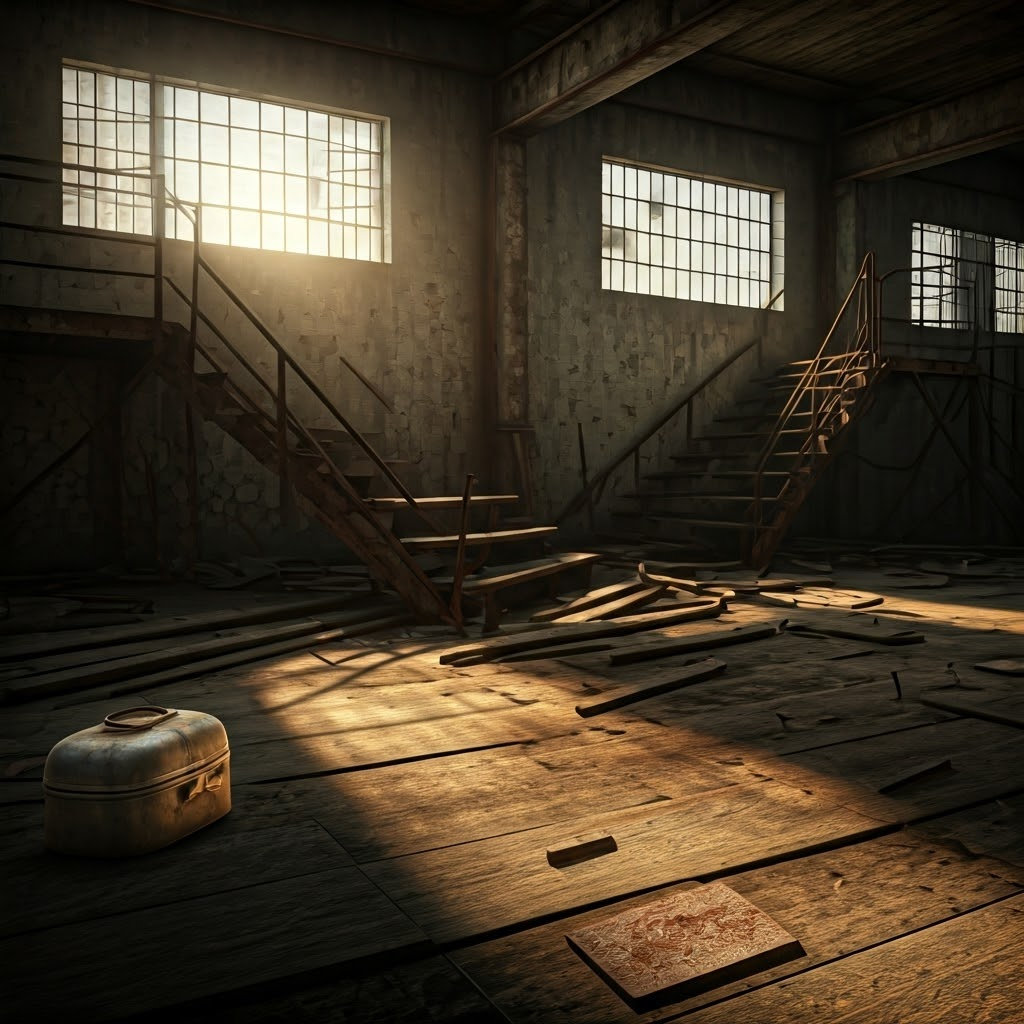
Embodied storytelling shifts focus from a single camera to your own senses. You decide where to look, when to pause, and what small detail—like a scratched lunchbox—reveals the story.
Freedom makes each discovery personal. A blocked staircase sparks questions about past events, and the way forward becomes part of the narrative you actively build.
Building Tutorials That Don’t Break the Spell
Nothing kills magic faster than a giant “Press X to Jump” prompt. Diegetic tutorials embed guidance inside the world itself so learning feels seamless.
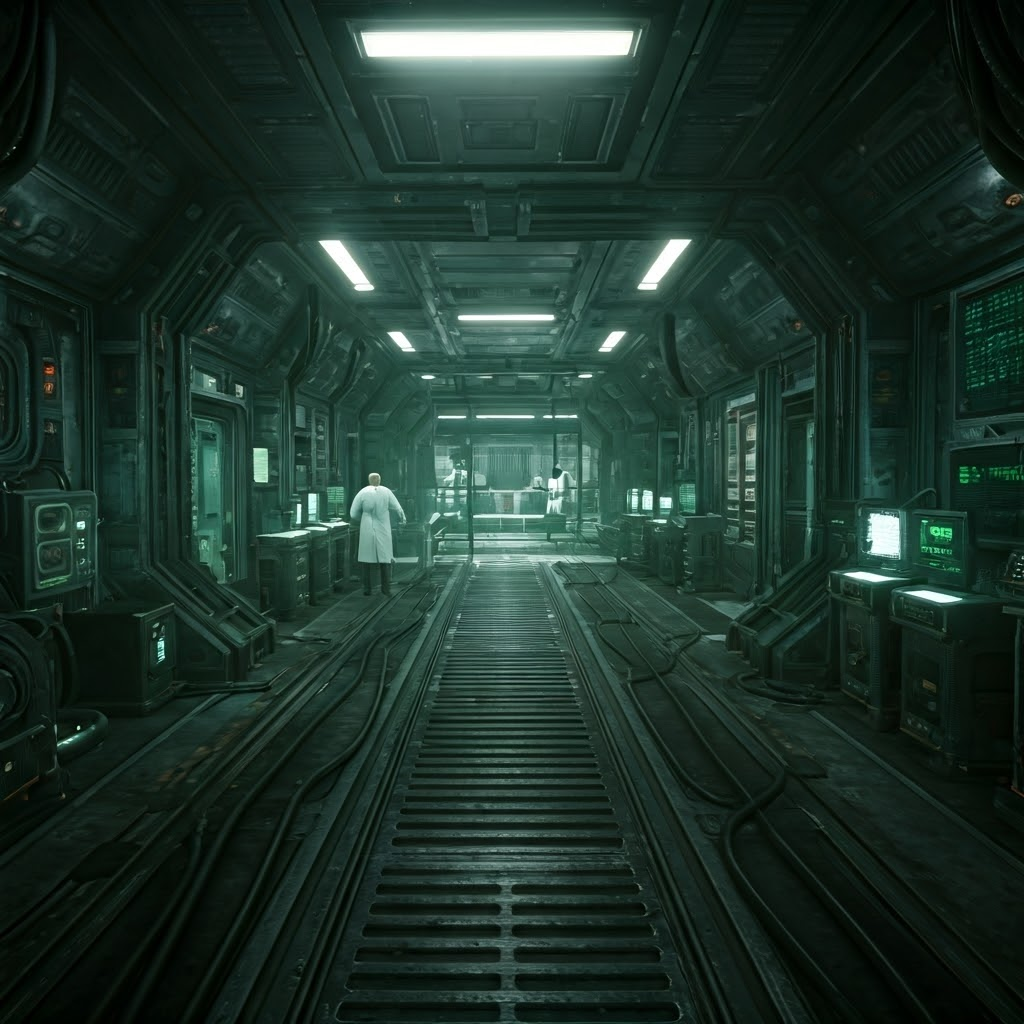
Think of Half-Life’s tram ride. Scientists chat, machines whir, and a simple ladder teaches climbing without a pop-up. You absorb controls by doing, not by reading.
In Firewatch, your supervisor’s voice crackles through a walkie-talkie. The conversation naturally teaches radio use while keeping you grounded in the Wyoming wilderness.

Early tasks—like grabbing a flashlight when lights fail—show mechanics through events. The lesson feels organic, preserving immersion.
Practical Tip
When designing instruction ask, “How would someone here learn this naturally?” Maybe footprints hint at a path, or an NPC demonstrates first. Keep the learning flow unbroken.
Props, Places, and the Stories They Tell
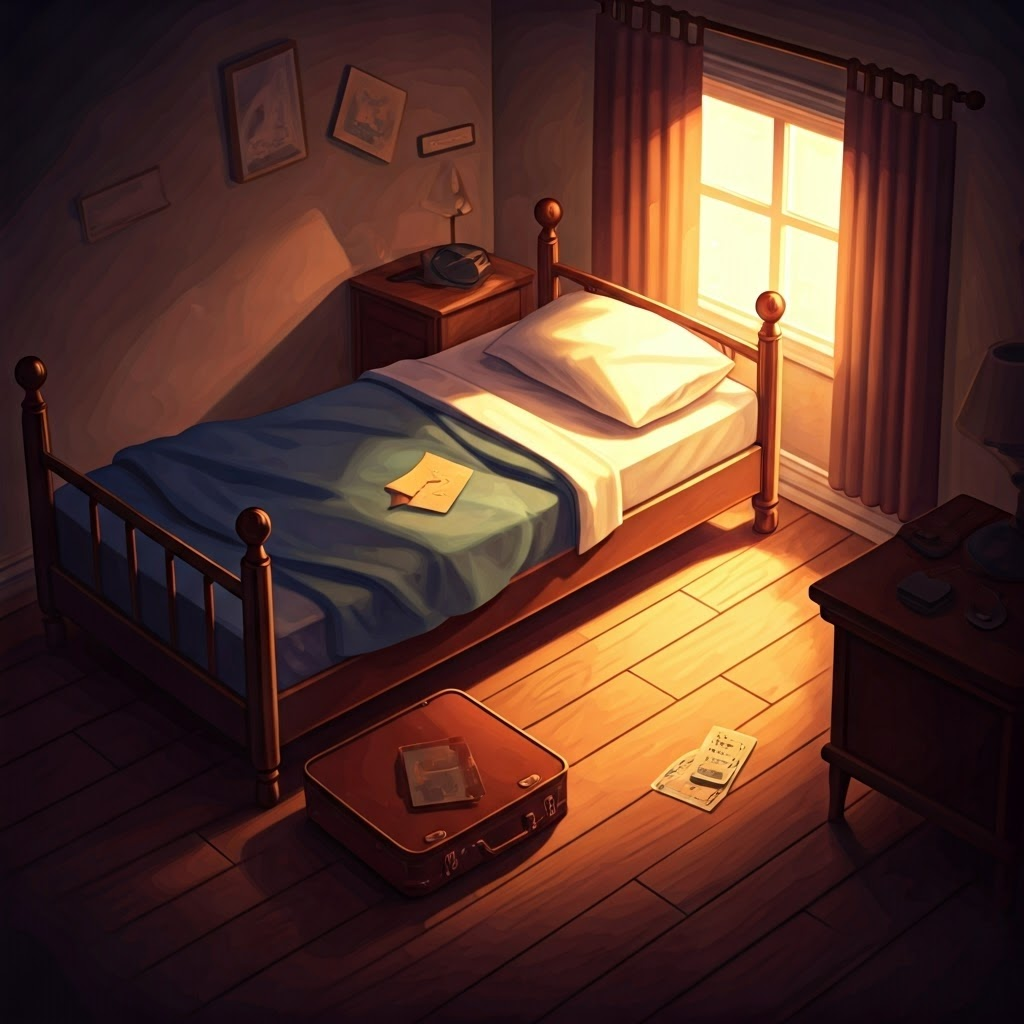
Objects and spaces speak without words. A suitcase left open or a ticket stub under a lamp can reveal a family’s secrets.
Environmental storytelling lets players piece together events at their own pace. Every prop becomes a clue and every room a silent narrator.
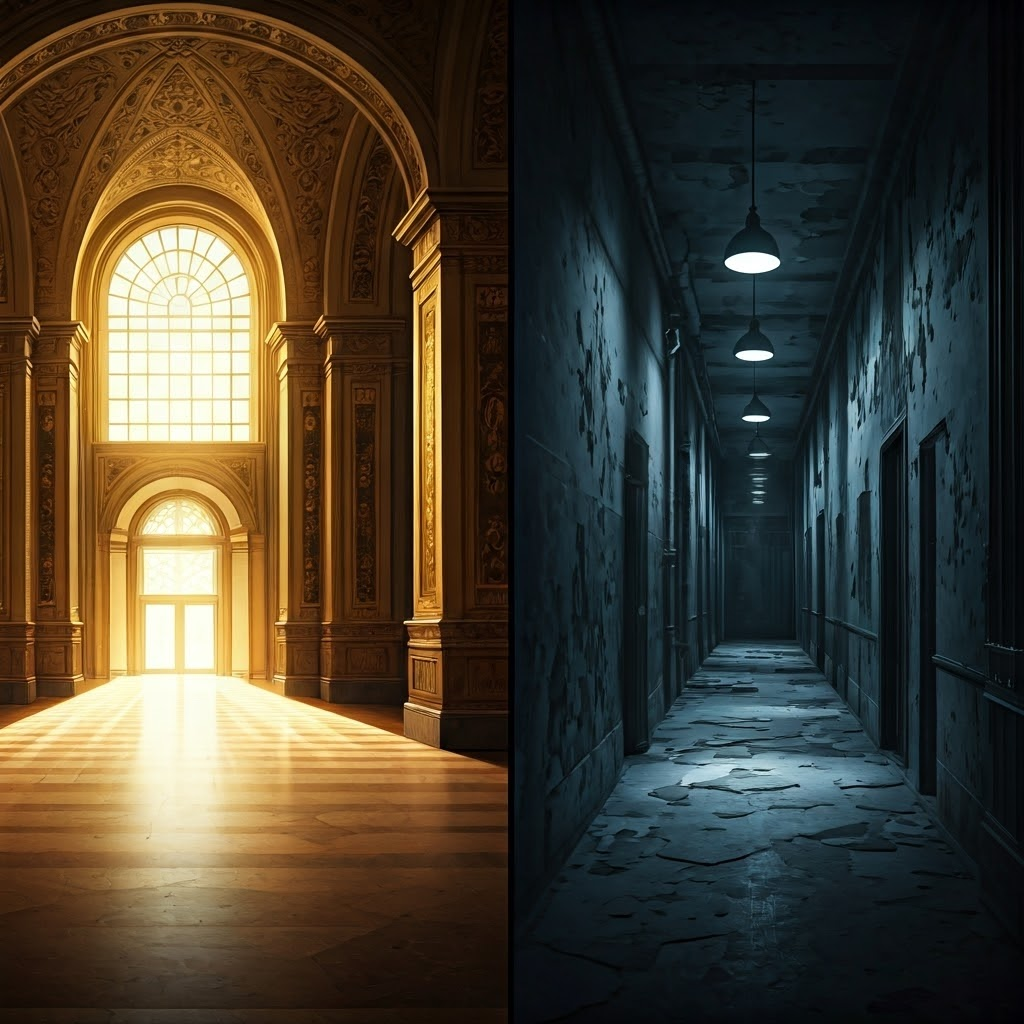
Architecture sets mood. Wide, bright halls feel safe, while tight flickering corridors raise tension. In Bioshock, shattered glass and water stains silently recount Rapture’s fall.
Letting Players Set the Pace
Pacing keeps a 3D story alive. Unlike film, you decide when to linger or sprint. This agency makes each journey feel personal.
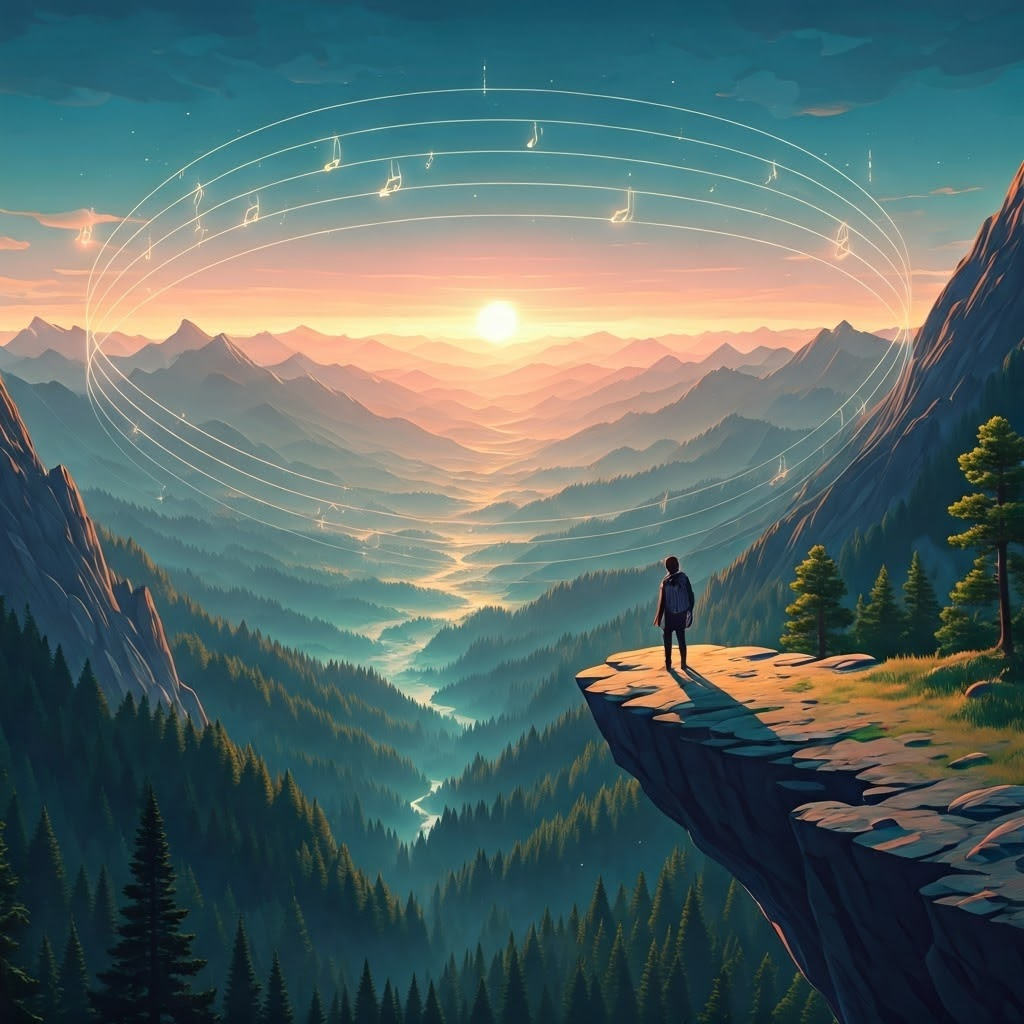
Gentle cues—music, flickering light, or distant smoke—nudge you forward without forcing you. Freedom blends with guidance in an elegant dance.

Breath of the Wild rarely shouts “Go Here.” Instead, odd shapes on the horizon invite exploration. Balanced pacing lets discovery feel earned.
Thought Experiment
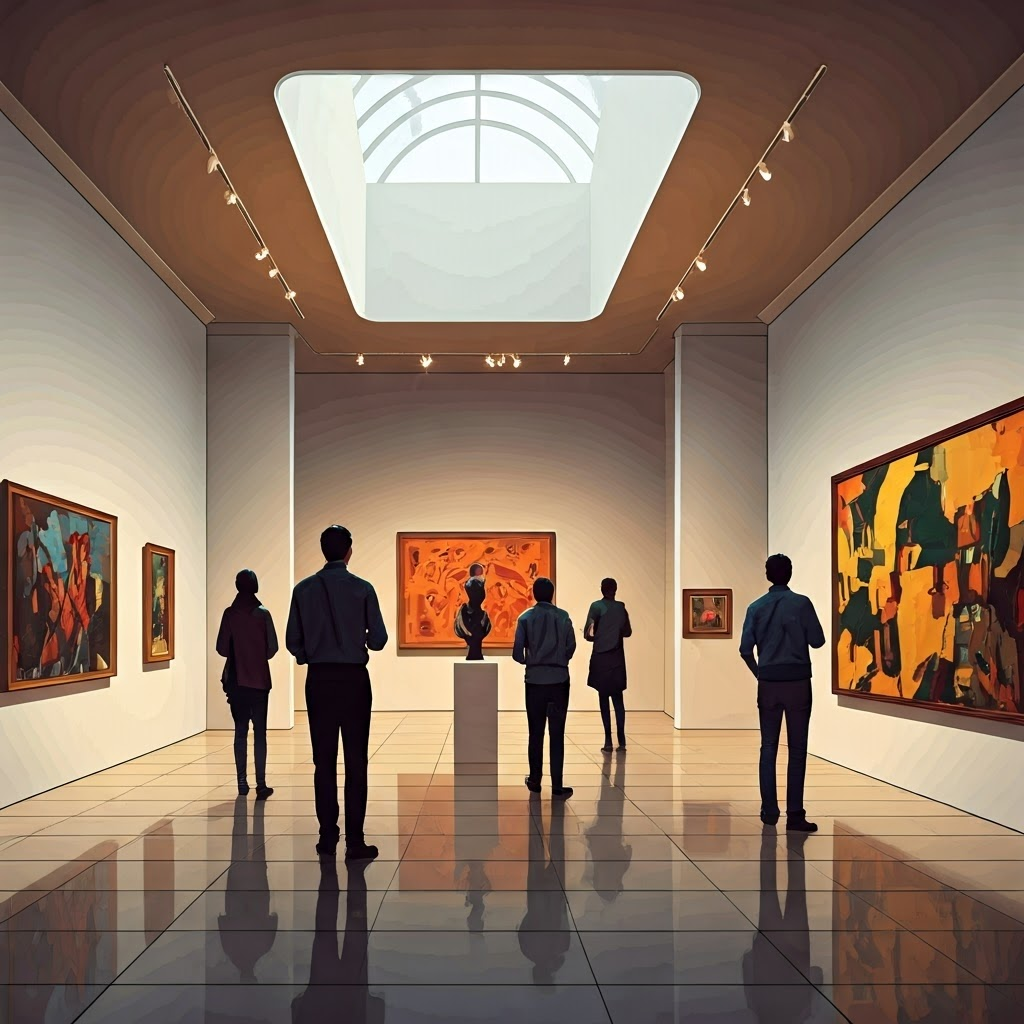
Picture a museum visit. One guest sticks to the guided tour; another meanders. The best exhibits honor both, supporting structure and curiosity in tandem.
Bringing It All Together
Think like a host. Place meaningful props, weave tutorials into daily life, and let explorers find their rhythm. The story emerges from what they notice, touch, and remember.
Invite people to step inside, poke around, and claim the narrative as their own. That’s when a 3D world truly comes to life.
