
Breaking Codes and Building Foundations
Cracking the Unbreakable: Codebreakers of WWII
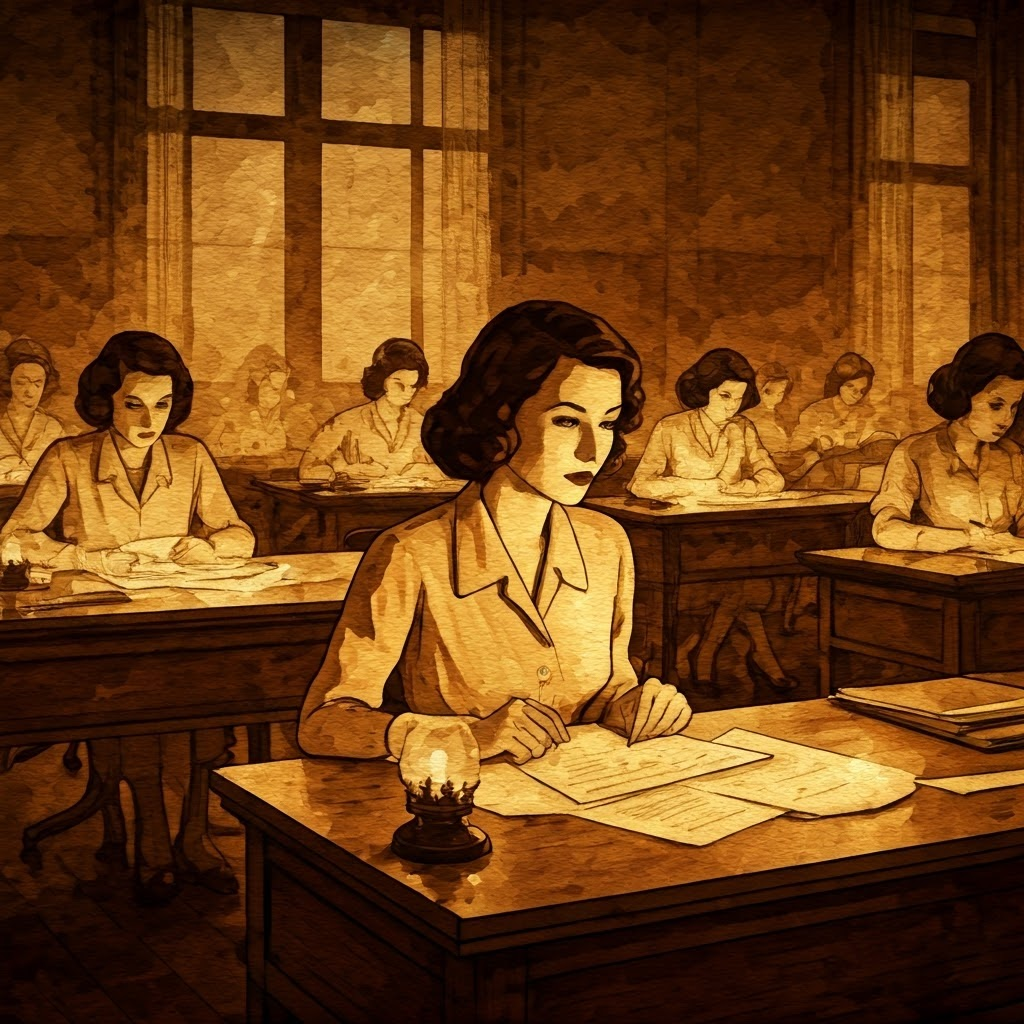
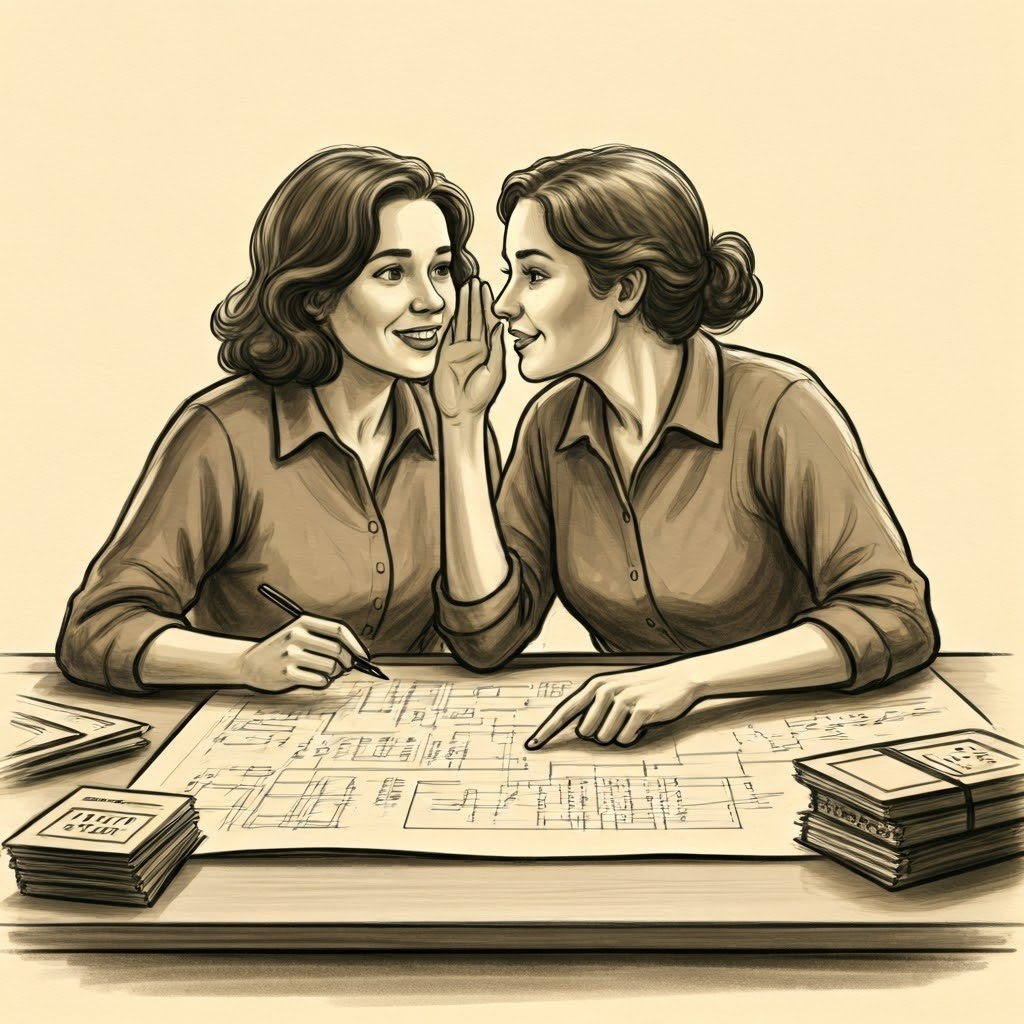
Imagine scanning rows of jumbled letters each day with one goal—crack the pattern and help end the war. Codebreaking units filled with thousands of women worked at Bletchley Park in England and U.S. Army centers. They used pencils, paper, and sharp minds instead of computers.
Joan Clarke stood out for her gift with patterns. She joined Alan Turing in tackling the Enigma machine and helped shorten the war. Their success proved how fresh ways of thinking can shift history.
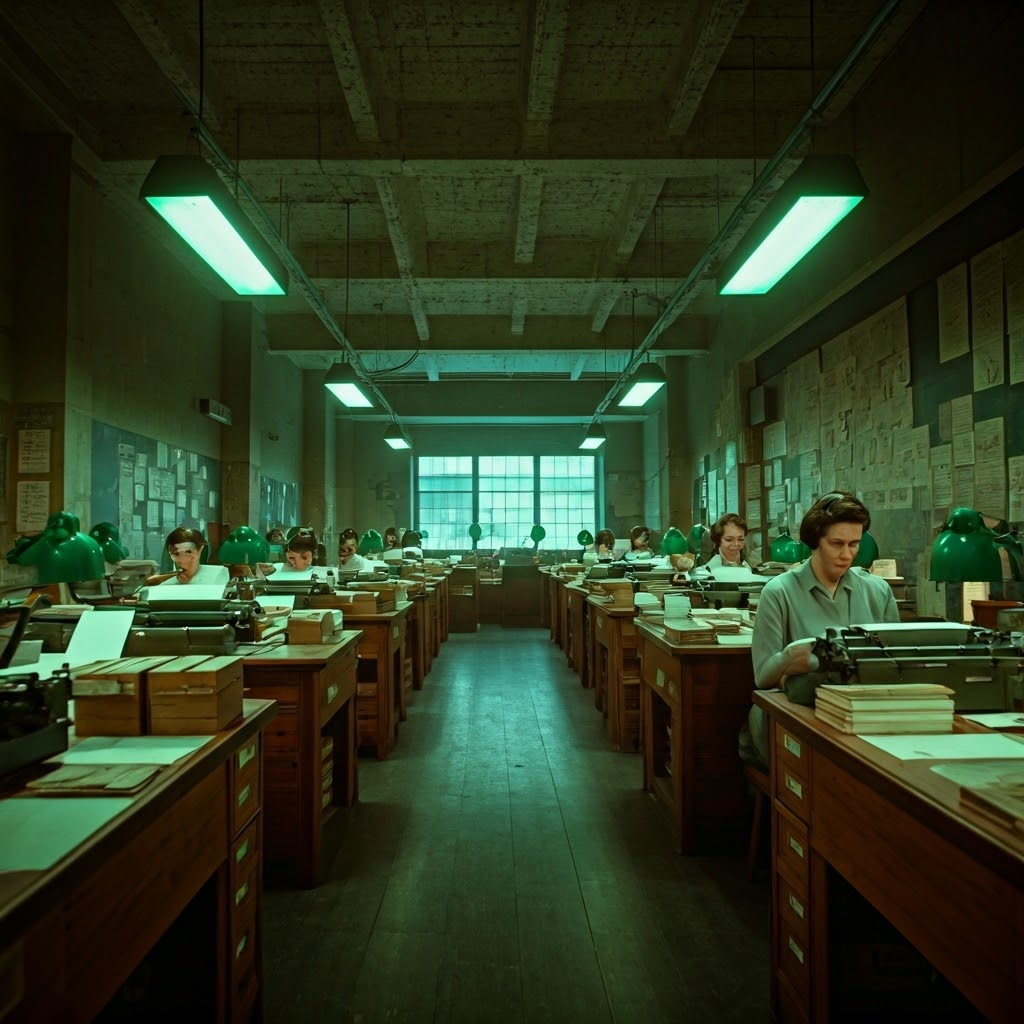
By 1945 women formed most of the U.S. cryptanalytic workforce. Genevieve Grotjan Feinstein cracked a key part of the Japanese “Purple” code in 1940. Recruited from colleges or civil-service exams, they worked in secrecy—families never knew the details.
Offices echoed with typewriter clacks and rustling index cards. Charts covered walls as logic met luck. When a message finally cracked, lives were saved.
The First Programmers: ENIAC and Beyond
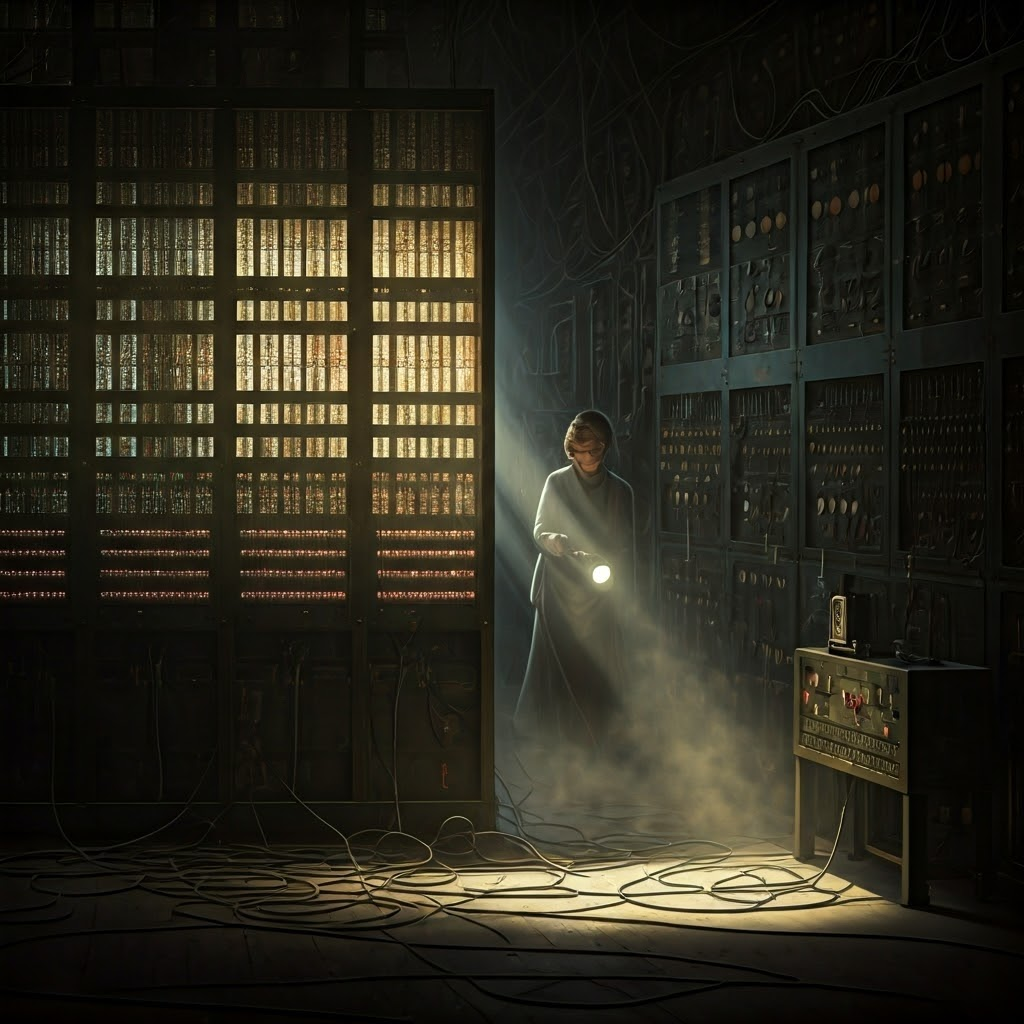
In the late 1940s a “computer” still meant a person—often a woman—paid to do math. The arrival of ENIAC, a room-sized machine packed with wires and vacuum tubes, flipped that idea.
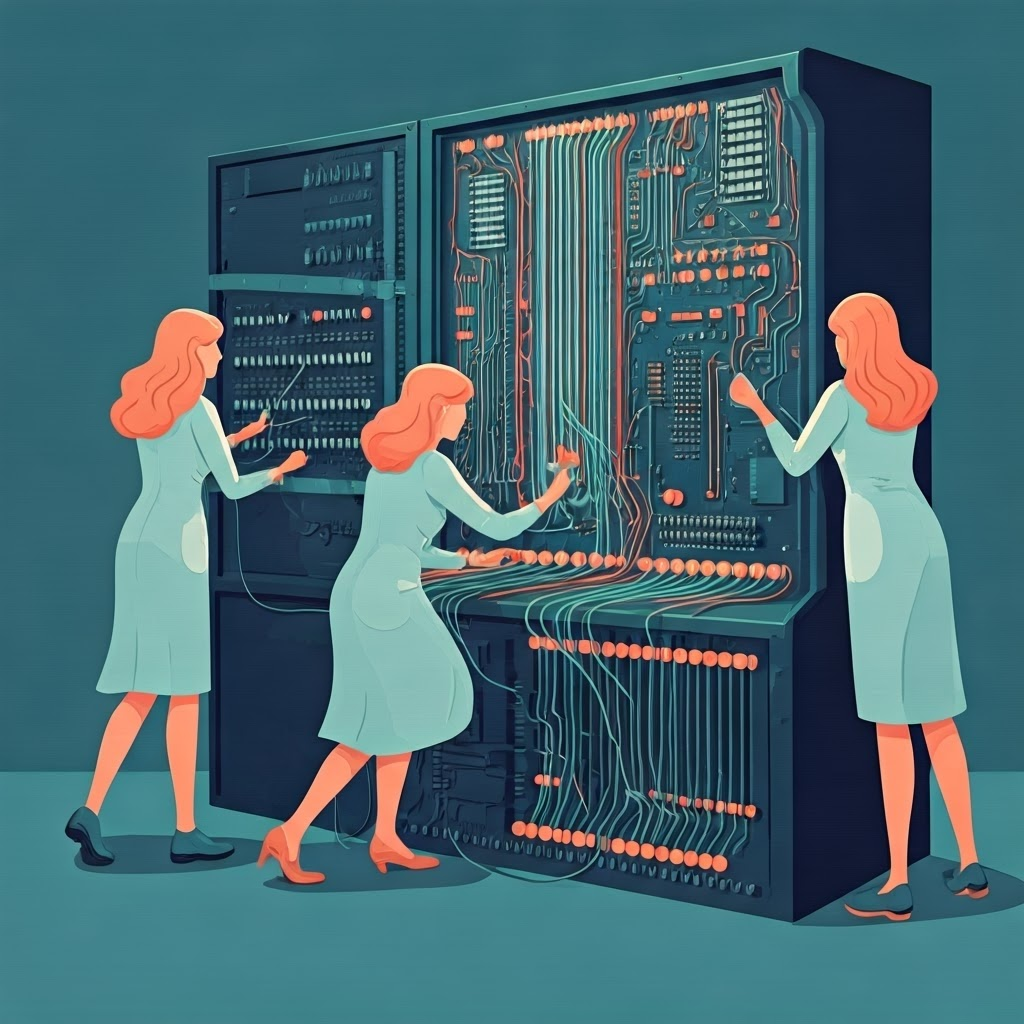
Six women, among them Jean Jennings Bartik and Betty Holberton, became the first ENIAC programmers. Manuals did not exist, so they learned hardware by touch—crawling inside panels and tracing circuits. Programming meant inventing a new language the machine could obey.
Errors sparked headaches. Actual moths sometimes short-circuited components, inspiring the term debugging.
Teamwork eased the pressure. Through trial and error they created early programming standards and trained newcomers. Newspapers praised “the boys with the big machine,” yet the women’s quiet breakthroughs laid the groundwork for today’s tech.
Double Helix, Double Standards: DNA’s Hidden Heroes
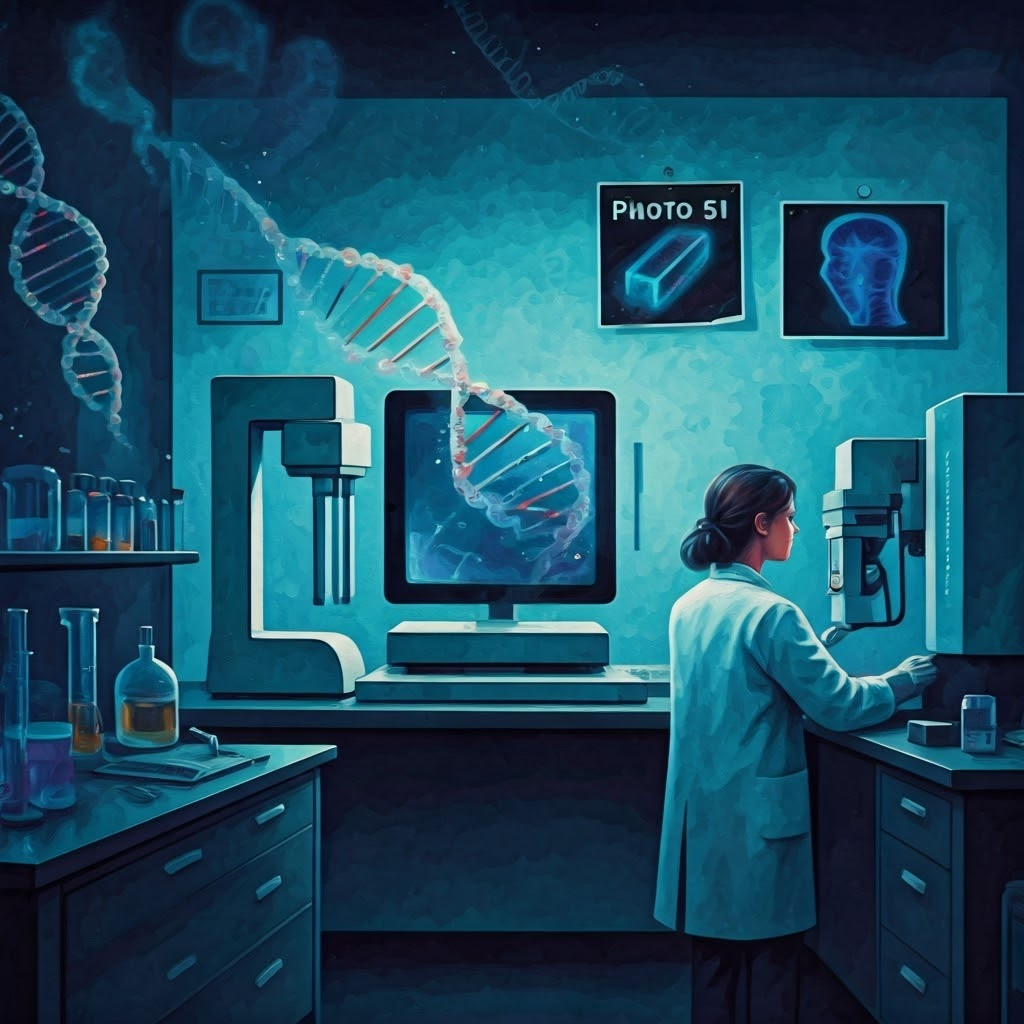
Science prizes facts, yet stories often overshadow them. Rosalind Franklin’s X-ray crystallography produced Photo 51, the clearest clue to DNA’s double helix. Without her knowledge, colleagues shared her data with Watson and Crick, who built their famous 1953 model.
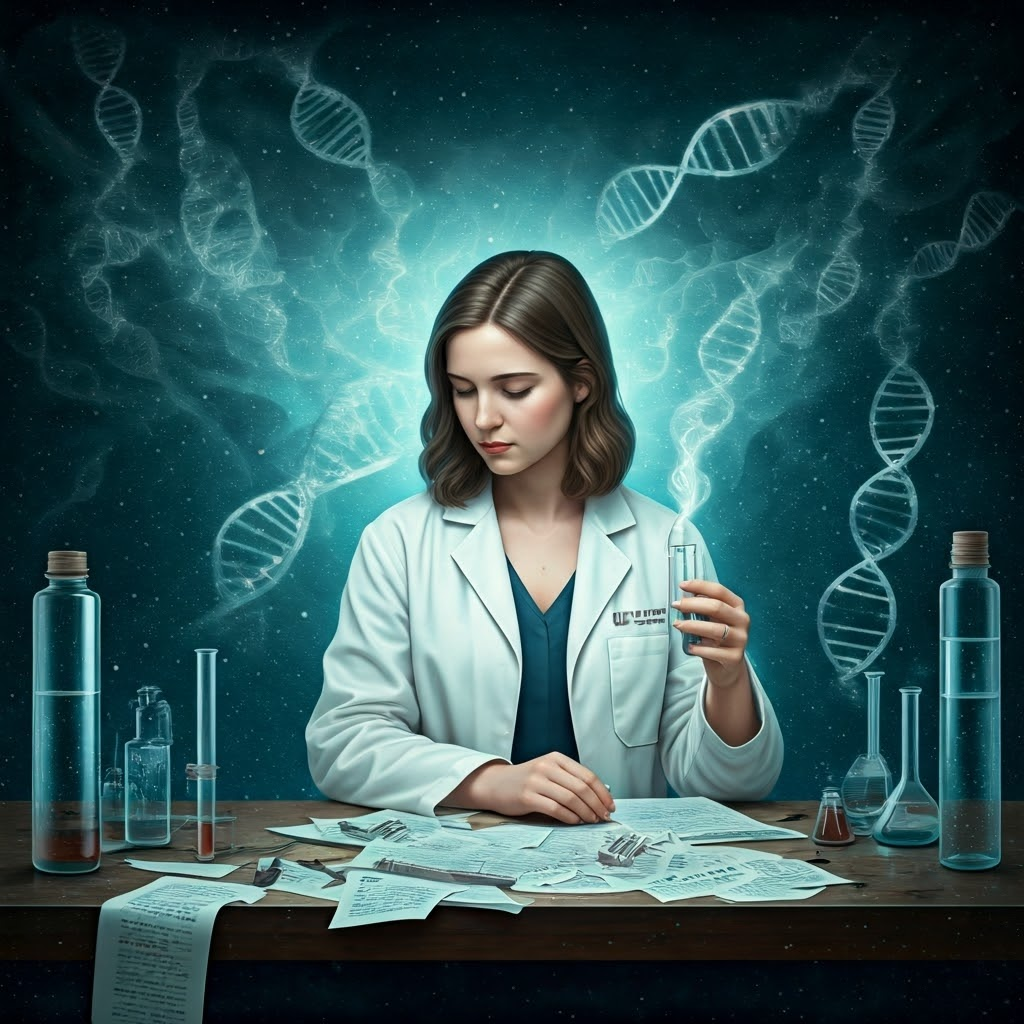
Franklin was not alone. Martha Chase helped prove DNA—not protein—carries genetic information, yet history glosses over her role. Restricted funding and respect limited many women. They were labeled assistants regardless of talent.
Despite barriers, Franklin published more than thirty papers, later advancing virus research. Her recorded ideas still guide modern biology—evidence that precision can outlast missed applause.
Building a Foundation for the Future
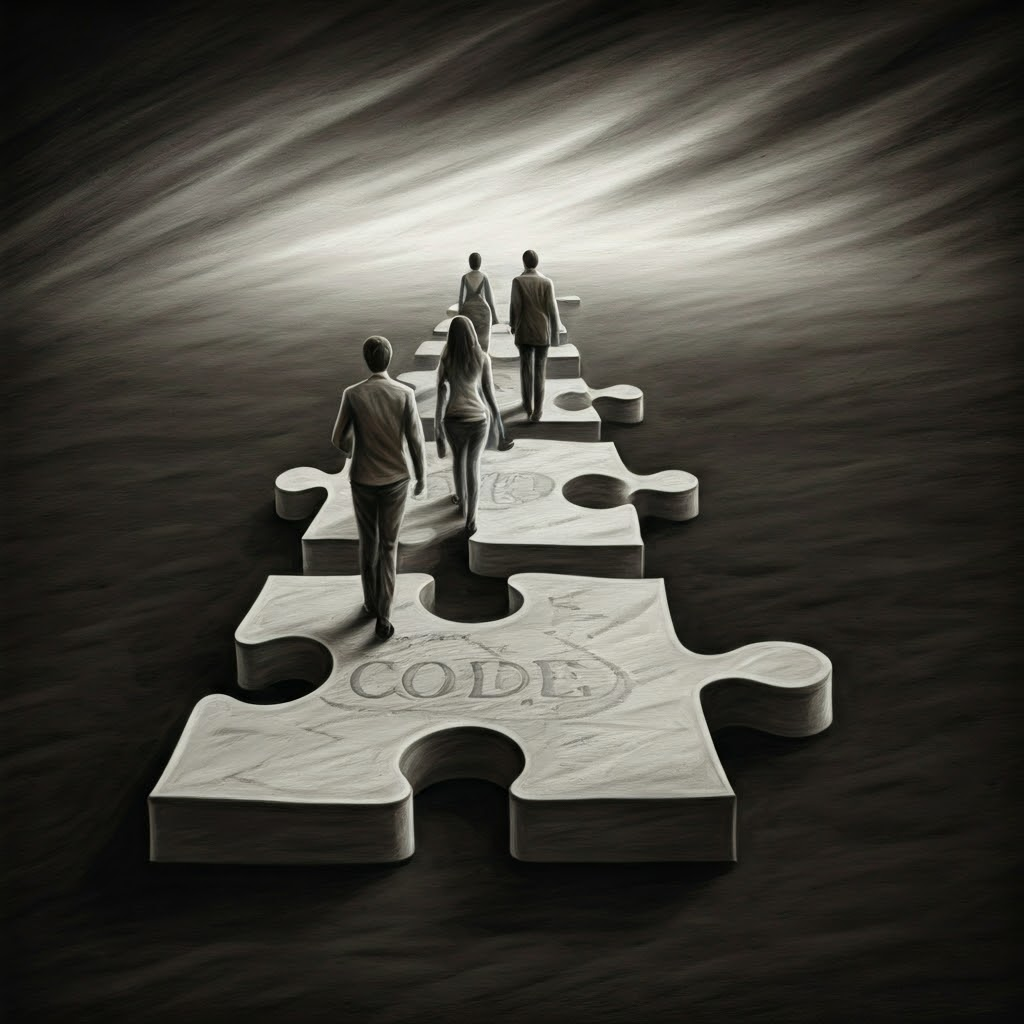
Across these stories, one theme dominates—persistence. The women who cracked ciphers, programmed machines, and mapped DNA were not side notes; they were pioneers. They faced skepticism, missed promotions, and credit taken by others, yet they quietly shared tips and pushed forward.
Their work underpins your daily life. Each app you open or genetics headline you read traces back to their ingenuity. The lesson goes beyond fairness. It shows how curiosity and teamwork can rewrite history even when no spotlight shines.
Learning from Their Stories
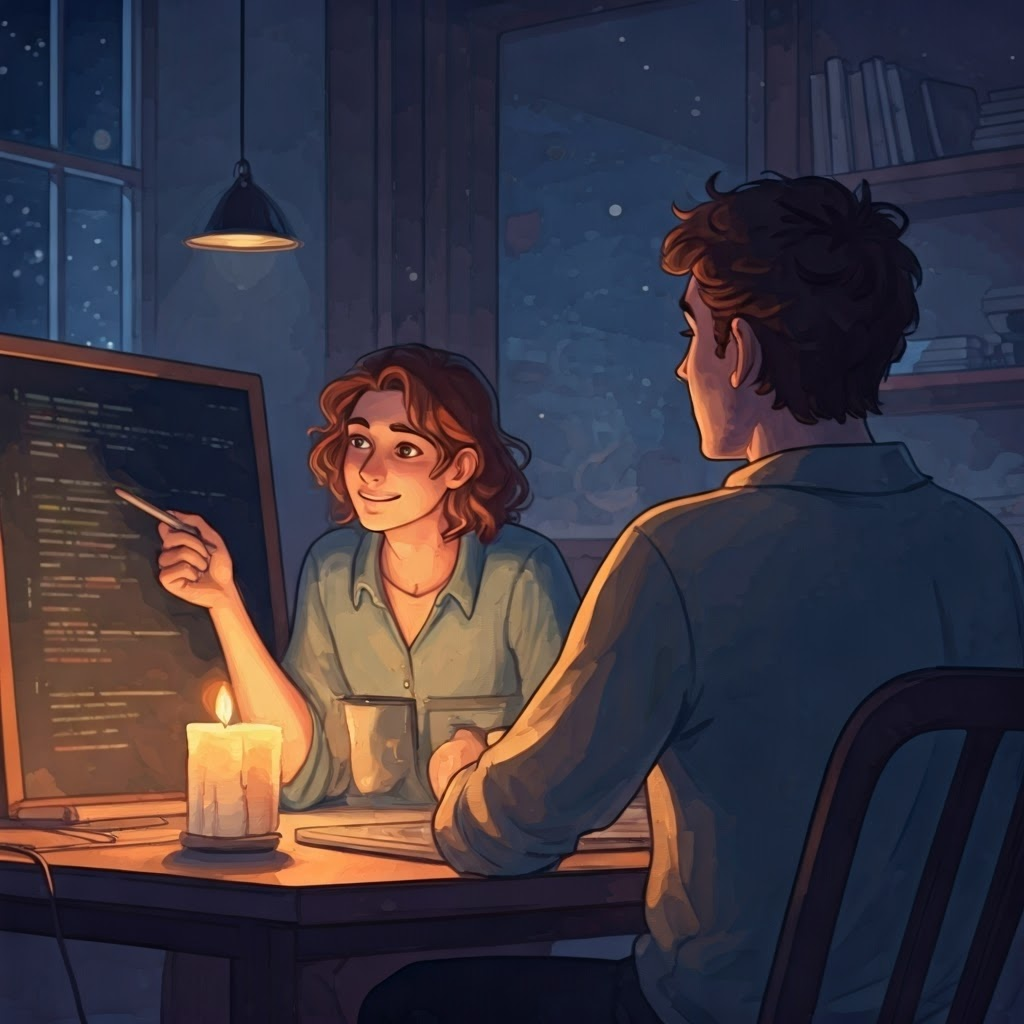
You need not crack codes to honor these pioneers. Real progress often looks like friends staying late to fix a stubborn bug or someone asking a timely question. Such small acts drive science forward and spark the next big breakthrough.
