13 min read  •  11 min listen

Steam Power

How a Boiling Kettle Changed Everything

Steam Power

AI-Generated

April 29, 2025

What if a simple kettle could change the world? Discover how steam power sparked new ideas, built cities, and set the pace for modern life. This tome takes you from smoky workshops to roaring engines, showing how steam shaped everything from factories to families—and why its story still matters.


From Kettles to Engines: The Birth of Steam Power

Old cast-iron stove with a black kettle releasing thick steam in a warm 19th-century cottage kitchen—shows everyday origins of steam power.

Why Steam? The Science Behind the Power

When water boils in a kettle it turns into vapor that presses hard against the lid. The vapor needs more room than liquid water so the pressure rises fast.

Heat keeps feeding the water and the pressure keeps climbing—sometimes loud enough to whistle across the room. That simple push made people wonder what work steam could do if we aimed it on purpose.

The core idea is direct. You apply heat, create vapor, and turn thermal energy into movement. This energy swap sits at the heart of thermodynamics and opens the door to engines.
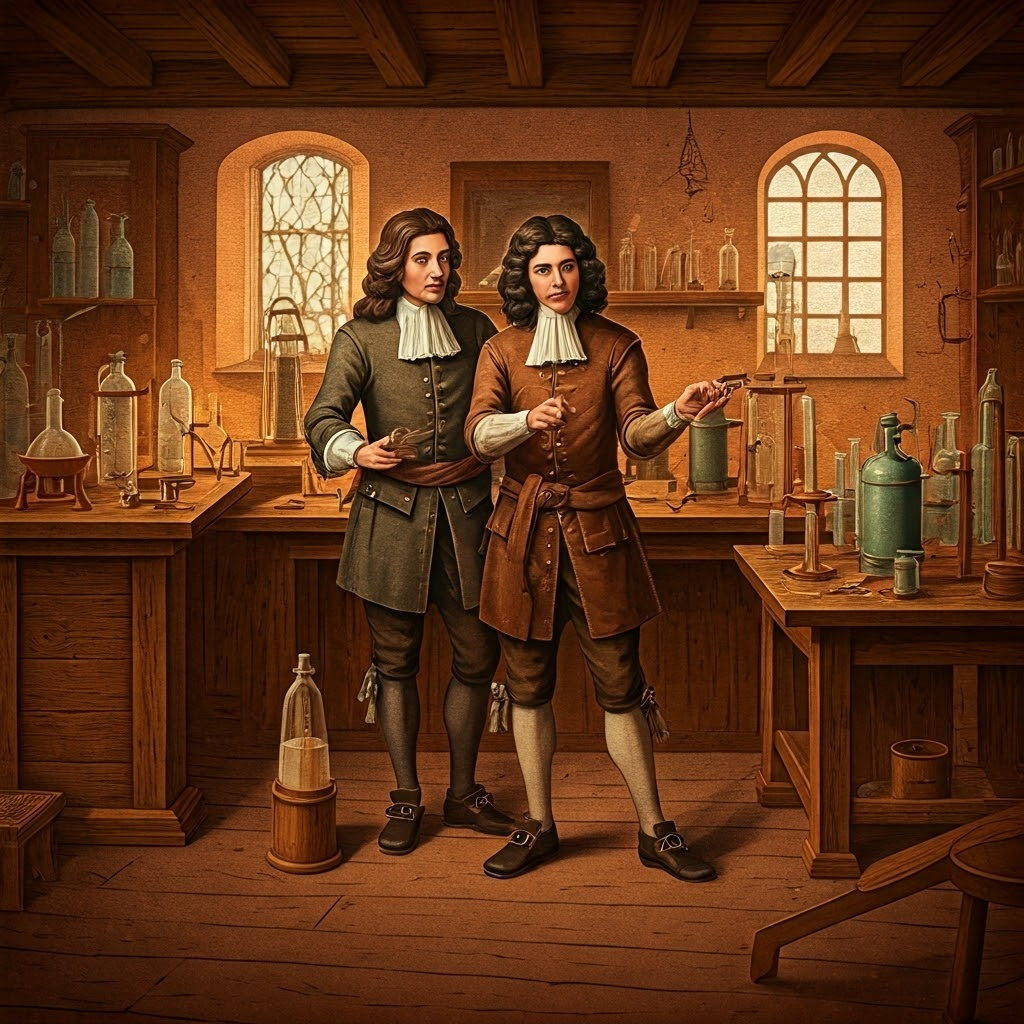
Seventeenth-century lab with Boyle and Papin studying a steaming cooker amid brass tools—highlights the first steam experiments.

Early Tinkerers: Boyle, Papin, and the First Experiments

Robert Boyle measured how gases behave. He found that if temperature stays fixed, squeezing a gas boosts its pressure while letting it expand drops that force. Mathematically: P×V=kP \times V = kP×V=k.

Boyle’s numbers told inventors a gas push could be harnessed. Denis Papin took this hint and built a sealed cooker—the steam digester—that sometimes exploded yet proved steam’s raw strength.
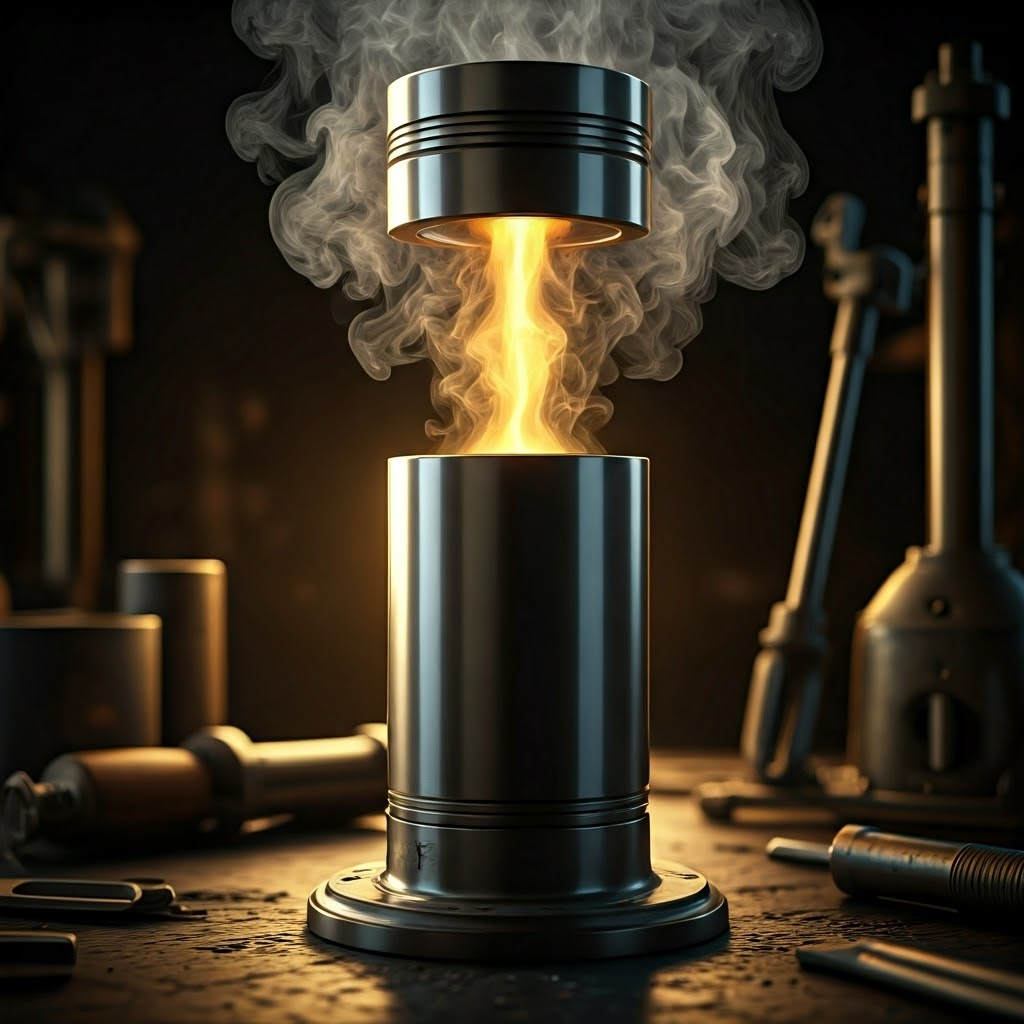
Close view of Papin’s metal cylinder with a piston lifted by glowing steam—captures the moment steam meets machinery.

Papin pictured a metal cylinder with a tight piston. Heat water, steam rises, and the piston lifts. He hoped this lift would drive pumps in flooded mines and even power boats, though his sketches stayed on paper.

Dawn over an 18th-century mine with a towering beam engine pumping water—shows steam’s first large-scale job.

Newcomen’s Engine: The First Workhorse

Early 1700s England faced flooded coal pits. Thomas Newcomen built a practical answer using iron parts common at the time. His engine centered on a large cylinder fixed to a rocking beam.

Steam filled the cylinder and lifted the piston, raising pump rods below. A burst of cold water then condensed the steam, forming a vacuum. Atmospheric pressure shoved the piston down and water rose from the shaft.
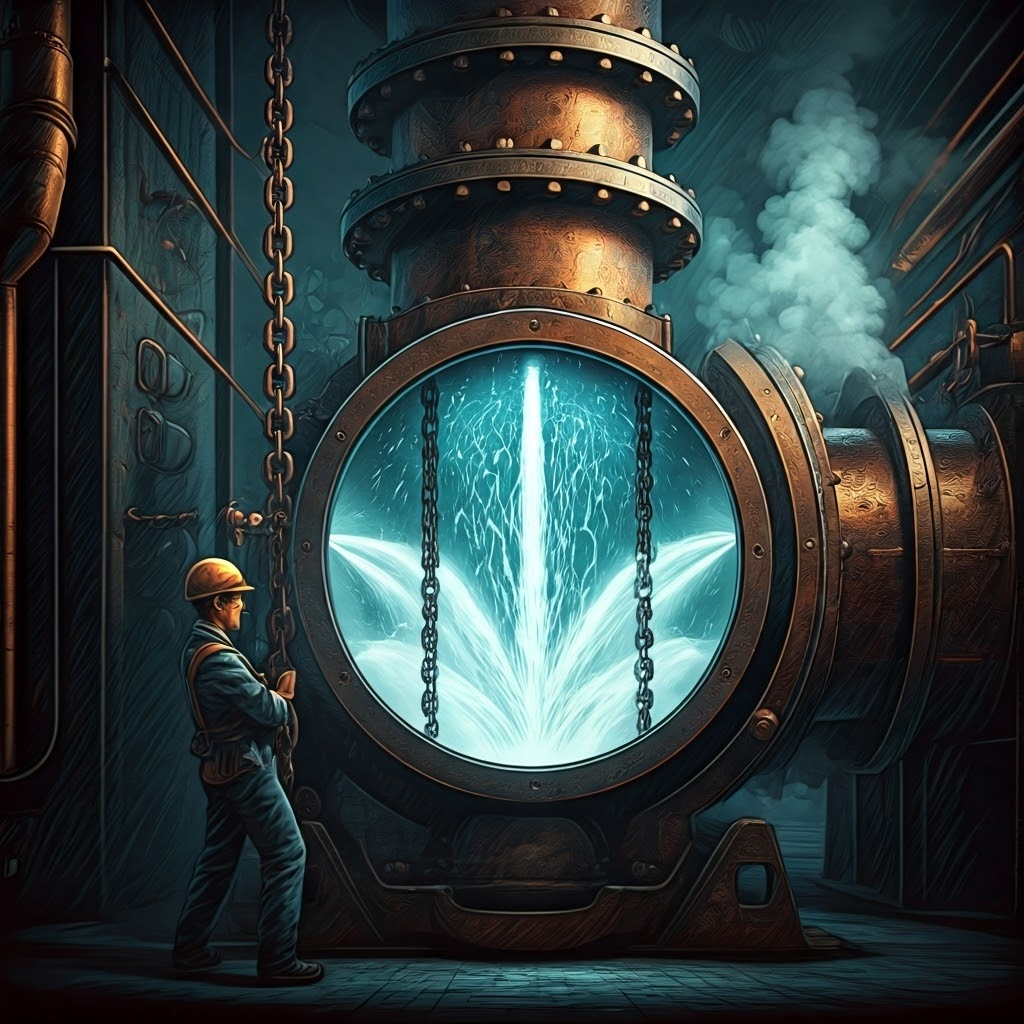
Infographic-style art of Newcomen’s cylinder as steam fills and cool water sprays—explains the vacuum cycle clearly.

The machine was big, slow, and fuel-hungry, yet it worked day after day. Miners dug deeper. More coal reached markets, feeding homes and future inventions.

Evening montage of countryside engines thumping while miners celebrate deeper shafts—illustrates steam power spreading across Britain.

People felt awe and fear. Some worried about jobs; others saw promise. Engineers soon fought to make engines smaller, faster, and thriftier. Their relentless tinkering turned fire and water into steady, repeatable motion—laying the groundwork for railways, factories, and the modern world.


Tome Genius

Technology Through History

Part 4

Tome Genius

Cookie Consent Preference Center

When you visit any of our websites, it may store or retrieve information on your browser, mostly in the form of cookies. This information might be about you, your preferences, or your device and is mostly used to make the site work as you expect it to. The information does not usually directly identify you, but it can give you a more personalized experience. Because we respect your right to privacy, you can choose not to allow some types of cookies. Click on the different category headings to find out more and manage your preferences. Please note, blocking some types of cookies may impact your experience of the site and the services we are able to offer. Privacy Policy.
Manage consent preferences
Strictly necessary cookies
Performance cookies
Functional cookies
Targeting cookies

By clicking “Accept all cookies”, you agree Tome Genius can store cookies on your device and disclose information in accordance with our Privacy Policy.

00:00