13 min read  •  12 min listen

Stars & Skepticism

How Doubt Sparked the Modern World

Stars & Skepticism

AI-Generated

April 29, 2025

What happens when people start to question everything they’ve been told about the universe? This tome takes you to the moment when the stars, the body, and even time itself became open to doubt—and to discovery. Meet the thinkers who cracked open the old world and set us on a new path.


When the Heavens Wobbled: The First Doubts
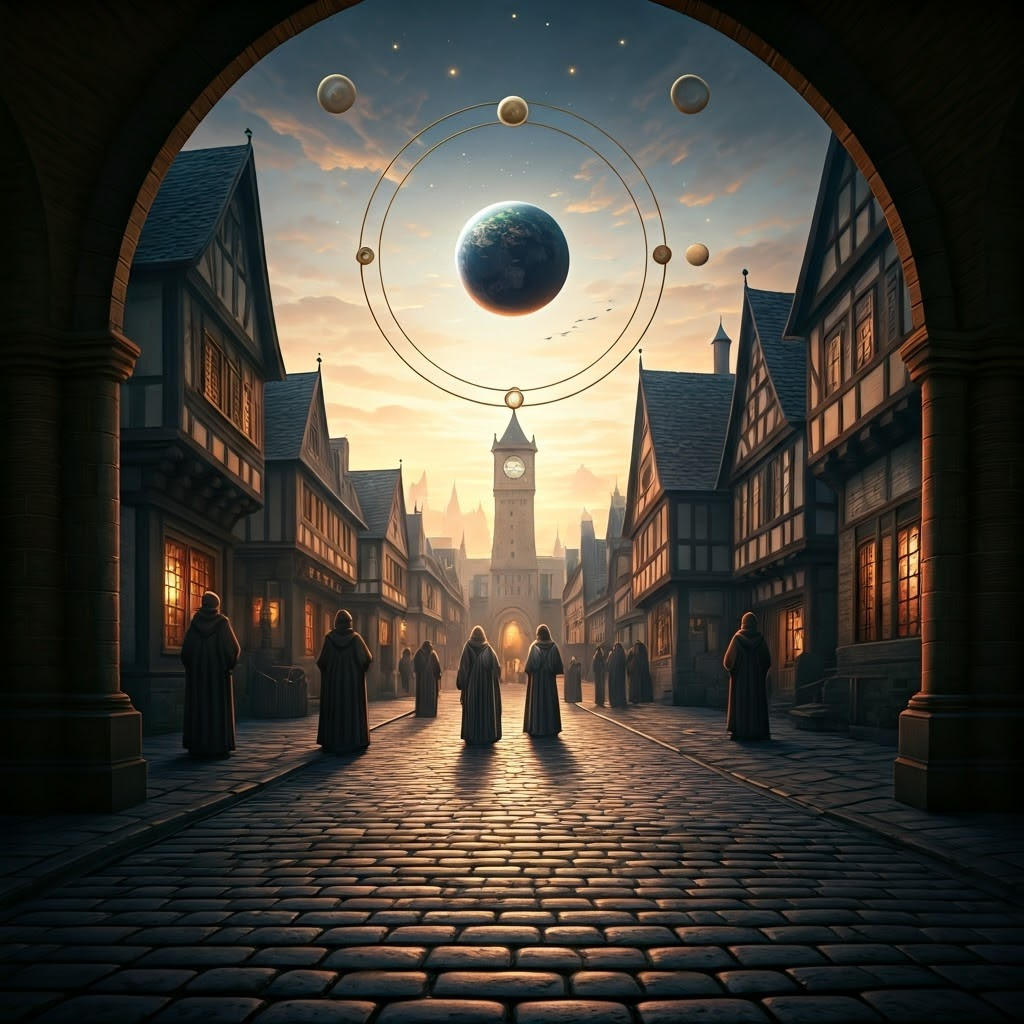
Medieval villagers gaze at a motionless Earth orb while golden sun, moon, and star rings circle above, reflecting the old geocentric worldview

The Old Order: Cosmos, Body, and Medicine

Picture late medieval Europe. The Earth appears fixed at the universe’s heart. Above, bright bodies glide in perfect circles.

This cosmic map shapes daily life. People schedule prayers and harvests by the sky’s rhythm. Medicine follows Galen’s four humors—blood, phlegm, black bile, yellow bile.

A headache signals imbalance, not germs. Hospitals echo Galen’s words. Authority discourages doubt; church and crown guard tradition.
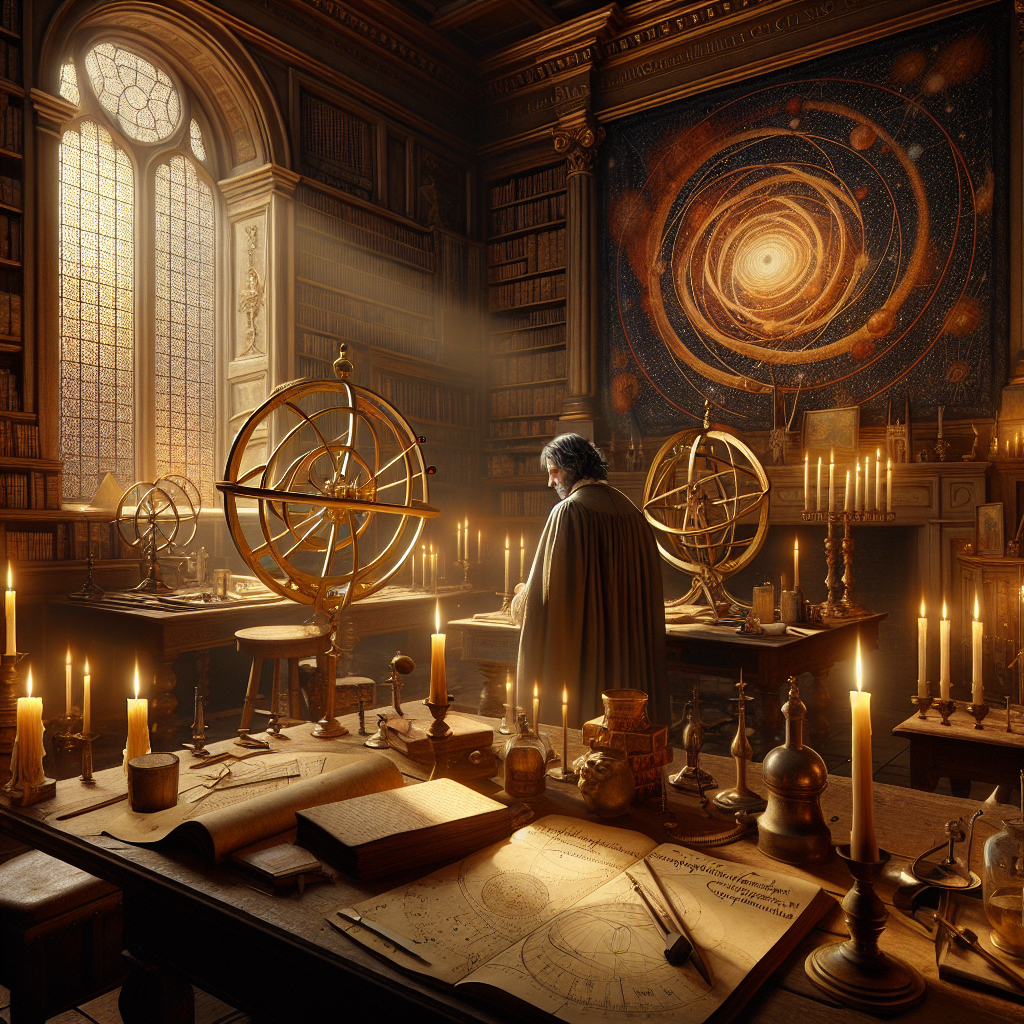
Renaissance scholar studies a brass armillary sphere as sunlight hits scattered orbit charts, hinting at heliocentric insight

Copernicus: Moving the Sun

In Poland, mathematician Nicolaus Copernicus reviews puzzling planetary loops, especially Mars’s backward dance.

He flips the model: place the sun in the center, let planets circle it. The messy motions suddenly align—no extra epicycles.

His book De revolutionibus appears on his deathbed. The claim feels risky, yet it plants vital skepticism.
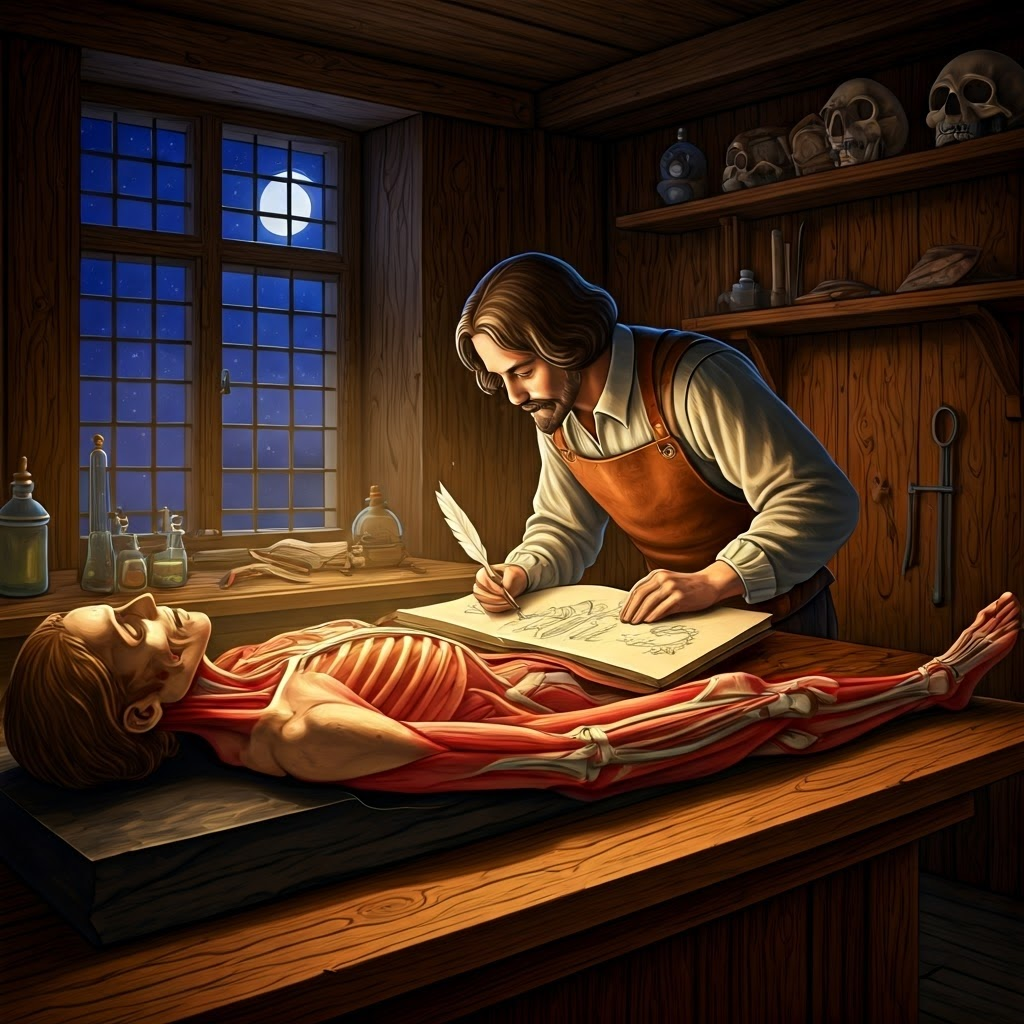
Moonlit 16th-century dissection room where Vesalius sketches organs from a human cadaver

Vesalius: Drawing the Body Anew

Medical schools recite Galen while cutting pigs. Human anatomy stays second-hand. Andreas Vesalius changes that.

He dissects real bodies and drafts precise charts. Errors emerge—human livers differ from apes, some “organs” simply do not exist.

His Fabrica proves old masters can be wrong. Observation now guides medicine.
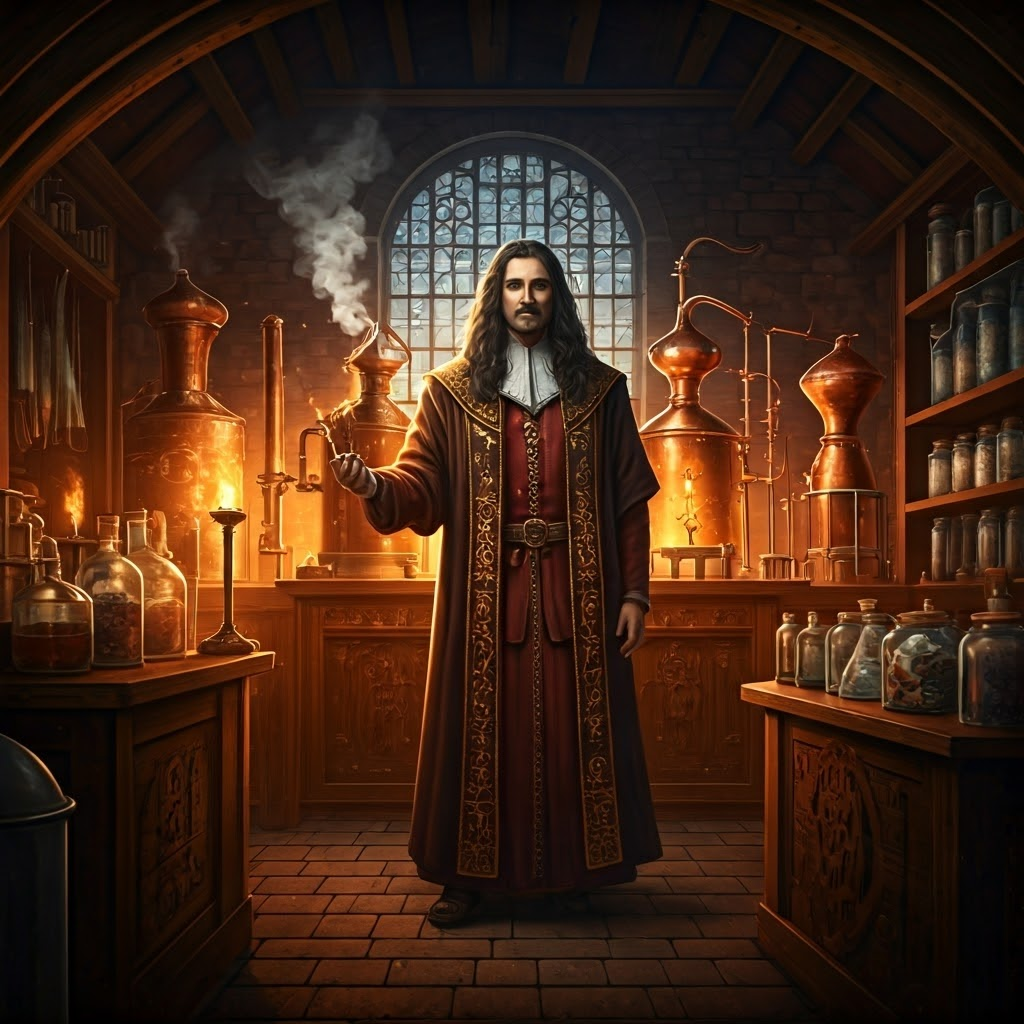
16th-century alchemy lab where Paracelsus holds a colorful flask amid mineral jars and rising vapors

Paracelsus: The Alchemist Doctor

Paracelsus roams Europe with outspoken flair. He insists medicine use chemistry, not only humors.

He tests mercury, sulfur, and salt as treatments and torches dusty texts in protest. Some cures prove harmful, yet his daring sparks early pharmacology.

As an outsider, he asks questions insiders avoid and keeps the field moving.
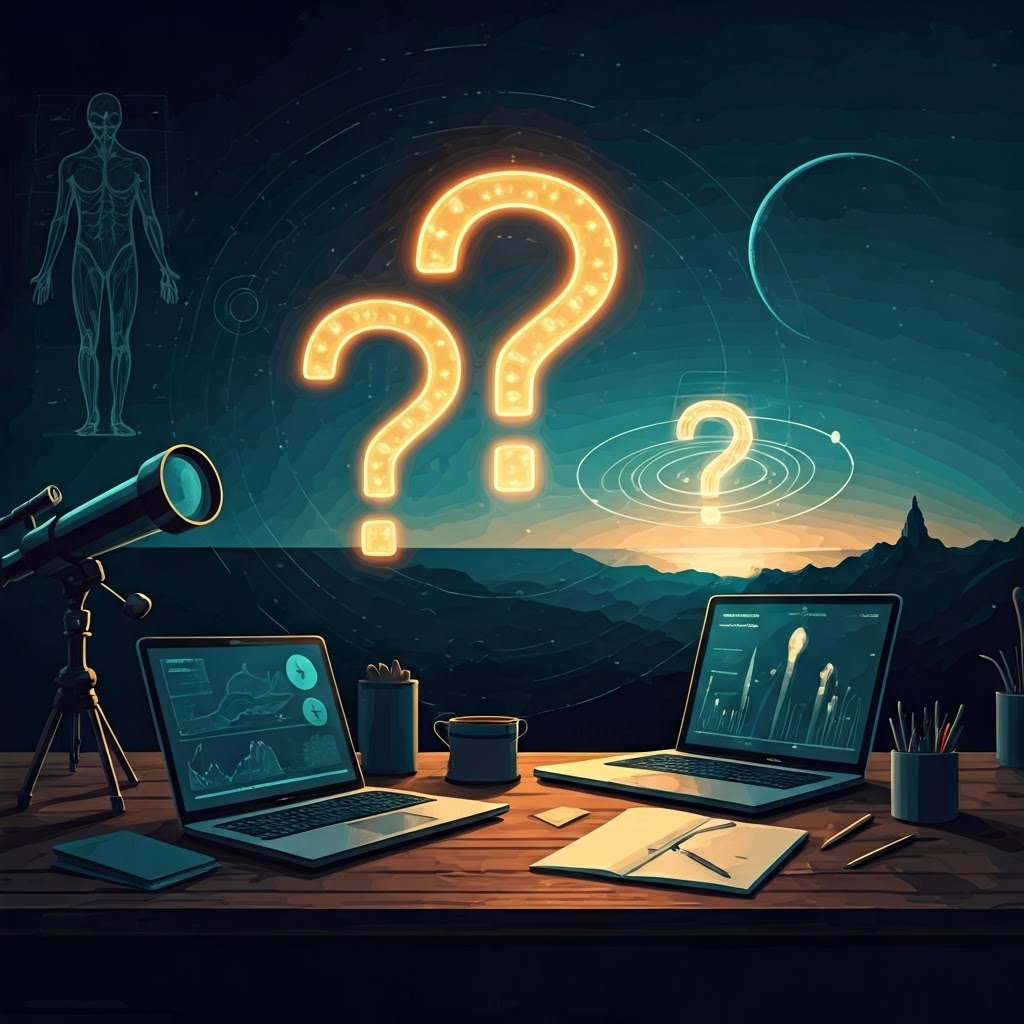
Modern desk with notebooks, laptops, telescope, and glowing question marks symbolizing curiosity and method

Not Just Doubt—A Method

Copernicus, Vesalius, and Paracelsus share one habit: they question inherited answers.

Their courage is personal—a scholar scribbling alone, an anatomist with a scalpel, an alchemist testing new cures.

Evidence overrides tradition. Once people ask sharper questions, the old worldview cracks, and modern science quietly begins.


Tome Genius

Medieval to Renaissance Europe: Transition & Transformation

Part 9

Tome Genius

Cookie Consent Preference Center

When you visit any of our websites, it may store or retrieve information on your browser, mostly in the form of cookies. This information might be about you, your preferences, or your device and is mostly used to make the site work as you expect it to. The information does not usually directly identify you, but it can give you a more personalized experience. Because we respect your right to privacy, you can choose not to allow some types of cookies. Click on the different category headings to find out more and manage your preferences. Please note, blocking some types of cookies may impact your experience of the site and the services we are able to offer. Privacy Policy.
Manage consent preferences
Strictly necessary cookies
Performance cookies
Functional cookies
Targeting cookies

By clicking “Accept all cookies”, you agree Tome Genius can store cookies on your device and disclose information in accordance with our Privacy Policy.

00:00