15 min read  •  10 min listen

Starlight Stories

Why Stars Live, Shine, and Explode—And What That Means for You

Starlight Stories

AI-Generated

April 28, 2025

Ever wondered what makes the stars above you burn so bright, or how their wild lives shape everything you know? This tome takes you on a journey from the birth of stars in cosmic clouds to their explosive ends, showing how their stories are tied to yours. Get ready to see the night sky—and yourself—in a whole new light.


Born in Cosmic Clouds: The Start of Every Star
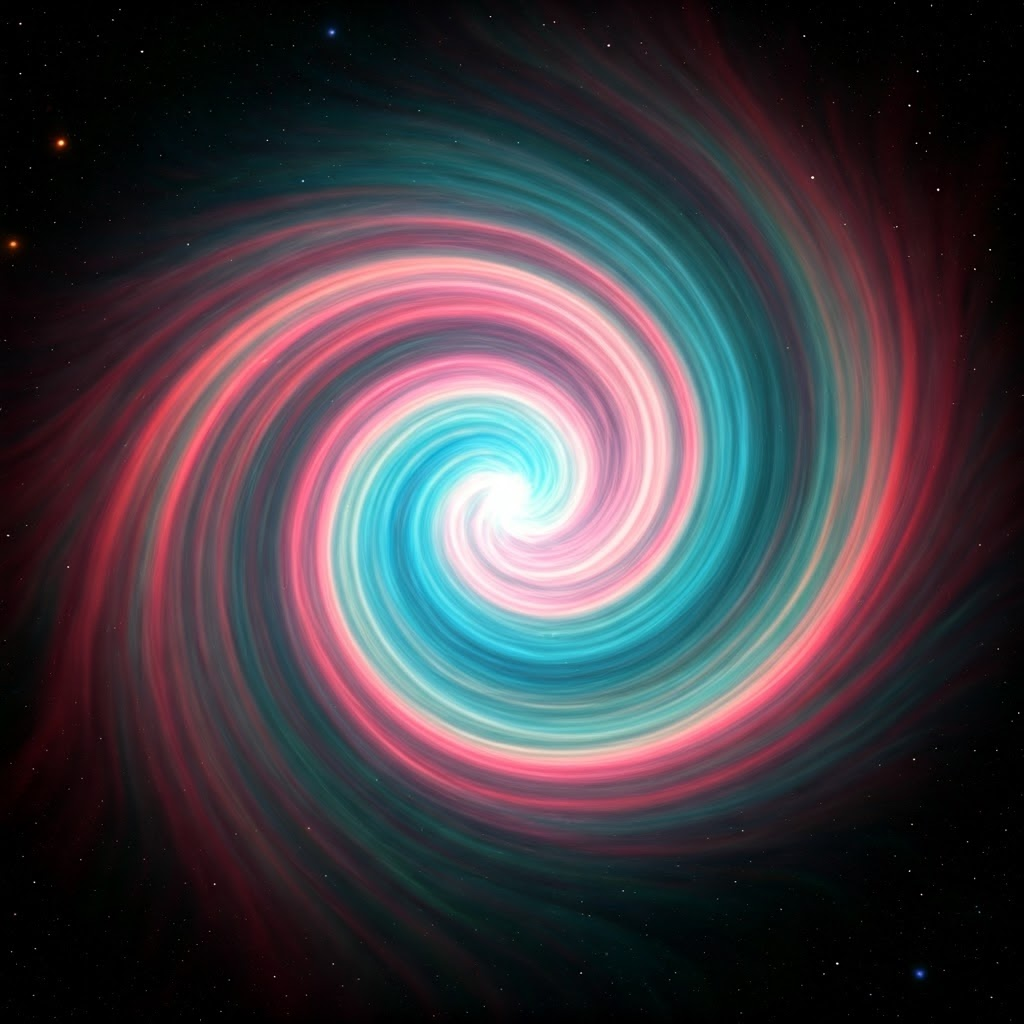
Swirling pastel nebula with pink, blue, and green hues showing dense gas and dust where stars begin, dreamy digital watercolor

Nebulae are the universe’s workshops. Inside these colorful clouds, gravity gathers hydrogen, helium, and dust—the raw ingredients for new stars.

Nebulae: Where Stars Begin
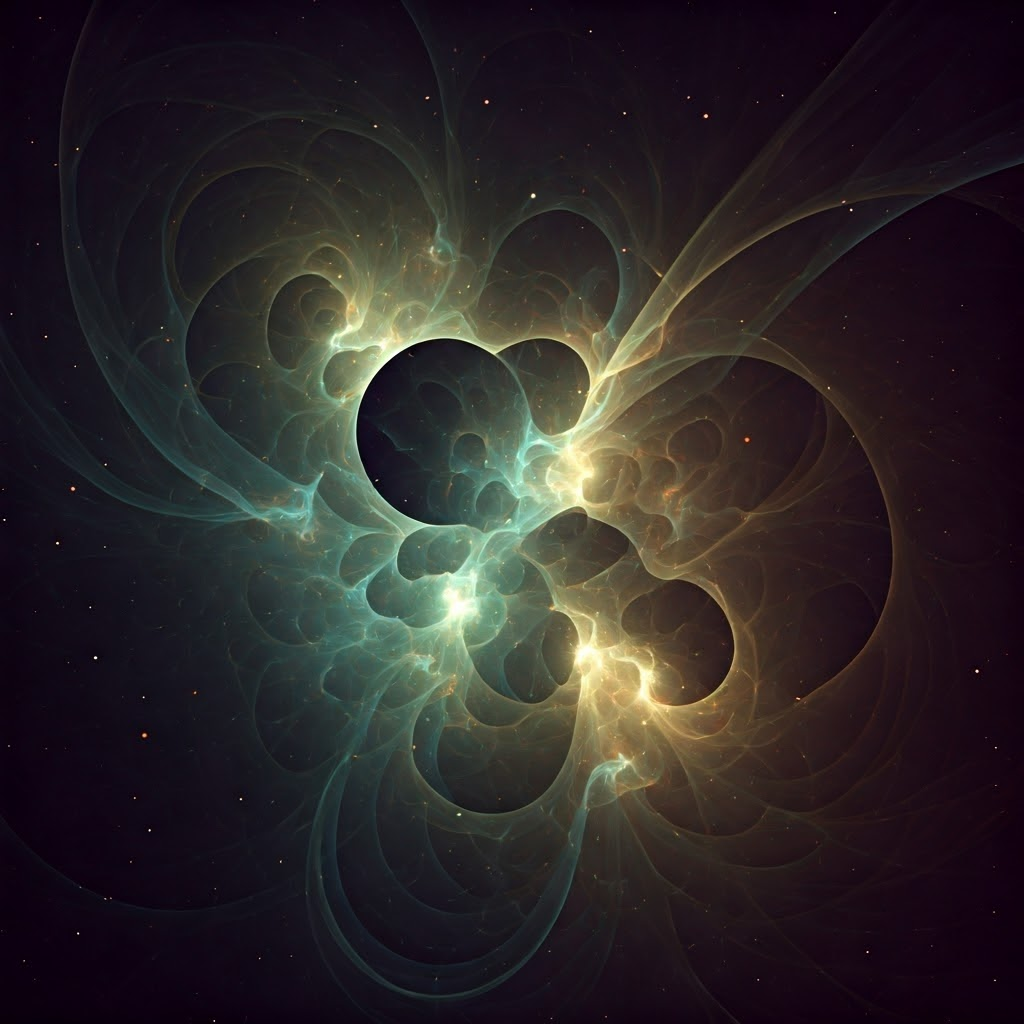
Close-up 3D render of tangled gas threads and calm dust pockets inside a dark nebula

Inside a nebula, gas twists and weaves. Gravity tugs particles together, forming thicker knots. Most knots stay quiet, but a dense one can plant the seed of a future star.
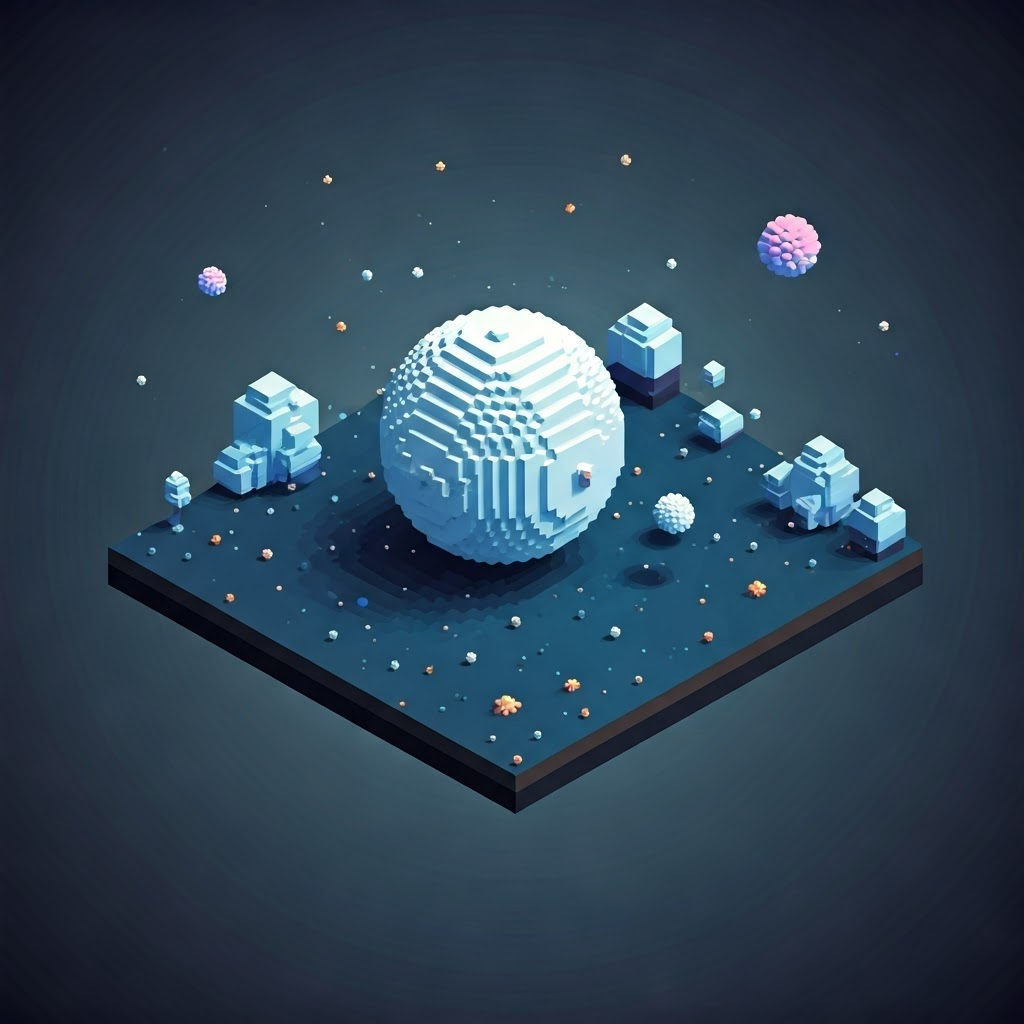
Voxel-style scene of a growing cosmic snowball collecting bright particles in space

Gravity Gets to Work

A forming clump acts like a snowball rolling downhill. As gravity pulls in more material, the clump heats and compresses, becoming a protostar—a star in training.

Inside the protostar, pressure rises quickly. The core nears the point where a dramatic transformation is about to start, yet it still needs the final spark.
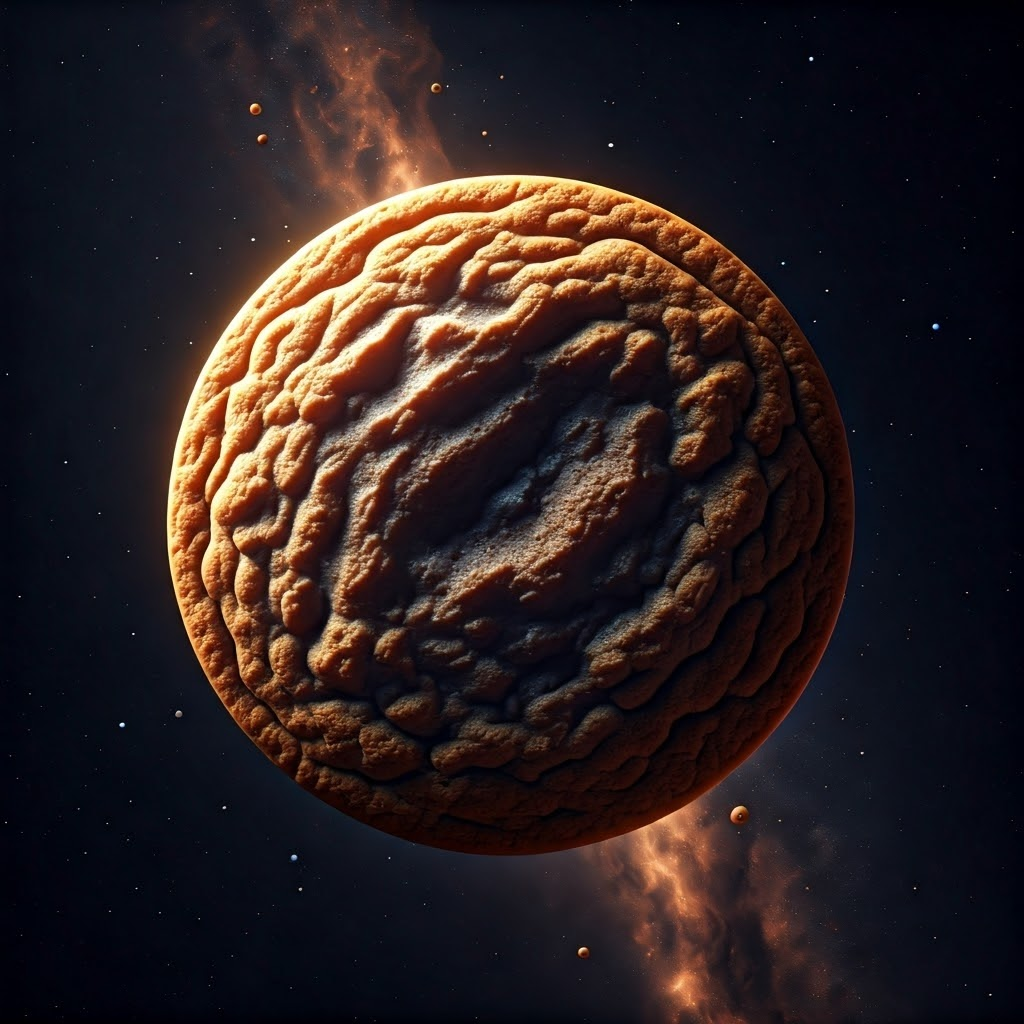
Giant half-baked cookie floating in space, symbolizing a brown dwarf with faint glow

Why Some Clumps Don’t Make It

Some clumps stall, cool, and never ignite. These brown-dwarfs are too small to shine like stars but larger than typical planets.

Lighting the Fire: Fusion Ignites
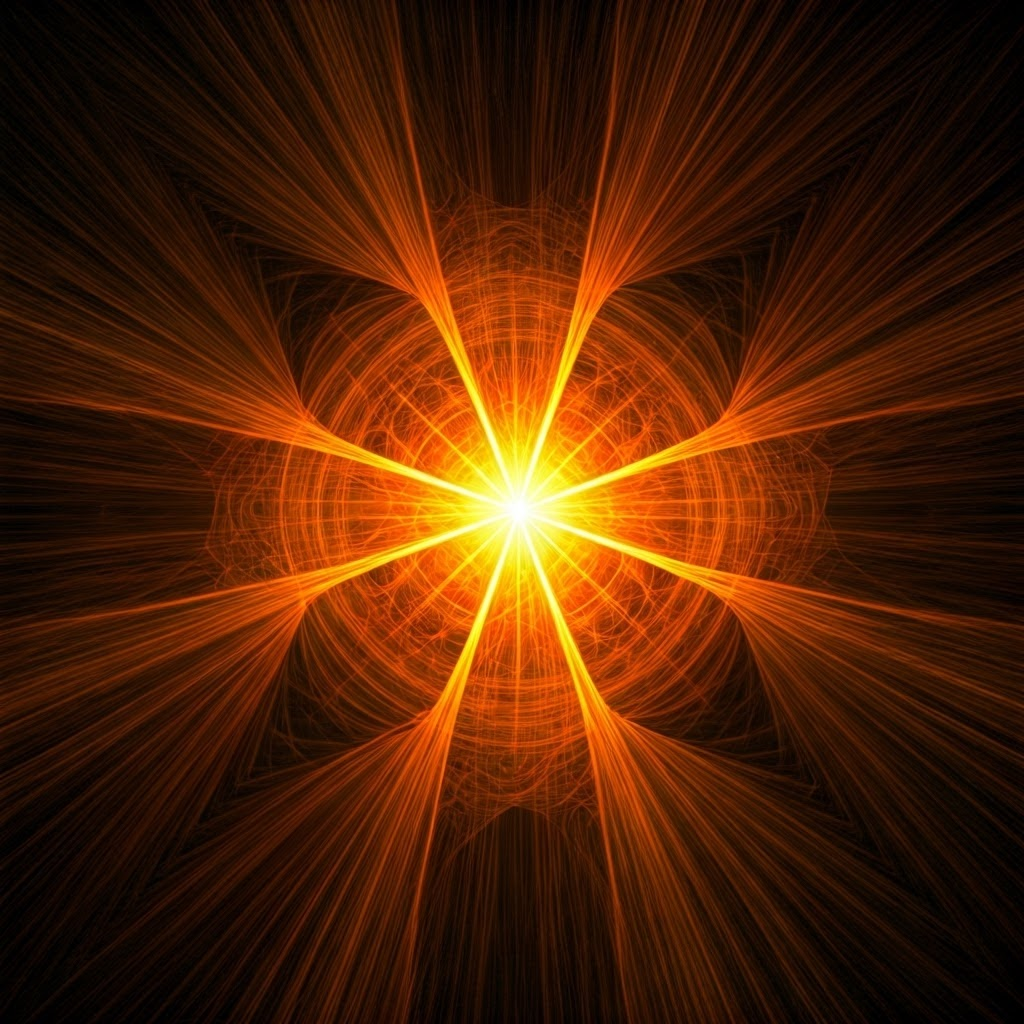
Abstract orange and yellow energy tendrils converging at a bright core, representing fusion

When a protostar’s core tops 10 million °C, hydrogen atoms fuse into helium. This fusion releases light and heat—the reason stars glow.

Once fusion starts, outward energy balances inward gravity. The young star settles into a long, stable phase.
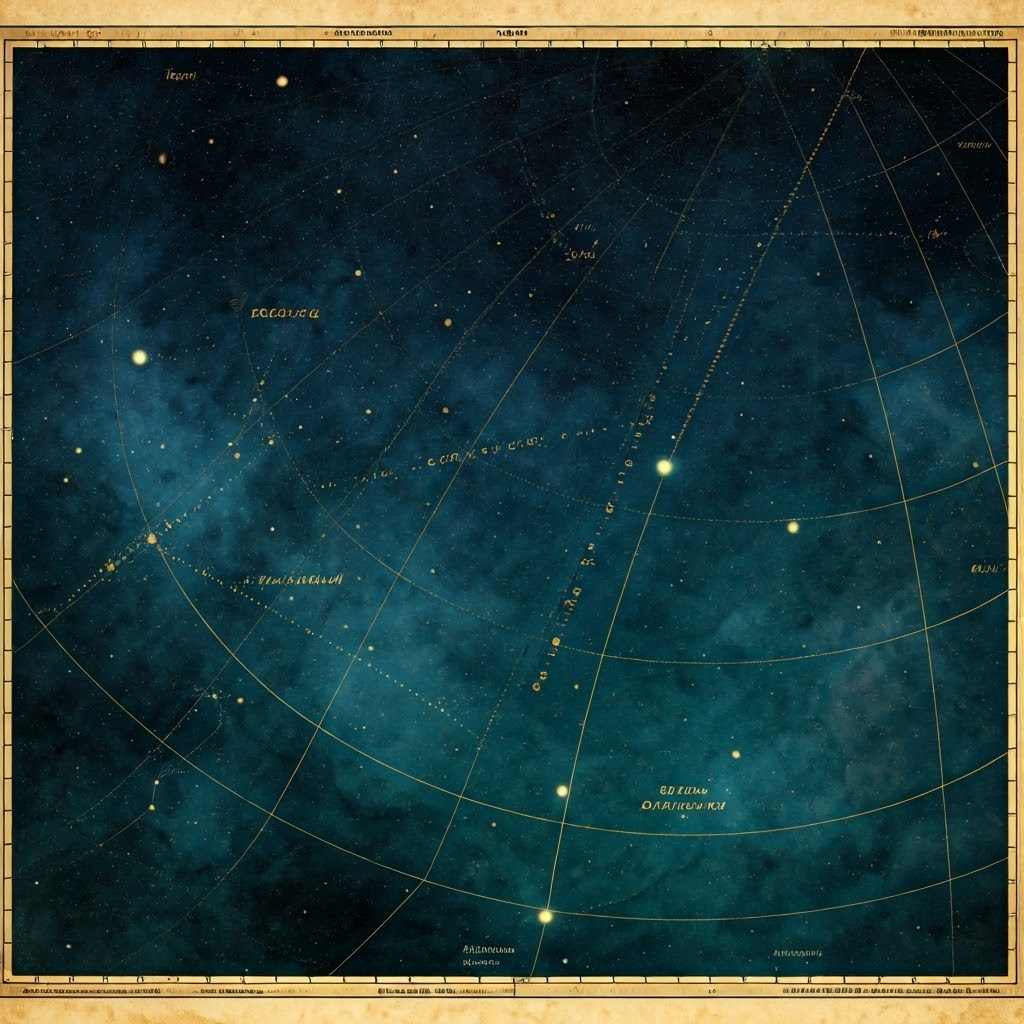
Vintage parchment star chart showing Hertzsprung–Russell diagram with stars along a diagonal band

Reading the Stars: The Hertzsprung–Russell Diagram

Astronomers sort stars by brightness and color on the H–R diagram. Most stars, including the Sun, live on the main-sequence for billions of years before moving off as they age.

Decades ago, Annie Jump Cannon linked stellar temperature to light patterns, arranging stars into the O-to-M sequence.
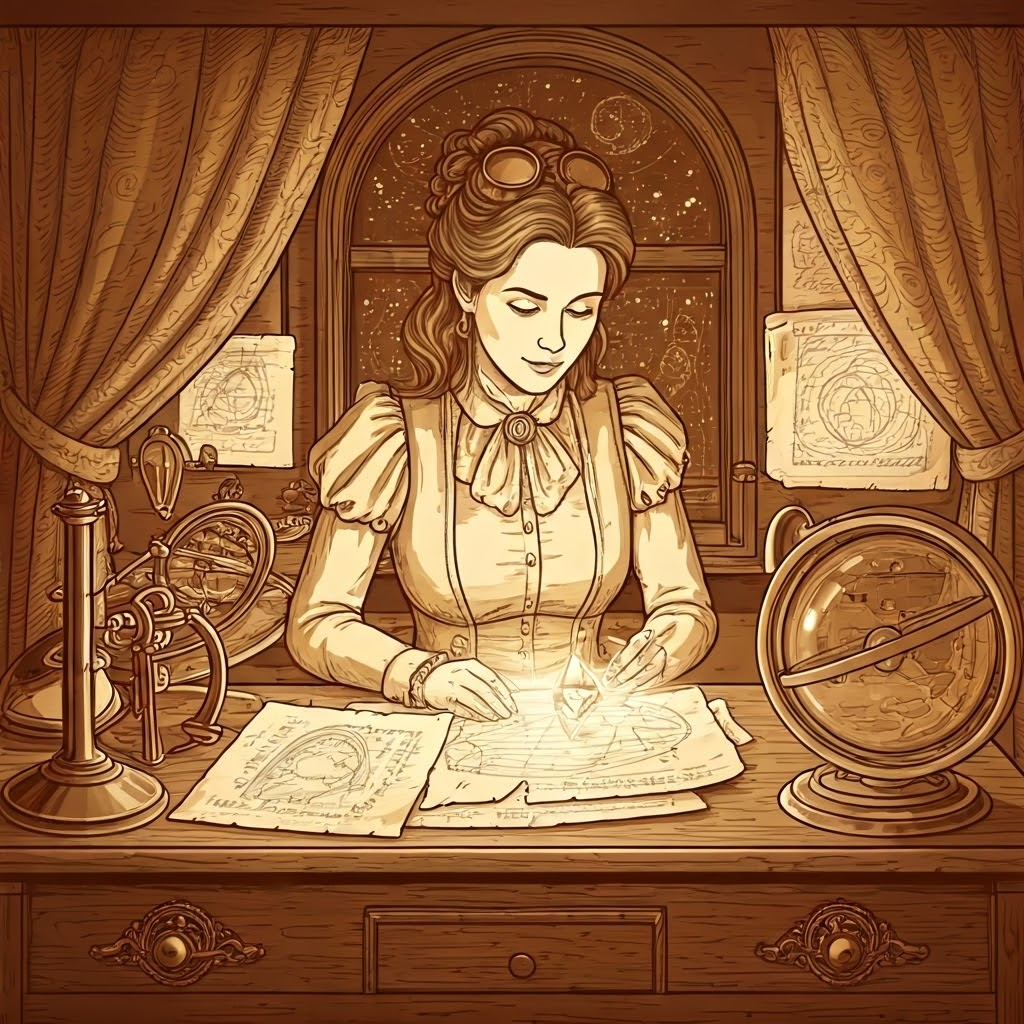
Sepia steampunk scene of Cecilia Payne studying stellar spectra with brass instruments and glowing prism

What Stars Are Made Of (And Why It Matters)

Cecilia Payne-Gaposchkin showed that stars are mainly hydrogen and helium, not heavy metals. This insight explains their long lifespans and their role in forging heavier elements.

Person standing beneath a brilliant night sky of thousands of stars over a purple-blue landscape

Every bright point above us began in a cold, dark cloud. Through gravity’s pull and fusion’s spark, these survivors of cosmic chaos illuminate the story of our universe.


Tome Genius

Astronomy 101: Exploring the Cosmos

Part 2

Tome Genius

Cookie Consent Preference Center

When you visit any of our websites, it may store or retrieve information on your browser, mostly in the form of cookies. This information might be about you, your preferences, or your device and is mostly used to make the site work as you expect it to. The information does not usually directly identify you, but it can give you a more personalized experience. Because we respect your right to privacy, you can choose not to allow some types of cookies. Click on the different category headings to find out more and manage your preferences. Please note, blocking some types of cookies may impact your experience of the site and the services we are able to offer. Privacy Policy.
Manage consent preferences
Strictly necessary cookies
Performance cookies
Functional cookies
Targeting cookies

By clicking “Accept all cookies”, you agree Tome Genius can store cookies on your device and disclose information in accordance with our Privacy Policy.

00:00