
Secrets, Shadows, and the Birth of Modern Espionage
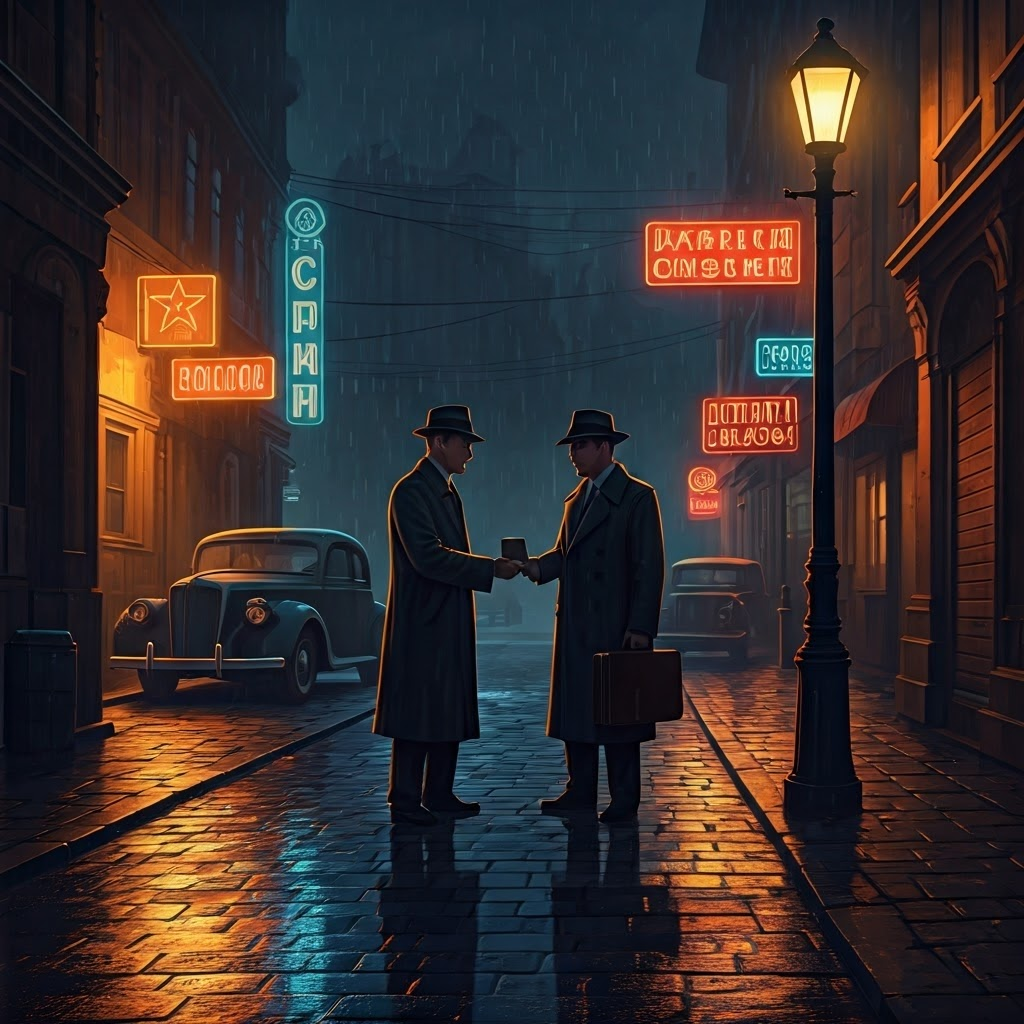
Why Spies? The World After World War II
Right after World War II people felt hopeful yet afraid. The Nazi menace had ended, but a fresh tension filled the vacuum.
Two new superpowers—the United States and the Soviet Union—held clashing visions for the future. Each believed the other would shape the world to its own design.
Both sides soon saw that real power came from information. They needed secrets before rivals could act, so they turned to spies who could slip behind borders and return with hidden plans.
Building the CIA and KGB: Rivals from the Start
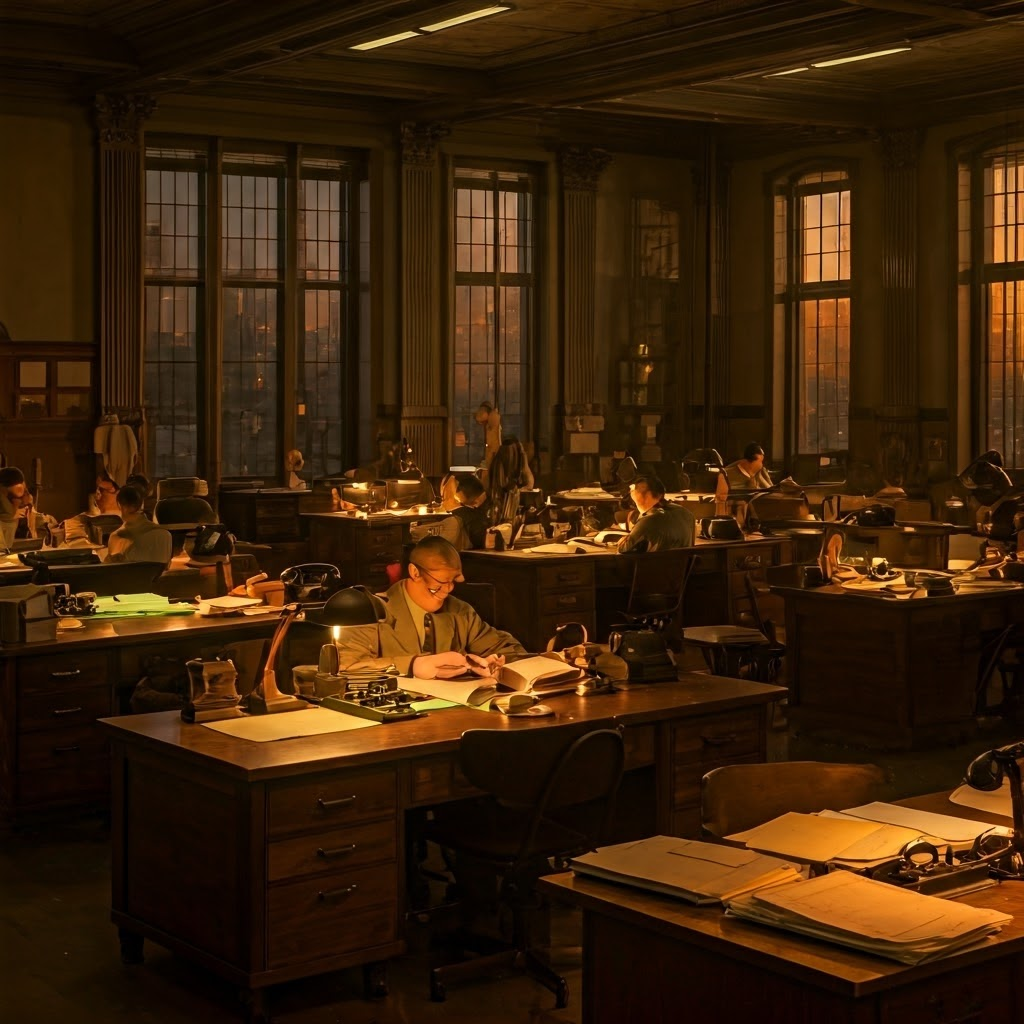
In 1947 the United States formed the CIA under the National Security Act. It combined daring fieldwork with sharp analysis, giving presidents insights no one else could.
The CIA borrowed methods from the wartime OSS. Field officers collected scraps, and analysts stitched them into a clear picture for policymakers.
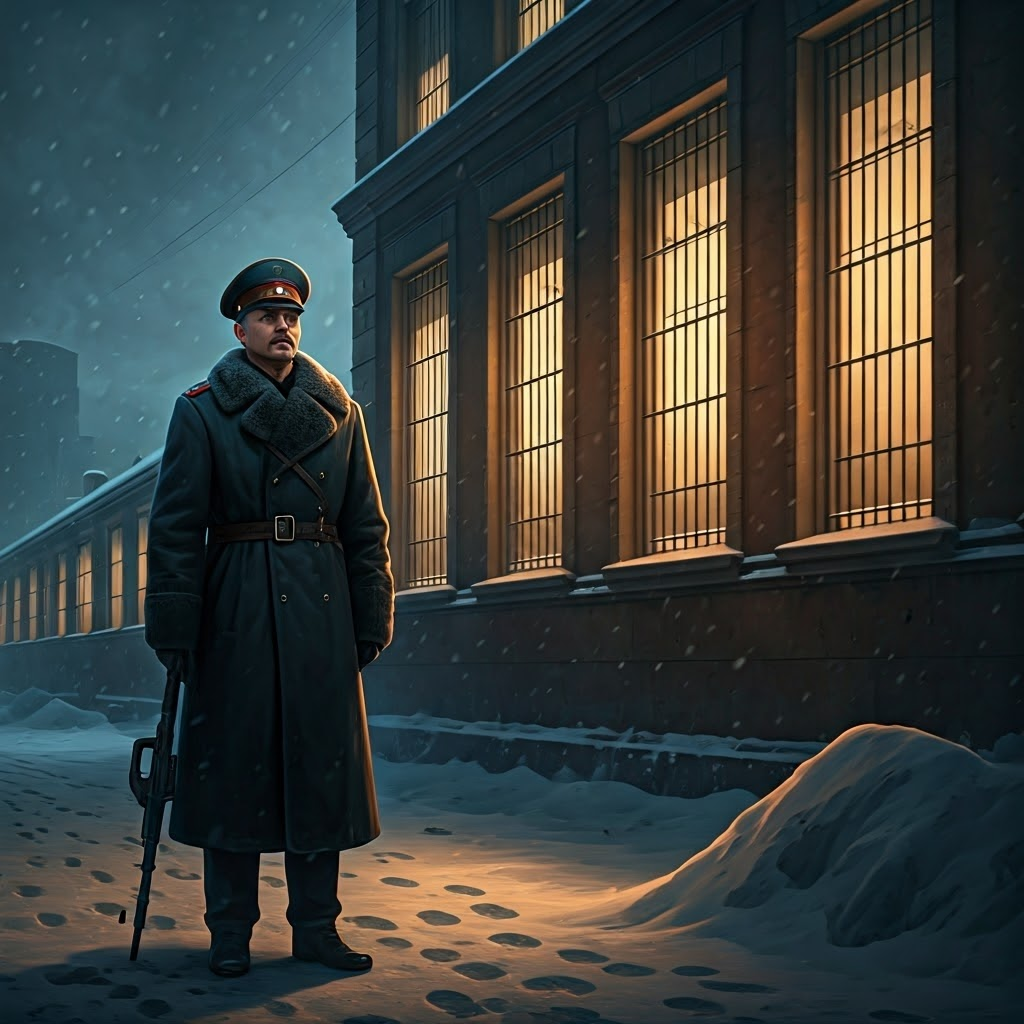
For the USSR espionage was a pillar of state power. The KGB grew from earlier Soviet services, blending foreign spying with strict internal control.
KGB agents prized loyalty and suspicion. Working under a regime that could rewrite rules, they often outpaced rivals by ignoring constraints democratic agencies faced.
The Cambridge Five: Friends, Traitors, and True Believers
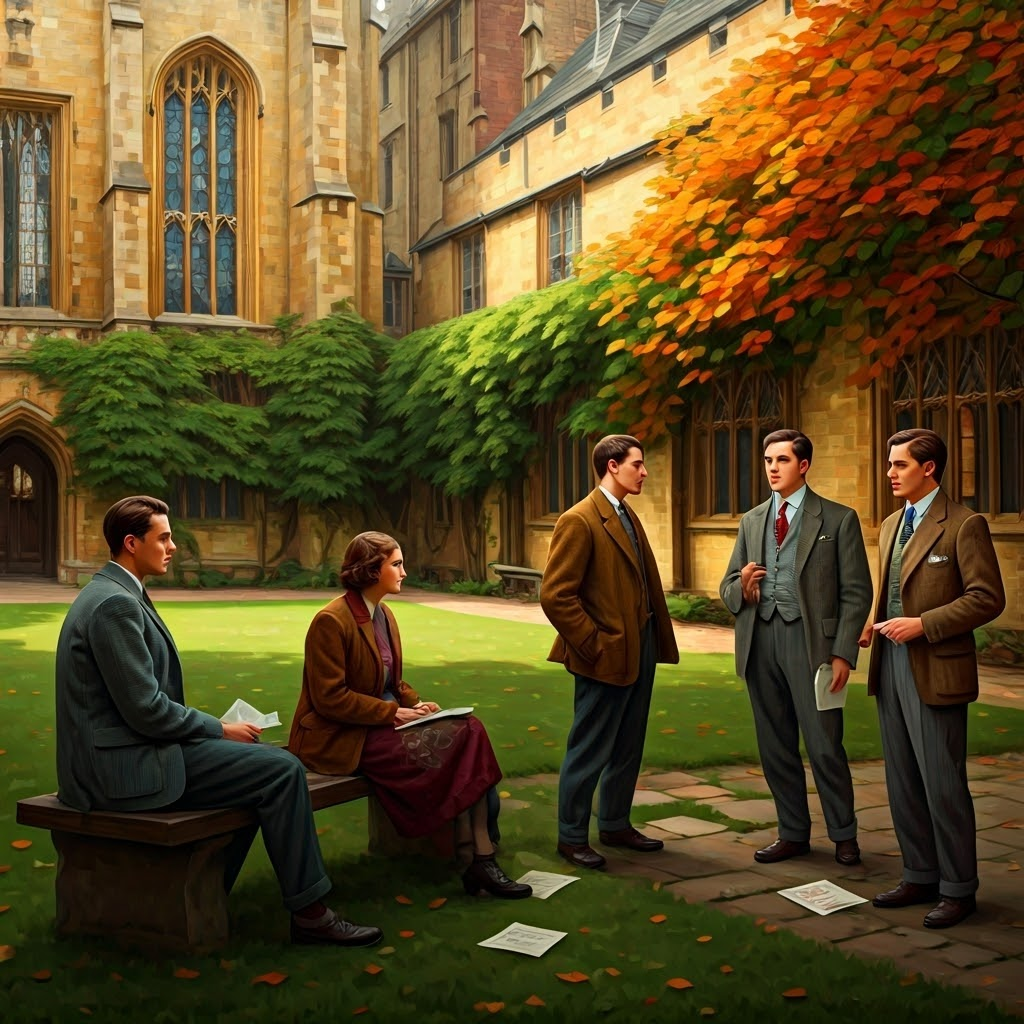
Five well-mannered Cambridge students—Philby, Burgess, Maclean, Blunt, and Cairncross—became legendary Soviet assets. Idealism, adventure, and secret glamour drew them in.
Their leaks exposed Allied strategies and nuclear research. Lives were lost, operations collapsed, and trust between London and Washington trembled.
Aldrich Ames and the Walker Spy Ring: When Greed Meets Secrets
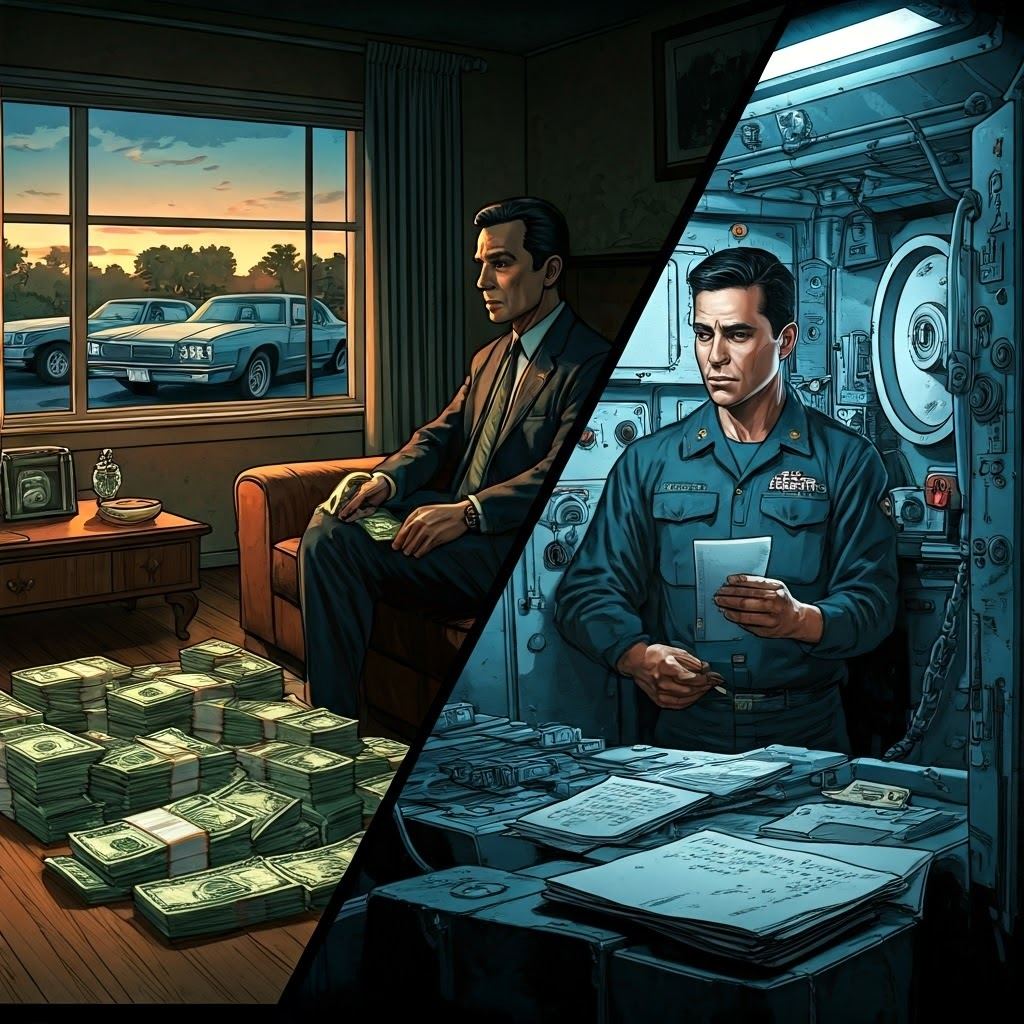
Not every spy acted for ideology. Greed drove CIA officer Aldrich Ames, who sold secrets for luxury and doomed at least ten agents.
At sea, Navy radioman John Walker recruited his family to pass encrypted messages for almost twenty years. Money and ego, not politics, fueled the betrayal.
Trust, Secrecy, and Lessons Learned
Early scandals forced agencies to tighten vetting. Suspicion sometimes ruined honest careers, while the KGB’s paranoia deepened behind the Iron Curtain.
Technology evolves, but people remain the weakest link. Desire for belonging, fear, and recognition still open the cracks where secrets slip away.
Cold War spycraft shaped modern intelligence, proving that true power lies not only in gathering secrets but in keeping—and understanding—them.
