
The Big Diets: What They Are and Why People Try Them

People explore different eating styles for many reasons. Health goals, personal ethics, and the planet’s well-being all play a role. Knowing the main diets—and why they appeal—helps you choose what fits your life.
Vegetarian, Vegan, and Flexitarian: The Plant Spectrum

A vegetarian plan drops meat but often keeps eggs and dairy. A vegan pattern avoids all animal products. A flexitarian mix stays plant-forward yet allows the occasional steak or fish. People choose these paths for better heart health, animal care, or a lighter environmental footprint.
Living plant-based can feel simple one day and tricky the next. Swapping burgers for lentil curry may seem bold at first. Creative cooks fill any protein gap with beans, nuts, and fortified foods. Keep an eye on B12, iron, calcium, and omega-3s—supplements or fortified products often help.
Mediterranean and DASH: Eating for Heart and Health

The Mediterranean approach centers on olive oil, veggies, fish, beans, nuts, and whole grains. Sweets and red meat appear rarely. DASH targets blood pressure by emphasizing fruits, vegetables, low-fat dairy, and minimal sodium. Large studies link both patterns to lower heart disease, stroke, and type-2 diabetes.
Doctors value these plans because they rely on real food, reasonable portions, and enjoyable flavors. That blend makes them easier to follow long term than stricter regimens.
Ketogenic and Low-Carb: The Carb Question

Keto and other low-carb diets slash grains, fruit, and many starchy veggies. The goal is ketosis, where the body burns fat for fuel. People adopt them for quick weight loss or steadier blood sugar. Early results can be dramatic, yet some users face headaches or “keto flu.”
Fiber and certain vitamins may drop on very low-carb plans. Many treat keto as a short reset, later adding whole grains and fruit for balance.
Intermittent Fasting and Paleo: Timing and Tradition
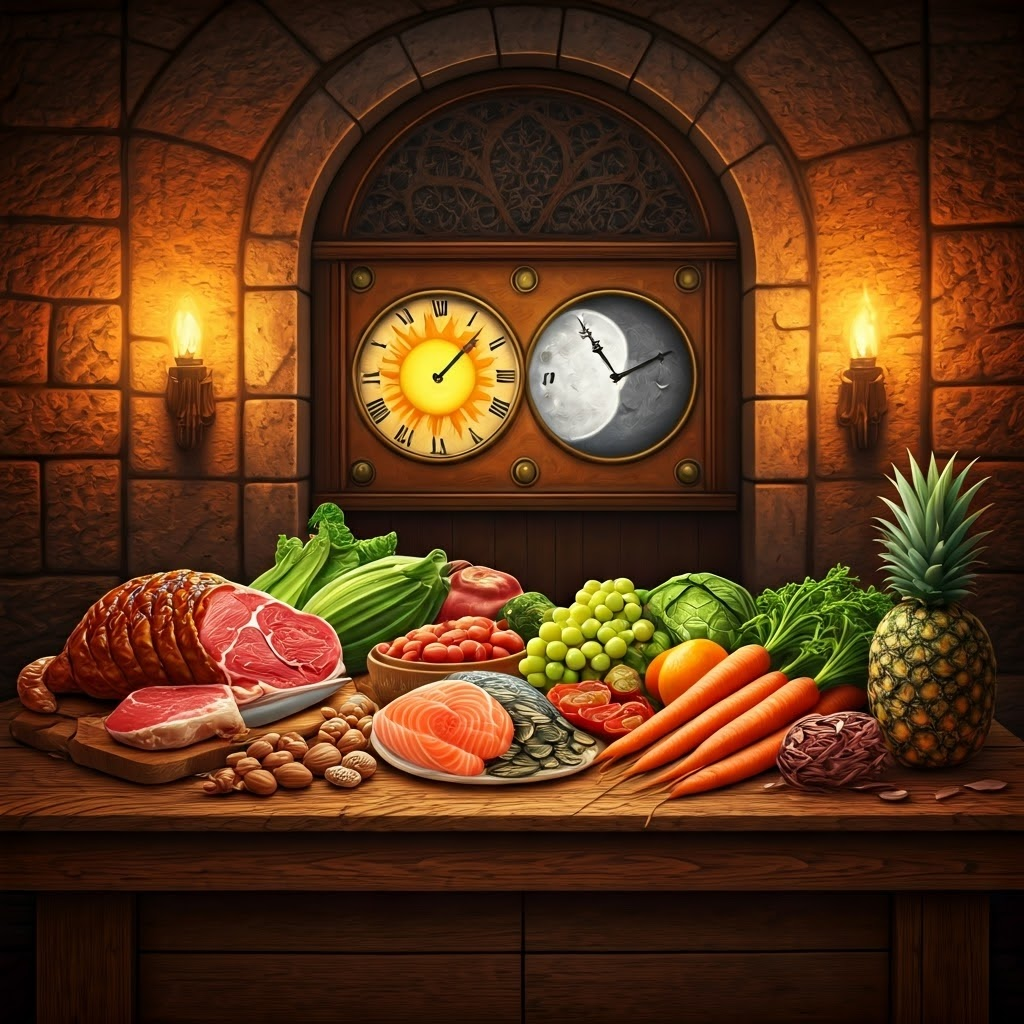
Intermittent fasting focuses on when you eat. A common 16:8 schedule allows meals for eight hours, then a 16-hour fast. Calorie intake often falls, which may aid weight or insulin control. Paleo looks back to hunter-gatherer days, favoring meat, fish, fruits, veggies, nuts, and seeds.
Both styles offer a clear narrative—either rhythmic eating or ancestral habits. Still, skipping grains or long stretches without food can strain social plans or daily energy, so flexibility matters.
Gluten-Free: Who Needs It and Who Doesn’t

Gluten, the wheat protein, harms people with celiac disease and troubles some with non-celiac sensitivity. Removing it heals their gut and eases symptoms. For most others, whole-grain bread adds helpful fiber and B-vitamins. Gluten-free packaged foods can carry more sugar and fewer nutrients, so choose wisely.
If you suspect intolerance, seek medical testing before dropping gluten—diagnosis requires active exposure.
Why You Might Want to Mix and Match
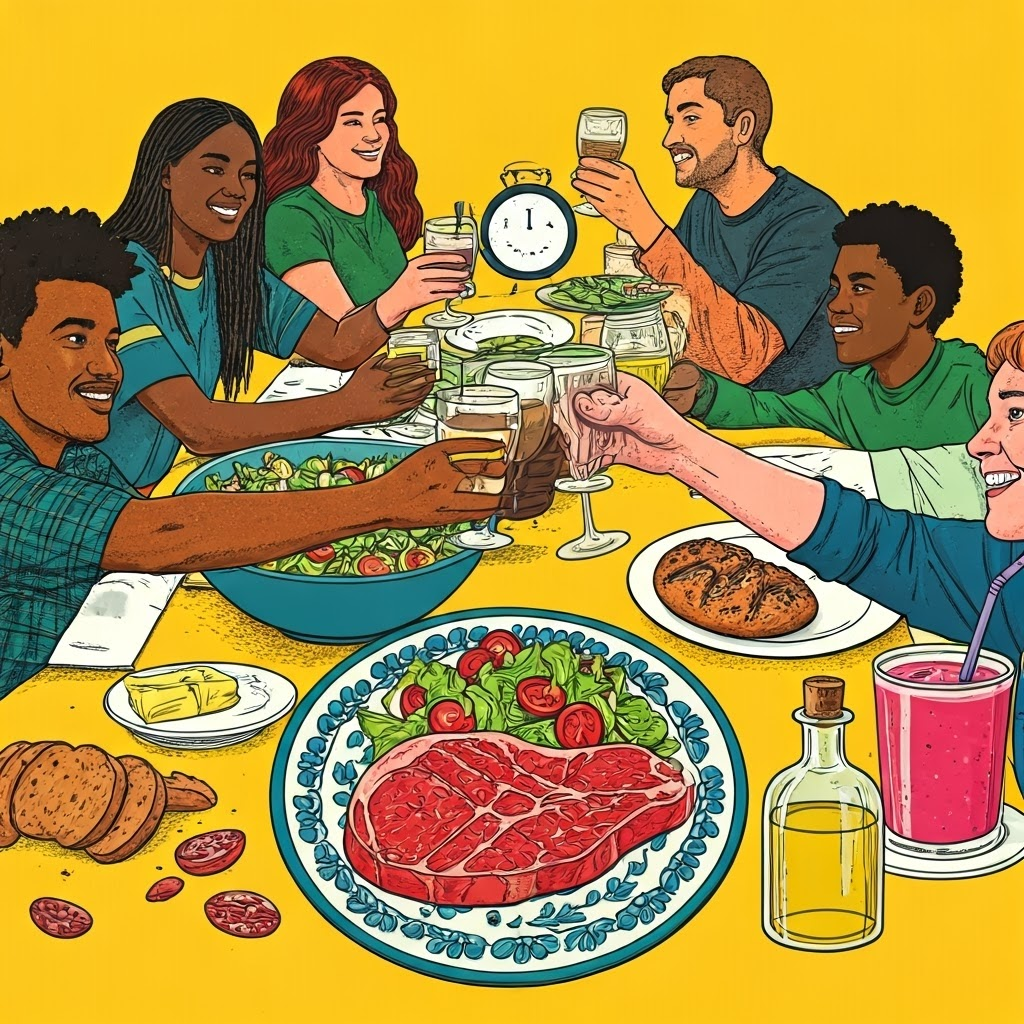
No single plan wins for everyone. Busy families prize convenience, eco-minded eaters lean plant-ward, and those watching blood sugar may go lower-carb. Many people craft a hybrid routine—Meatless Mondays, olive oil over butter, or occasional fasting. The best diet is enjoyable, adaptable, and sustainable long term.
