
Promises and Power Plays: The Allies at the Crossroads
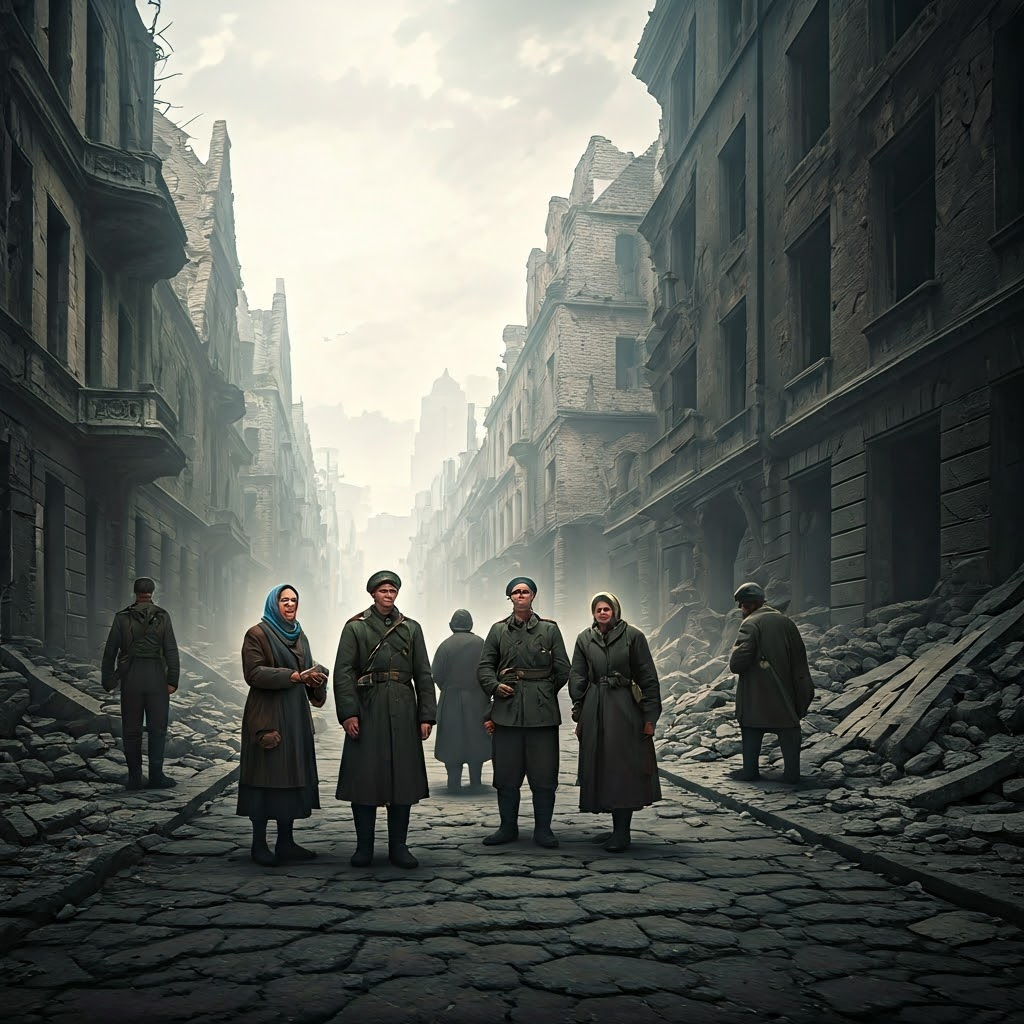
Germany’s surrender in May 1945 left Europe suspended between tears and cheers. Bombed cities looked broken yet hopeful. Smoke drifted above silent streets while soldiers straggled home. Families tallied losses and blessings. Relief filled the air, yet uncertainty lay everywhere about who would rebuild and lead.
The Allies had won together, but trust was thin. Three partners had chased out a bully, then turned to measure one another’s fences. Old agreements felt shaky. Suspicion lingered, and many wondered if victory could hold or if hidden fault lines would soon crack open.
Yalta and Potsdam: Deals, Doubts, and Disagreements
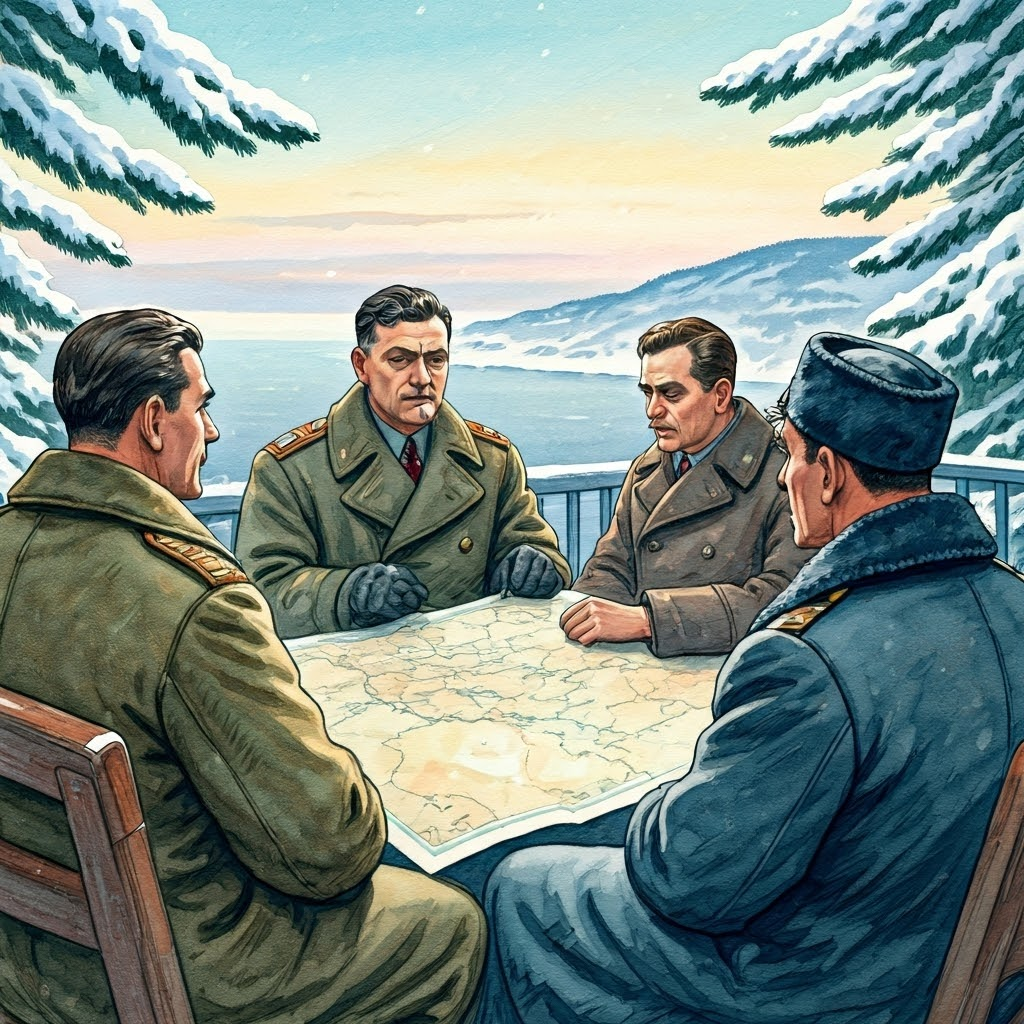
At Yalta in February 1945, Stalin, Roosevelt, and Churchill gathered in a chilly resort to plan life after Hitler. The Red Army advanced from the east while Western troops closed in from the west. Each leader eyed the map, seeking security and influence. Ambition filled the room.
They agreed to split Germany into four zones and promised free elections in liberated lands. A new United Nations would replace the failed League. On paper, cooperation shone brightly. Yet Stalin demanded a protective buffer, Roosevelt trusted shared interests, and Churchill doubted Soviet intent. Promises already felt fragile.
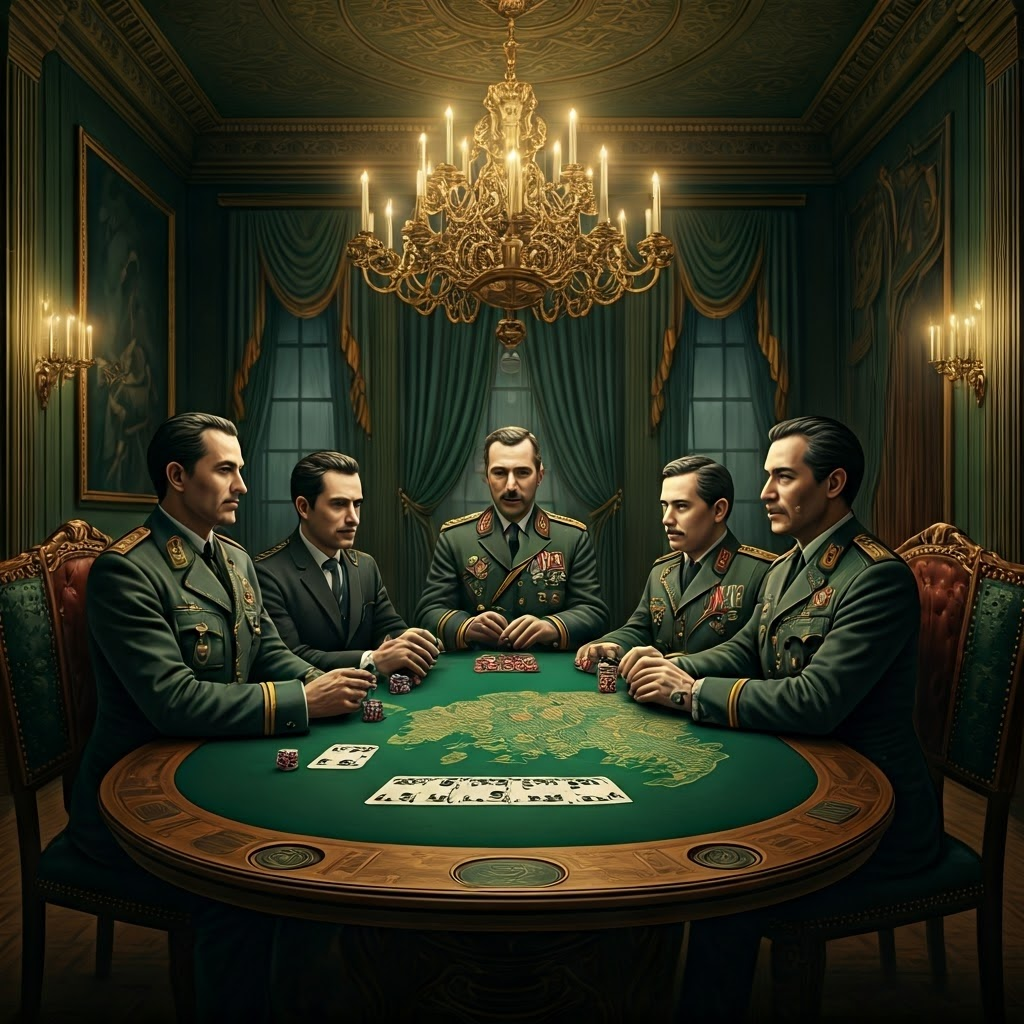
By Potsdam in July 1945, the tone had hardened. Roosevelt was gone, Truman had arrived, and Churchill lost an election mid-conference. Stalin appeared confident, his armies deep in Europe. Talks focused on borders, reparations, and Poland’s future. Tension thickened as each side guarded its interests.
Truman hinted at America’s new atomic bomb; Stalin showed no surprise, already briefed by spies. A U.S. diplomat called the meeting a poker game. Lines dividing future allies became clearer, even if no one named the coming struggle yet. Mistrust settled into place.
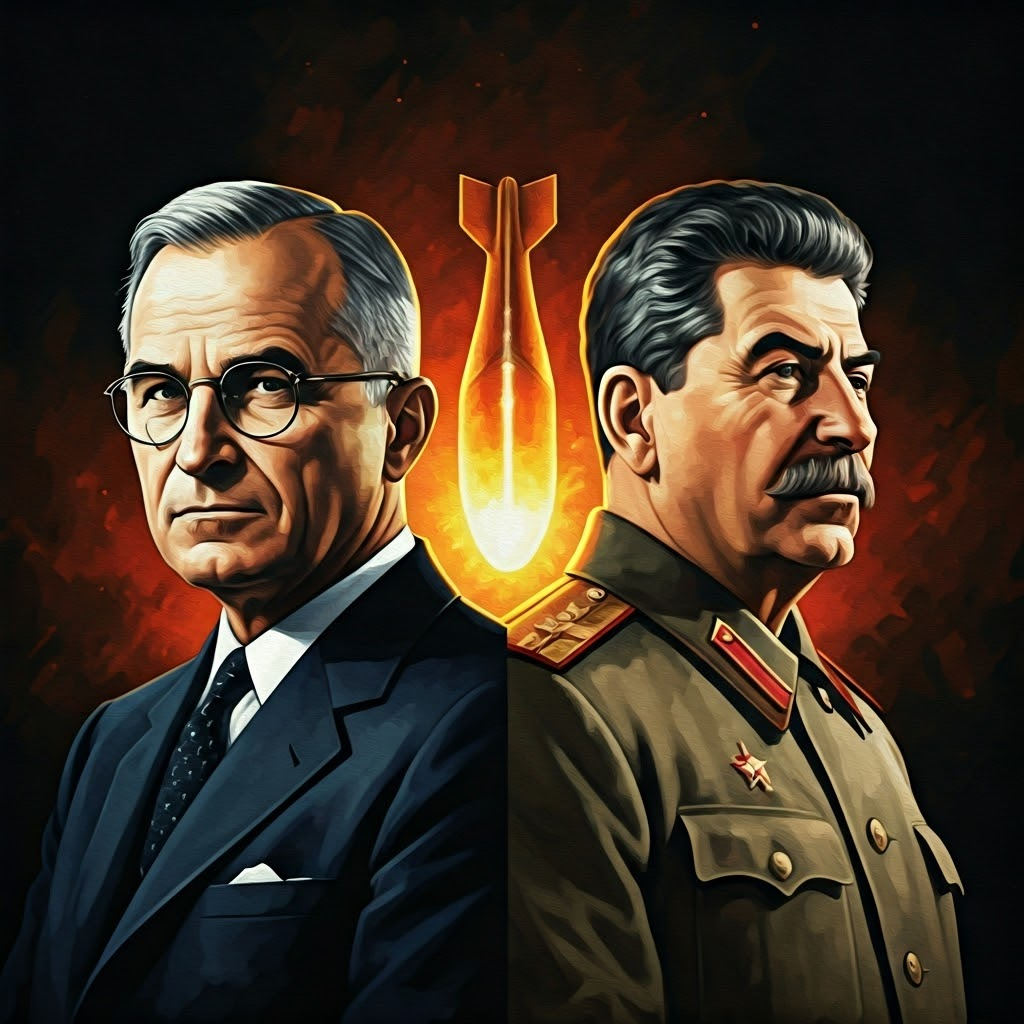
Truman and Stalin: Two Leaders, Two Worlds
Leadership styles sharpened the split. Harry Truman, a straightforward Missourian, valued clear rules and saw global affairs in black and white. He disliked secret deals and felt morally bound to confront Soviet moves. Clarity guided his stance.
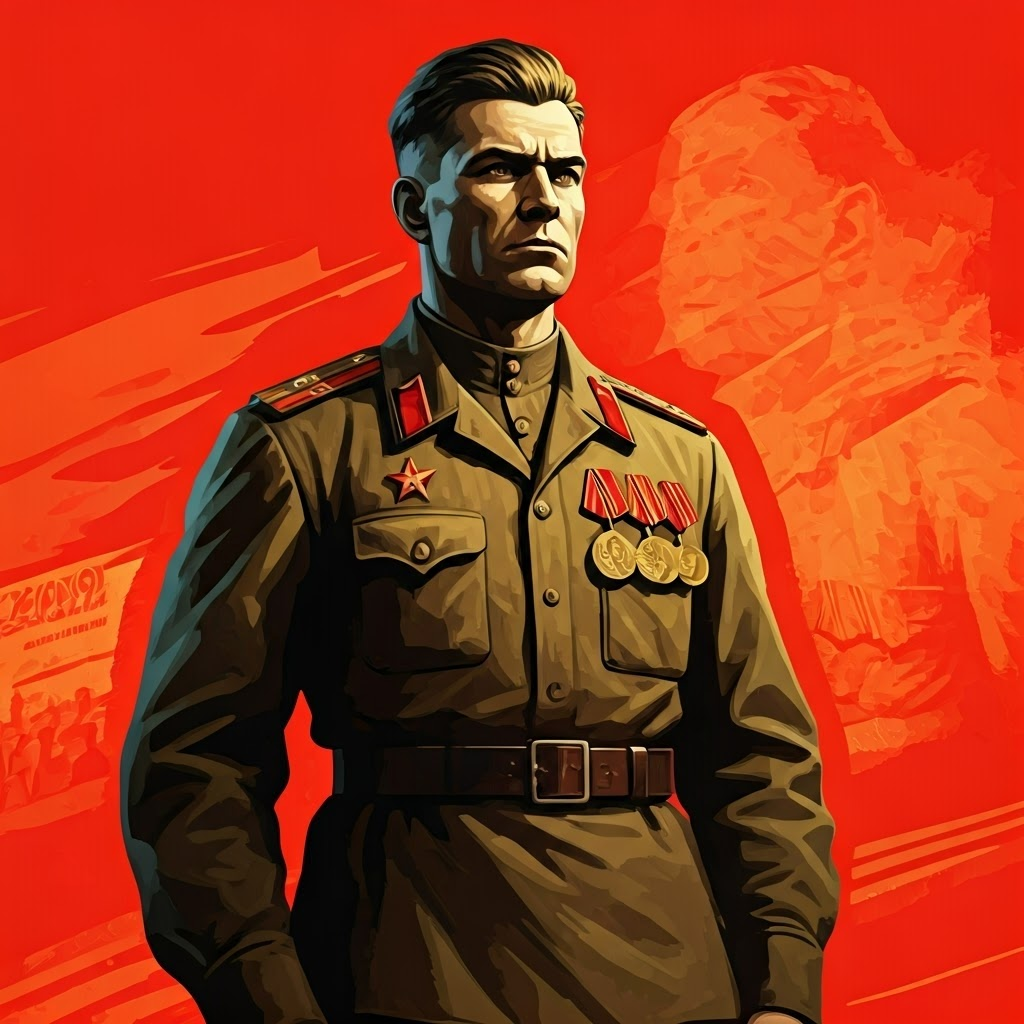
Joseph Stalin, hardened by purges and a brutal war, trusted few. The USSR had lost over 20 million people, and he vowed never to face invasion again. Free elections near Soviet borders looked risky to him. Security took priority over ideals.
Their worldviews clashed. Truman talked about self-determination; Stalin spoke of spheres of influence. After a sharp exchange with Molotov, Truman warned that broken agreements would draw harsh words. Small remarks revealed vast differences. Ideology fueled every conversation.
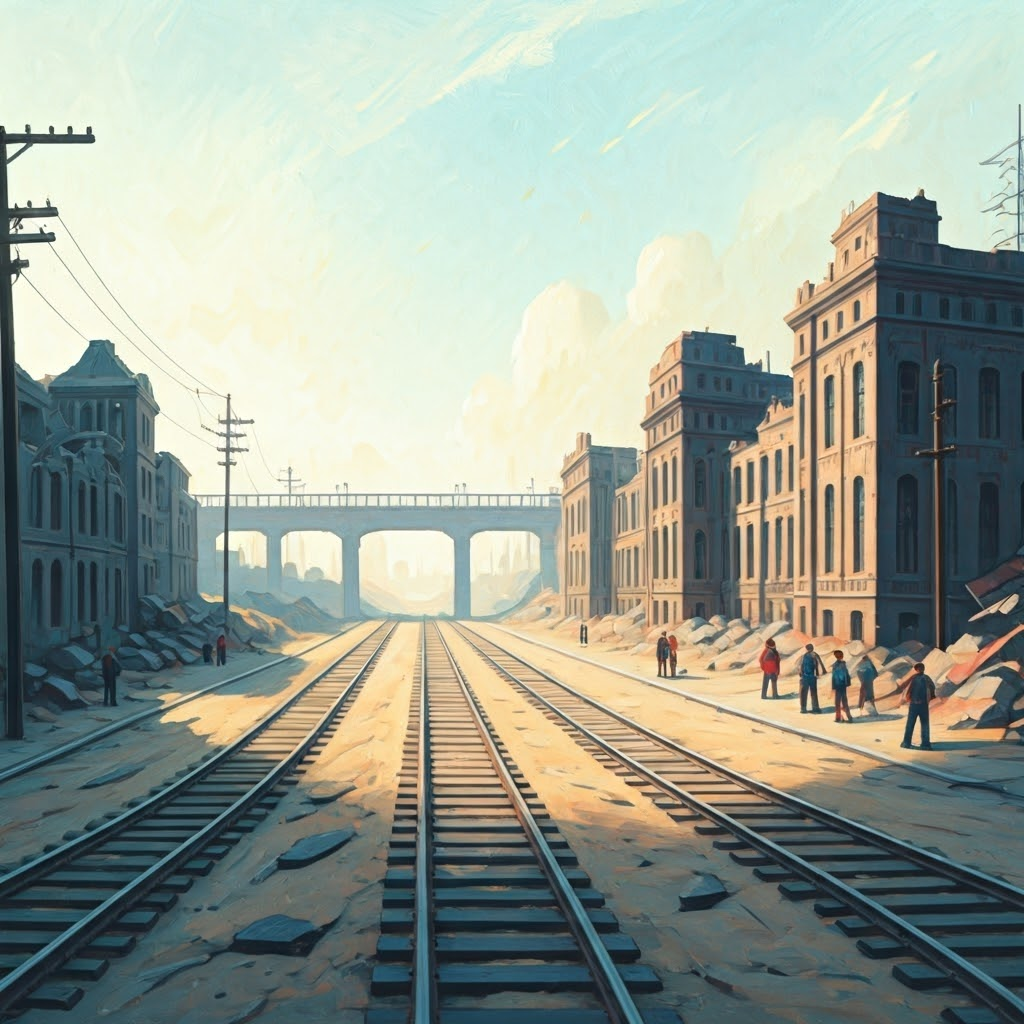
Across Europe, smaller nations watched anxiously. Poland, Hungary, and Czechoslovakia longed for real independence, yet great powers shaped their fate from distant tables. Hope mingled with dread as new borders appeared on maps.
Ordinary Europeans craved peace and bread more than ideology. They tuned radios for clues, cleared rubble, and wondered if yesterday’s liberator might become tomorrow’s occupier. Survival remained their daily goal.
Out of these mixed signals—promises kept, promises broken—a new standoff quietly formed. Winning peace proved harder than winning war, and the seeds of a long Cold War took root in 1945’s uncertain soil. Legacy would soon define the age.
