
The Skeleton and the Brain: Structure, Avionics, and Command Systems

Holding It All Together: Structure and Materials
Picture a structure as a backpack frame that keeps every component safe during the rough ride into orbit.
Launch vibrations shake the craft like a roller-coaster. Rapid swings between scorching sunlight and deep-freeze nights try to warp it. The frame must shrug off both forces so instruments stay aligned.
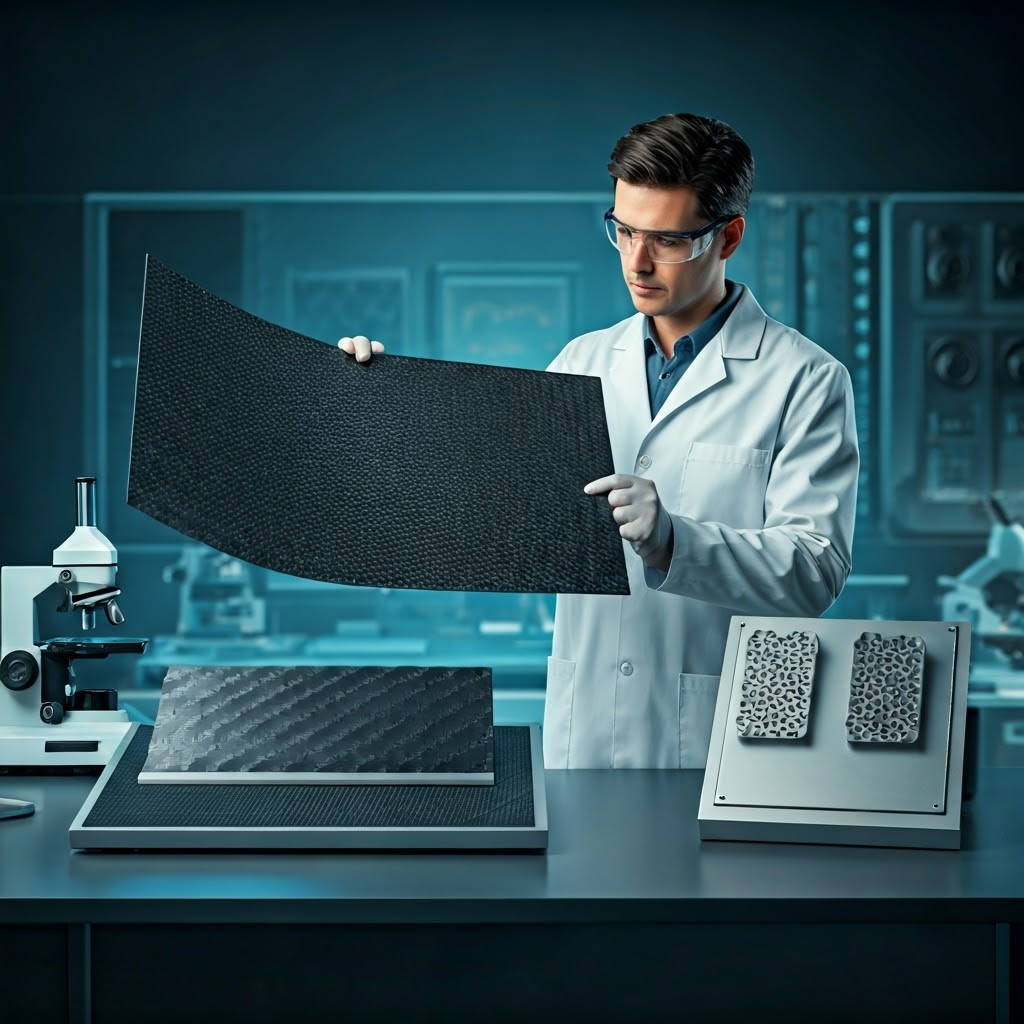
Holding It All Together: Structure and Materials
Designers choose materials that are tough yet light. Aluminum alloys, titanium, and carbon-fiber composites resist vacuum corrosion and harsh temperature swings. An aluminum honeycomb panel feels almost weightless yet stays rigid—perfect for Mars rovers or deep-space probes.
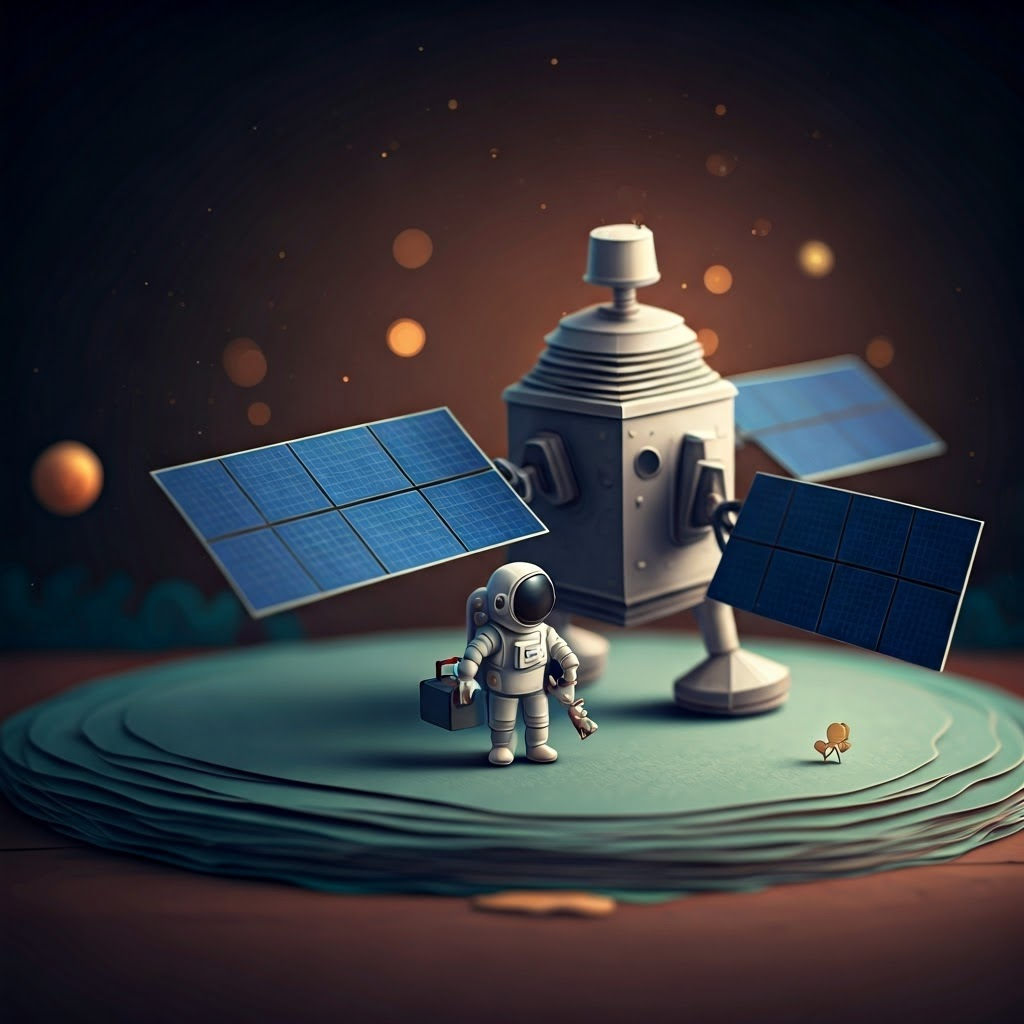
Holding It All Together: Structure and Materials
Every mission balances protection and mass. Folded, deployable parts—much like a camping chair—pack tightly for launch, then expand in orbit. This foundation lets telescopes, rovers, and weather sats do their jobs without excess weight.
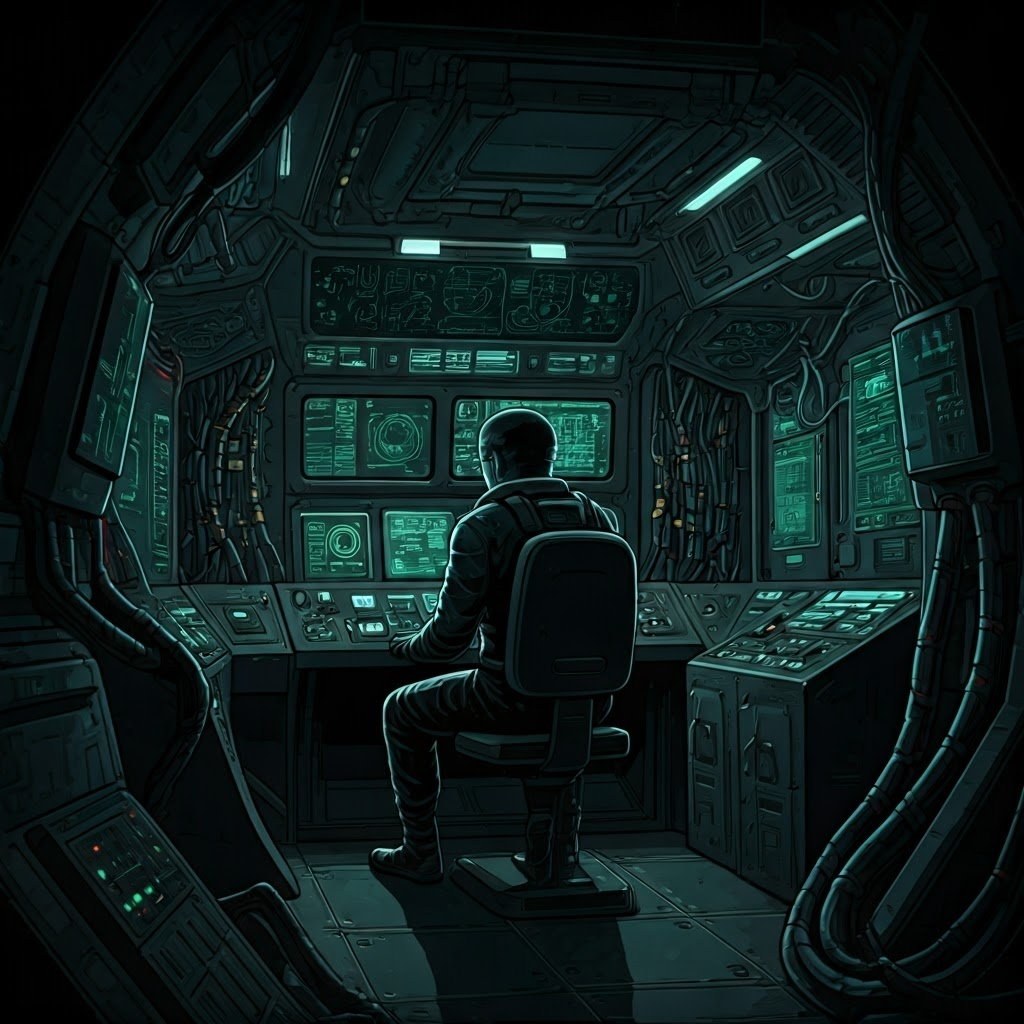
The Nervous System: Avionics
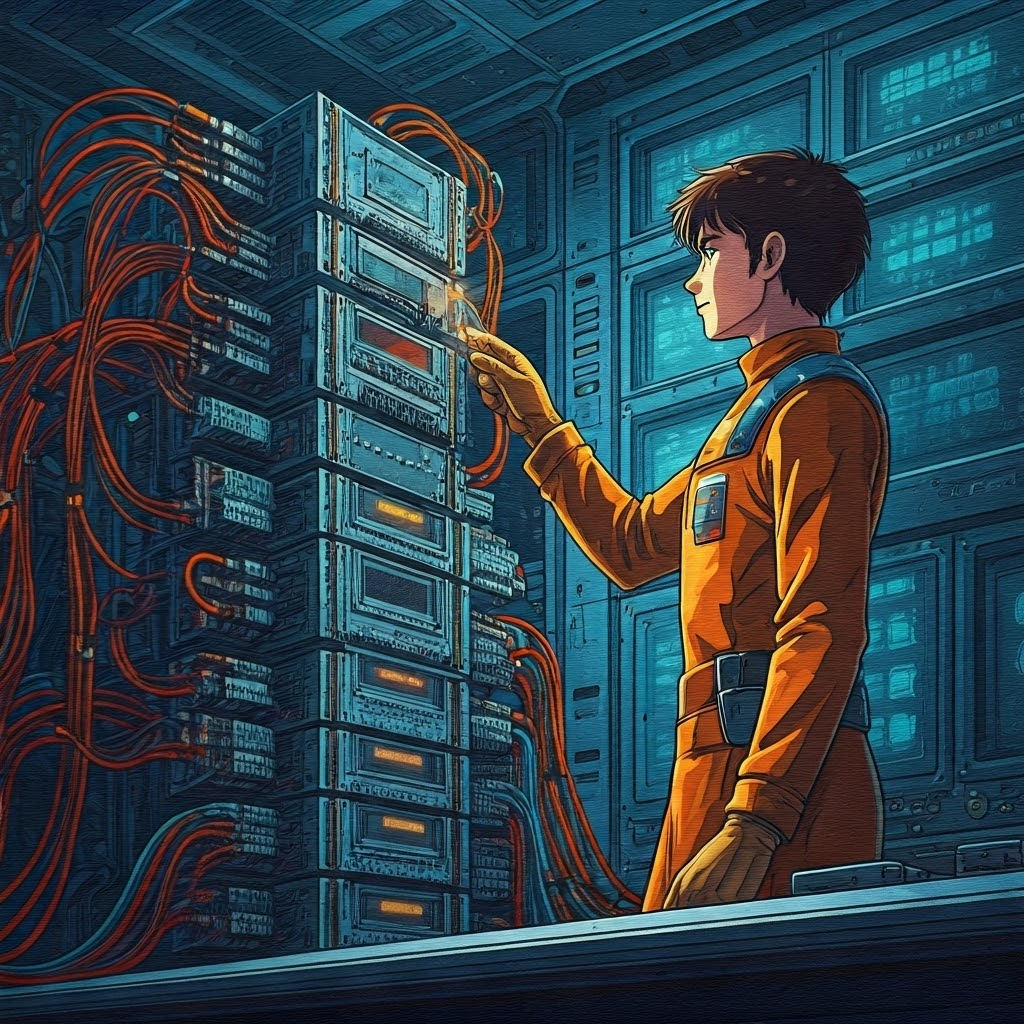
Avionics form the spacecraft’s nerves. Wires, sensors, and microchips route power and data so heaters switch on, cameras aim, and thrusters fire at the right moment.
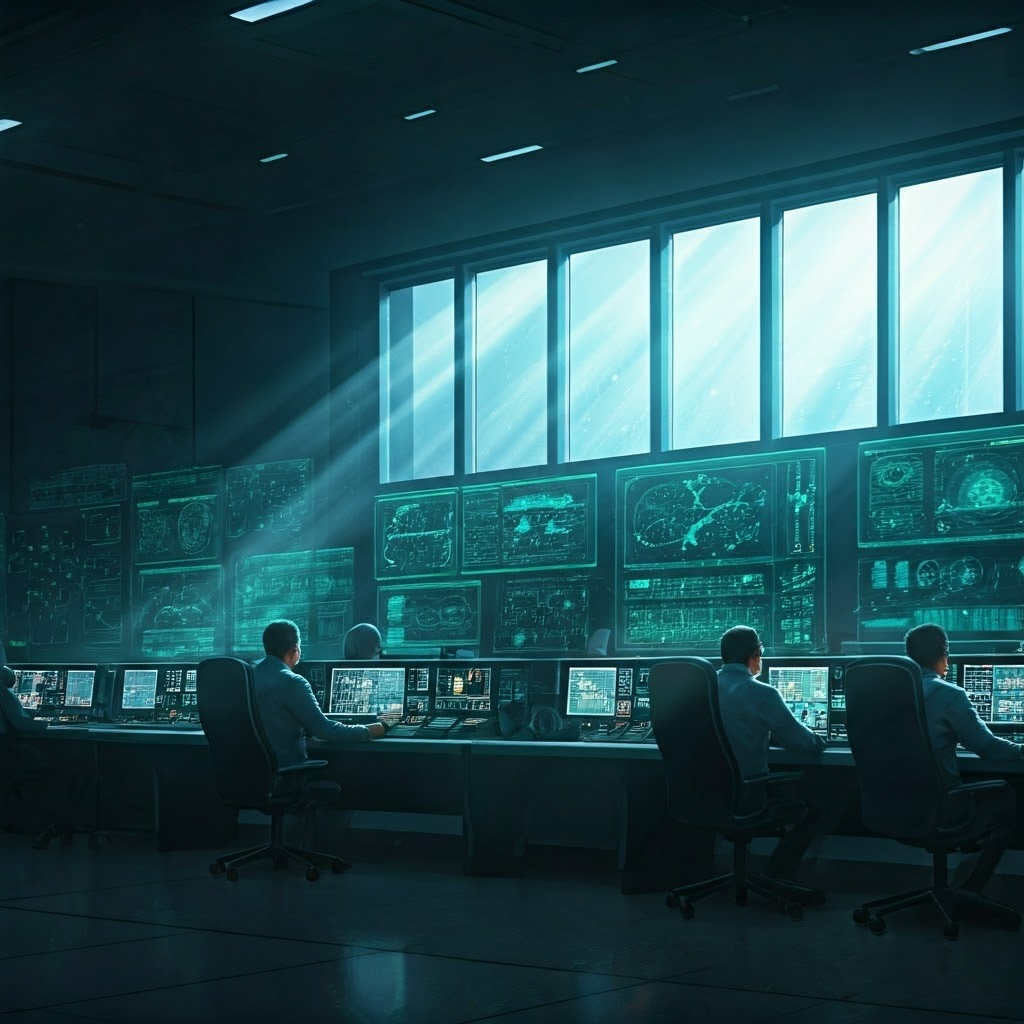
The Nervous System: Avionics
Smart fault-detection software spots odd temperatures or silent sensors and often fixes issues before ground teams notice. Mars Pathfinder survived a data glitch this way, keeping science rolling.
The Nervous System: Avionics
Engineers add redundancy—extra computers, wires, and sensors. When Landsat 8’s main computer failed in 2013, a backup took over instantly and the mission never paused.

Keeping the Show Running: Command and Data Handling
Command and data handling acts as the craft’s planner. It stores Earth’s instructions—“point at Jupiter,” “heat at midnight”—then releases them on schedule and logs sensor data for later download.

Keeping the Show Running: Command and Data Handling
Space radiation flips bits, so computers run error-correcting codes and watchdog timers. If software freezes, the system reboots itself—no astronaut required.
Keeping the Show Running: Command and Data Handling
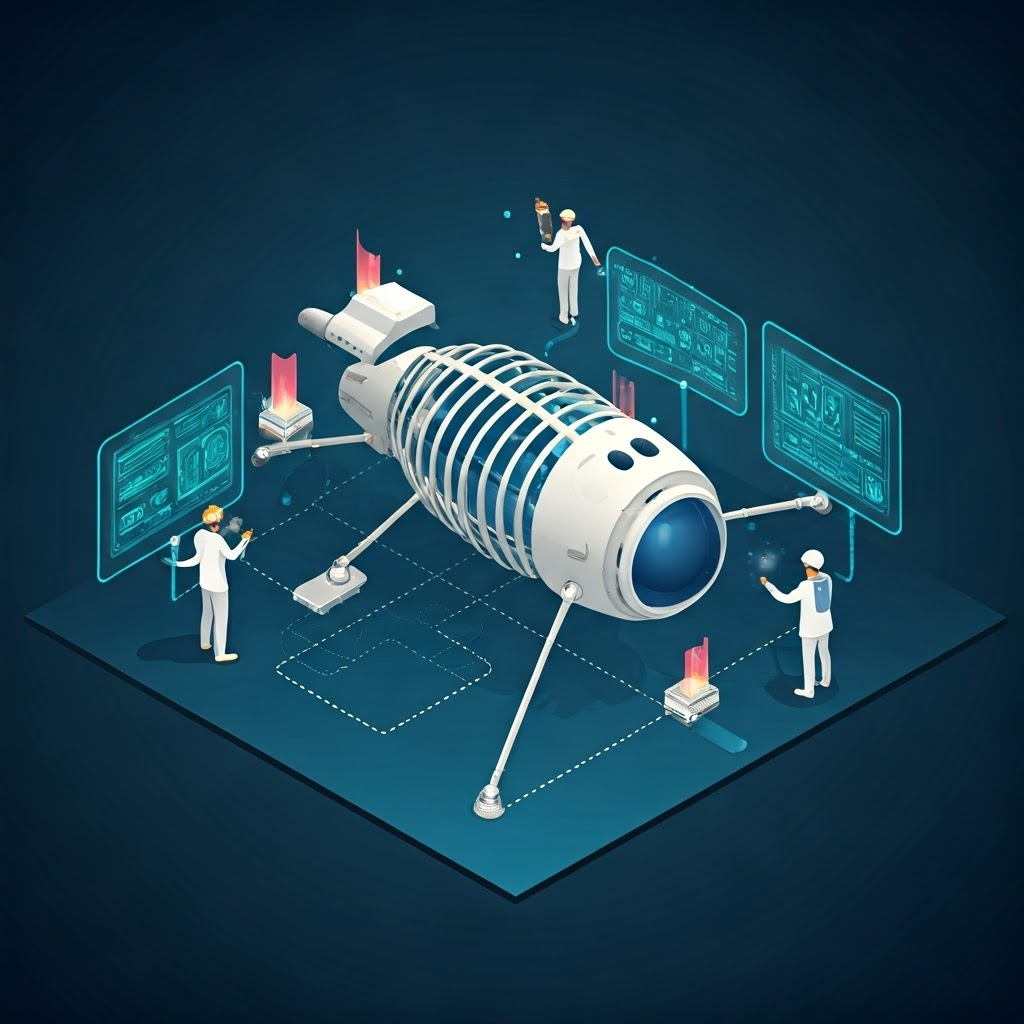
Together, structure, avionics, and command units form a living ecosystem. The skeleton holds firm, nerves sense and react, and the planner coordinates every task—from capturing Saturn’s rings to delivering tomorrow’s weather forecast.
