
Why the World Feels Different Now

A New Kind of Protest
Protests today look nothing like those grainy photos from old textbooks. Crowds still fill streets, yet millions now join from bedrooms on webcams. Activism jumps between street and screen, blending local and global energy.
Fridays for Future proves this shift. It began in 2018 with one Swedish teen skipping school to demand climate action. Within months, students on every continent struck together by sharing hashtags, livestreams, and group chats.
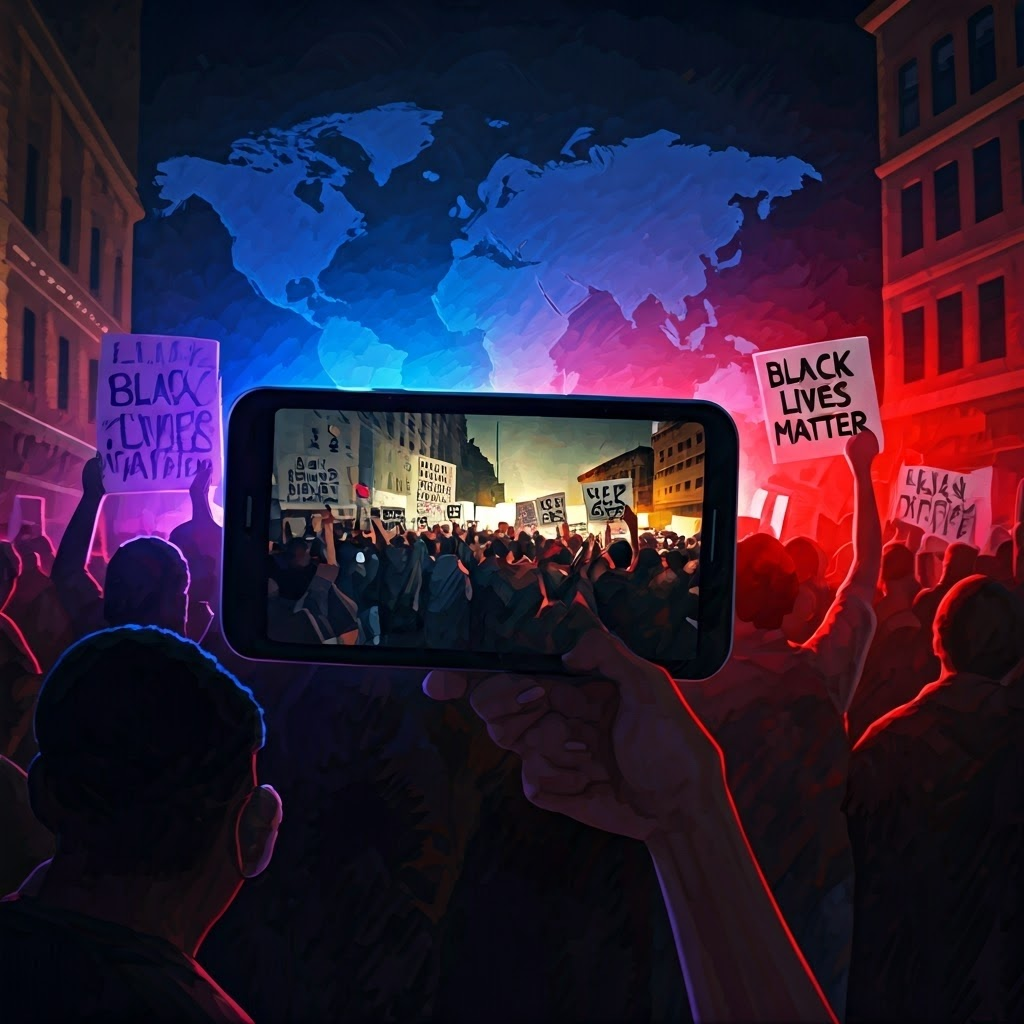
Black Lives Matter shows the same pattern but faster. George Floyd’s death went viral in hours, sparking protests in more than sixty countries. Anyone with a phone became a witness, broadcaster, and organizer. Movements grew younger, quicker, and more diverse in both faces and tactics.
The Power of the Hashtag
A hashtag looks simple, yet it quietly reshapes activism. #MeToo began as a space for sharing harassment stories and exploded after a 2017 tweet. Millions spoke up under one banner, forcing media and politicians to listen.
Hashtags act as rally points. With #BLM, people find protests, donate to bail funds, or study policy reforms by clicking one link. Social media turns private pain into public demands, forming a digital village open to anyone who knows the tag.
Sometimes a tag becomes a movement’s name—#FridaysForFuture or #SayHerName. Uses vary from support to critique, but that messiness is power. Diverse voices make a tag hard to silence, letting its meaning evolve as needed.
Why Now?
Several forces made today’s activism both possible and urgent. First, technology shrank the world. News once moved by newspaper or TV; now it reaches pockets instantly. A protest in Lagos can trend in Berlin within minutes.
Second, globalization shifted concerns. Issues like climate change and inequality cross borders, creating shared struggles and a common language for movements to grow.

Third, anxiety is rising and patience is thin. Scientists warn of shrinking timelines, and many feel life could unravel anytime. Movements tap that urgency with data, stories, and striking images.
Finally, youth voices are louder and better connected. Smartphones and group chats let teens lead instead of waiting. Impatience mixed with boldness gives today’s movements their punch.
Everyday Shifts
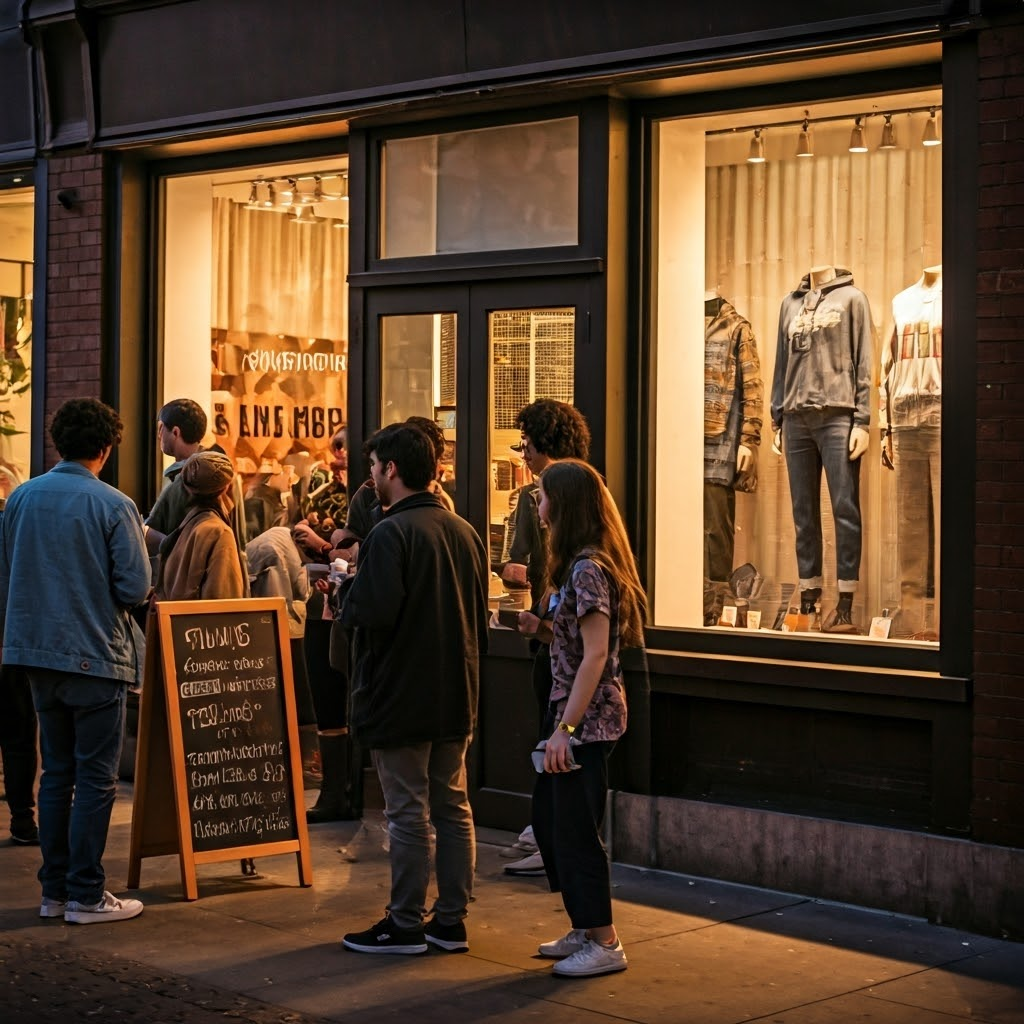
Even if you never march, you still feel these changes. Schools add plant-based meals, brands issue inclusivity statements, and shows feature diverse leads. Small gestures—pronouns in emails, climate labels on menus—trace back to movements that loop between online and offline spaces.
What’s Next?
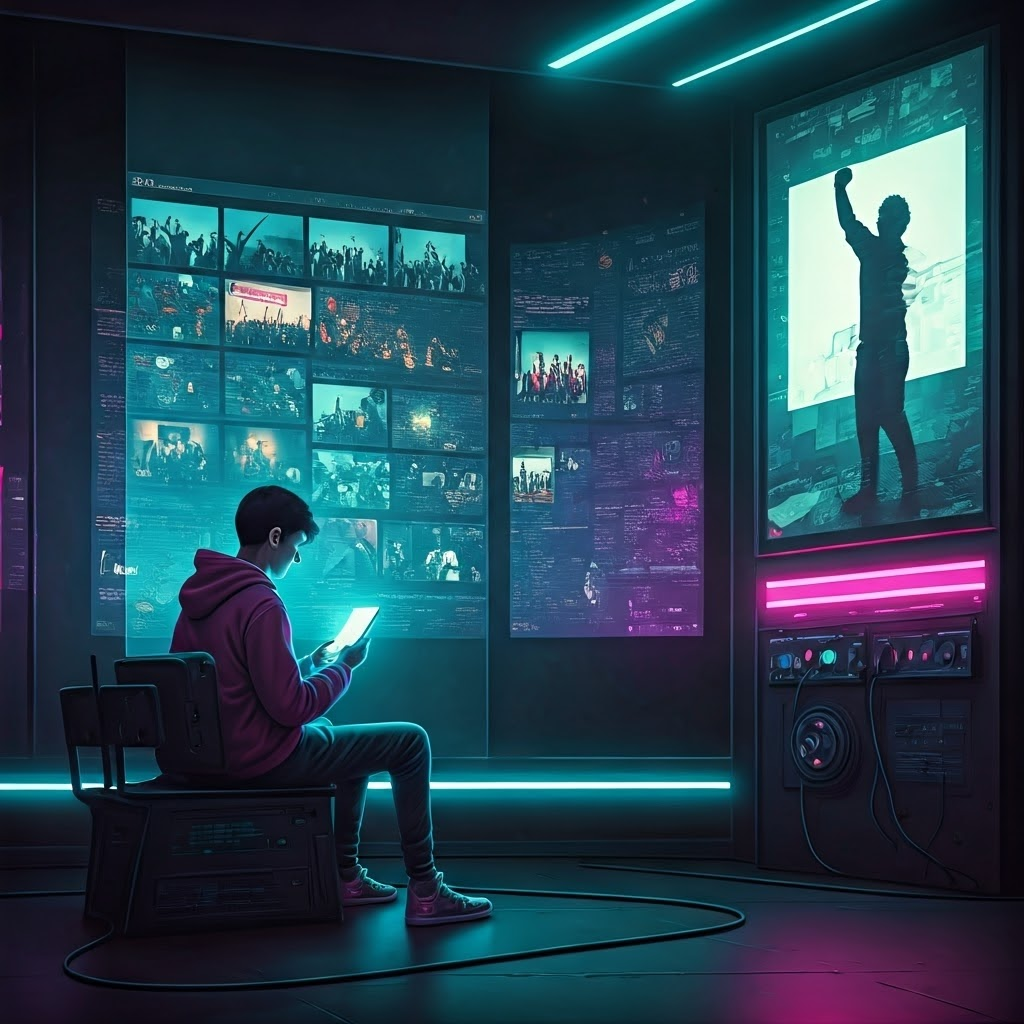
The ground keeps shifting, and new ideas appear daily. Some argue digital activism is too easy—just clicks and tags. Others see it as the spark before bigger flames. Change is still being written in real time, likely by someone younger than you, in a place you’ve never heard of, starting with a tweet you might scroll past.
