
The Silver Thread: From Potosí to the World
Picture one gray mountain towering over a high-altitude Bolivian city. That peak is Potosí. In the 1500s and 1600s it supplied more silver than any other place on Earth. Miners called it the “mountain that eats men.” Across the ocean in Mexico, Zacatecas offered a second rich lode.
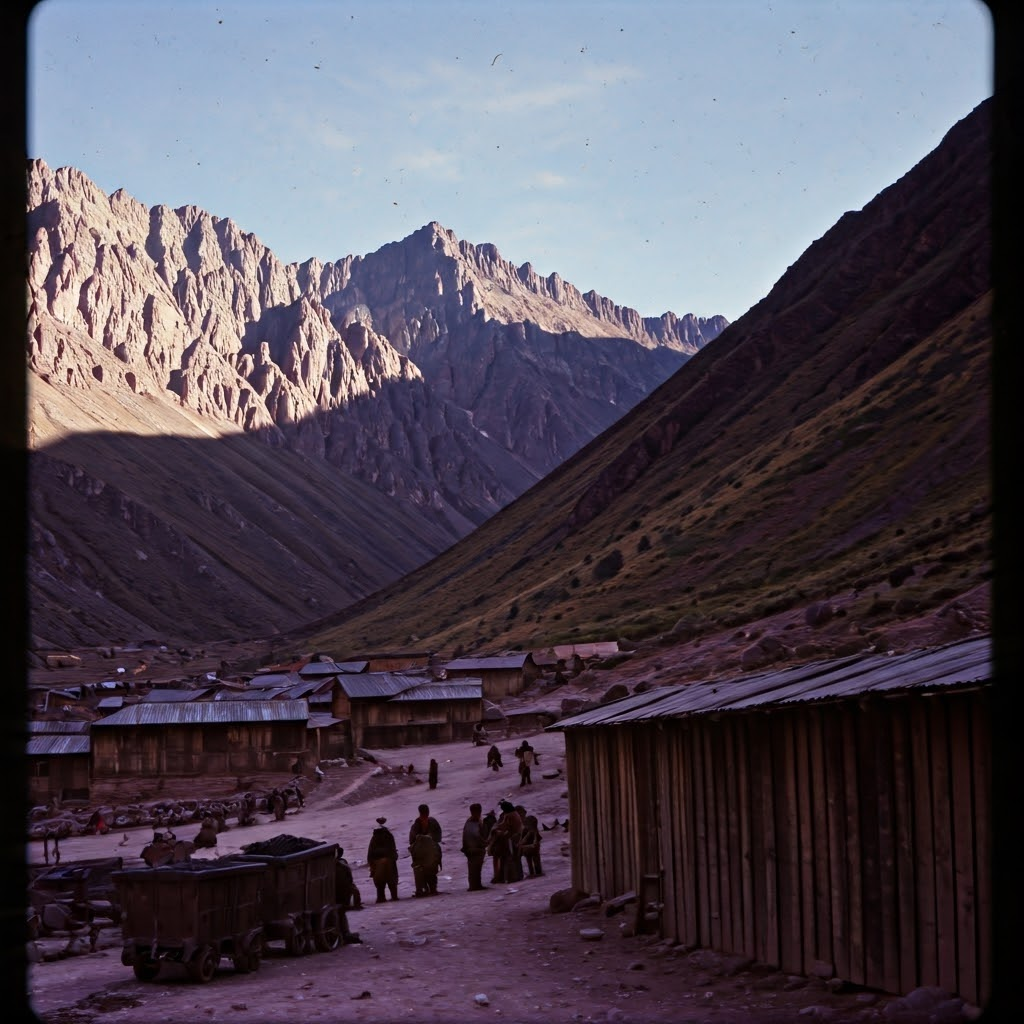
Mountains of Treasure
Spanish prospectors reached the mountain in 1545. Within decades the settlement swelled into a city as large as London. The boom rested on the Patio process, a quick mercury-based method that pulled silver from ore yet poisoned workers and soil alike.
The crown revived the Inca mita and forced Indigenous communities into the mines. Underground, thin air, cave-ins, and mercury vapor killed at a terrible pace; historians estimate millions of deaths over the centuries.
Forests vanished for smelter fuel, and mercury runoff tainted streams for miles. By the time a bar of silver left Potosí, it had already scarred land and lives.

Why Was Silver So Valuable?
Across the globe, China’s Ming tax reform required payments in silver, creating an endless appetite for the metal.
European states minted new coins to fund markets and wars. Silver became the lifeblood of an emerging global economy.
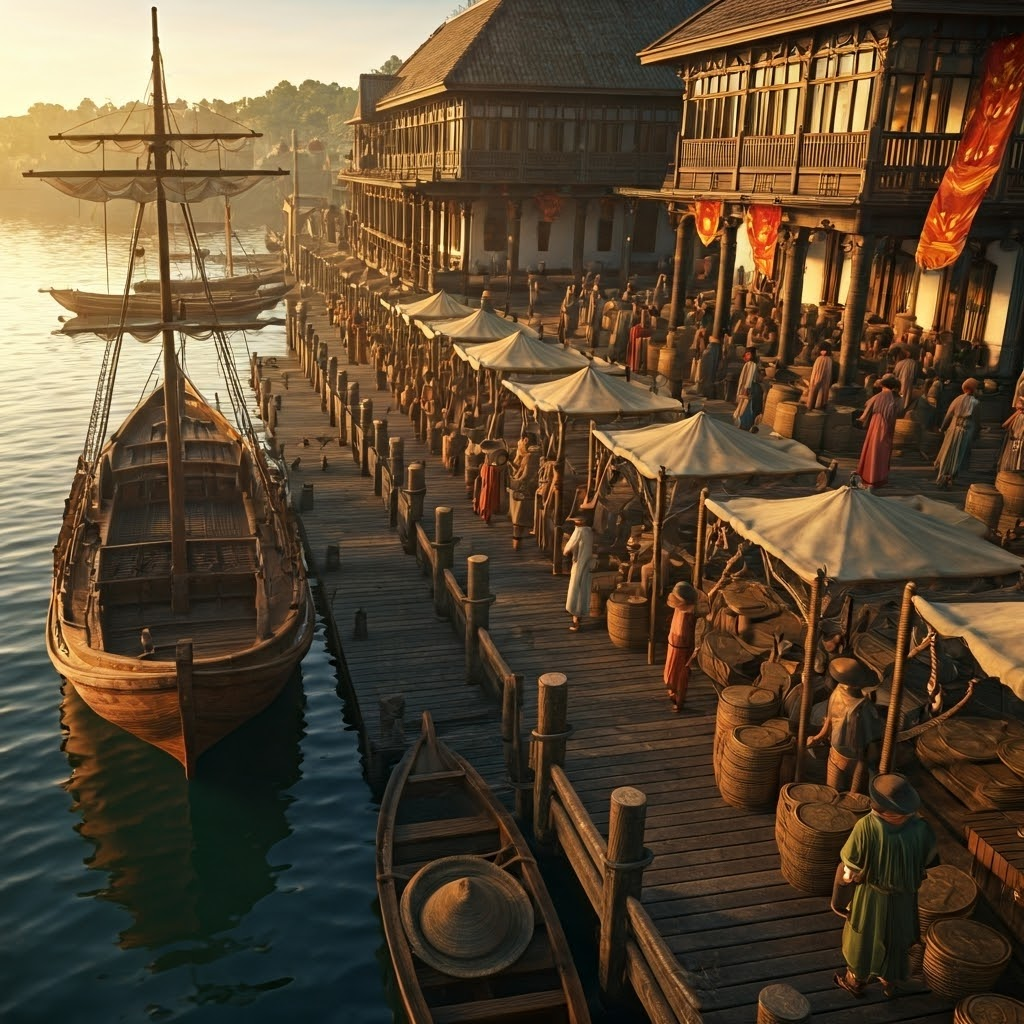
The Manila Connection
Silver rode mule trains to Atlantic or Pacific ports, crossed Panama or Mexico, then boarded vast galleons bound for Manila.
In the Philippine capital traders from Spain, China, India, and Japan met each week. There, Manila bullion swapped for silk, porcelain, and spices.
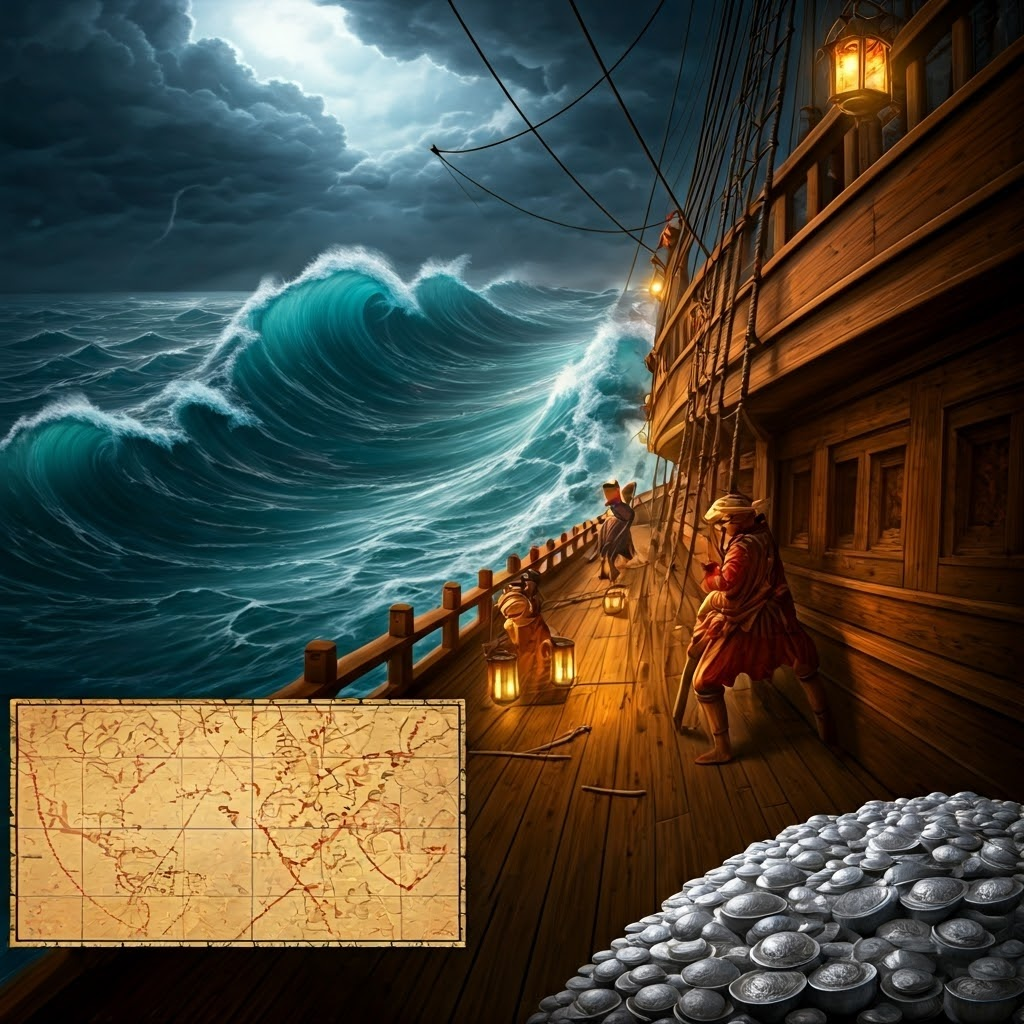
For 250 years only one or two lumbering ships braved storms and pirates each season. Crews mixed Filipinos, Chinese merchants, and Spanish officers; cargo mixed silver going west and luxury goods heading east. The trade stitched oceans together.
The Silver Drain
By the 1600s more than half of all mined silver flowed into Asia, mostly China. Historian Dennis Flynn dubbed the outflow the silver drain.

Ripples Across Continents
In Europe, silver glut drove prices up. Bread cost more, while wages lagged. Economists now call this surge the Price Revolution.
Spain, awash in coins yet short on industry, sank deeper into debt. Northern rivals like England and the Dutch gained ground.
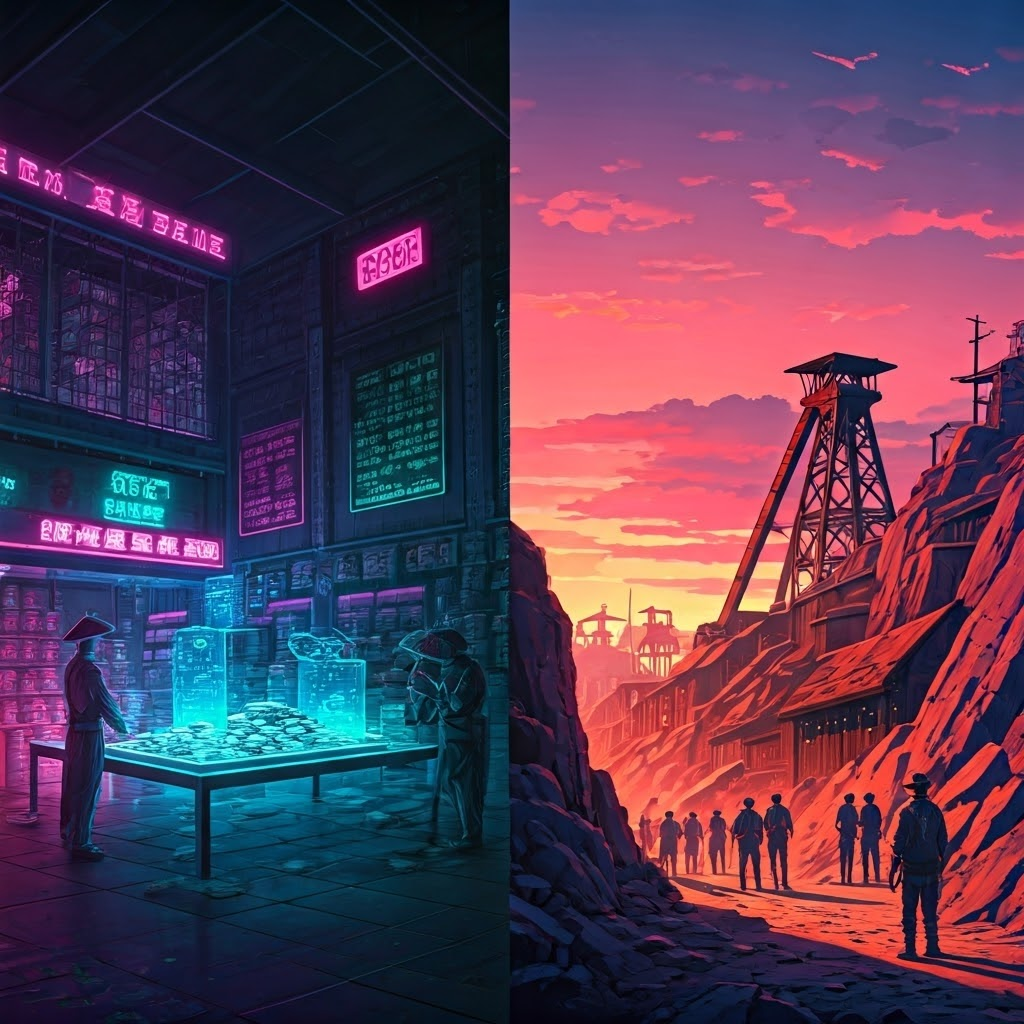
In Asia, powerful merchants thrived as silver poured in; yet later shortages rattled the tax system. Japan, with its own mines, enjoyed new wealth and influence.
Across the Americas, mining reshaped cities and landscapes. Africans, Indigenous peoples, and immigrants from Asia mixed in booming towns, creating new foods, sounds, and languages.

Long-term Effects
The global silver circuit linked three continents, built new cities, and rewired economies, but it also left poisoned earth and broken bodies.
Today, modern trade routes, persistent demand for precious metals, and volatile markets still echo that legacy—proof that wealth and sorrow once traveled together on a single silver thread.
