
The Secret Senses of Plants

Place a healthy houseplant near a sunny window, and after a few days you’ll see its stem and leaves tilt toward the light. This gentle bend is phototropism—the way plants grow toward sunlight to stay energized.
Plants can’t walk to a brighter spot, so they rely on a clever hormone named auxin. Auxin gathers on the shaded side of the stem, those cells stretch, and the stem nods toward the window.
Try a simple test: set a potted plant on your sill, then turn the pot every few days. Watch how each rotation triggers a fresh lean, proving plants constantly track light.
Even seedlings underground sense faint light, guiding their shoots upward. They act like they have eyes, yet their “vision” rests in tiny molecules rather than retinas.

Light does more than steer growth. Morning glories open at dawn and close by afternoon, syncing blooms with the sun’s rhythm. Young sunflowers slowly follow the sun across the sky—a dance driven by internal clocks and shifting hormones.
Gardeners use these patterns when spacing crops, making sure every plant captures maximum light. Your own yard becomes a stage for these quiet performances once you start watching.
Gravity’s Pull: Roots and Shoots Know Up from Down
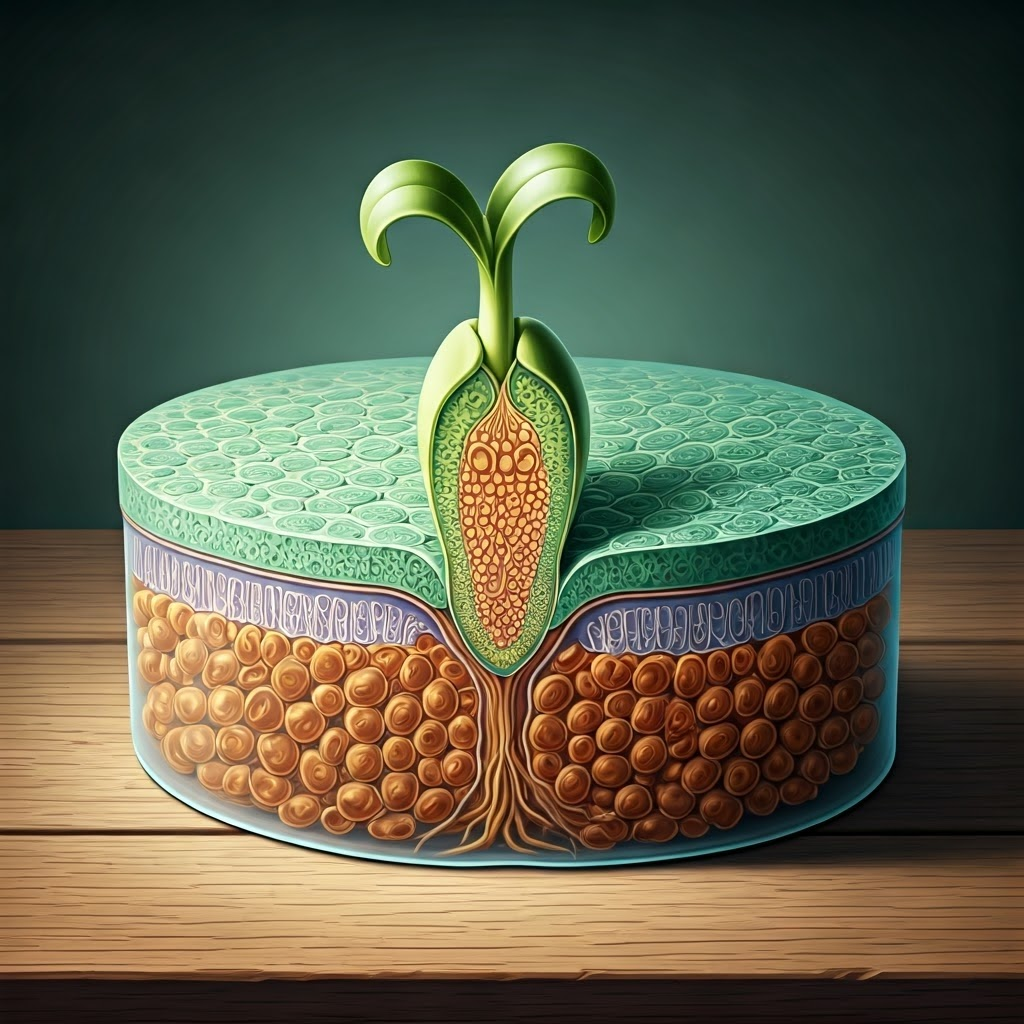
Open a seed and you won’t see labels for root or shoot, yet each part grows in the right direction. This sense, gravitropism, lets roots dive downward while stems rise.
Inside root tips, tiny starch grains act like mini levels. They settle at the lowest point, signaling which way is down. Roots chase moisture and nutrients below, while shoots push skyward for light.
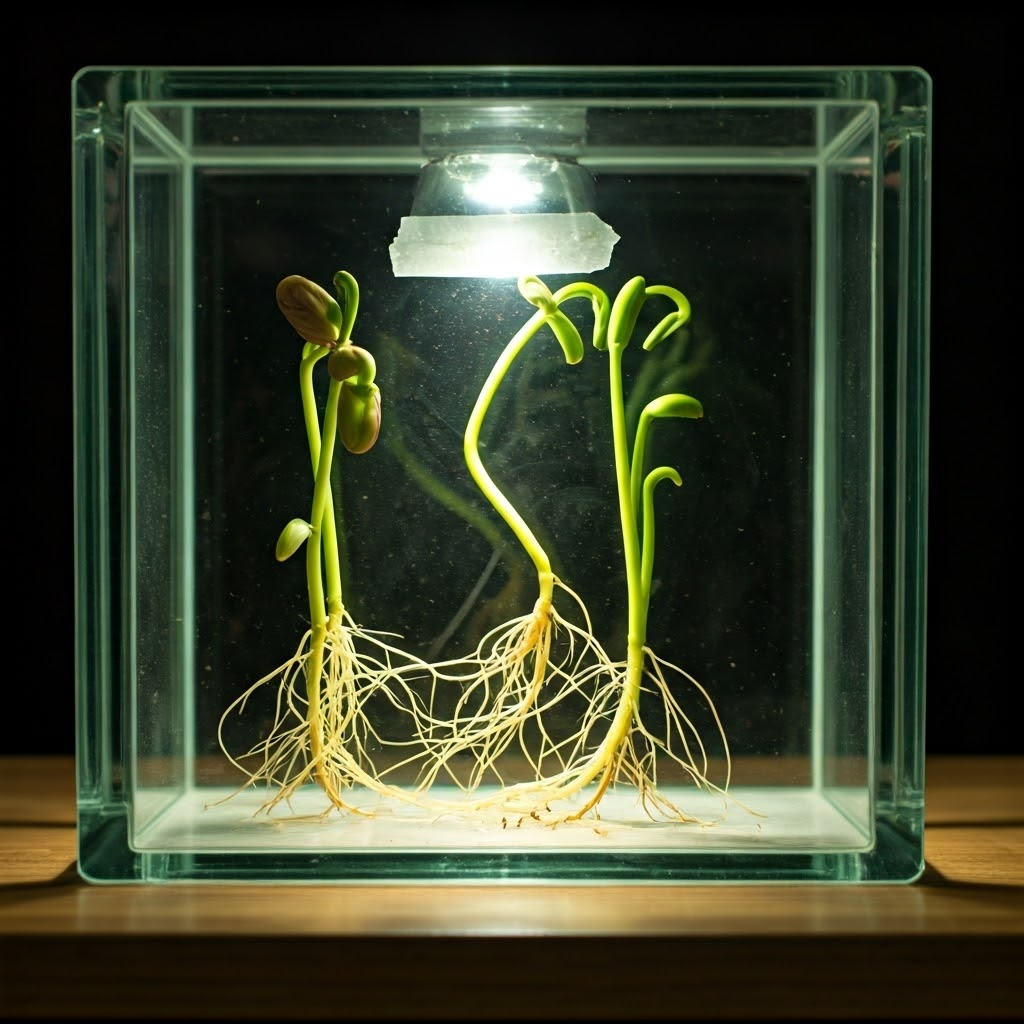
You can test this at home. Germinate beans in a damp paper-towel pouch, tape it to a window, then flip the bag every couple of days. Roots will always arc downward, shoots upward—proof of the plant’s built-in compass.
Notice trees on hillsides or those tilted after storms. Their branches and roots slowly realign, guided by the same unseen pull. This quiet plant intelligence keeps growth on track.

Touchy Subjects: When Plants Feel
Some plants respond to touch almost as quickly as animals. Climbing vines use thigmotropism. When a tendril brushes a support, it coils tightly for a firm grip—often within an hour.
Guide a pea tendril by tapping it gently every few minutes. The plant will curl toward your finger, showing how even mild contact triggers motion.

The star of plant touch is Mimosa pudica, the “sensitive plant.” A light poke makes its leaves snap shut in seconds. Cells dump water, collapse, and pull the leaflets inward—a built-in alarm against hungry insects.
Find one at a nursery, brush a leaf, and watch the swift retreat. No special tools—just curiosity and a gentle hand—reveal how plants feel the world.
Plants constantly sense light, gravity, and touch, adjusting every twist and reach. Next time you pass a garden or glance at a desk plant, remember a silent drama unfolds. Observe closely and you’ll discover a new respect for their quiet, persistent intelligence.
