15 min read  •  10 min listen

Sequencing Secrets

How Scientists Read DNA and Why It Matters

Sequencing Secrets

AI-Generated

April 28, 2025

Ever wondered how scientists read the code of life? This tome takes you behind the scenes of DNA sequencing, from the first Nobel-winning breakthroughs to the latest high-speed machines. Discover how these secrets shape medicine, science, and your everyday world.


Cracking the Code: How DNA Sequencing Works

Illustration of a glowing DNA helix inside a cell, with highlighted A, T, C, and G letters guiding protein assembly.

DNA is the body’s instruction manual written with just four letters—A, T, C, G. Scientists sequence DNA to read these instructions, spot mutations, and trace ancestry.

What is DNA and Why Sequence It?

Every cell carries the same genetic script. The four letters guide protein building, shaping traits from eye color to metabolism. Sequencing lets researchers uncover how those letters vary among people, plants, and microbes.
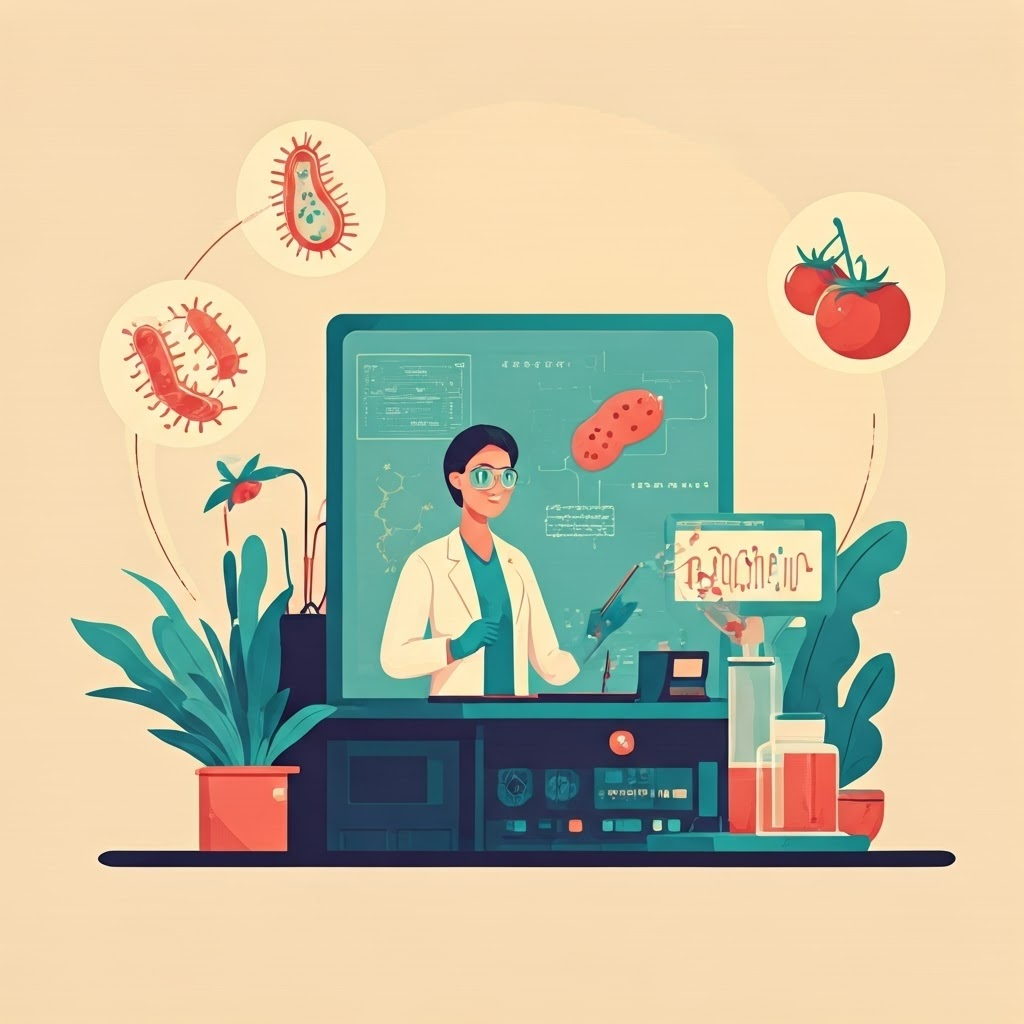
Scientist in a vibrant lab surrounded by icons for medicine, agriculture, and ancestry, connecting DNA sequencing to daily life.

Reading the code reveals mutations that cause disease, explains antibiotic resistance, and clarifies family roots. It replaces guesswork with clear instructions, much like finding an easy-to-read IKEA guide.

The Sanger Method: A Nobel-Worthy Breakthrough

1970s lab scene with Fred Sanger pipetting beside chalk sketches of DNA strands and special stop molecules.

Fred Sanger’s “chain termination” trick stops DNA copying at specific letters. Shorter pieces stack by size in a gel, letting scientists read one base after another.

Fred Sanger receiving a Nobel medal with DNA strands and a genome map in the background.

This method earned Sanger his second Nobel Prize and enabled gene-length reads up to 1,000 bases. It laid the groundwork for the first human genome project.

Next-Generation Sequencing: Speeding Up the Process

Futuristic sequencing lab with glowing slides and synchronized LED flashes showing massive parallel reads.

Next-generation sequencing (NGS) runs millions of reactions side by side. Parallel processing slashes time and cost, turning years of work into mere days.
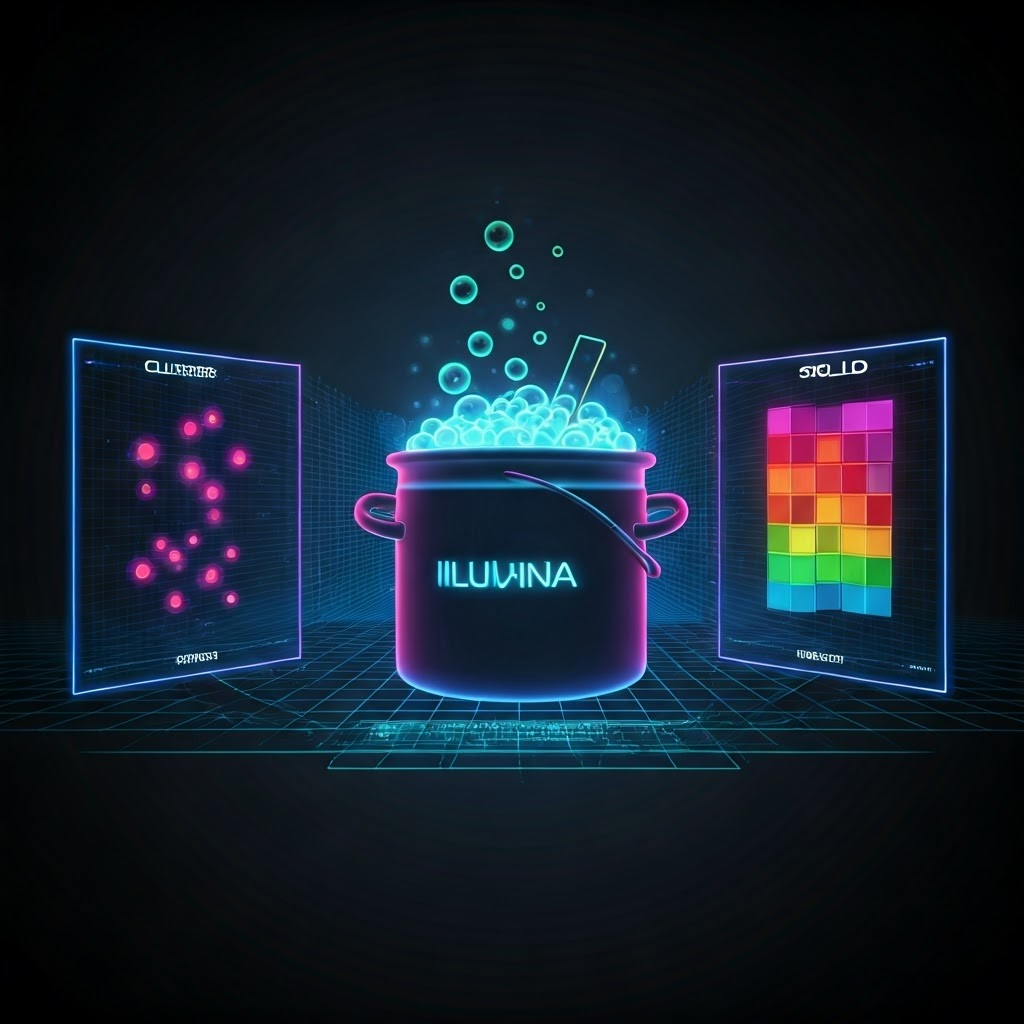
Neon infographic comparing Illumina flashes, Ion Torrent pH shifts, and SOLiD paired reads.

Illumina captures colored flashes from DNA clusters. Ion Torrent tracks tiny pH drops. SOLiD reads two bases at once for extra accuracy. Each platform brings a unique chemistry to rapid sequencing.
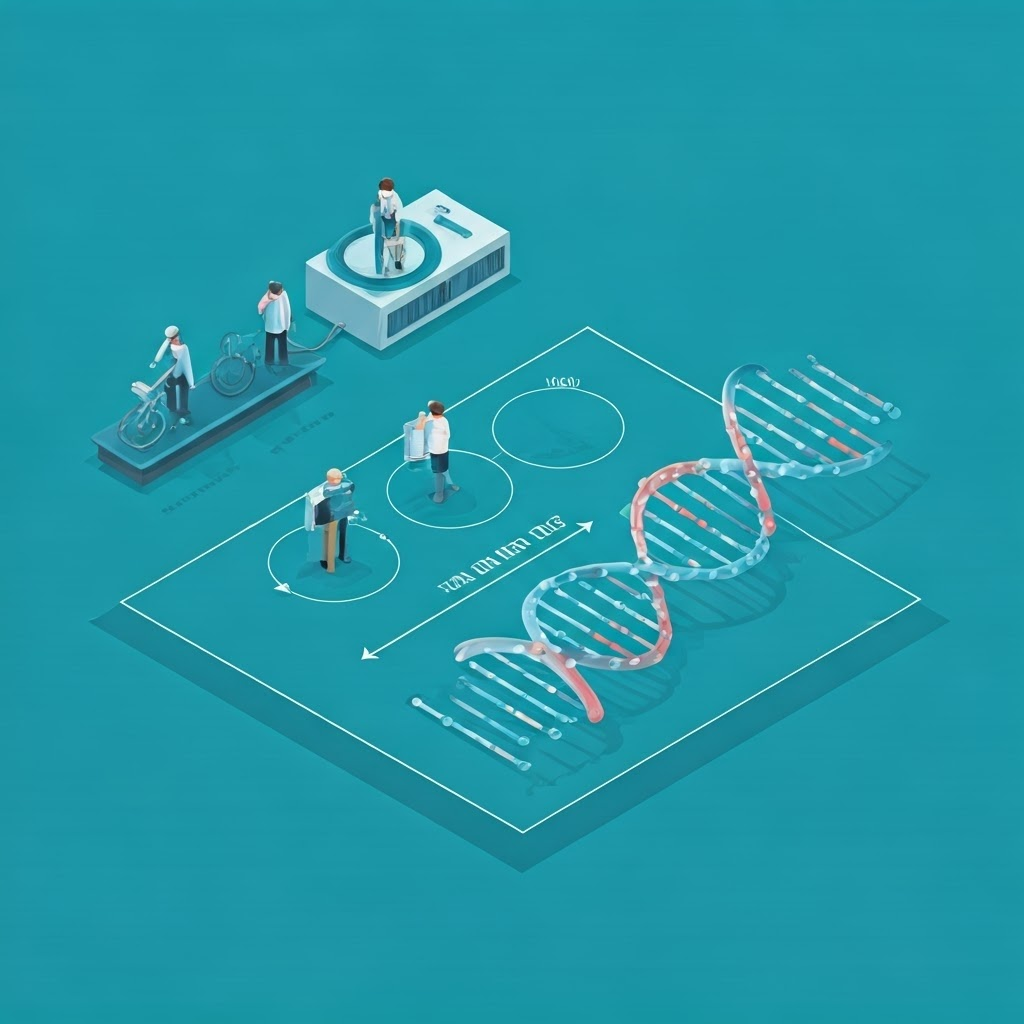
Isometric illustration showing timelines shrinking and DNA strands lengthening as technology advances.

Whole genomes now arrive in days, guiding hospital diagnoses and large-scale cancer studies. High-throughput data fuels discoveries at internet speed.

Long Reads and the Third Generation

Close-up of a DNA strand moving through a nanopore with real-time data spikes and a PacBio sequencer display.

Third-generation devices read tens of thousands of bases in one pass. PacBio films DNA copying in real time, while Oxford Nanopore “listens” to electrical changes as strands slide through a pore.

These long-read tools resolve repeats and structural twists that short reads miss. Scientists can assemble complete genomes in remote fields using gear the size of a USB stick.

Why Sequencing Keeps Evolving

Watercolor scene of a DNA helix turning into binary code across labs, farms, and hospitals.

Nature holds endless variation. Faster, more accurate sequencing unravels complex genomes and tracks diseases in real time. Each new platform builds on Sanger’s insight, pushing us closer to fully decoding life’s language.


Tome Genius

Genetics & Genomics: From Molecules to Medicine

Part 5

Tome Genius

Cookie Consent Preference Center

When you visit any of our websites, it may store or retrieve information on your browser, mostly in the form of cookies. This information might be about you, your preferences, or your device and is mostly used to make the site work as you expect it to. The information does not usually directly identify you, but it can give you a more personalized experience. Because we respect your right to privacy, you can choose not to allow some types of cookies. Click on the different category headings to find out more and manage your preferences. Please note, blocking some types of cookies may impact your experience of the site and the services we are able to offer. Privacy Policy.
Manage consent preferences
Strictly necessary cookies
Performance cookies
Functional cookies
Targeting cookies

By clicking “Accept all cookies”, you agree Tome Genius can store cookies on your device and disclose information in accordance with our Privacy Policy.

00:00